

Planning
Is Montenegro Worth Visiting? Answered by an Operator, 20 Years In-Country
ByBorislav Jablan · · 8 min read
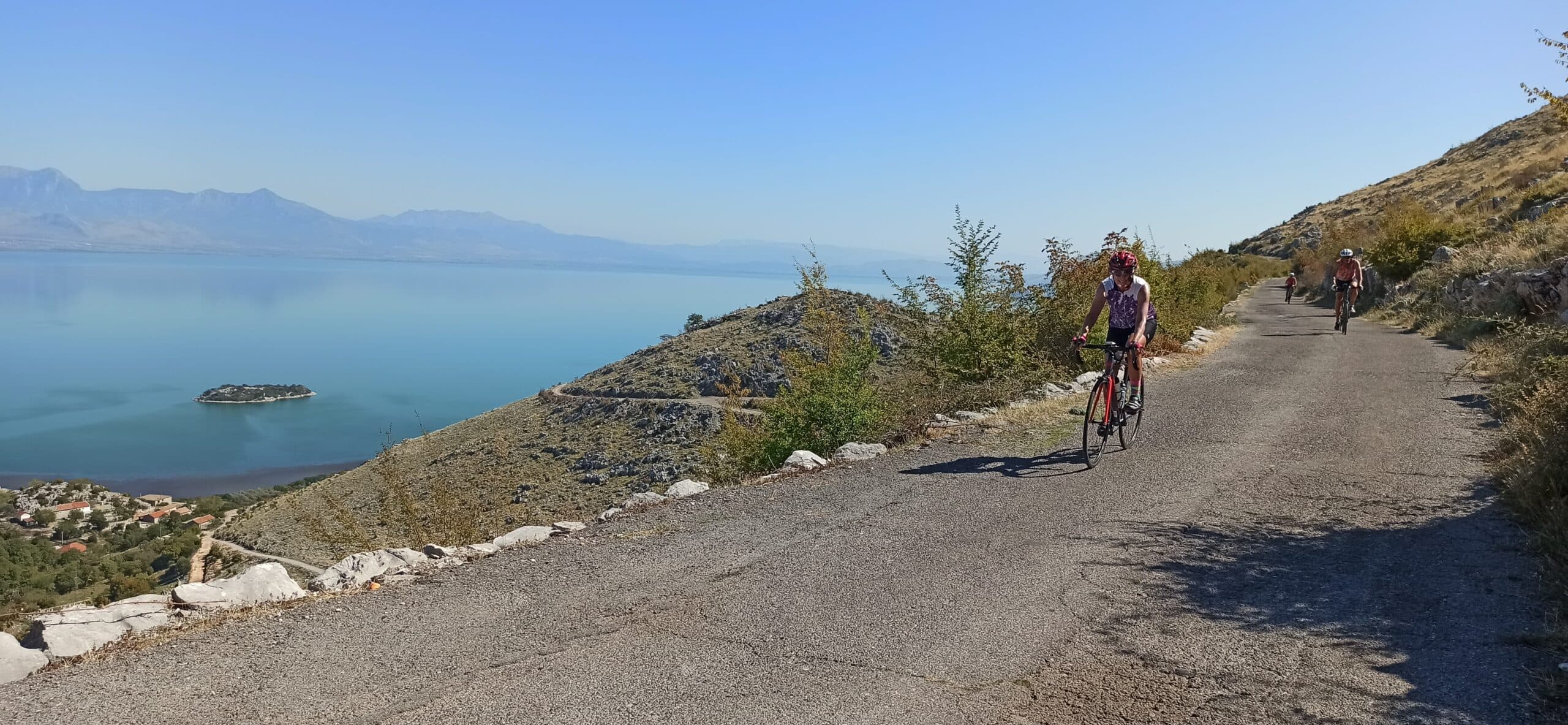
Yes, Montenegro is worth visiting if you want density over gloss: coast, Europe's deepest canyon and 2,500 m peaks within a short drive of each other. It is not for everyone, and below I say plainly who it disappoints and where it is genuinely exceptional.
Yes, and the short reason is density. In a country of about 13,812 km² and roughly 622,500 people, you can stand on the Adriatic in the morning and be at the rim of Europe's deepest canyon by early afternoon. That compression — coast, canyon and 2,500 m peaks in one short drive — is the case for coming. It is not for everyone, and I'll say below exactly who it isn't for. Everything here carries a source; where I couldn't verify a figure, I've flagged it rather than guessed.
What Montenegro has that its neighbours don't: the density
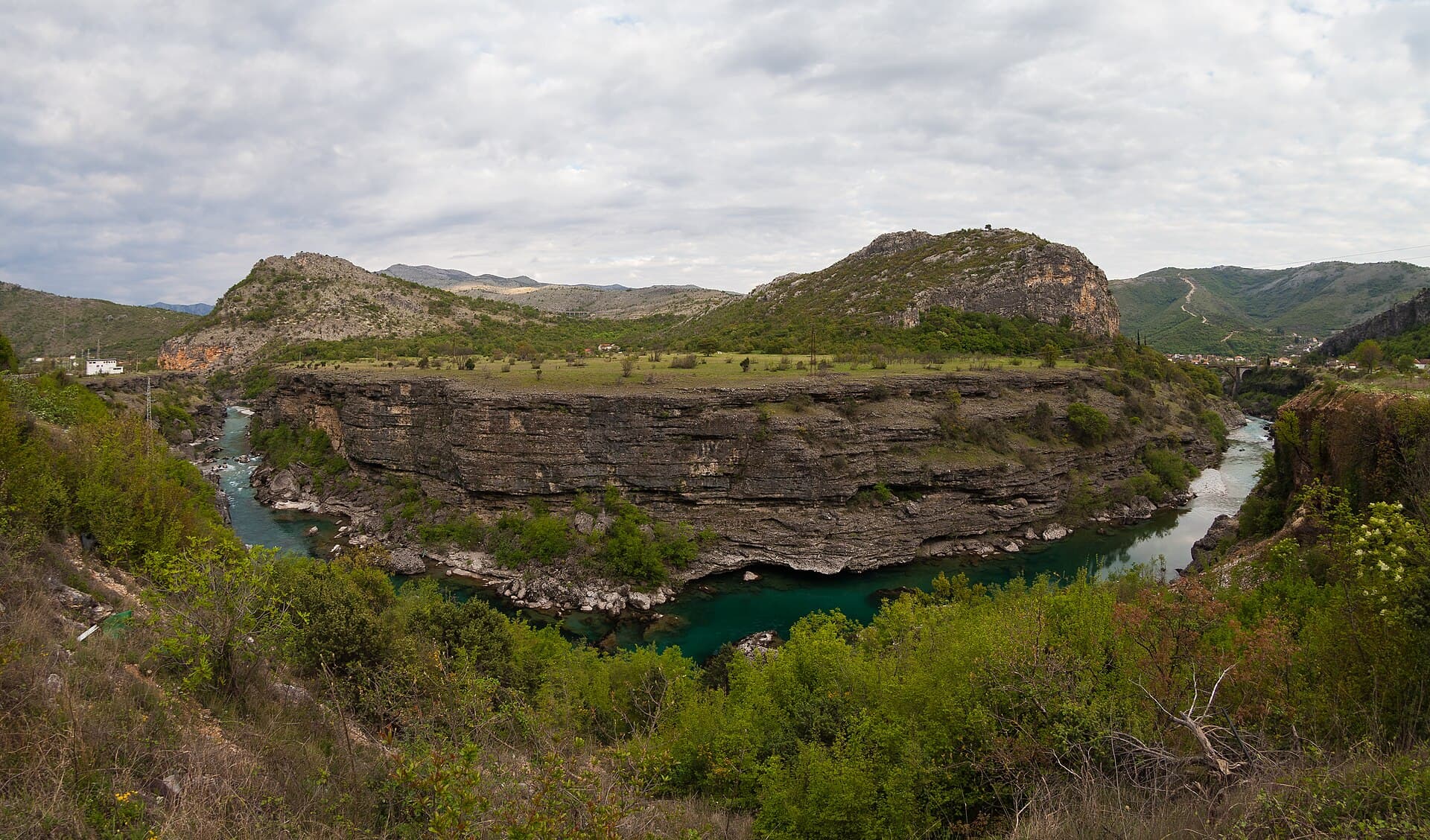
The highest peak entirely inside Montenegro is Bobotov Kuk in the Durmitor range, at 2,523 m. The country's true high point is Zla Kolata, 2,534 m, on the Montenegro–Albania border in the Accursed Mountains (Prokletije). Then there's the Tara: 1,333 m deep, 82 km long, with 60 km of it protected within Durmitor National Park. It is the deepest canyon in Europe and the second deepest in the world after the Grand Canyon.
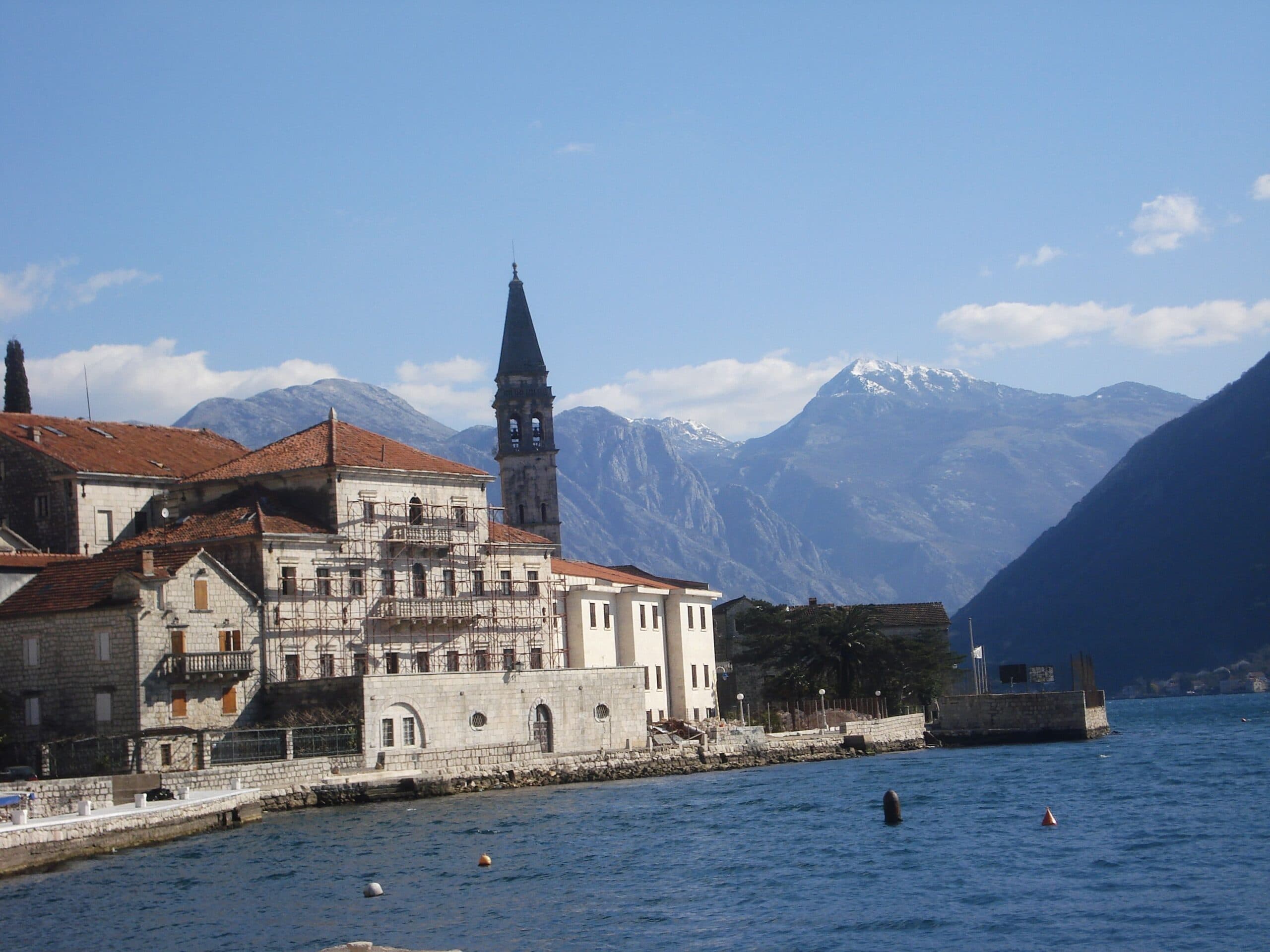
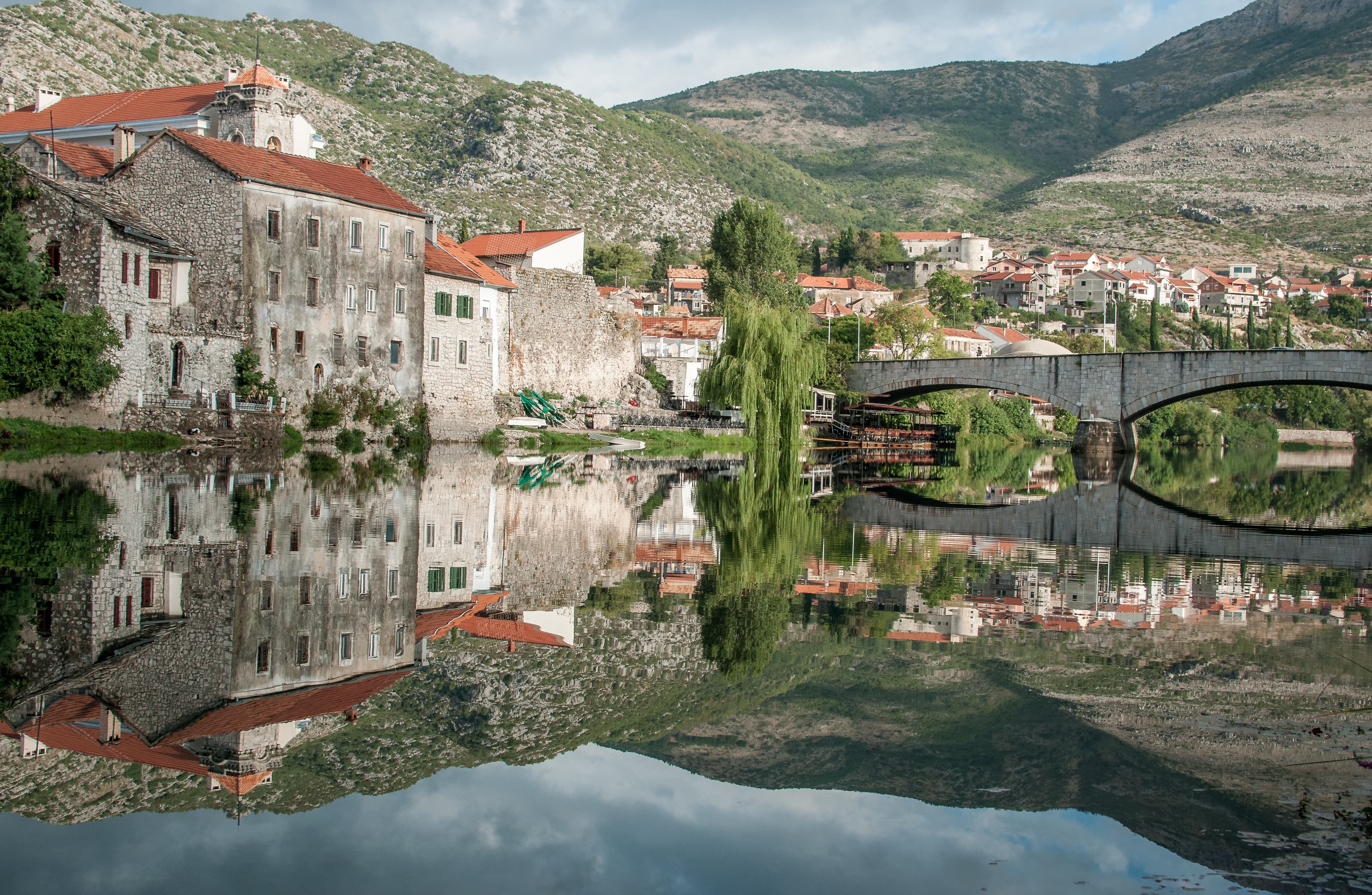
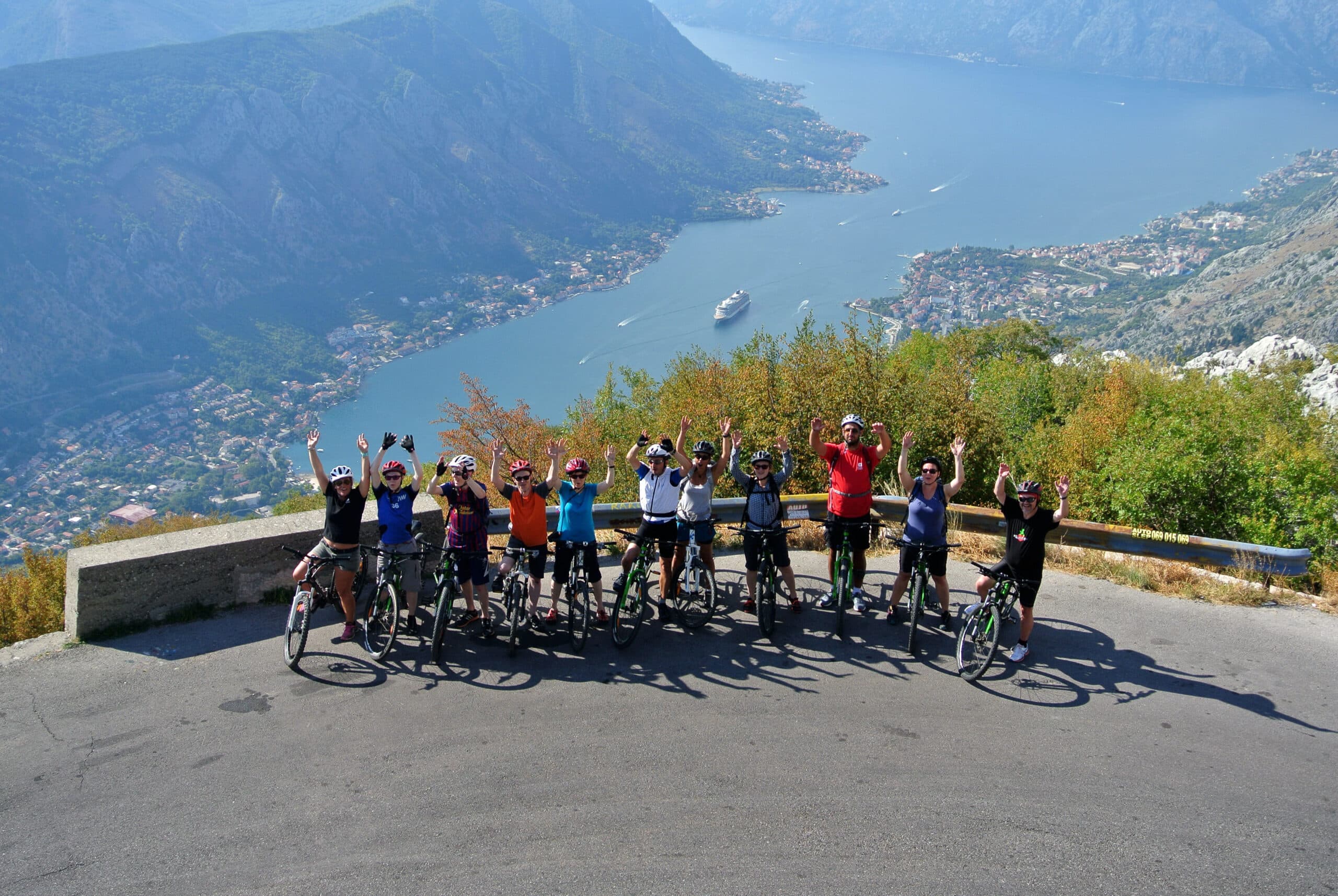
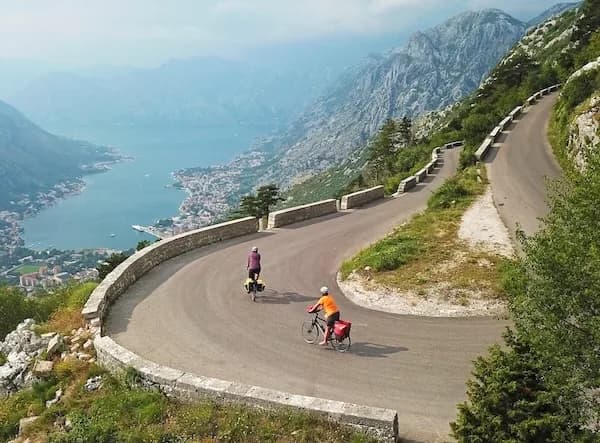
The drive that proves the point: Kotor at sea level to Žabljak — gateway to Durmitor and the Tara — is about 160 km, roughly 2 hours 38 minutes in normal traffic. So you go from a UNESCO bay to a 1,450 m mountain town in under three hours. No neighbour packs a fjord-like bay, Europe's deepest canyon and 2,500 m peaks into a two-to-three-hour radius. See what that looks like on the ground in Durmitor and along the Tara canyon.
Who it suits — and who it doesn't
It suits hikers, cyclists, drivers who want a self-guided loop, travellers who value value, and anyone who wants mountains and sea on the same trip. It does not suit people who want seamless public transport, a purely lie-on-a-lounger beach holiday without crowds in August, or step-free polish everywhere. If that's you, read the honest section below before booking.
What is Montenegro like in high summer: coast vs mountains
Average July highs tell the story. Budva reaches around 30°C (lows near 20°C), Kotor around 29°C, and Podgorica up to 34°C. Žabljak, up in the mountains, peaks at about 22°C with lows near 10°C. Heatwaves can push summer temperatures over 40°C on the coast and inland, and July is the driest month.
The practical read: the coast is hot and busy in July and August, while the northern mountains run 8–10°C cooler and are your heat escape. One mountain caveat — above 1,500 m in Prokletije the weather changes fast, and hypothermia is a real risk in sudden storms even in midsummer. Carry layers whatever the coastal forecast says.
Where Montenegro disappoints (I'll say it plainly)
The Bay of Kotor cruise crush is real. In 2024 around 500 cruise ships were expected, and on 7 August alone four ships carrying about 5,000 tourists moored in a town of roughly 23,000. Kotor can receive up to 10,000 cruise passengers in a single day. The old town's narrow streets do not absorb that, and UNESCO's own management notes crowding, overwhelmed services and waste challenges during summer cruise peaks.
Budva, the country's beach capital, is at its most crowded exactly when most people come. Go in shoulder season or base elsewhere. Public transport is patchy once you leave the coast — the Kotor–Žabljak bus runs roughly once a day and takes about 3 hours 23 minutes. And the northeast is cash-dependent: most small businesses, guesthouses and restaurants around Plav don't take cards, so withdraw cash in Podgorica or Berane first.
Litter on some trails comes up, and it's a fair criticism anecdotally, though I couldn't find a quantified national figure to stand behind. Treat it as a real but unmeasured issue rather than a headline.
Where it is genuinely exceptional
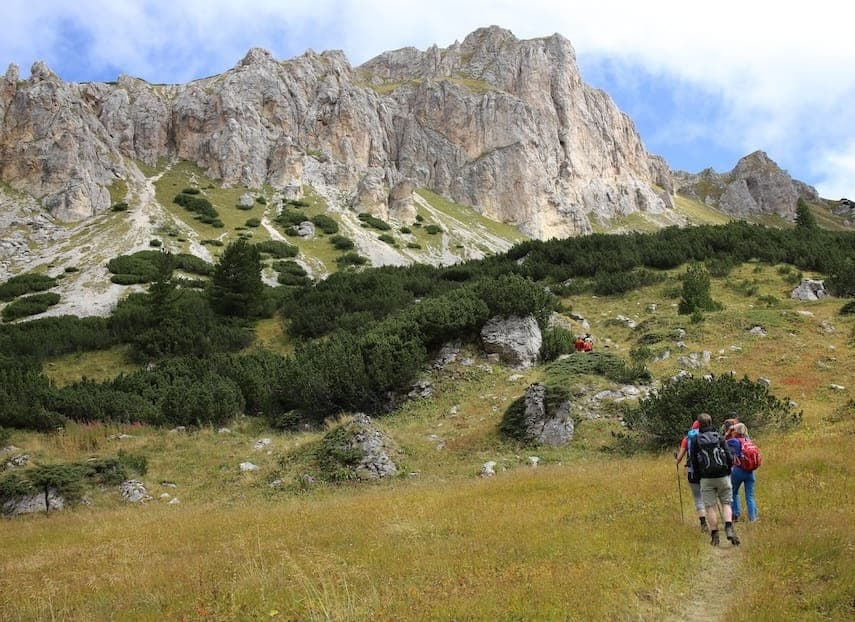
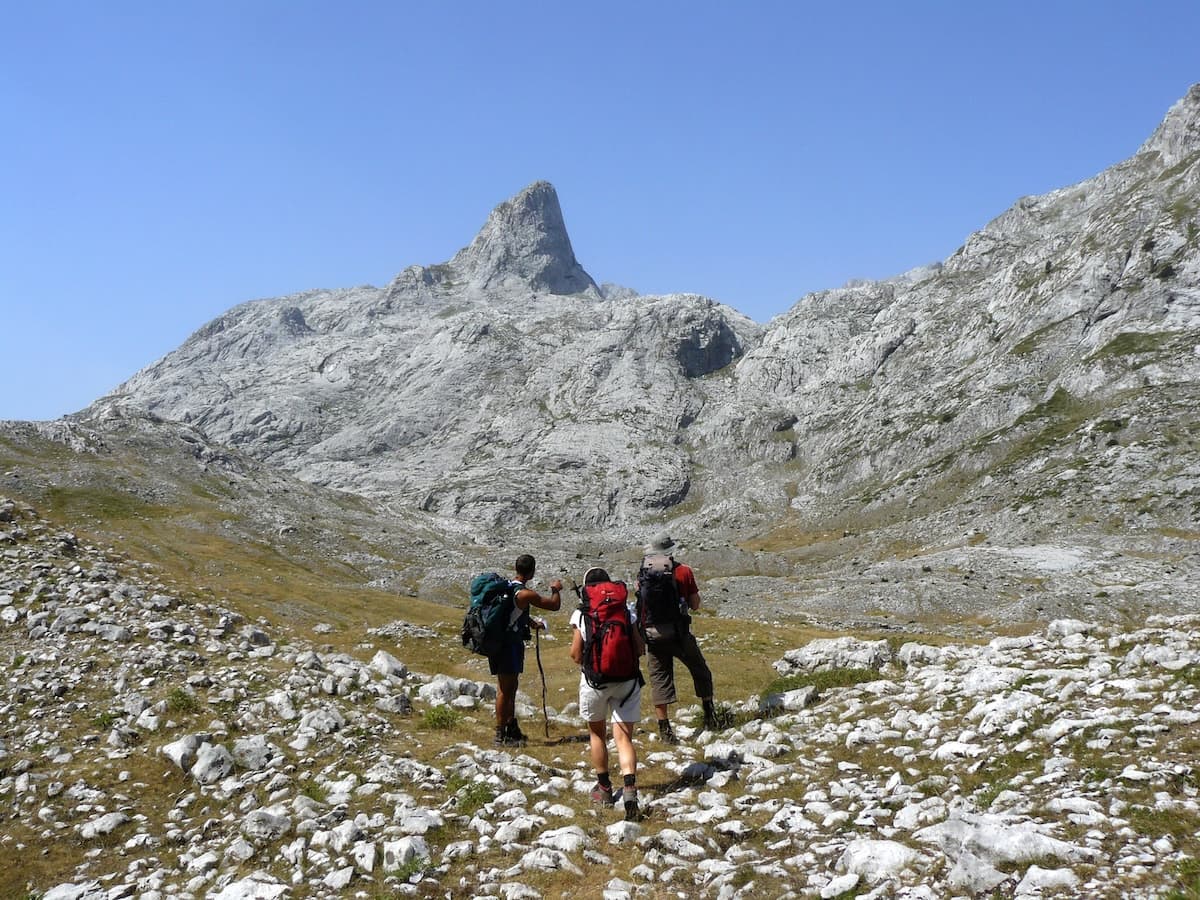
Durmitor and the Tara are the headline. From Žabljak the Black Lake (Crno Jezero) loop is an easy circuit of about 7.1 km through fir forest, which suits people who aren't trekkers. Beyond that, Prokletije — the Accursed Mountains — carries the 192 km circular Peaks of the Balkans trek, established in 2012 across Albania, Kosovo and Montenegro.
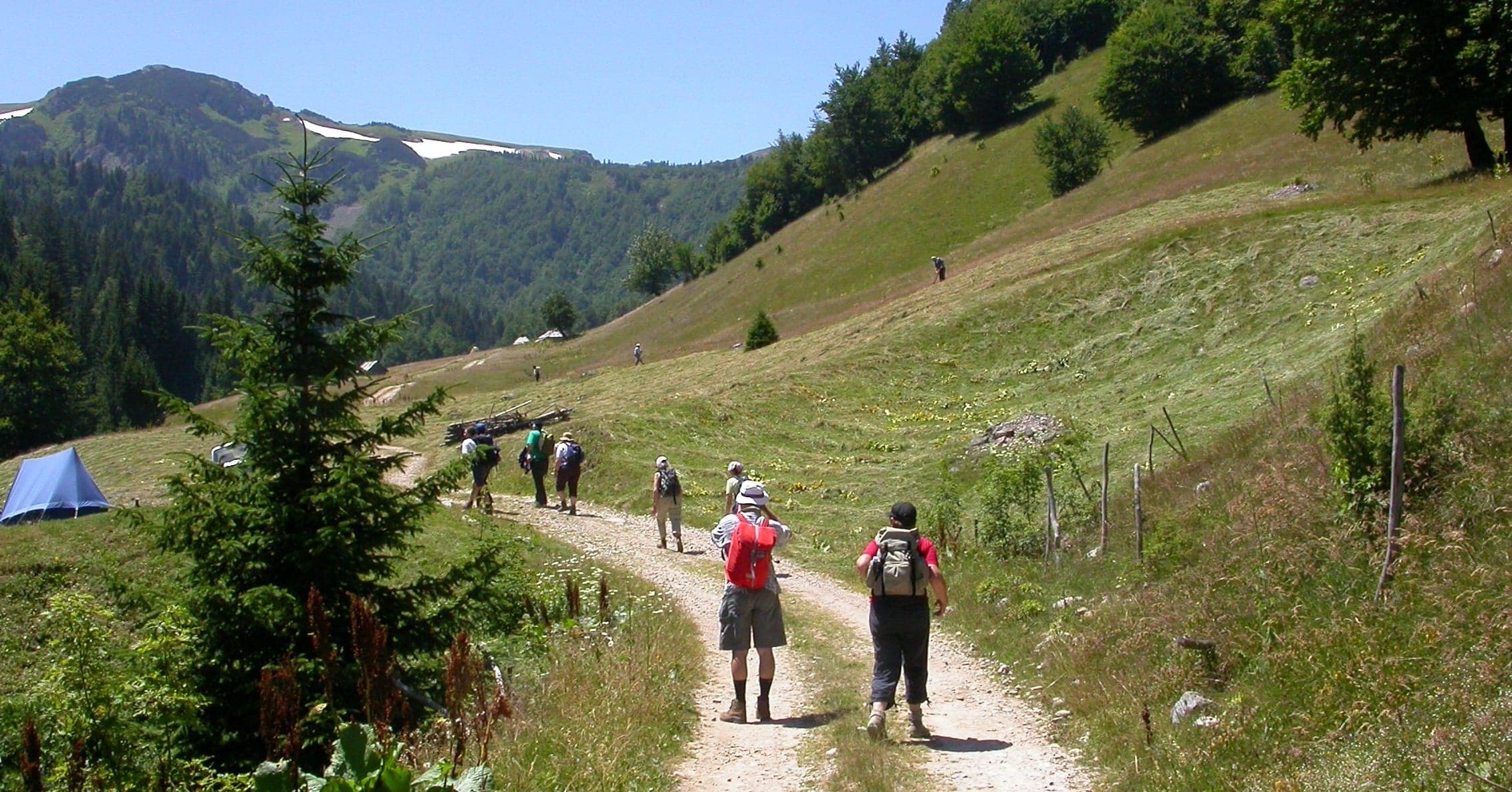
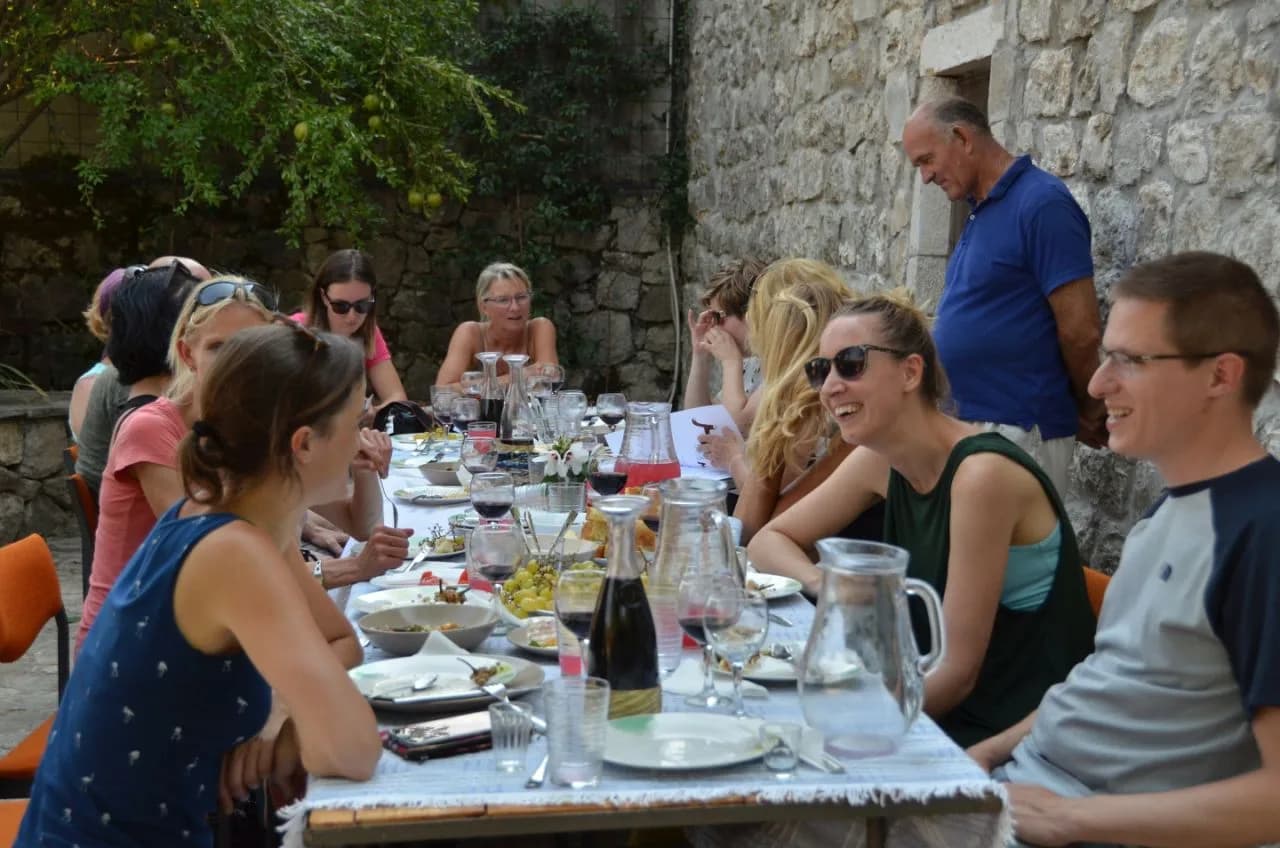
Biogradska Gora is one of Europe's last primeval forests, wrapped around a glacial lake. And then there's katun culture — the summer shepherd settlements found across Lovćen, Orjen, Durmitor, Sinjajevina, Bjelasica, Komovi and Prokletije, from about 890 m up to a Prokletije katun at 2,019 m. Several now offer traditional lodging and food, which is one of the more honest ways to spend a night in the mountains.
Getting there: airports and access
Montenegro has two international airports, Podgorica (TGD) and Tivat (TIV). In 2024 they handled about 2.87 million passengers combined — Podgorica 1.76 million and Tivat over 1.12 million, records for both. Podgorica operates year-round; Tivat is seasonal and, because of the surrounding terrain, runs daylight flights only.
For drive times from the airports: Tivat to Kotor is about 15–20 minutes and Tivat to Budva under 30 minutes. Podgorica airport to Kotor is roughly 85 km, about a 1.5-hour drive. If you're flying for the coast, Tivat is the closer gate; for the mountains, Podgorica usually makes more sense.
Roads and how long things really take
There is only one motorway so far. The first section of the Bar–Boljare motorway opened in 2022 — the 41 km Smokovac–Mateševo stretch, built at roughly €1 billion, with a 100 km/h limit. In February 2026 the country signed a €694 million deal for the next section (Mateševo–Andrijevica), with construction expected to start as early as June 2026. Until that opens, most of your driving is on two-lane mountain roads.
Real times to plan around: Kotor to Žabljak is about 160 km and 2 hours 38 minutes; Podgorica to Plav (the Prokletije gateway) is around 170 km and 3 to 3.5 hours via the Morača Canyon and Kolašin; and the last 5 km into the Grbaja/Grebaje valley is gravel but fine for any car. Mountain roads are slow — don't map-measure distances and assume motorway speeds.
Costs compared with Croatia
Montenegro is the cheaper of the two, and the gap is real. Indicatively, an everyday restaurant meal runs about €10 here against roughly €12 in Croatia; a mid-range dinner for two is around €45 versus €60; a beer about €2.50 versus €3.50. A mid-range daily budget of €80–120 in Montenegro does the work of roughly €85–150 in Croatia. A half-litre of local beer is typically €2–3 at the bar. The gap narrows on the coast in peak season, but overall your money goes further here.
National park entry fees (confirm at the gate)
The parks operator's 2024 statement lists Durmitor and Skadar Lake at €5, Biogradska Gora at €4, and Prokletije and Lovćen at €3, with annual passes available and children up to 15 entering free at all five parks. Sources conflict on Biogradska Gora — one widely cited guide still quotes €5 — so budget €5 and confirm on arrival. These are small sums and shouldn't shape your trip, but they do change season to season.
The walking and cycling case — the part nobody writes about
On foot, the standout is the Peaks of the Balkans in Prokletije: 192 km, circular, across three countries, established in 2012. It needs a cross-border permit, and this is where planning matters. The full circuit requires three border permits, one per crossing into Albania or Kosovo. Montenegro charges a tax of €6 per application plus €3 per person per crossing, and you report in person to the border police in Plav on arrival.
Applied independently, approval has come by email within about 24 hours, but the police require fixed dates with no exceptions, so plan carefully and stick to them. Using a local operator is more reliable than doing it yourself — this is exactly the kind of logistics we handle so you're not chasing paperwork from abroad. For gentler days, the Black Lake loop above works for non-trekkers, and the classic Kotor to Lovćen day hike climbs straight off the coast into Lovćen National Park.
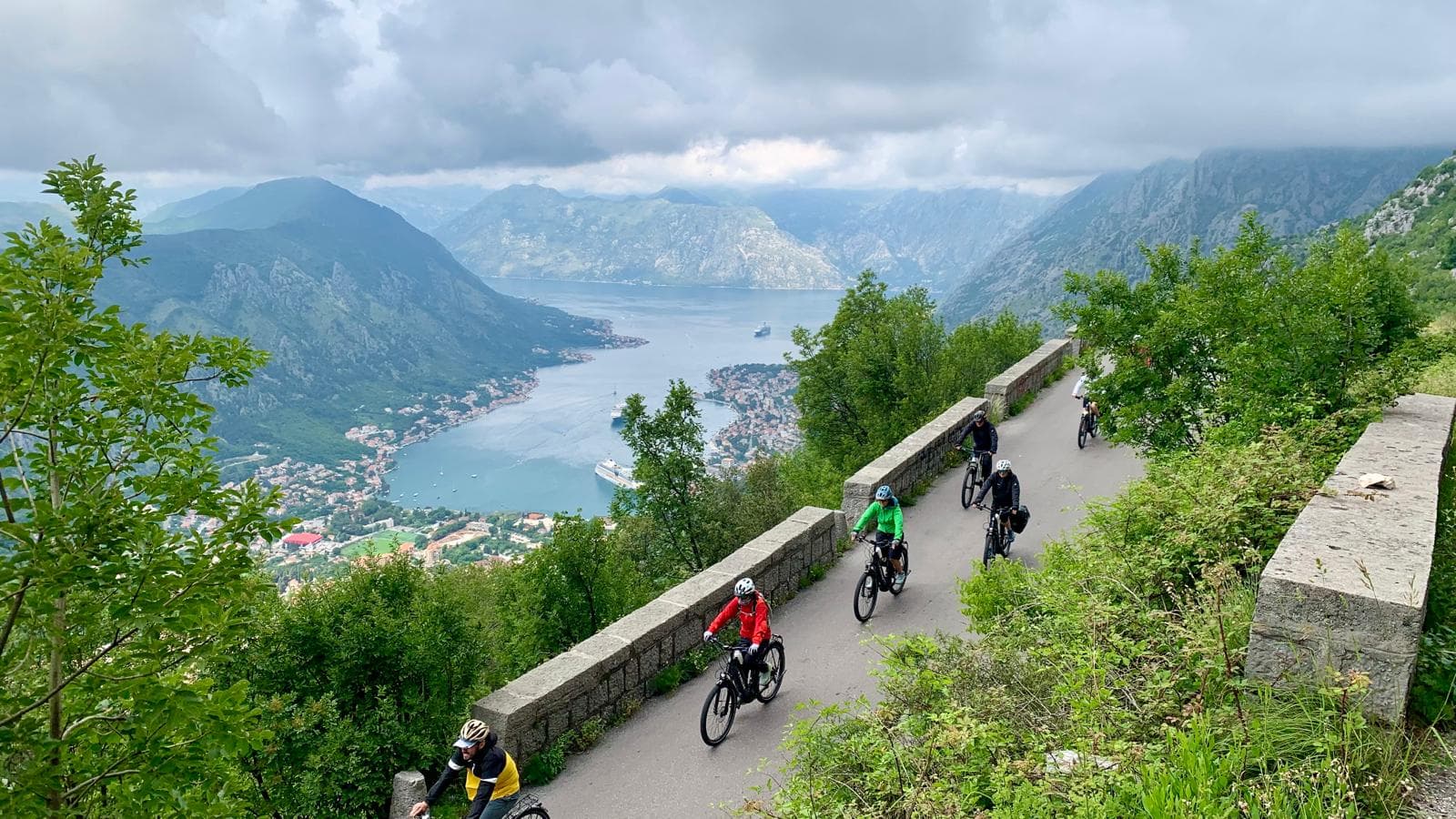
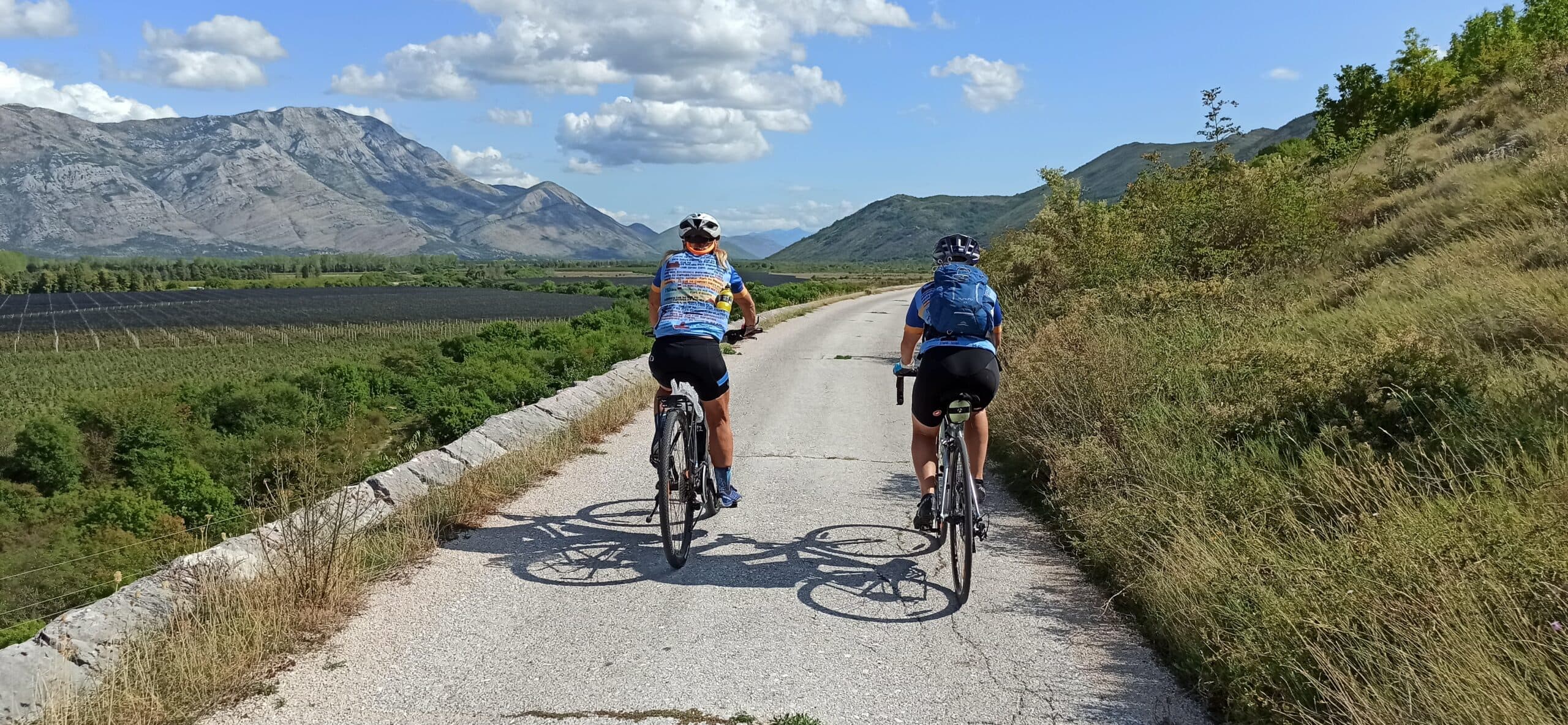
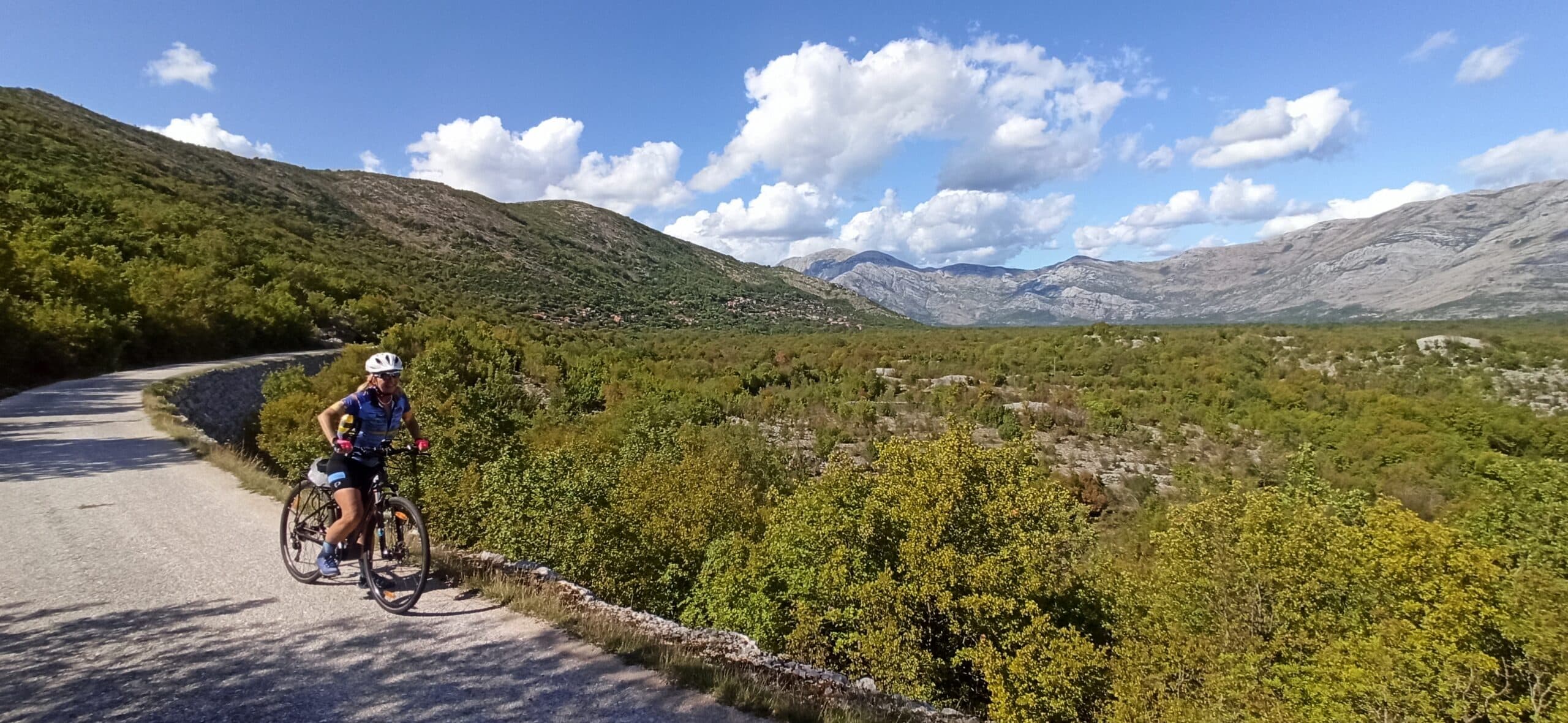
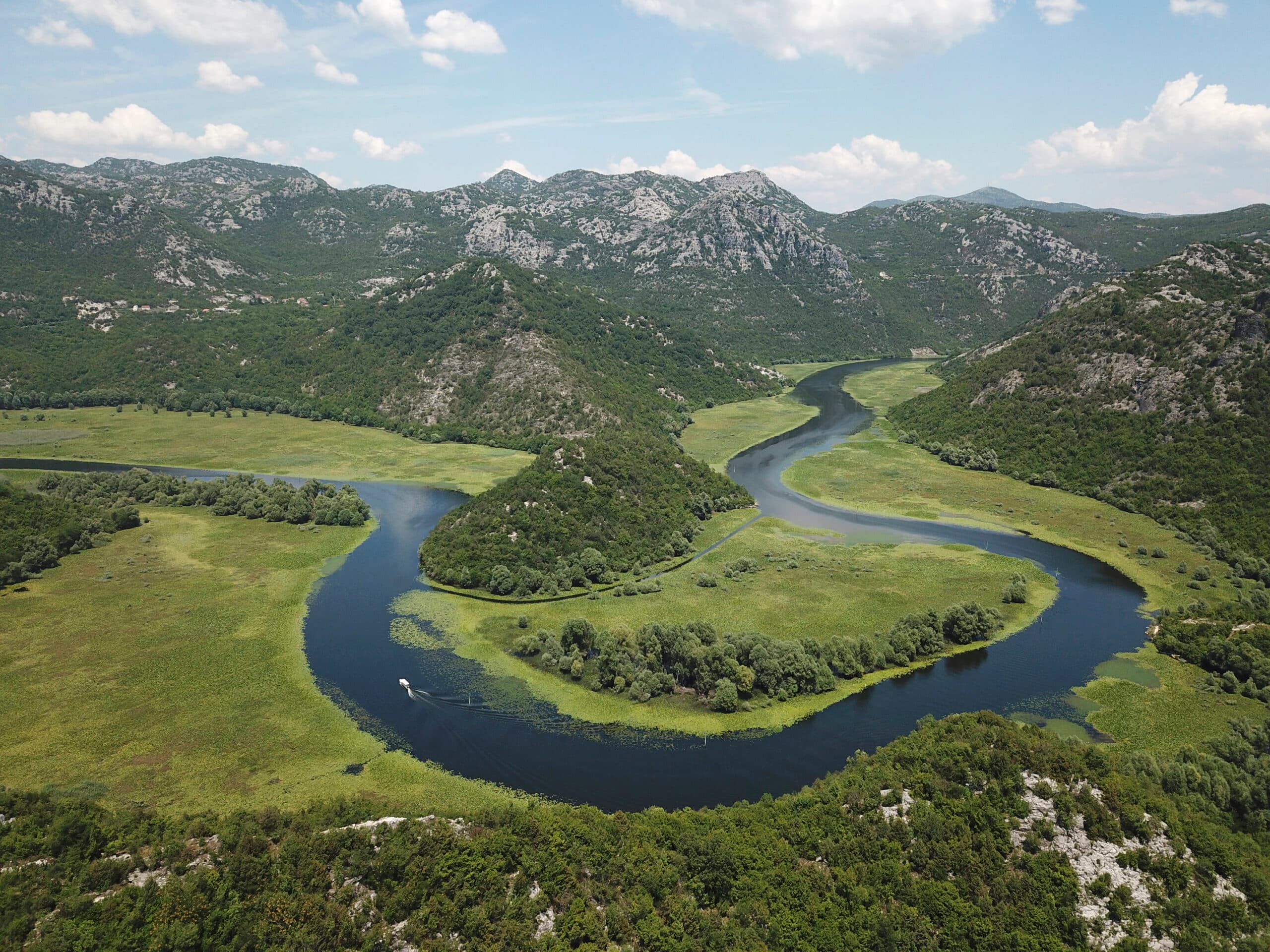
On two wheels, the Ćiro Trail is the known rail-trail: the historic Ćiro railway once linked Mostar to Trebinje in Bosnia and onward towards Dubrovnik and Herceg Novi. Cross-border cycling packages run the Mostar–Trebinje corridor. I couldn't verify a fully signed, continuous surfaced branch into Herceg Novi on the Montenegrin side today, so confirm that leg locally before you build a trip around it. Flatter riding around Lake Skadar is the easier alternative, and if you'd rather not fly with a bike, we sort bike rental here.
So, is Montenegro the best Balkan country to visit?
It's the compact adventure pick: sea, canyon and alps in one small country, cheaper than Croatia, with the trade-offs of thin public transport, one short motorway, and genuine summer crowding at Kotor and Budva. For scale, tourism ran to 2,606,854 arrivals and 15,594,299 overnights in 2024, with 96.1% of overnights by foreign visitors — top source markets being Serbia, Russia, Bosnia and Herzegovina, Turkey, Ukraine and Germany.
The bottom line: worth visiting, strongly, for hikers, cyclists and drivers who want density and value and will forgive rough edges. Skip it if you need slick transport and uncrowded August beaches. Base in the mountains — Žabljak, Kolašin, Plav — for the exceptional stuff, treat the coast as a bookend rather than the whole trip, and avoid Kotor old town on cruise-heavy days. If you'd rather someone who walks the routes handle the planning, that's what our tours are for.
Is Montenegro worth visiting?
Yes, especially if you want variety in a small area: you can go from the Adriatic coast to Europe's deepest canyon and 2,500 m peaks within a two-to-three-hour drive. It's less suited to travellers who need seamless public transport or uncrowded August beaches.
Is Montenegro cheaper than Croatia?
Yes. Indicatively, a mid-range daily budget of €80–120 in Montenegro does the work of roughly €85–150 in Croatia, with restaurant meals and beer noticeably cheaper. The gap narrows on the coast during peak season.
When does Montenegro get too crowded?
July and August on the coast. Kotor can receive up to 10,000 cruise passengers in a single day, and Budva is at its busiest exactly when most visitors arrive. Shoulder season or a mountain base avoids the worst of it.
How long does it take to drive from the coast to the mountains?
Kotor to Žabljak, the Durmitor and Tara gateway, is about 160 km and roughly 2 hours 38 minutes. Most driving is on two-lane mountain roads, so don't assume motorway speeds.
Do I need a permit to hike the Peaks of the Balkans?
Yes. The full circuit needs three cross-border permits, one per crossing into Albania or Kosovo. Montenegro charges €6 per application plus €3 per person per crossing, you must report in person to the border police in Plav, and dates are fixed with no exceptions — so plan ahead or use a local operator.
Is public transport good in Montenegro?
On the coast it's workable, but it thins out fast in the mountains. The Kotor–Žabljak bus runs roughly once a day and takes about 3.5 hours, and northeastern towns are largely cash-only. A hire car is far more practical for the interior.
Written by
Borislav Jablan
Quality and guest communication, 3E Travel
Borislav looks after quality assurance and guest communication at 3E Travel in Podgorica, and is the person guests most often deal with directly. The team walks or rides every route before recommending it — usually in more than one season.