


Montenegro
8 days · Hiking
From the Bay of Kotor to Lake Skadar – Historical trade and military trails
▲▲▲▲▲Moderate
Walking · Hiking · Cycling · Montenegro
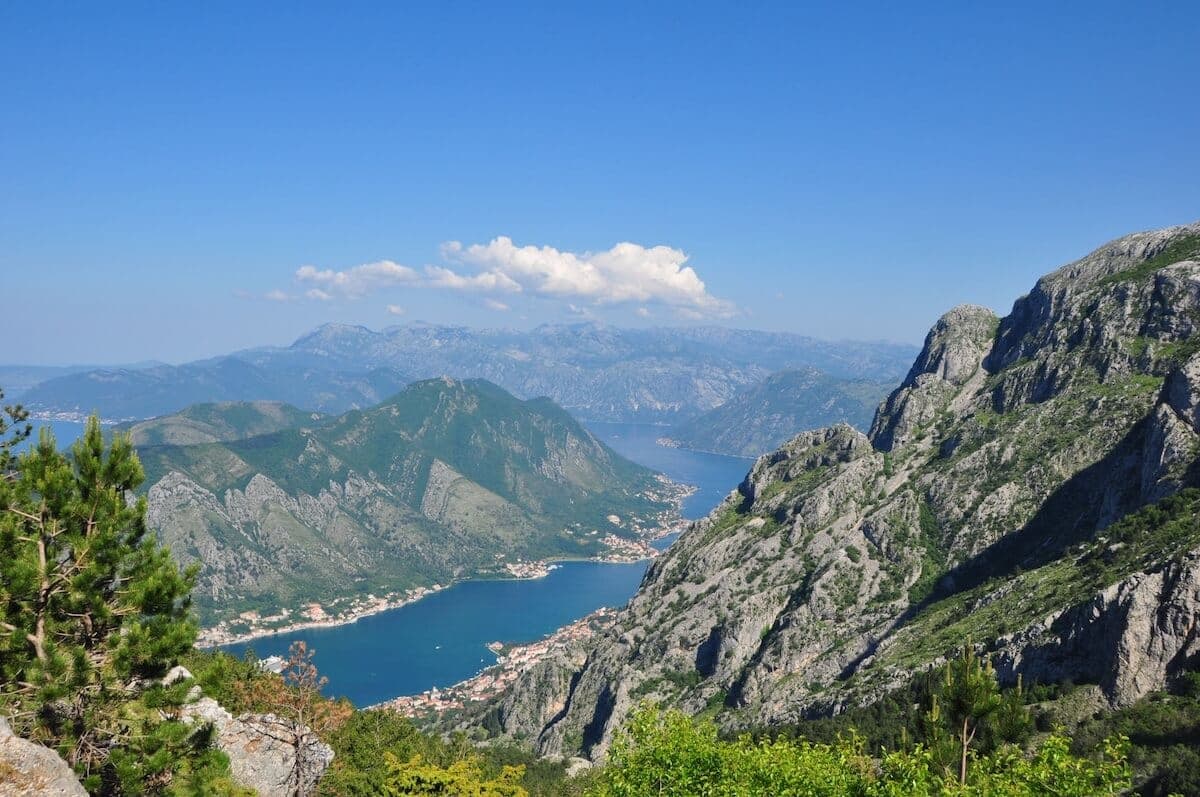
Walking, hiking and cycling holidays in Herceg Novi, self-guided or with a local guide. Herceg Novi sits at the western entrance to the Bay of Kotor, at the foot of Mount Orjen, and claims more than 200 sunny days a year. It is a stepped town of fortresses, staircases and a Serbian Orthodox monastery, with a limestone range rising to 1,894 m directly behind it. Dubrovnik Airport lies 10 km away. The mix of sea-level walls and a nearby 4–5 hour peak ascent makes it a base for both town walking and mountain days.
Why Herceg Novi
We've spent years walking, hiking and cycling across Herceg Novi in every season. The trips below are built around the routes that work — the quiet ones, the beautiful ones, the ones with great food at the end of the day.
If none of them quite fit, get in touch. We'll happily build you a private version, shaped around your interests, fitness and pace.
How we travel here
Walking
Coastal trails, village paths and slow days on foot, with time to stop.
Hiking
Mountain trails, hut-to-hut days and summit walks, graded honestly.
Cycling
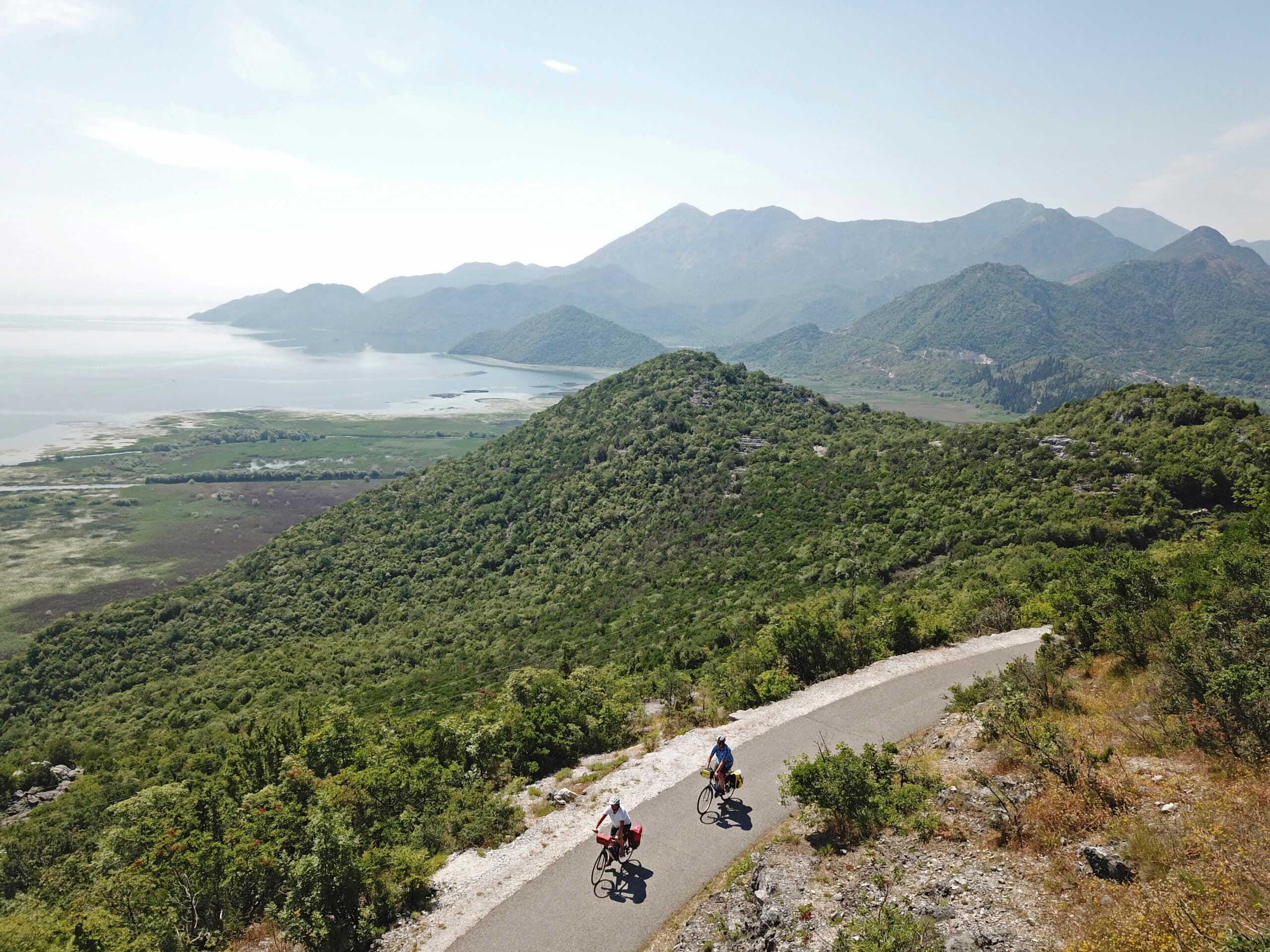
Quiet back roads and gravel routes — road, gravel and e-bike, with luggage moved between stays.
Travel guide
Herceg Novi is a town and municipality on Montenegro's coast, not a national park. It was founded as a fortress in 1382 by the Bosnian King Tvrtko I Kotromanić and named after Saint Stephen; Italian sources call it Castelnuovo. The municipality covers 235 km² with density around 140/km², and the 2011 census recorded 30,864 people in the municipality and 19,536 in the urban area, third-largest in Montenegro. The town centre sits at roughly 42°27′N 18°31′E, at the foot of Mount Orjen, whose highest peak, Zubački (Veliki) Kabao, reaches 1,894 m with 1,031 m prominence. Founded to compete with Dubrovnik in the salt trade, the town changed hands repeatedly: Ottoman rule for roughly two centuries to 1687, then Venetians to 1797, followed by Austrians, Russians and French to 1814. That sequence left fortresses, a Venetian quarantine hospital and Orthodox and Catholic churches within a short walk of one another.
Goris · CC0 · Wikimedia Commons
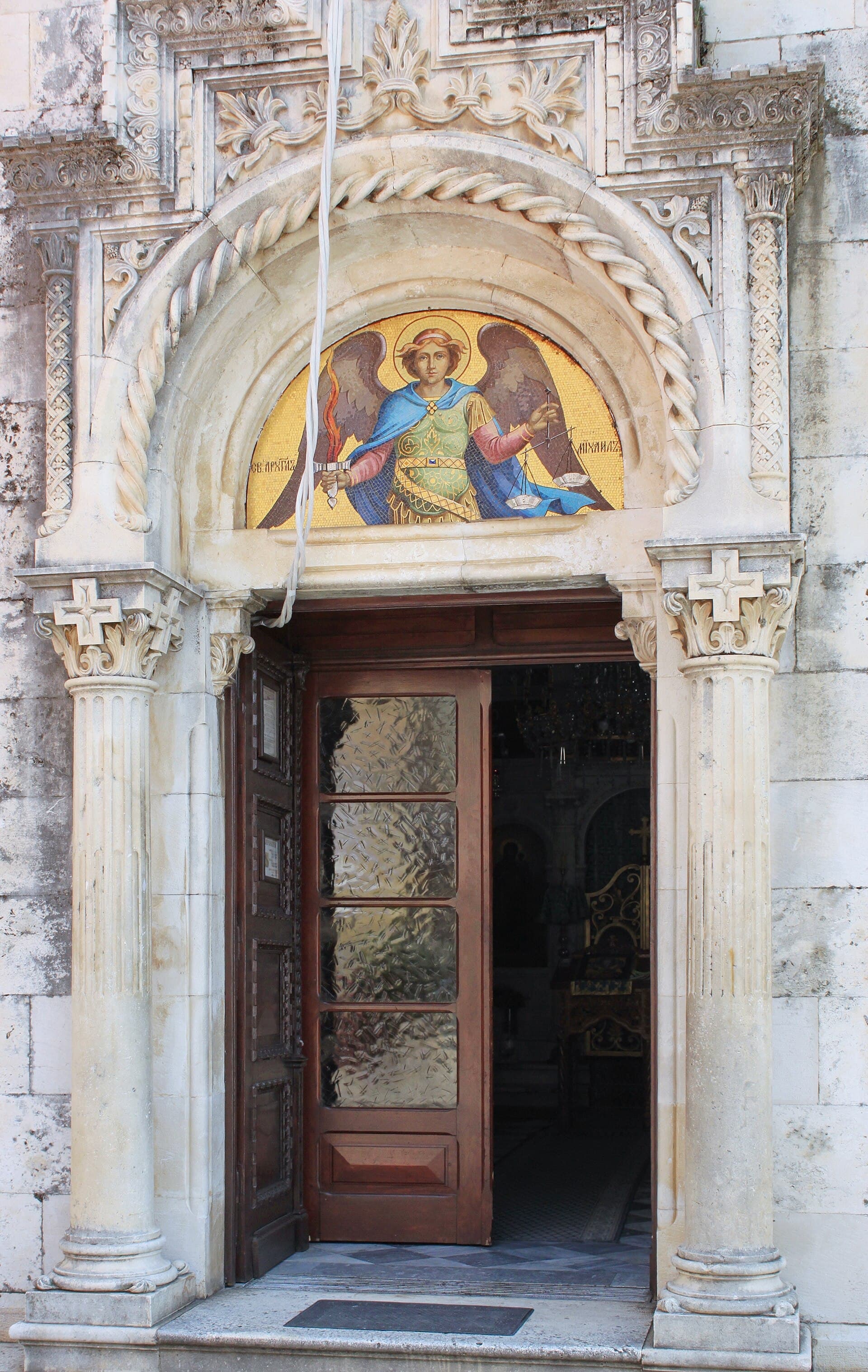
The old town is built around fortifications from four periods of rule. Kanli Kula, the "bloody tower", was built by the Ottomans in 1539 and repaired and extended by the Venetians in 1687; it stands 85 m above sea level and now serves as an open-air amphitheatre. Forte Mare sits at the water's edge; a €4 ticket to one of the two gives a 50% discount on the other. Higher up at 170 m is Španjola fortress, dating to the 16th century, with free entry. Savina Monastery, a Serbian Orthodox complex of three churches, was established in the 15th century and founded by Stjepan Vukčić Kosača, Duke of Saint Sava (r. 1448–1466); its small Church of the Assumption is 10 m high and 6 m wide, with foundations dated to 1030. At Meljine, the Lazaret is a Venetian quarantine hospital built in 1732.
Marcin Konsek · CC BY-SA 4.0 · Wikimedia Commons
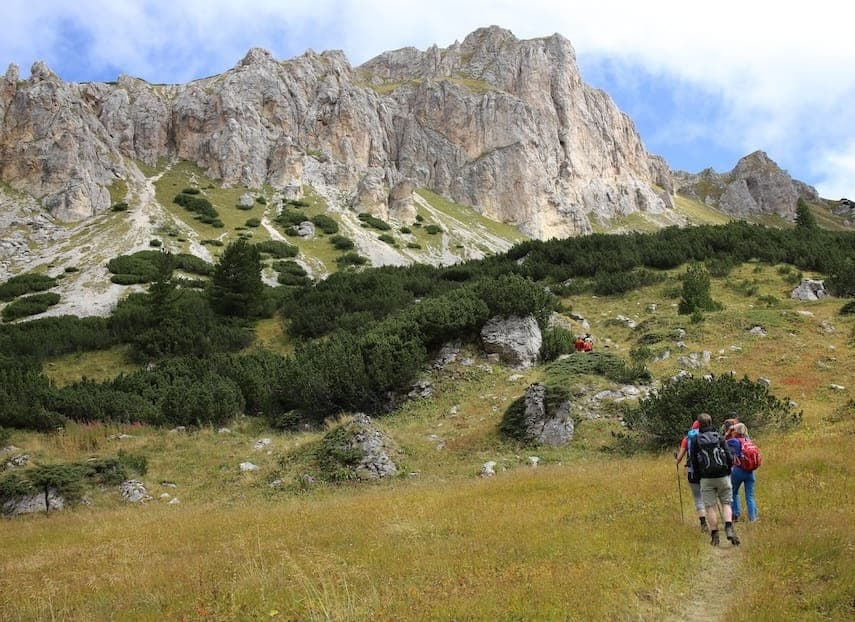
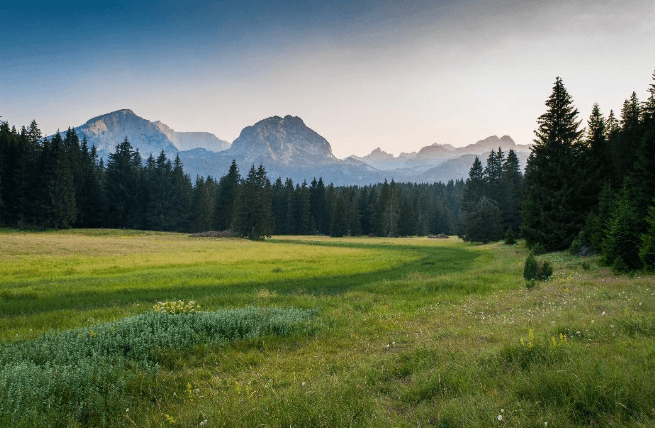
Two very different days are possible from one base. In town, the pull is vertical: staircases link the seafront at Forte Mare to Kanli Kula at 85 m and Španjola at 170 m, a short but steep circuit through the walls. For a full mountain day, Mount Orjen rises behind the coast in the transboundary Dinaric range shared with Bosnia and Herzegovina. The nearest ascent to the summit of Zubački Kabao (1,894 m) starts from the village of Vrbanj at around 1,000 m; the climb takes roughly 4–5 hours, with a similar time for the descent. Orjen is glaciokarst on Cretaceous limestone, so expect exposed rock, few water sources and slow going underfoot.
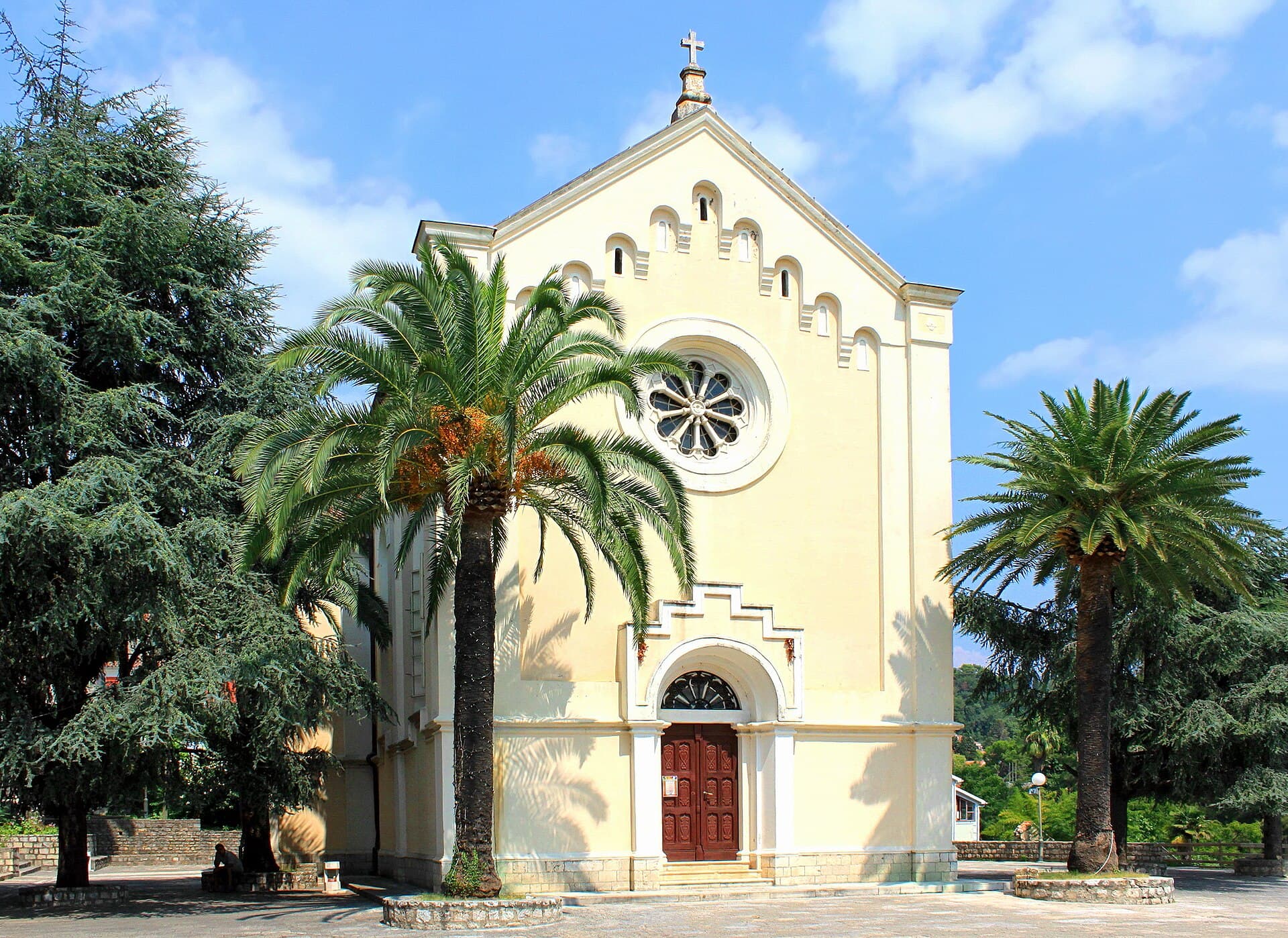
Marcin Konsek · CC BY-SA 4.0 · Wikimedia Commons
The nearest major airport is Dubrovnik (DBV), 10 km from the centre; the drive is about 18 miles and 33 minutes, or around 44 minutes with border transfers. Tivat Airport (TIV) is 45 km away and Podgorica (TGD) is 129 km. By road from the Croatian border, the coast route via the E65 reaches Kotor in about an hour over 52 km. Kotor to Herceg Novi is 24 miles, roughly 1 hour 2 minutes by car; direct buses average 56 minutes, fastest 44. Tivat to Herceg Novi by bus takes about 41 minutes for around €5. The town is served by a Central Bus Station with direct services along the bay. Within the old town, movement is on foot up flights of steps between the seafront and the upper fortresses.
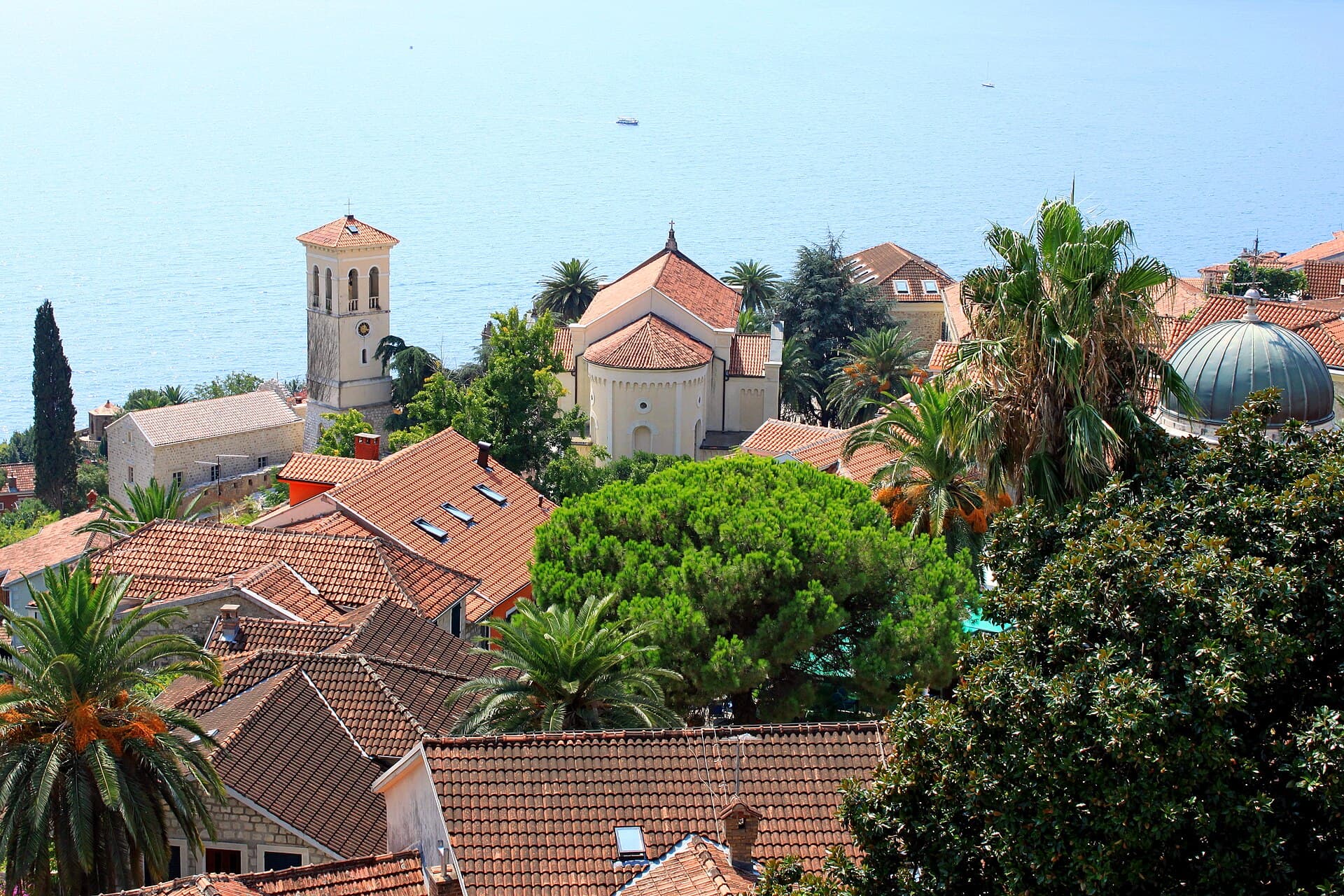
Marcin Konsek · CC BY-SA 4.0 · Wikimedia Commons
Fortress fees are modest: €4 for a ticket to either Forte Mare or Kanli Kula, and holding one entitles you to a 50% discount on the other. Španjola is free. No consolidated 2026 fee schedule or fixed opening season was published beyond these figures, so confirm current hours before visiting. The climate favours a long season: the town averages more than 200 sunny days a year and 10.7 sunny hours per day in July and August, with total annual sunshine estimated at around 2,435–2,440 hours and average annual air temperature of 16.2 °C. For Orjen days, spring and autumn suit the 4–5 hour ascent better than peak summer heat.
Our journeys
21 journeys planned by our team in Podgorica — from gentle coastal weeks to high-mountain crossings.
Build your own trip →8 days · Hiking
7 days · Hiking
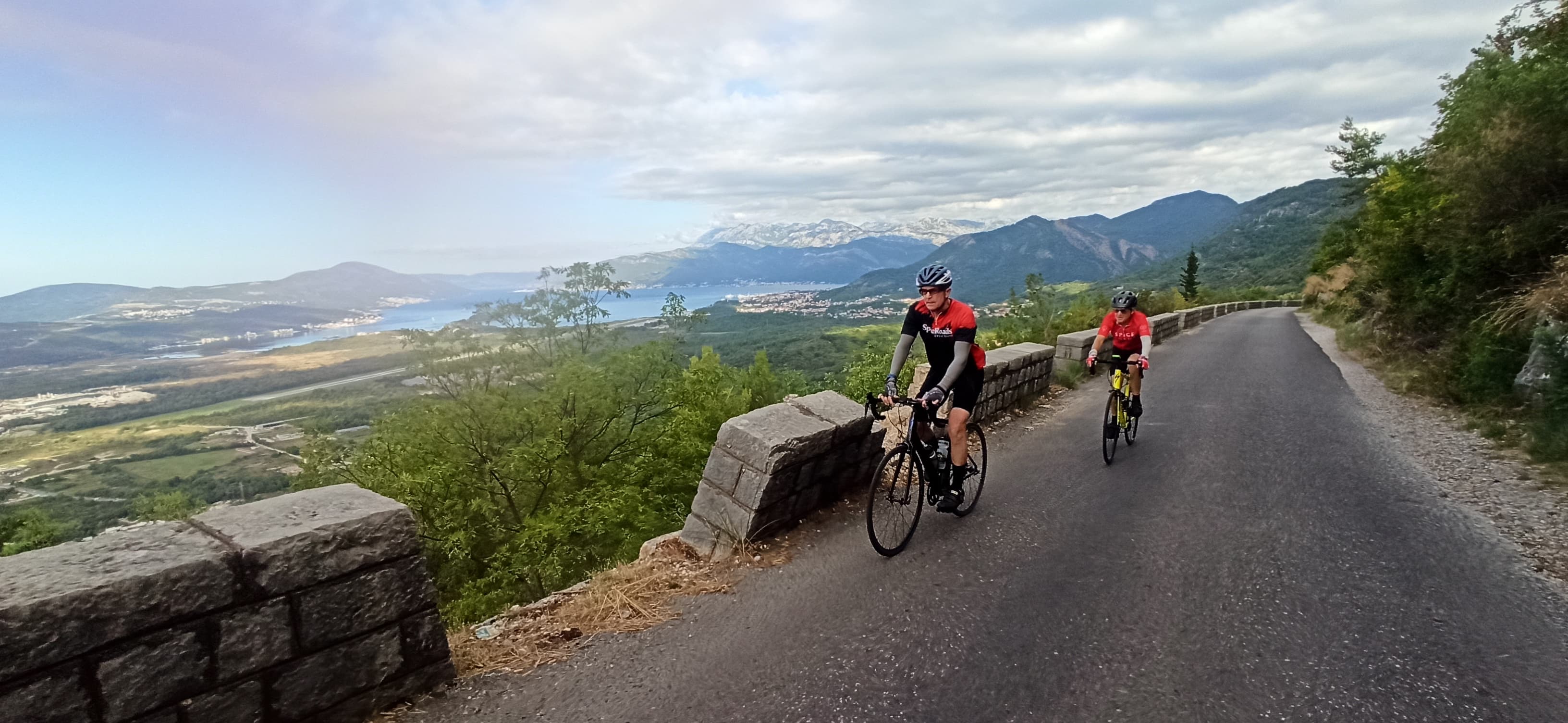
8 days · Cycling
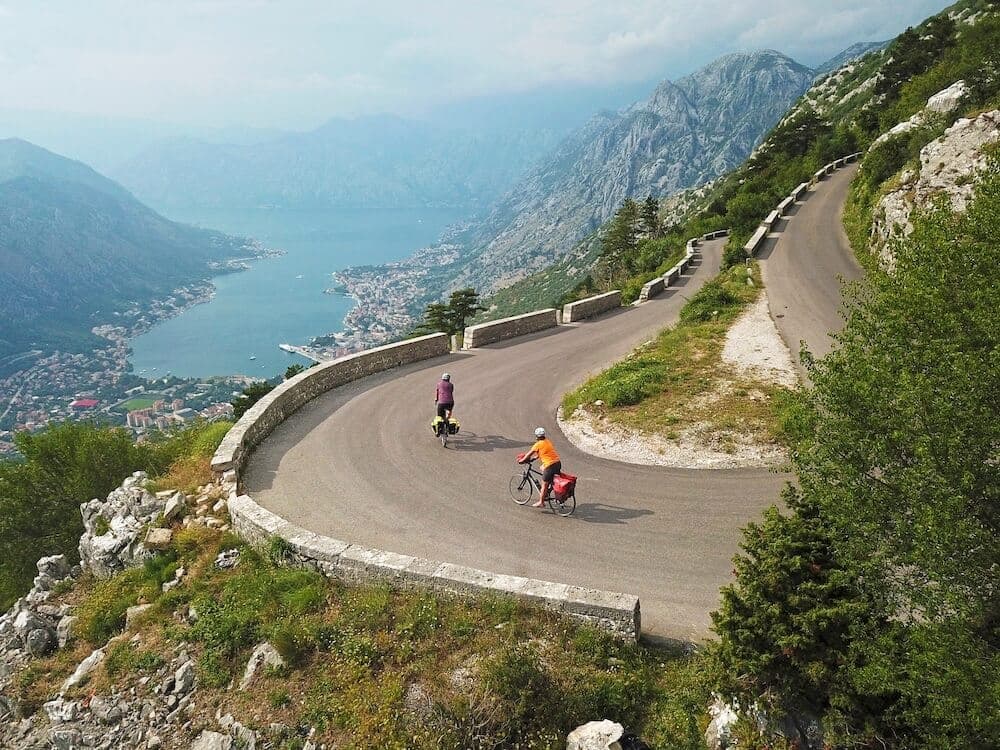
7 days · Cycling
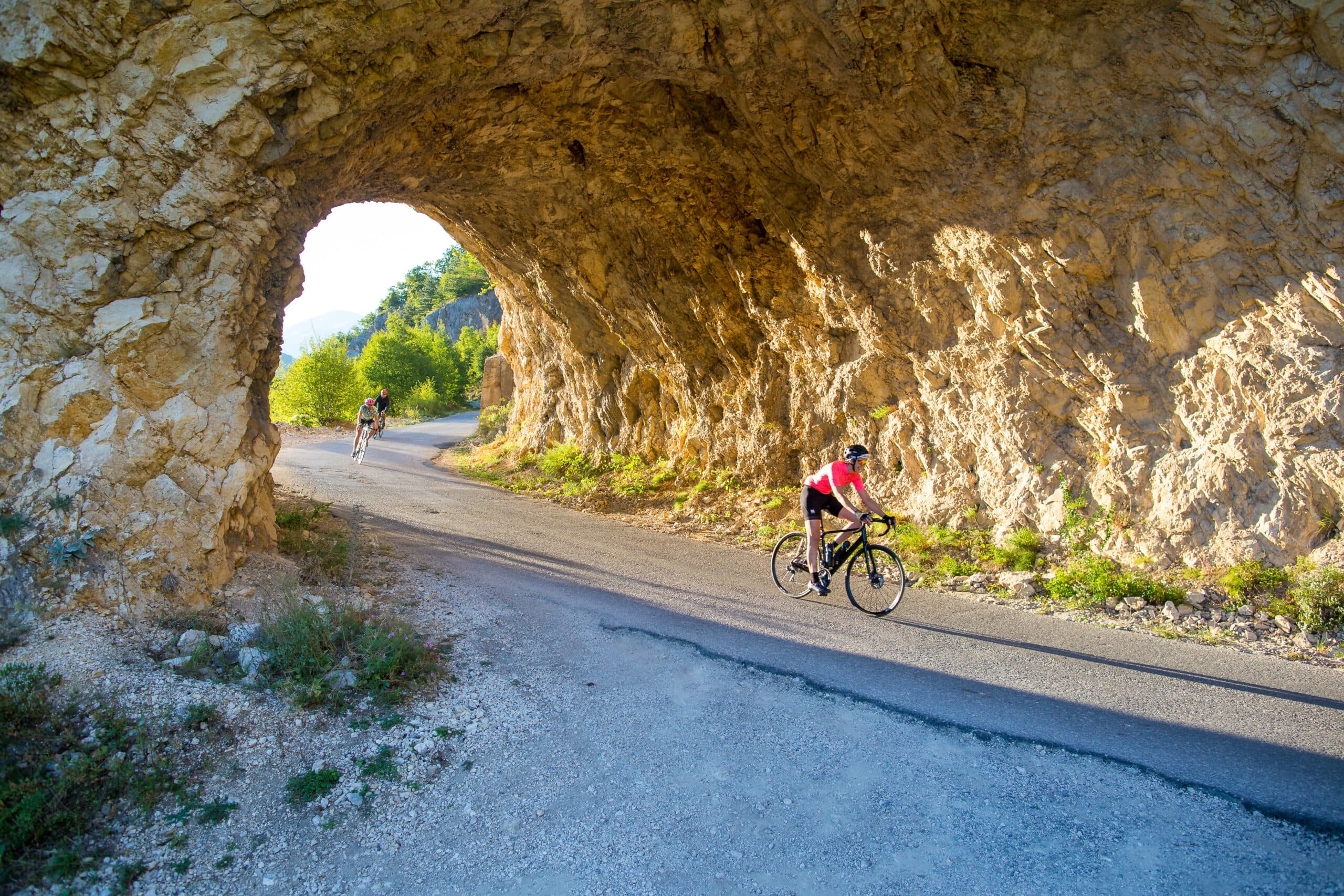
8 days · Cycling
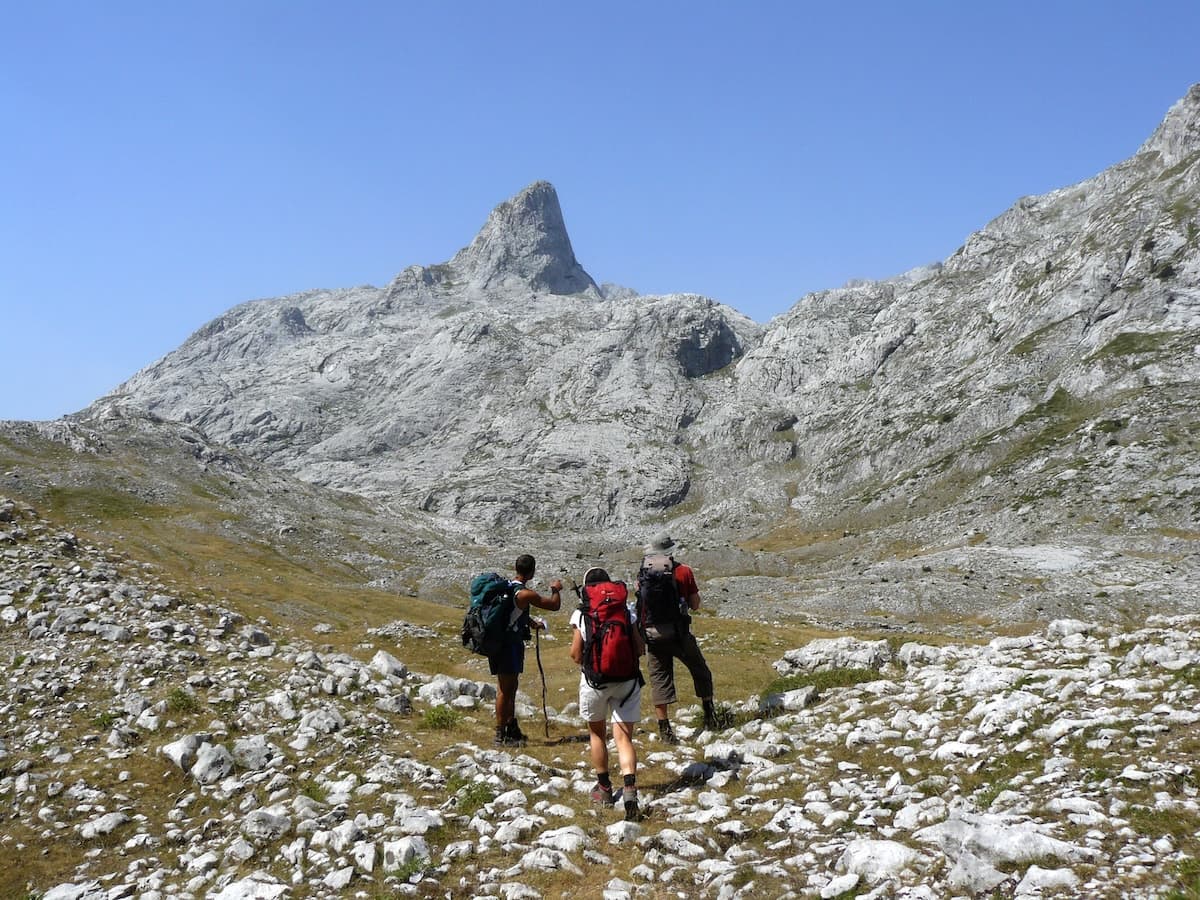
8 days · Hiking
8 days · Cycling
7 days · Cycling
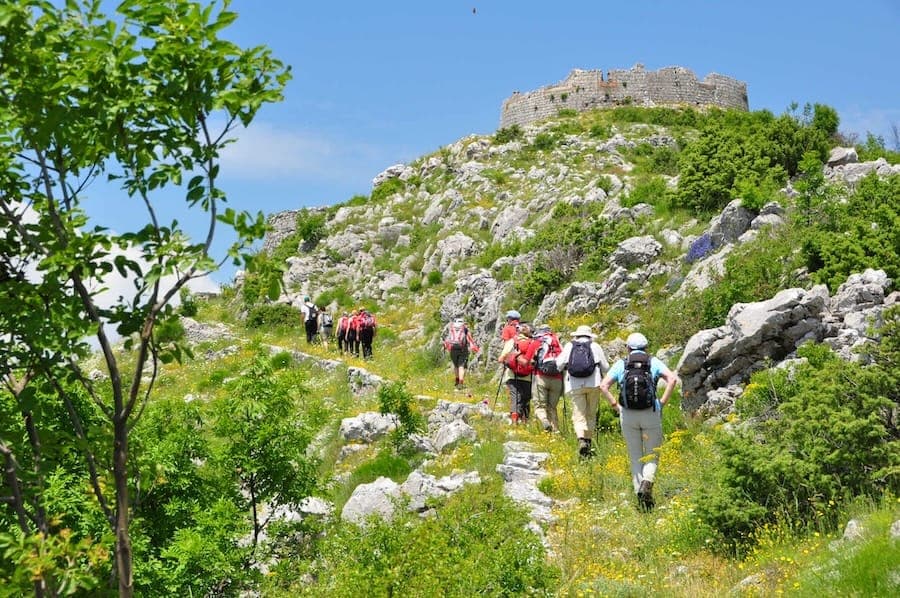
7 days · Hiking
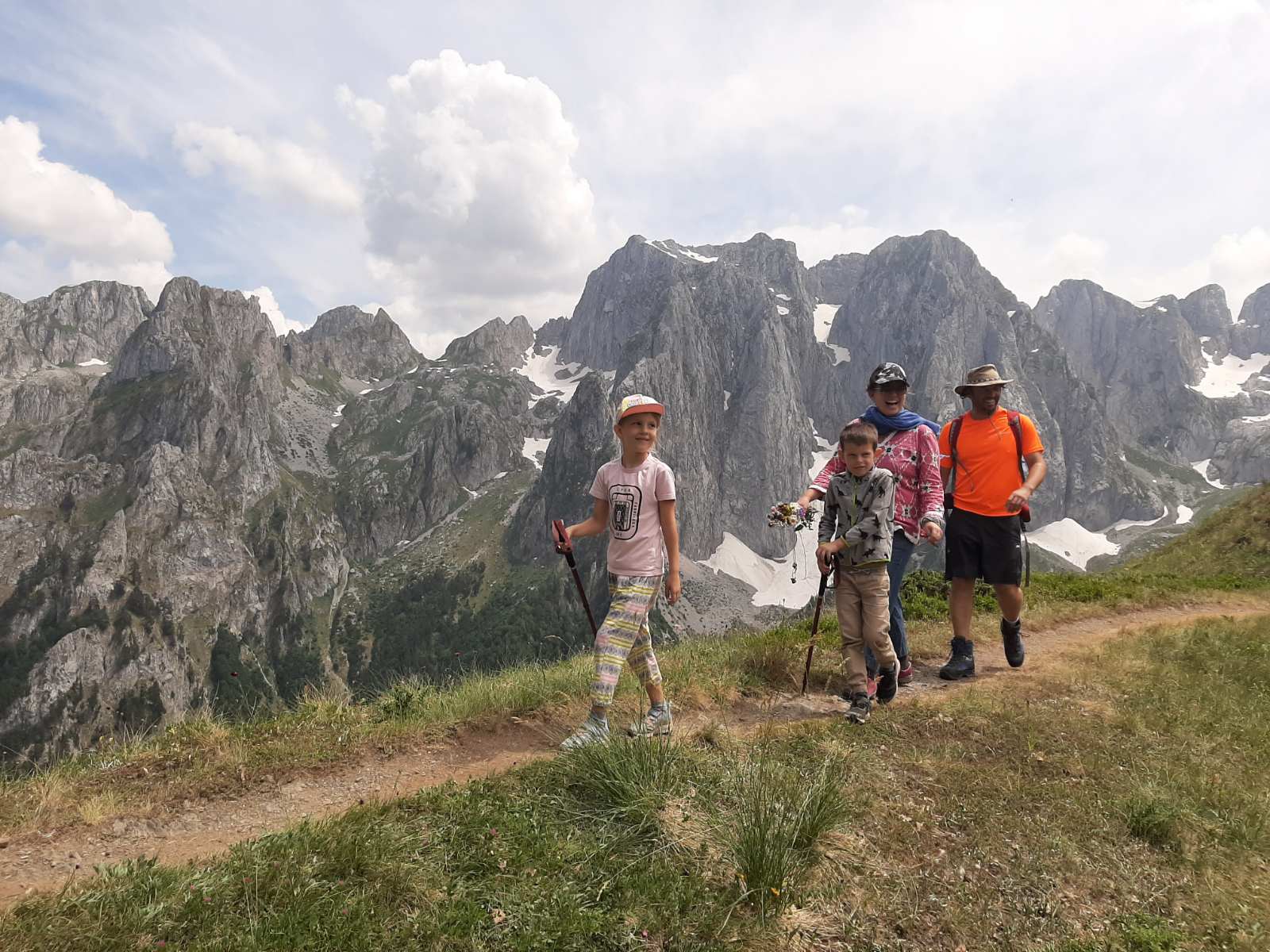
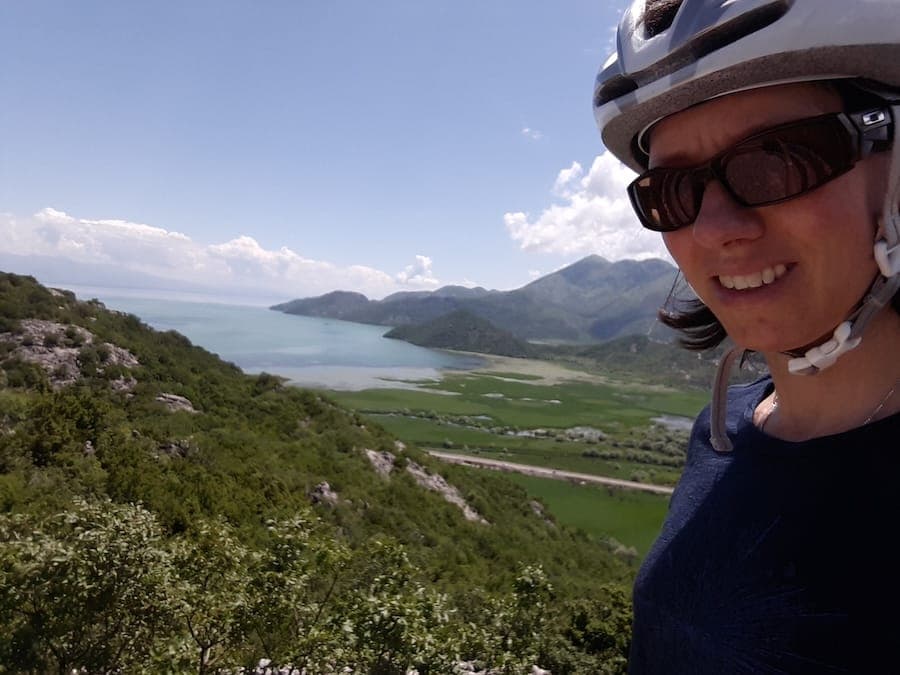
1 day · Cycling
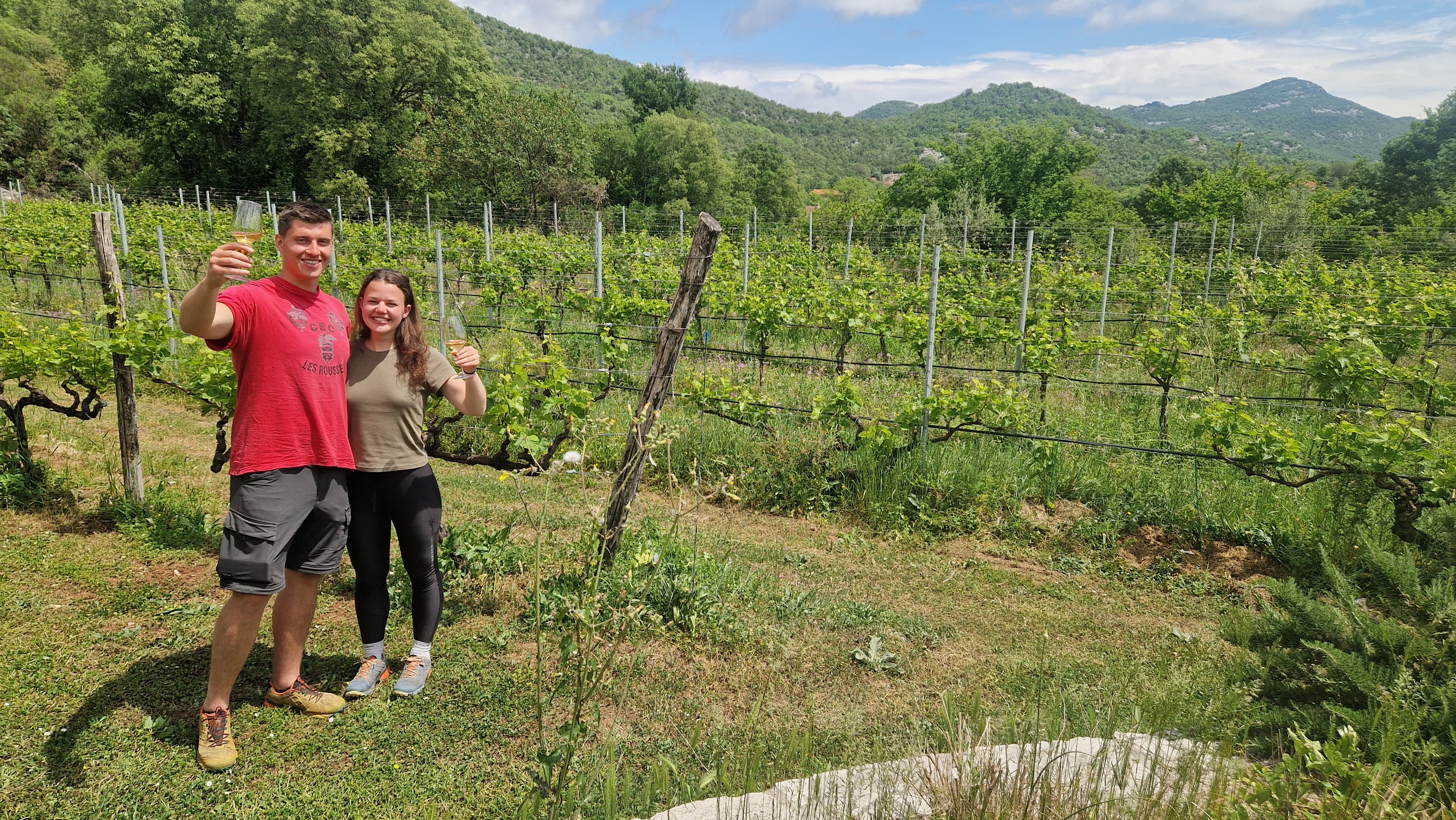
1 day · Cycling
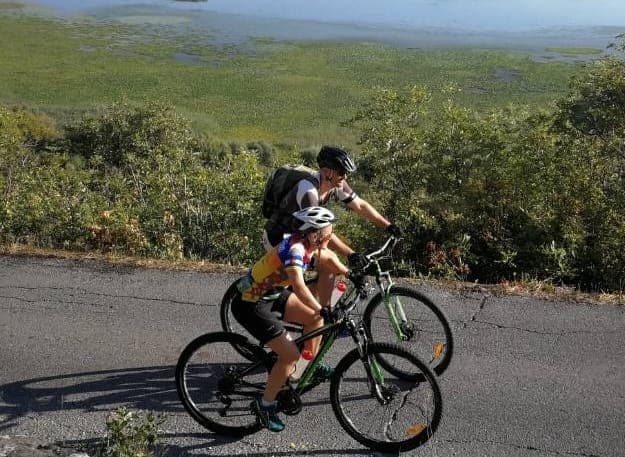
1 day · Cycling
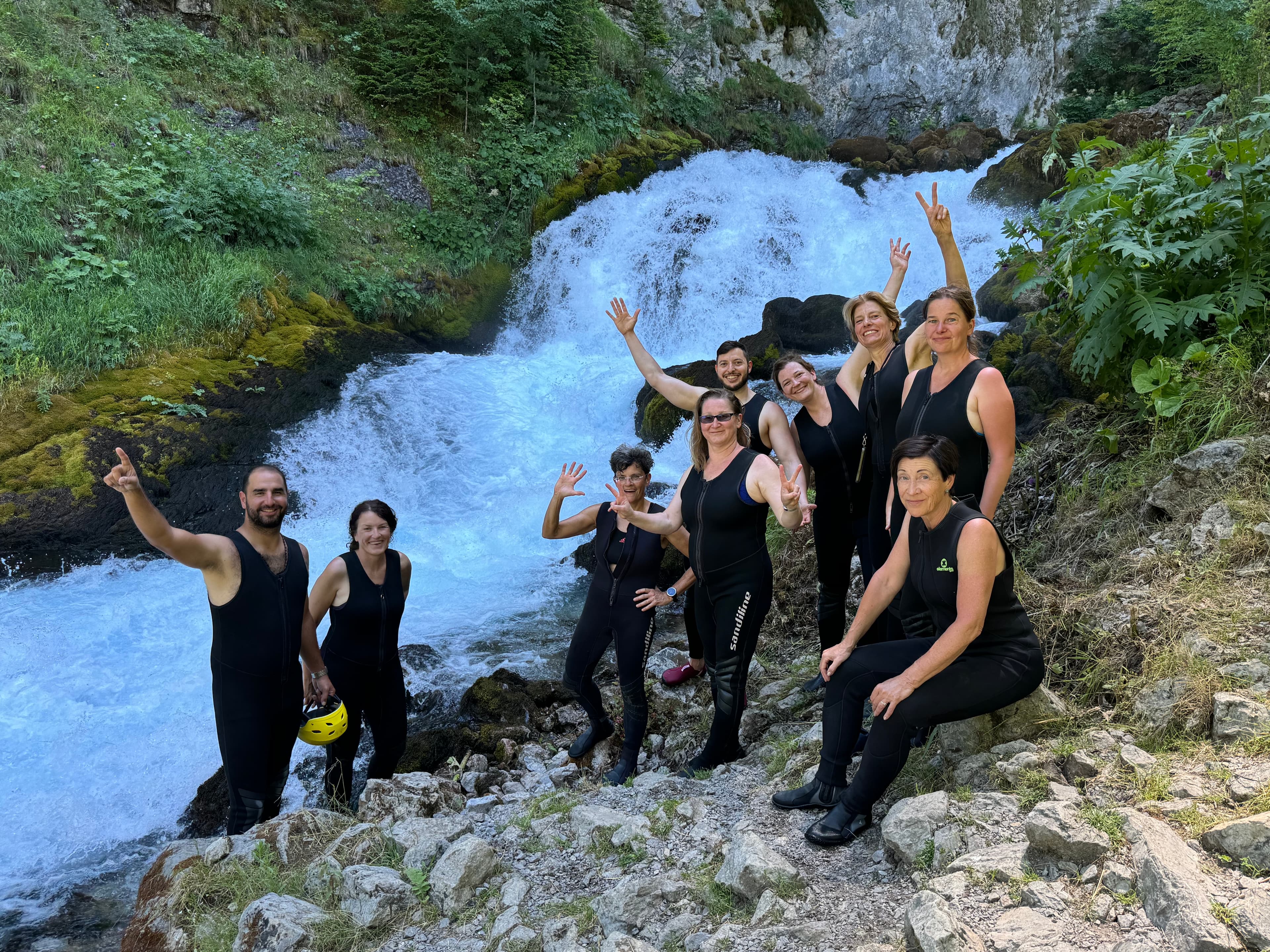
9 days · Cycling
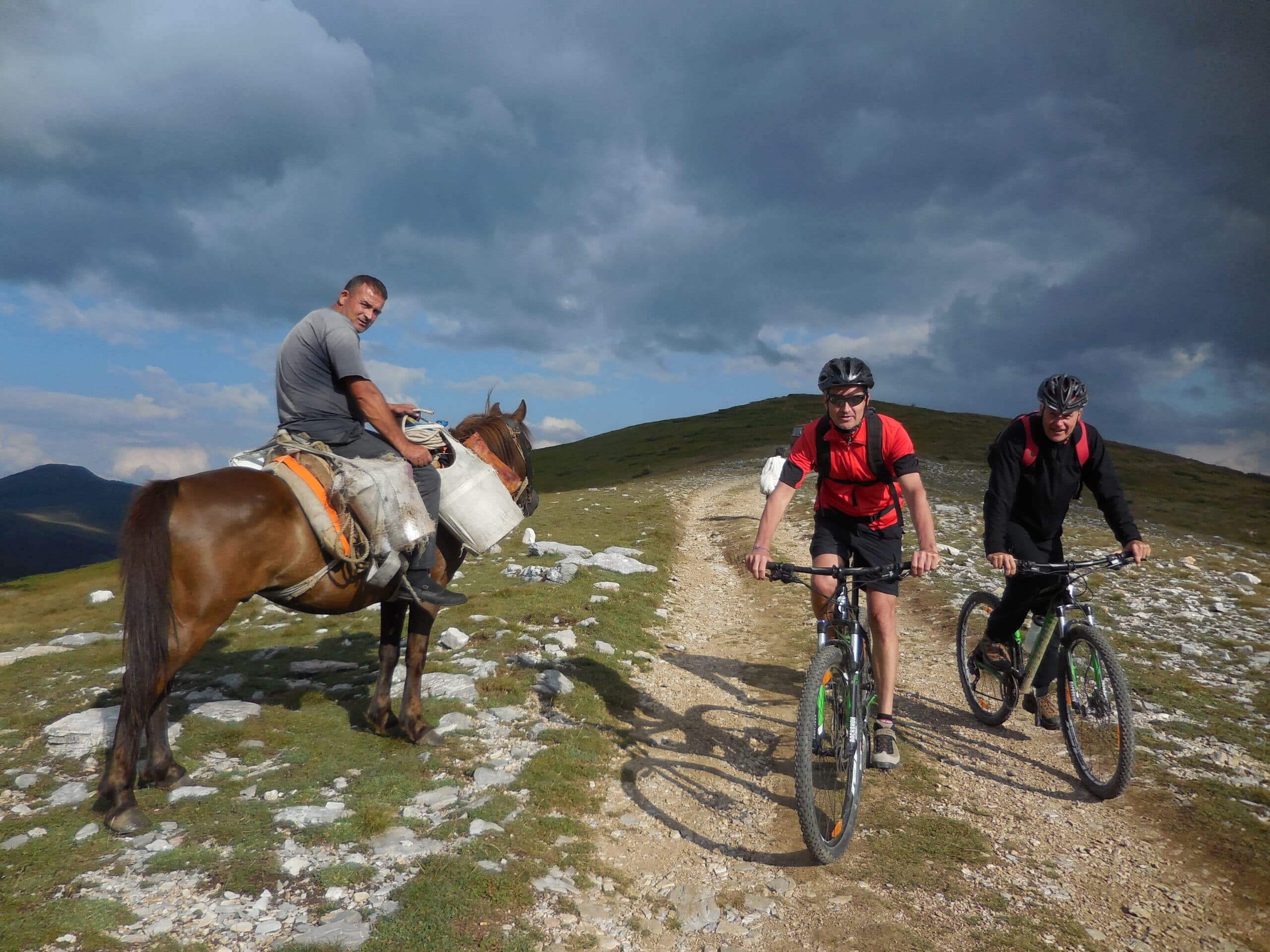
8 days · Cycling
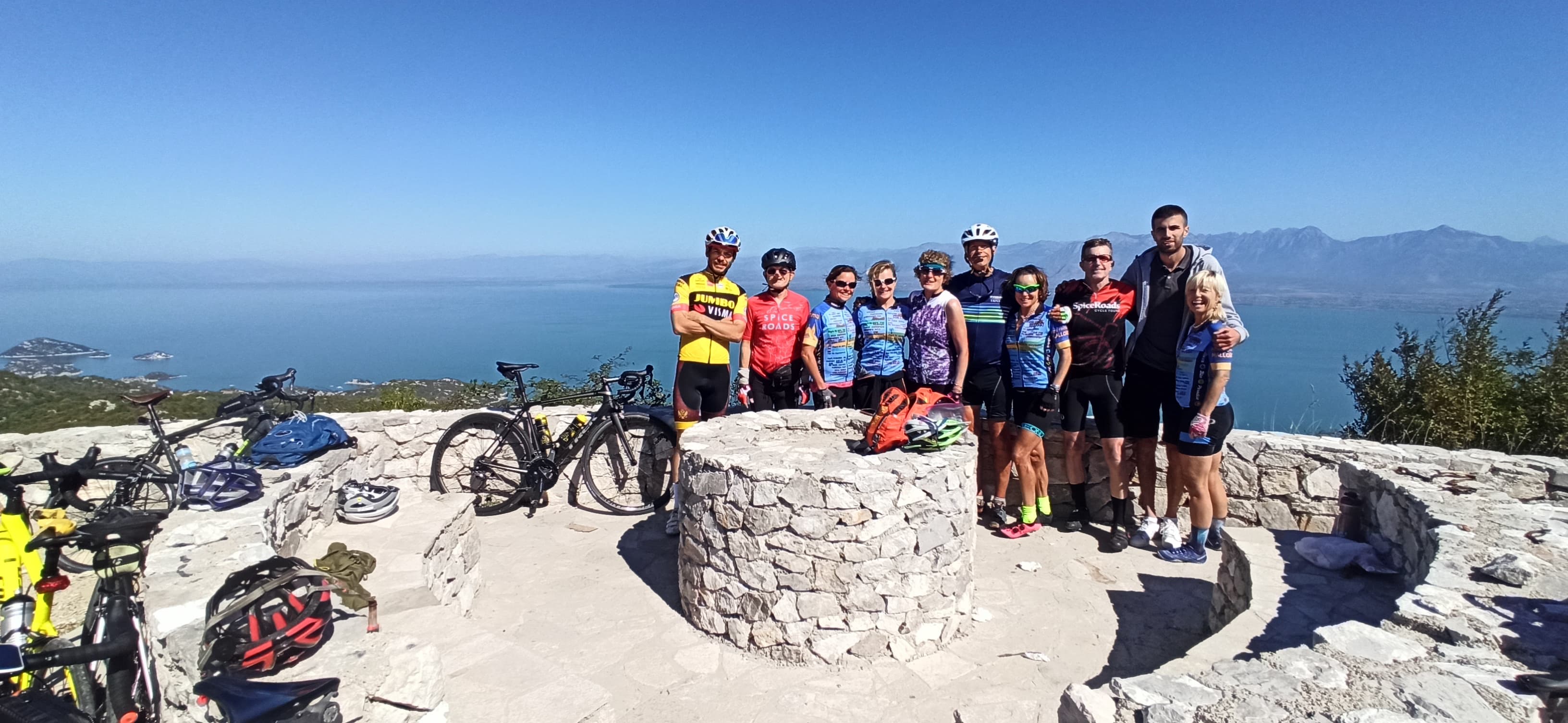
7 days · Cycling
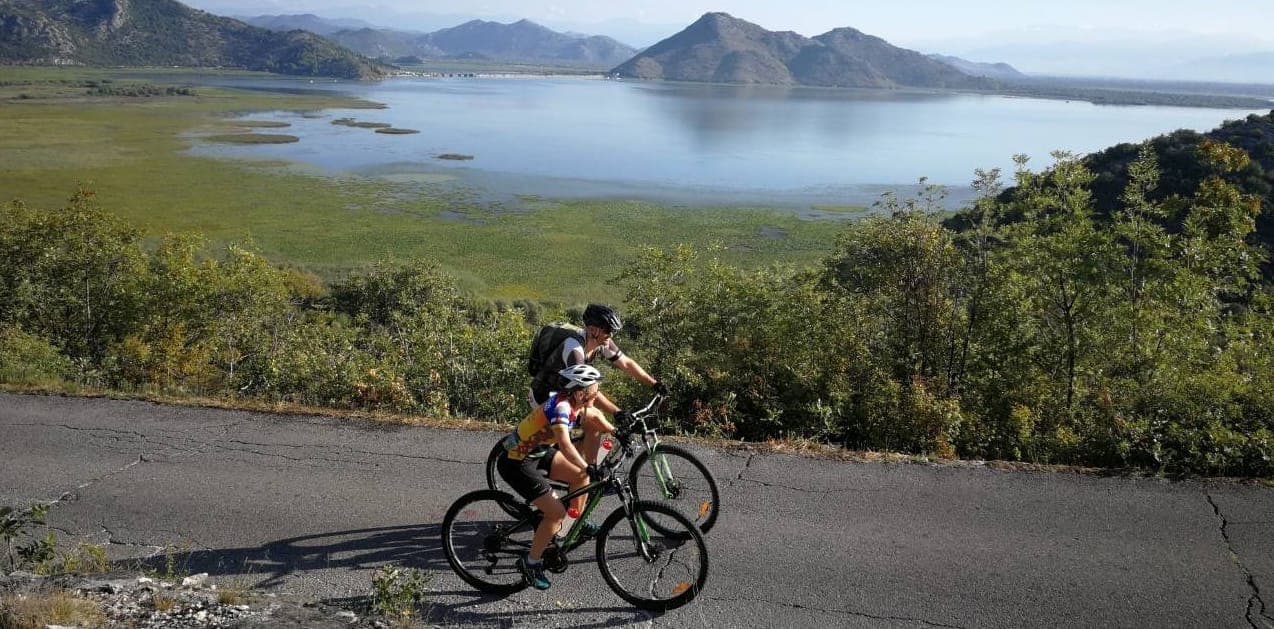
7 days · Cycling
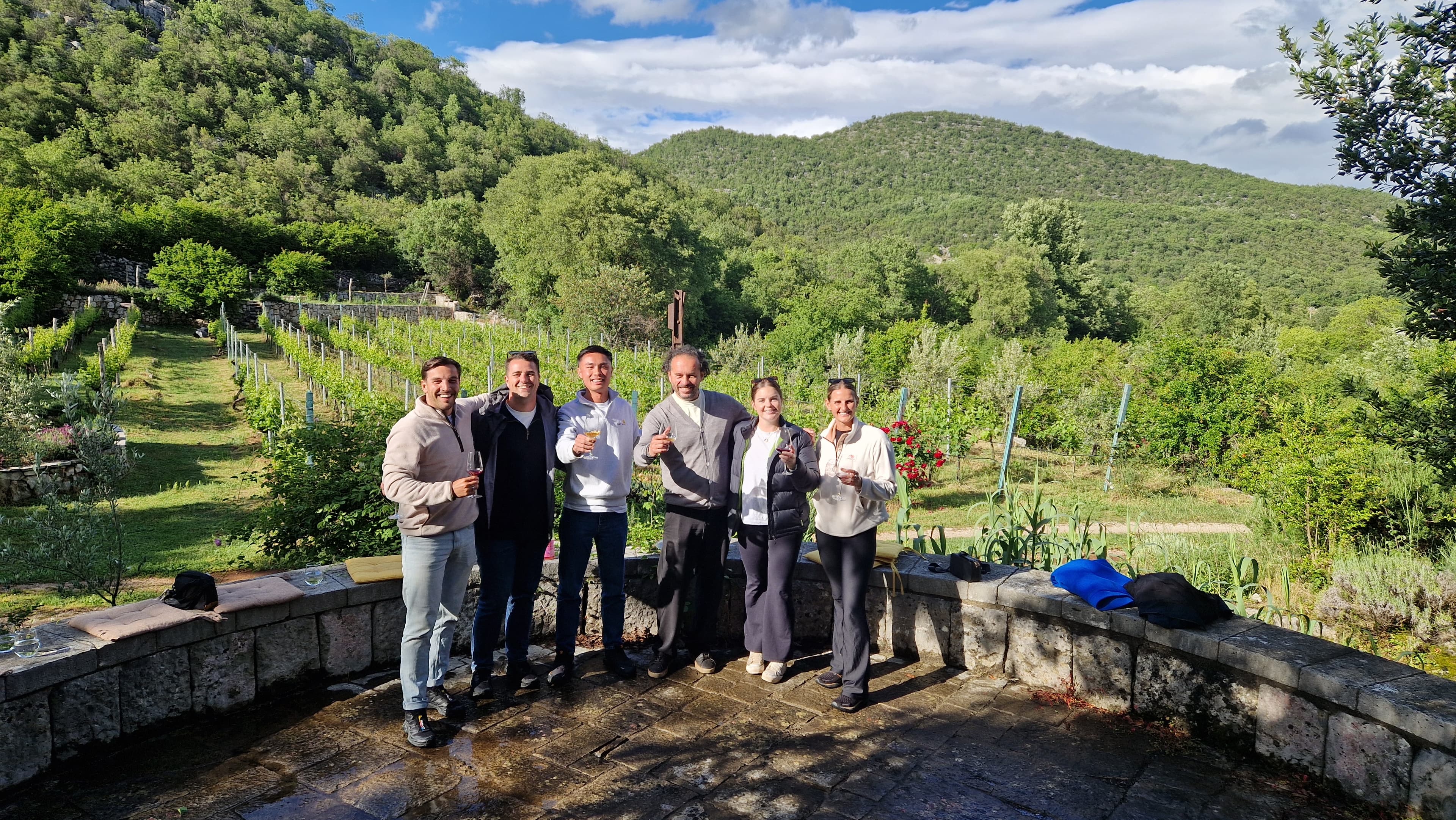
1 day · Multi-activity
from € 160,- / per person
Meet your guides
We live in Herceg Novi. We walk these trails, ride these roads and eat in these konobas every week. When you book with us, you’ll usually speak directly to one of the people who’ll be guiding you.
Meet the whole team →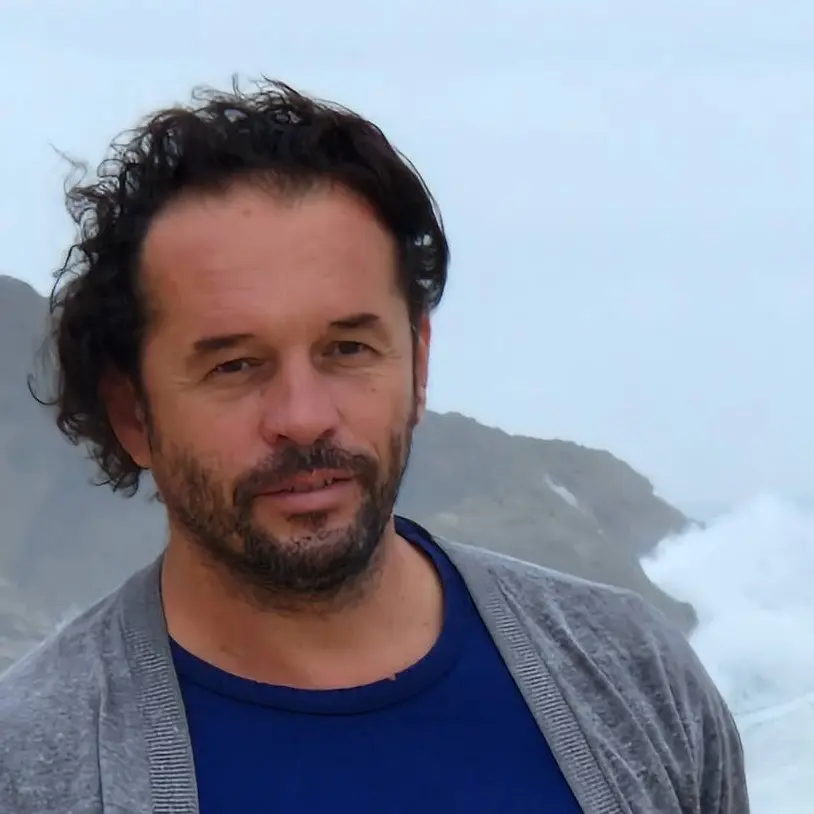
Management
Quality assurance, sales and communication.

Management
Product development, sustainability and marketing.

Tour operations manager
Backoffice — keeps every trip running smoothly on the ground.

Reservations & group tour operations
Backoffice — bookings, group logistics and guest care.
Tell us roughly when, who's travelling and what kind of pace you like. We'll send back a draft itinerary within 1–2 days, no payment until you're happy with the plan.
Plan your trip