

Cycling
Ciro Trail Cycling Guide: Mostar to Dubrovnik on the Old Railway
ByThe 3E Travel team · · 7 min read
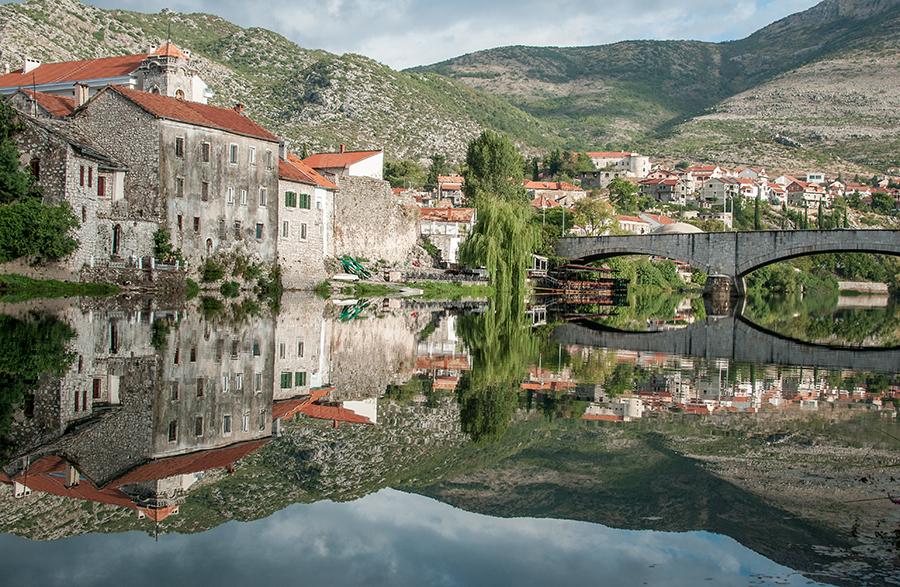
The Ćiro Trail follows an old narrow-gauge railway from Mostar to Dubrovnik. Distances, tunnels, surfaces, the Montenegro branch and when to go.
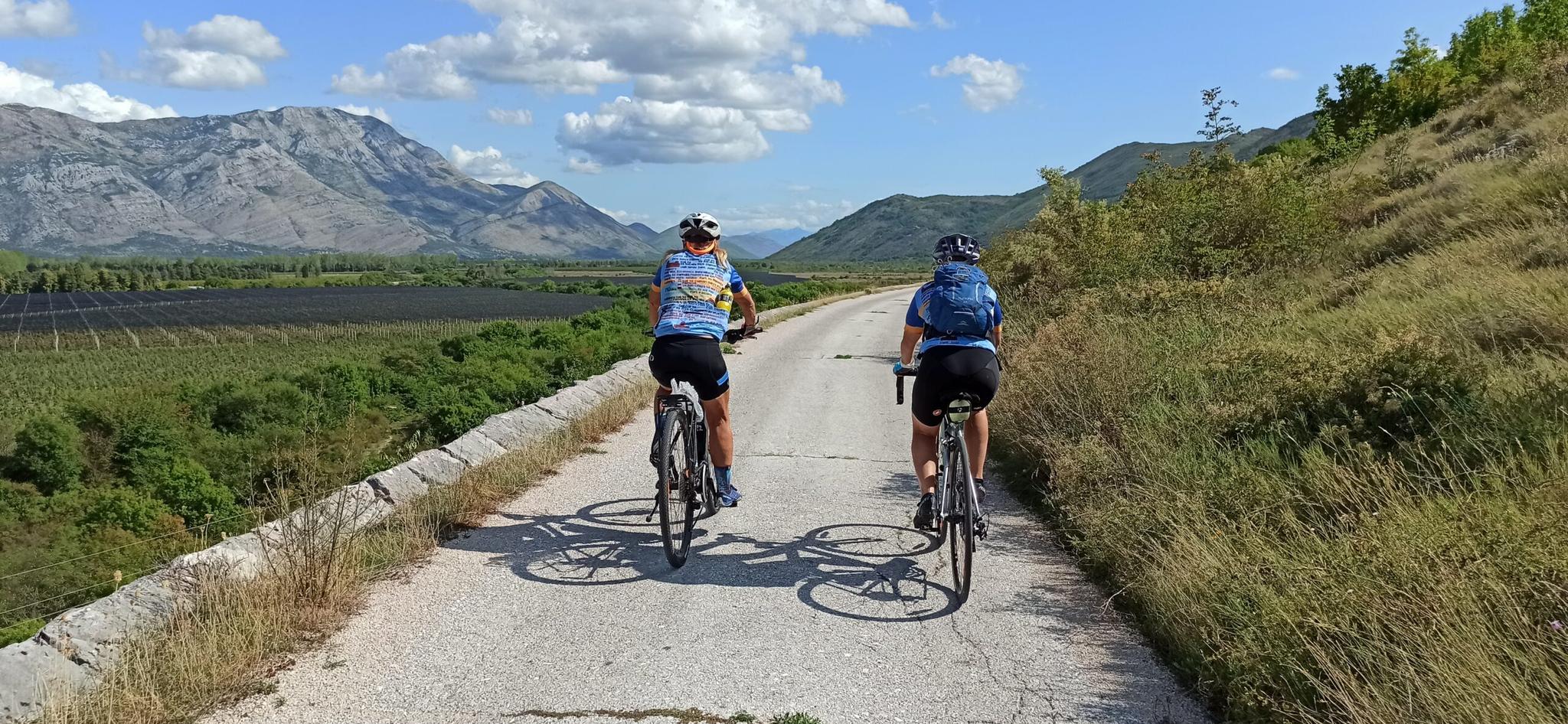
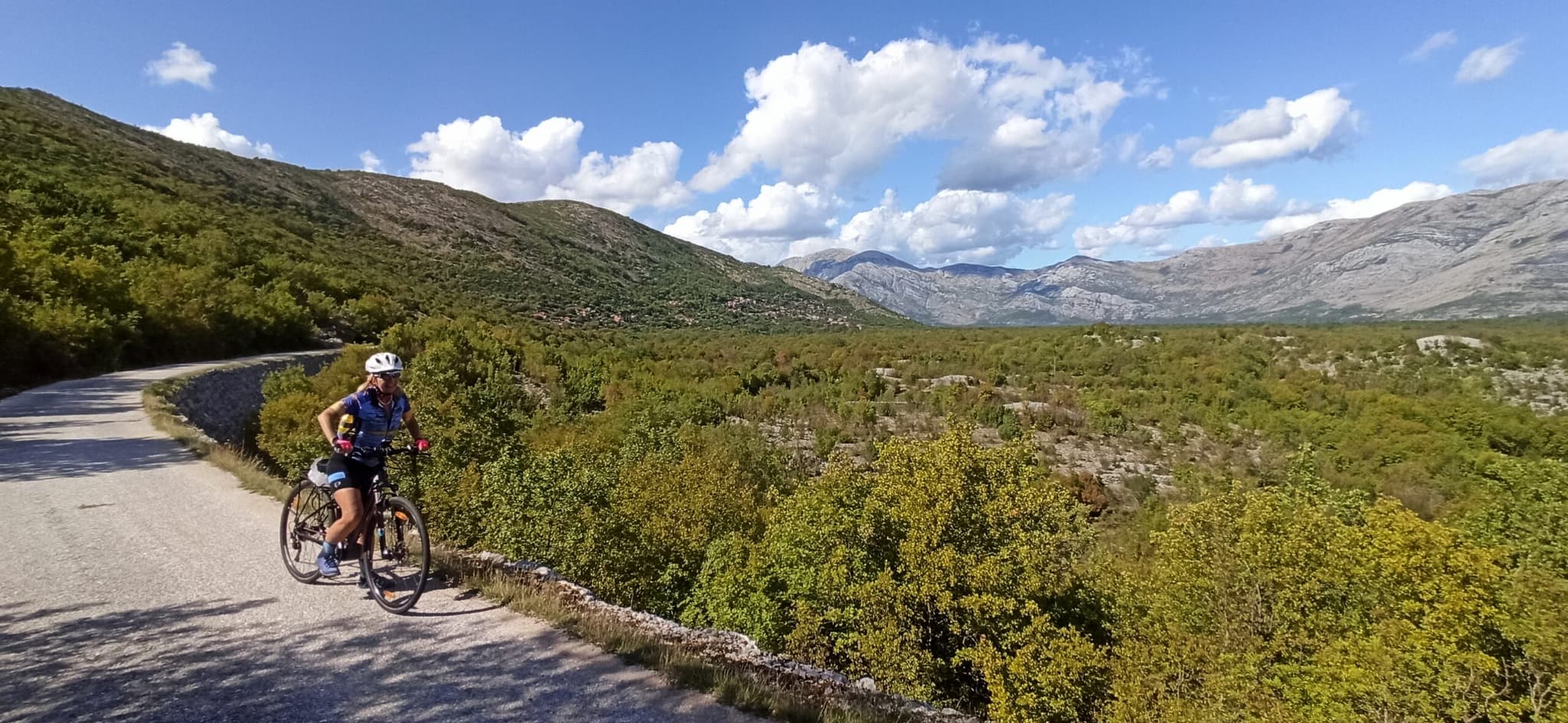
The Ćiro Trail is a bike route on the bed of an old narrow-gauge railway. It runs from Mostar in Bosnia and Herzegovina to Dubrovnik in Croatia. The ride is about 140 to 160 km, depending on the version. Most of it is quiet asphalt, with gravel sections, old stations and unlit tunnels. It suits fit leisure riders, gravel riders and e-bikers who want two to four easy days through Herzegovina.
The old line also had a branch to Trebinje and a coastal arm to Herceg Novi and Zelenika in Montenegro. Parts of that trackbed are still rideable today. This guide covers the main route, the branches, and which country each part sits in.
Ćiro Trail at a glance
| Fact | Detail |
|---|---|
| Route | Mostar (Bosnia and Herzegovina) to Dubrovnik (Croatia), via Čapljina, Hutovo, Ravno, Zavala and Hum |
| Length | About 140 to 160 km. Mostar to Trebinje via the Hum branch is about 141 km |
| Height gain | About 1,000 to 1,200 m from Mostar to Dubrovnik |
| Gradient | Gentle on the old trackbed, about 4% at most. Steeper on road detours |
| Surface | Mostly asphalt on quiet roads. About 20 km of rough gravel between Dračevo and Hutovo |
| Tunnels | About 10 to 12 short tunnels on the gravel section, unlit |
| Best season | May to June and September to October |
| Time by bike | 2 days for strong riders, 3 to 4 days at an easy pace |
| Countries | Bosnia and Herzegovina and Croatia. The old coastal arm continues into Montenegro |
What the Ćiro Trail is
Austria-Hungary built this railway as a strategic line. The first part, Metković to Mostar, opened in 1885. The line from Gabela via Hum and Uskoplje to Zelenika opened in July 1901, with branches to Trebinje and Dubrovnik. The track was only 760 mm wide, so the small trains needed gentle grades and tight curves.
Locals called the trains "Ćiro", and the name stuck to the whole line. The Uskoplje to Zelenika section closed in 1968 or 1969, depending on the source. The last part, Čapljina to Uskoplje, closed in 1976. After that, the rails were removed and some bridges fell down.
The bike trail opened around 2016 and 2017 with EU funding. Today the local Herzegovina Bike association looks after the route and sells GPX files. You ride past old station buildings, stone bridges and tunnels the trains used for 75 years.
The route stop by stop
Mostar to Čapljina (Bosnia and Herzegovina)
The trail starts near the Old Bridge in Mostar. It follows the Neretva valley south on mostly paved roads past Blagaj, Žitomislići and Počitelj. This stretch passes villages, so water and food are easy to find. The road between Mostar and Blagaj can be busy in summer.
Čapljina to Hutovo: the gravel and tunnel section
After Čapljina you pass the Roman villa at Mogorjelo and cross the Neretva near Gabela. At Dračevo the route splits. The paved option runs through villages with views of Svitavsko Lake. The original railway line is about 20 km of gravel with tunnels and a bridge locals call the Eiffel Bridge.
This gravel stretch is the best part of the trail and the hardest. It runs through empty country above the Hutovo Blato wetlands. The surface has sharp stones and thorns, and maintenance is patchy. A mountain bike or a gravel bike with wide tyres works best here.
Hutovo to Ravno and Zavala
From Hutovo the route is asphalt again. It climbs gently through quiet, half-empty villages to Ravno. The old Ravno station is now a hotel and restaurant, a classic overnight stop. The section from Hutovo to Ravno is well waymarked.
Zavala sits on the edge of Popovo Polje, a wide karst valley. Here you find a monastery, a guesthouse and Vjetrenica, one of the best-known caves in Bosnia and Herzegovina.
Hum: where the route splits
Hum was the biggest station on the line. Turn left for Trebinje. The old branch line to the town was 17 km long. Turn right for Dubrovnik. Both directions stay in Bosnia and Herzegovina until the border.
Ivanica and the descent to Dubrovnik (Croatia)
The Dubrovnik leg crosses into Croatia at Ivanica. From there you drop towards the Adriatic with long views over the coast. This final part is road riding, so expect more cars than on the rest of the trail.
The Montenegro and Konavle sections
The main line carried on past Dubrovnik. From Uskoplje it ran south through Konavle in Croatia, then into Montenegro to Herceg Novi and Zelenika.
In Konavle, a 33 km signed bike route follows the old line through villages such as Uskoplje, Čilipi and Gruda. One tunnel at Mihanići is closed to visitors because about 2,700 bats live in it.
In Herceg Novi, the old trackbed is now the Pet Danica promenade. It runs about 7 km from Igalo to Meljine and passes through an old railway tunnel. You can carry on along the old track to Zelenika. In summer it is a busy walking path in full sun, so ride slowly or go early.
When to go and how long it takes
Spring and autumn are best. May, June, September and October bring warm days and fewer crowds in Mostar. July and August are very hot in Herzegovina, and the gravel section has no shade or water.
Fast riders can do Mostar to Dubrovnik in two days, with a night in Ravno or Zavala. One popular GPX split is Mostar to Ravno in about 86 km and Ravno to Dubrovnik in about 55 km. Three or four days give you time for Blagaj, Počitelj, Hutovo Blato and Vjetrenica.
Most guides describe the trail north to south, from Mostar to Dubrovnik. You finish at the sea and the last big stretch is downhill. Riding the other way means a long climb out of Dubrovnik at the start.
Safety and practical tips
Tunnels and lights
The tunnels are short, but almost all of them are pitch black. Some have loose, deep gravel inside. Use a bright bike light on the front and a red light on the back. A phone torch is too weak.
Surface and bikes
A gravel bike or sturdy touring bike suits most riders. Take the paved bypass if you ride a road bike. E-bikes make the trail easy for most fitness levels. Mostar has bike rental shops with mountain bikes and e-bikes.
Navigation and signage
Signage is good in places, such as Hutovo to Ravno, and thin in others. Load a GPX track on your phone or bike computer before you go.
Border crossings
Bosnia and Herzegovina is outside the EU, and Croatia is in the Schengen zone. Carry your passport on every day that crosses a border.
How we ride the Ćiro with 3E Travel
We use the Ćiro line on three of our cycling tours. Each one rides a different part, so you can pick the section that fits your trip.
On Explore the Balkans by Road, you ride from Trebinje along the old Ćiro track towards the Croatian border. You finish in Ston, known for its walls and oysters, then take a 45-minute shuttle to Dubrovnik.
On our 4-in-1 road cycling tour, Day 2 runs from Trebinje to Ston. It is up to 81 km with 1,000 m of climbing. Day 3 rides back, up to 85 km with 900 m of climbing. You cross the border at a remote crossing in the hills. You stop for lunch at a former railway station, then follow the Ćiro line to Trebinje.
On the EuroVelo 8 Odyssey, Day 2 takes you from Trebinje to Herceg Novi. That is 42 km with 600 m up and 900 m down. Day 3 follows the old railway line that once linked Dubrovnik and Herceg Novi as far as Zelenika. Then you ride the coast of the Bay of Kotor to Risan, Perast and Kotor, about 44 km in all.
How long is the Ćiro Trail?
About 140 to 160 km from Mostar to Dubrovnik, depending on the start point and detours. Mostar to Trebinje via the Hum branch is about 141 km.
Is the Ćiro Trail paved?
Mostly yes. Most of the route uses quiet asphalt roads. The main exception is about 20 km of rough gravel and tunnels between Dračevo and Hutovo, which has a paved bypass.
Do I need lights for the Ćiro Trail?
Yes. The tunnels on the gravel section are unlit and almost completely dark. Bring a strong front light and a rear light.
How many days do I need to cycle the Ćiro Trail?
Two days for fit riders, with a night in Ravno or Zavala. Three or four days lets you add side trips such as Blagaj, Počitelj and Vjetrenica cave.
Does the Ćiro Trail go to Montenegro?
The old railway did, through Konavle to Herceg Novi and Zelenika. Today that trackbed is a coastal promenade in Herceg Novi, and the main bike trail ends in Dubrovnik.
When is the best time to ride the Ćiro Trail?
May to June and September to October. July and August are very hot, and the gravel section has no water or shade.
Written by
The 3E Travel team