


Montenegro
8 days · Hiking
From the Bay of Kotor to Lake Skadar – Historical trade and military trails
▲▲▲▲▲Moderate
Walking · Hiking · Cycling · Montenegro
Walking, hiking and cycling holidays in Lake Skadar, self-guided or with a local guide. Lake Skadar is the largest lake in the Balkan Peninsula, straddling the Montenegro–Albania border and covering a seasonal 370–530 km². The Montenegrin side became a national park in 1983 and holds 40,000 hectares of open water, flooded marsh and karst hills. About 281 bird species live here, including Dalmatian pelicans. Island monasteries, Ottoman fortresses and vineyards along the shore make it a place to spend days rather than hours, 7 km from the Adriatic.
Why Lake Skadar
We've spent years walking, hiking and cycling across Lake Skadar in every season. The trips below are built around the routes that work — the quiet ones, the beautiful ones, the ones with great food at the end of the day.
If none of them quite fit, get in touch. We'll happily build you a private version, shaped around your interests, fitness and pace.
How we travel here
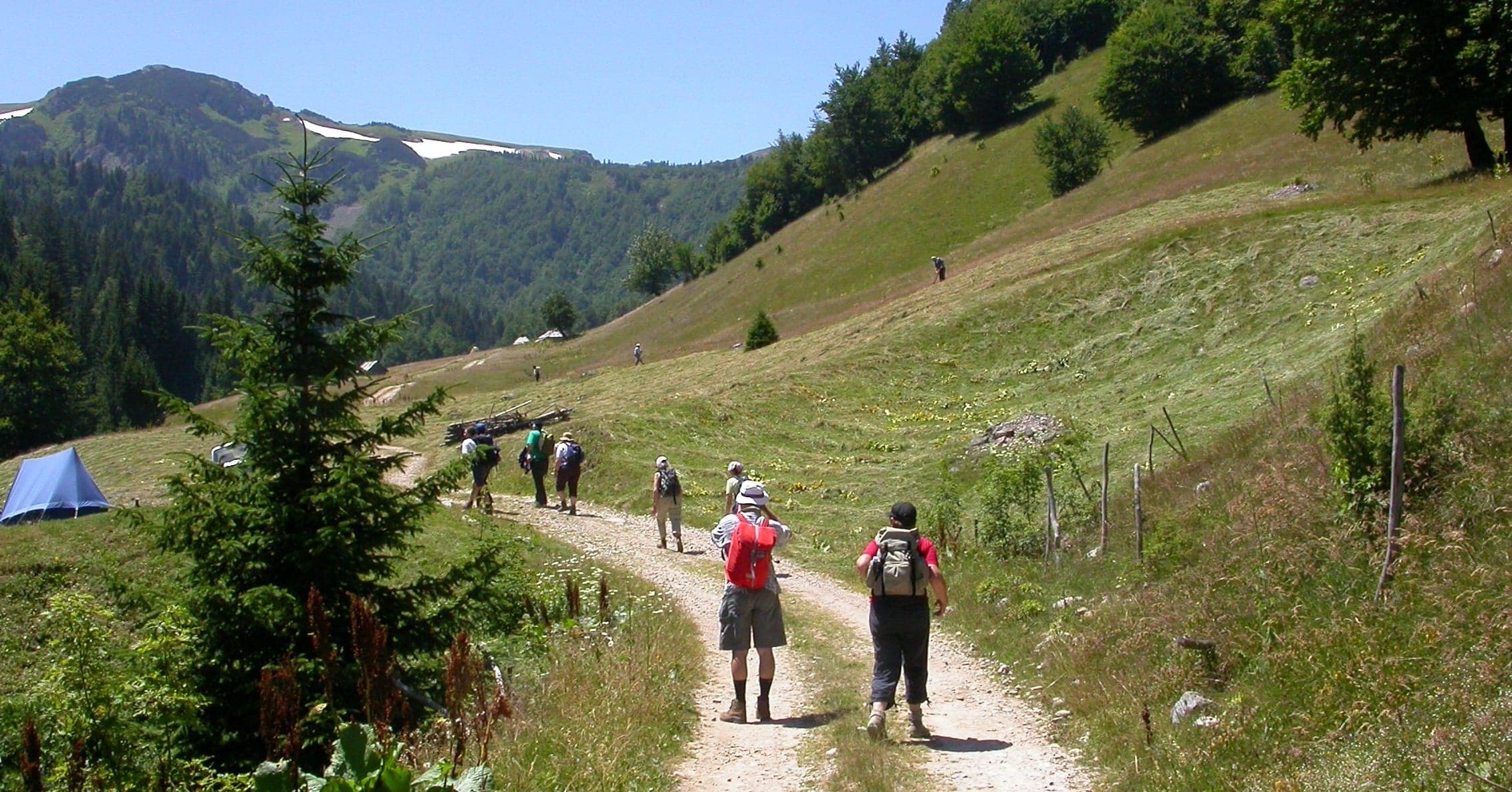
Walking
Coastal trails, village paths and slow days on foot, with time to stop.
Hiking
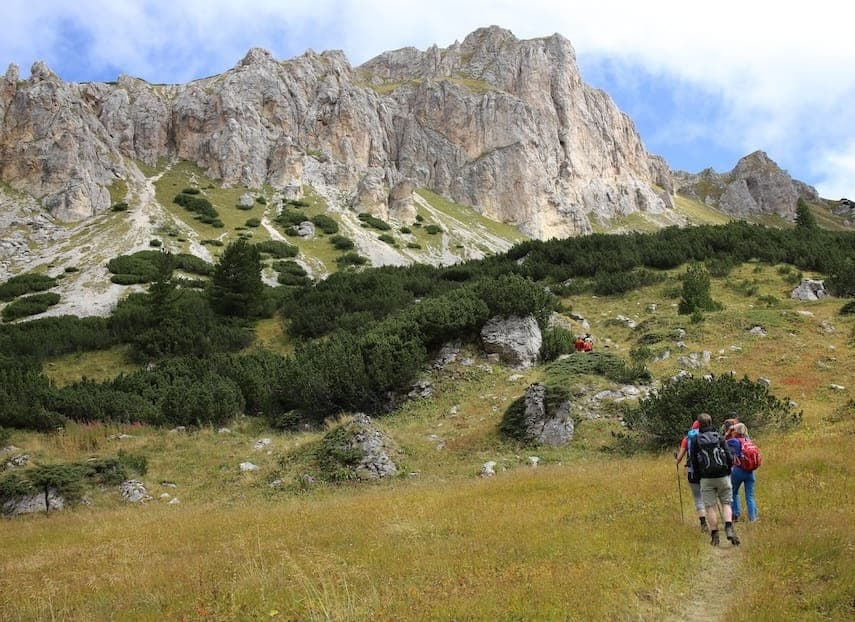
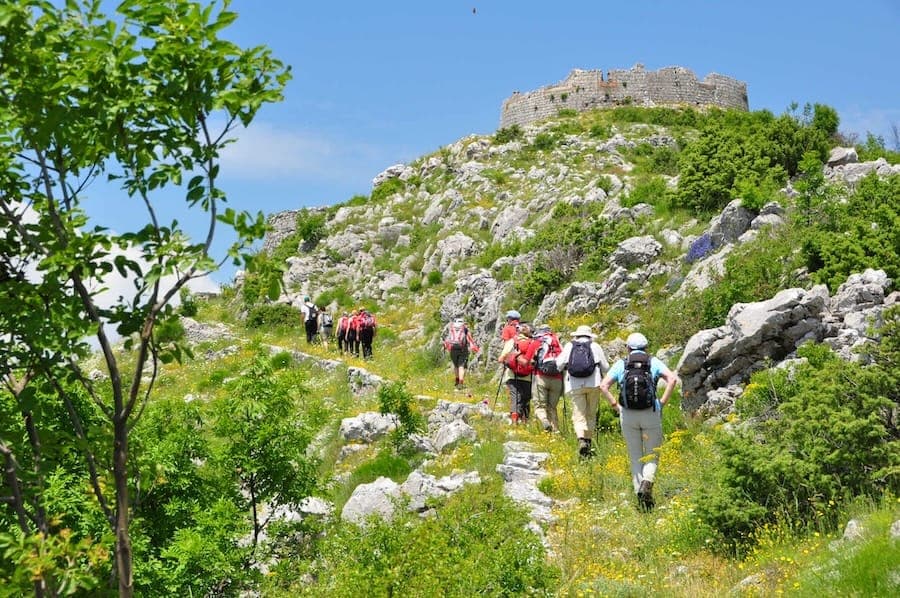
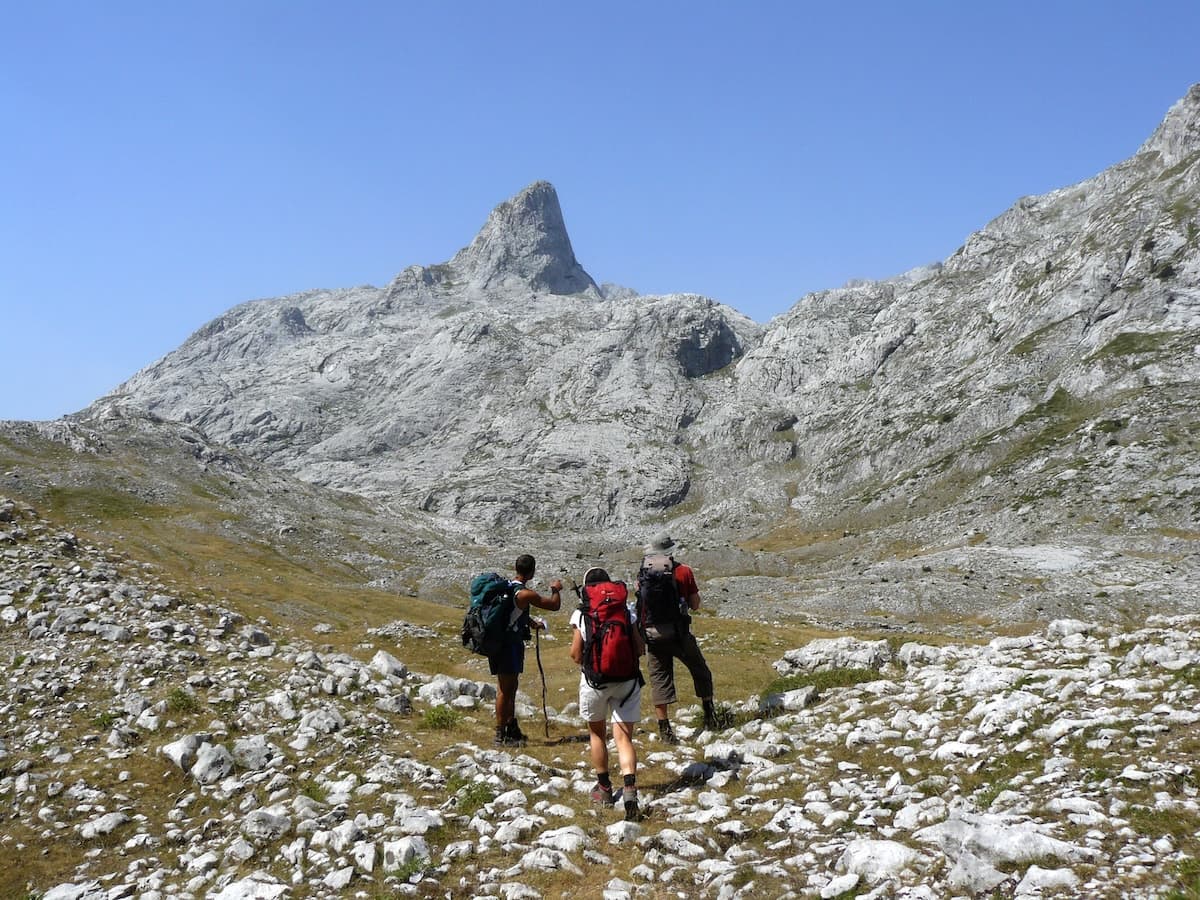
Mountain trails, hut-to-hut days and summit walks, graded honestly.
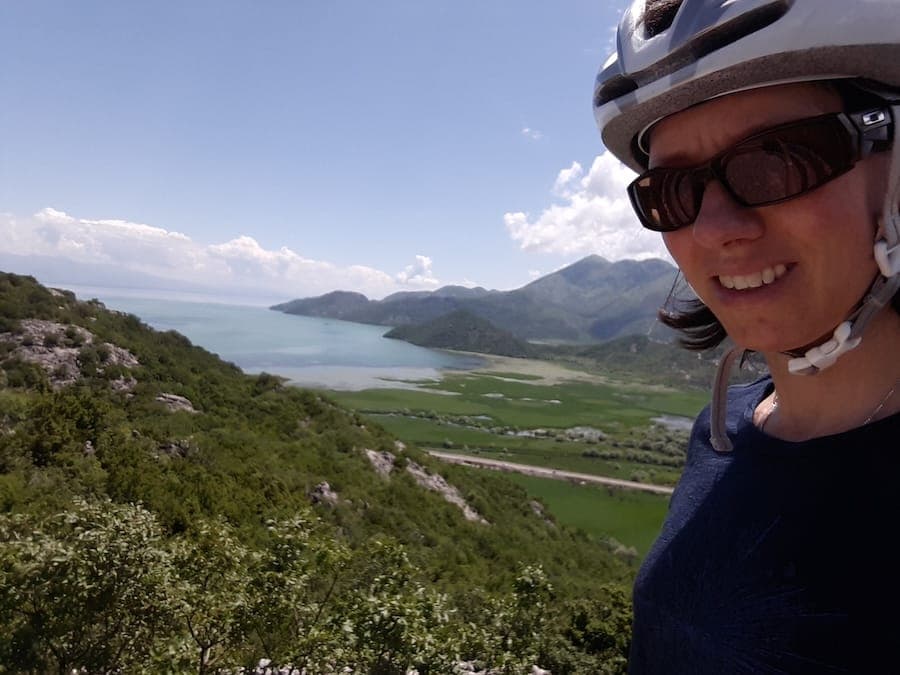
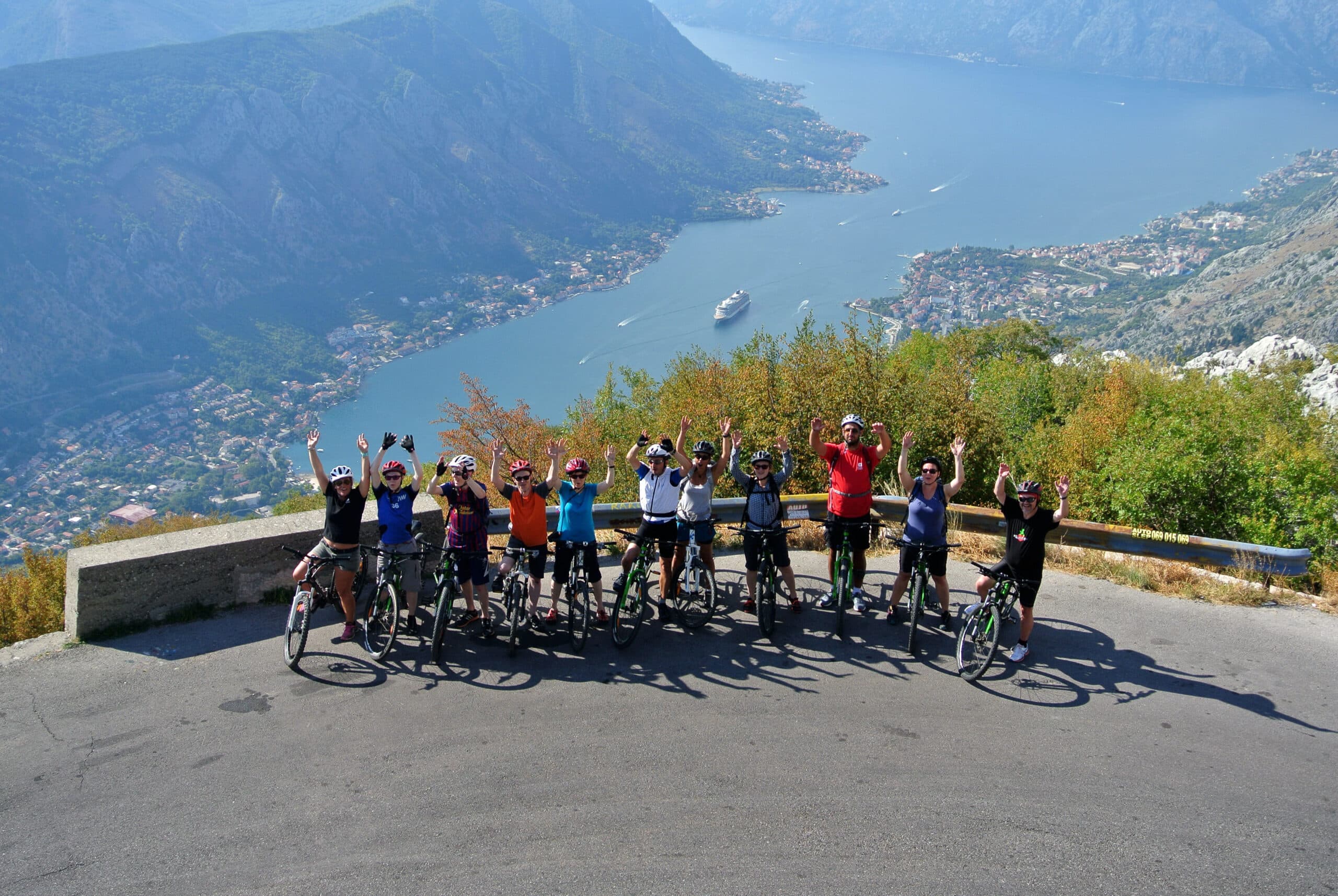
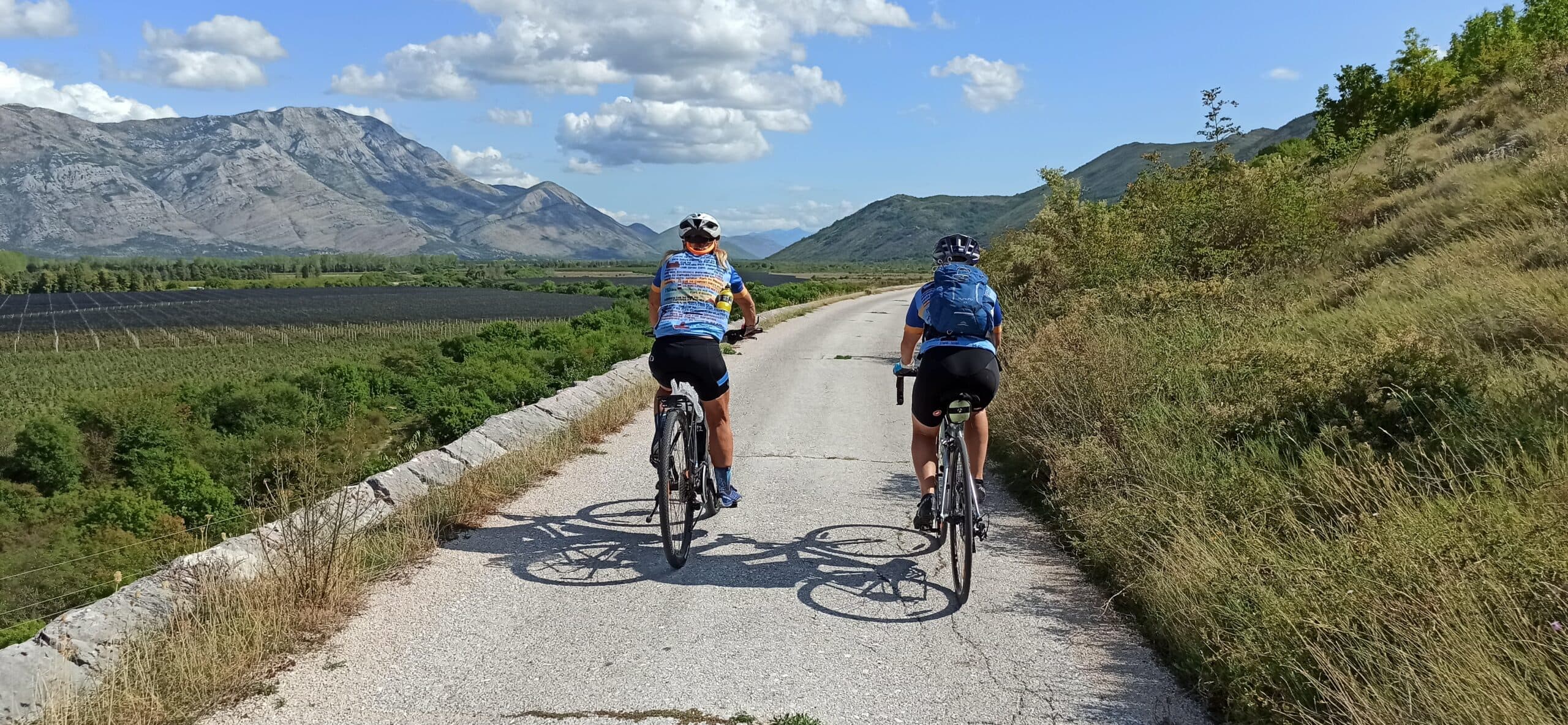
Cycling
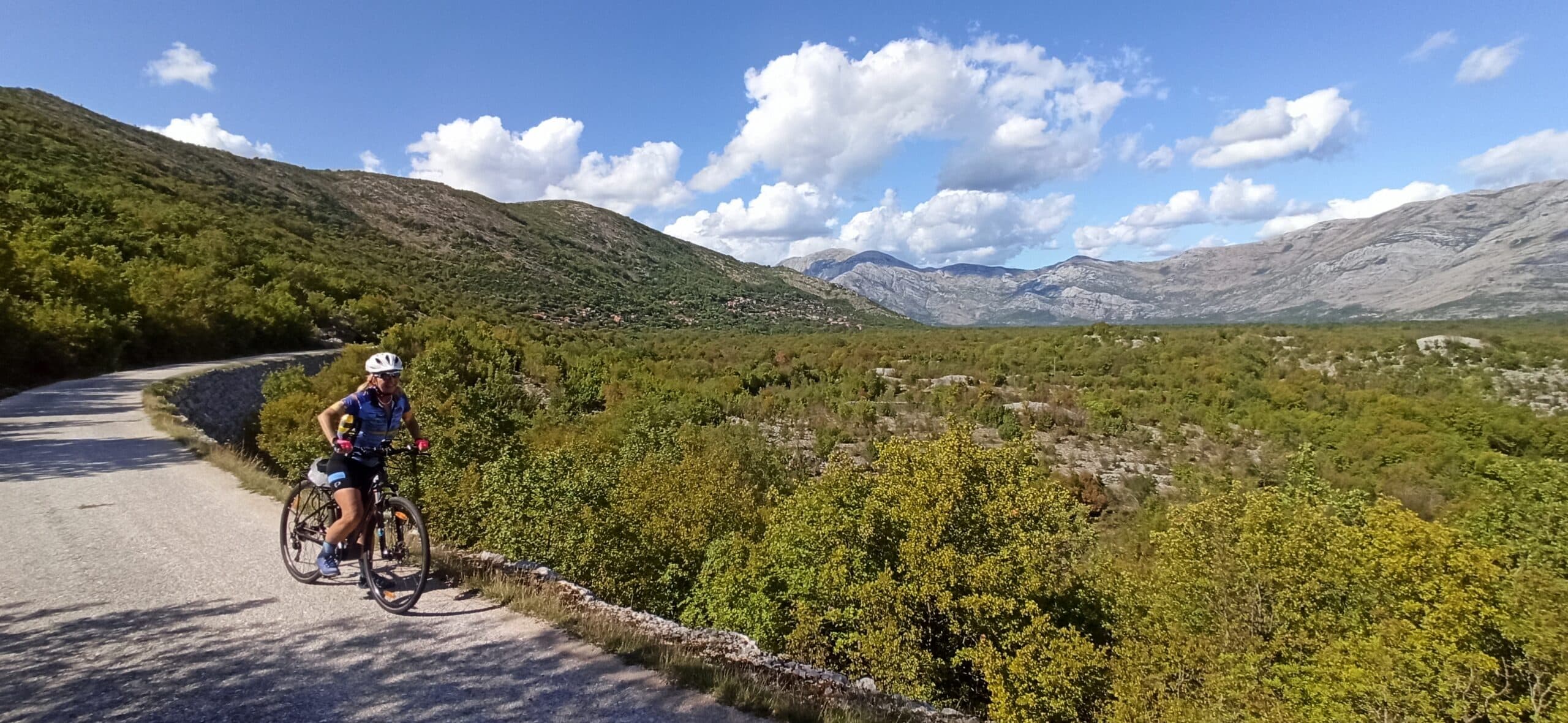
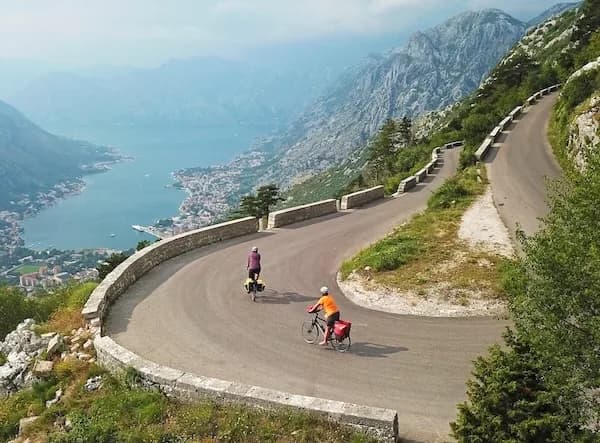
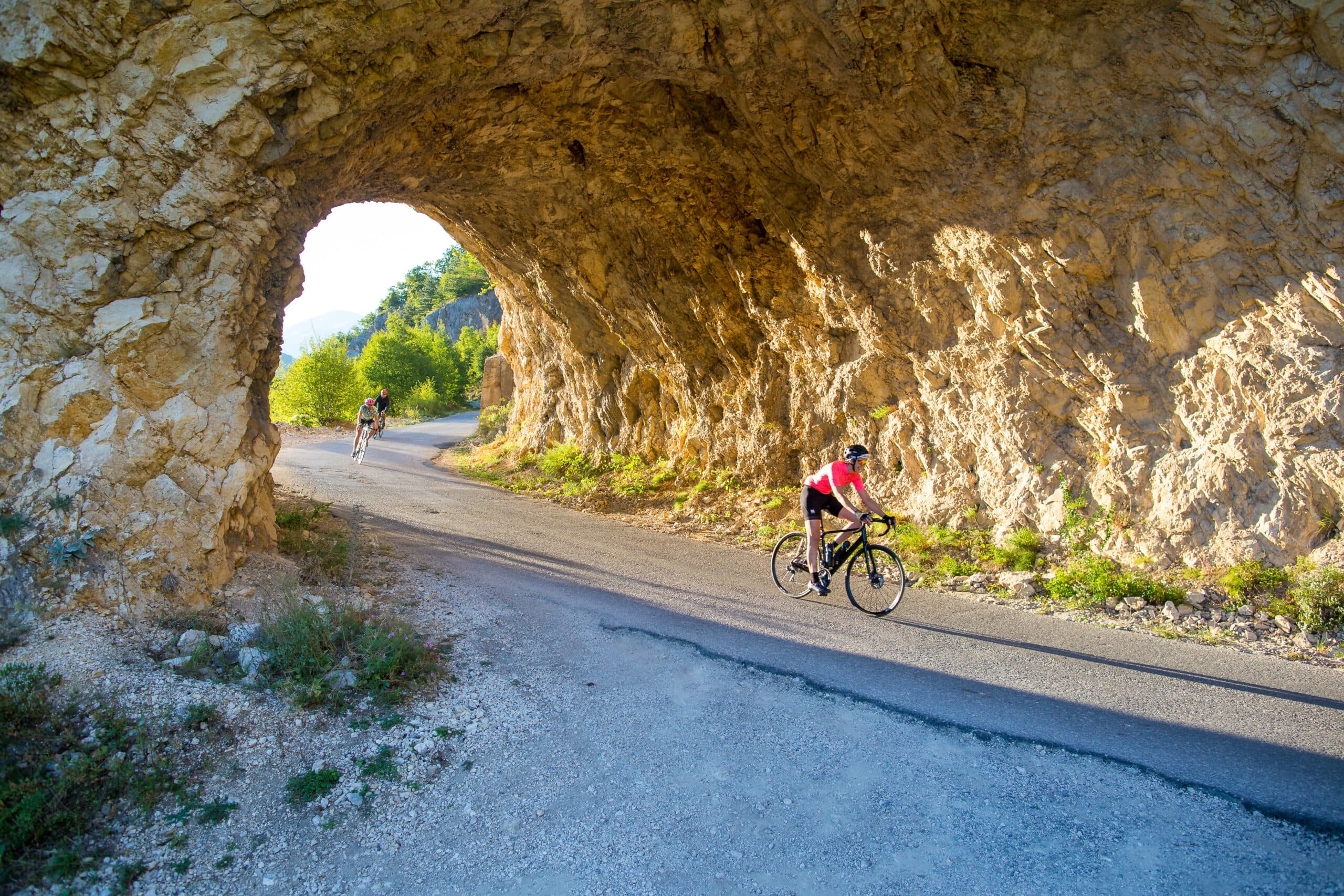
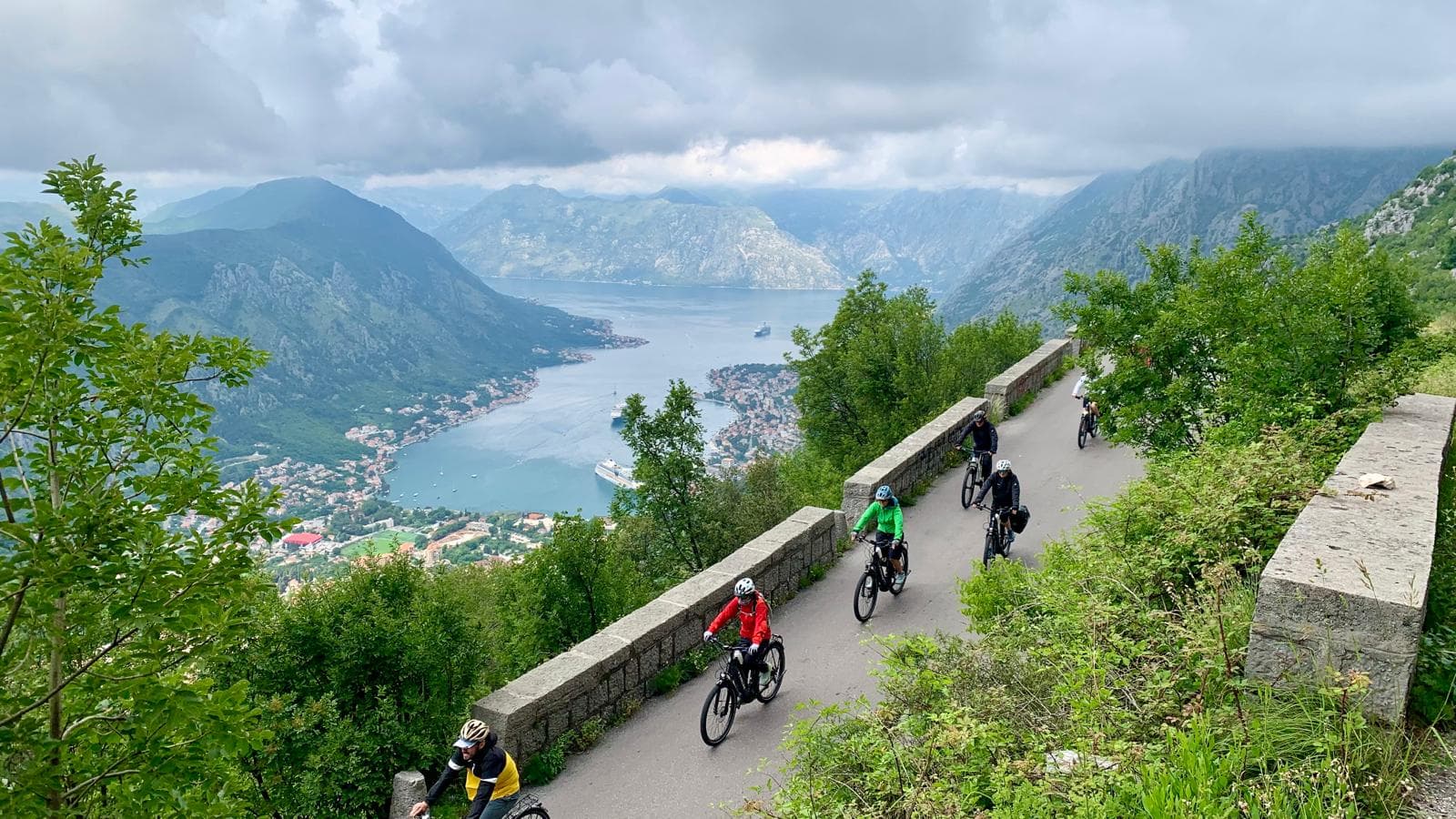
Quiet back roads and gravel routes — road, gravel and e-bike, with luggage moved between stays.
Travel guide
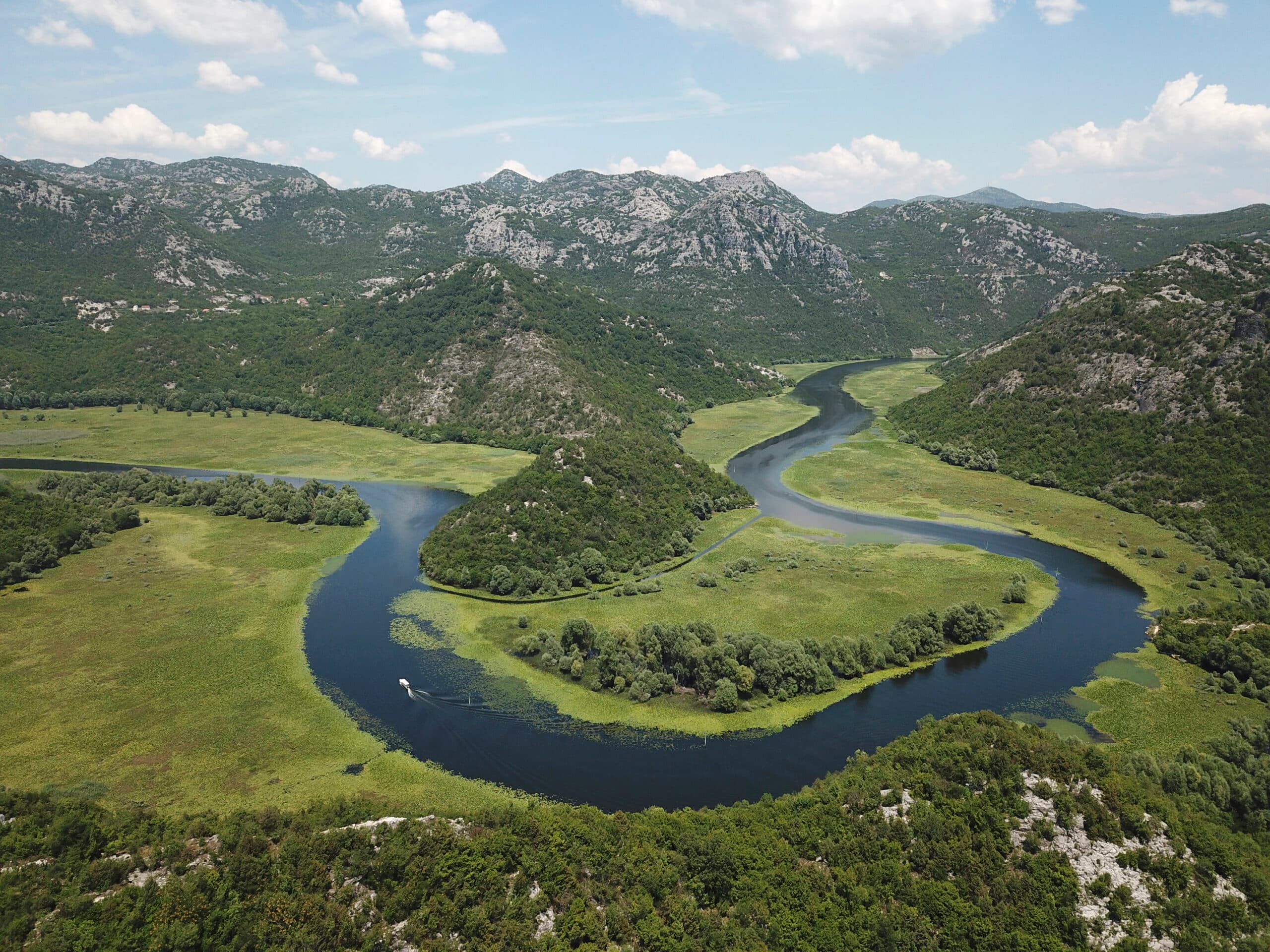
Skadarsko jezero is the largest lake in the Balkan Peninsula, sitting in the Skadar Valley of southeastern Montenegro roughly 7 km from the Adriatic. About 65% of its surface lies in Montenegro and 35% in Albania. The Montenegrin part was proclaimed a national park in 1983 and added to the Ramsar list on 13 December 1995 (ref. 784); the Albanian side, Lake Shkodra and River Buna, followed in 2006. The park covers 40,000 hectares. The lake runs about 44 km long and up to 14 km wide, with a shore of 207 km including islands. Most sources give a maximum depth of about 8 m and an average around 5 m, with the water level rising and falling seasonally between 4.7 and 9.8 m above sea level. The park holds 68 named mountains, the highest being Komaraštik at 420 m. Its shores have been settled since prehistoric times, and medieval Skadar (now Shkodër, Albania) was a major town of the medieval Serbian kingdom and later an Ottoman stronghold.
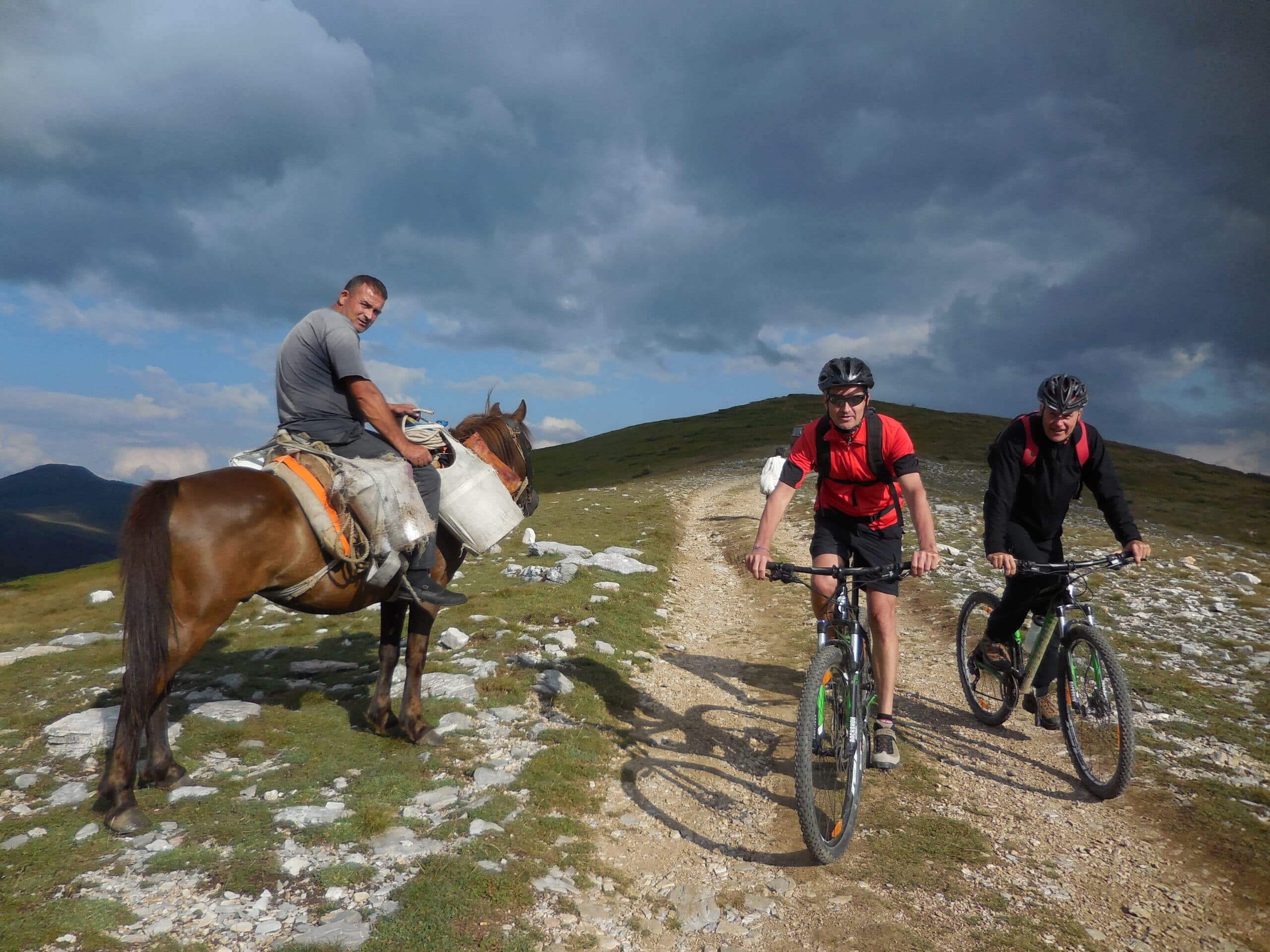
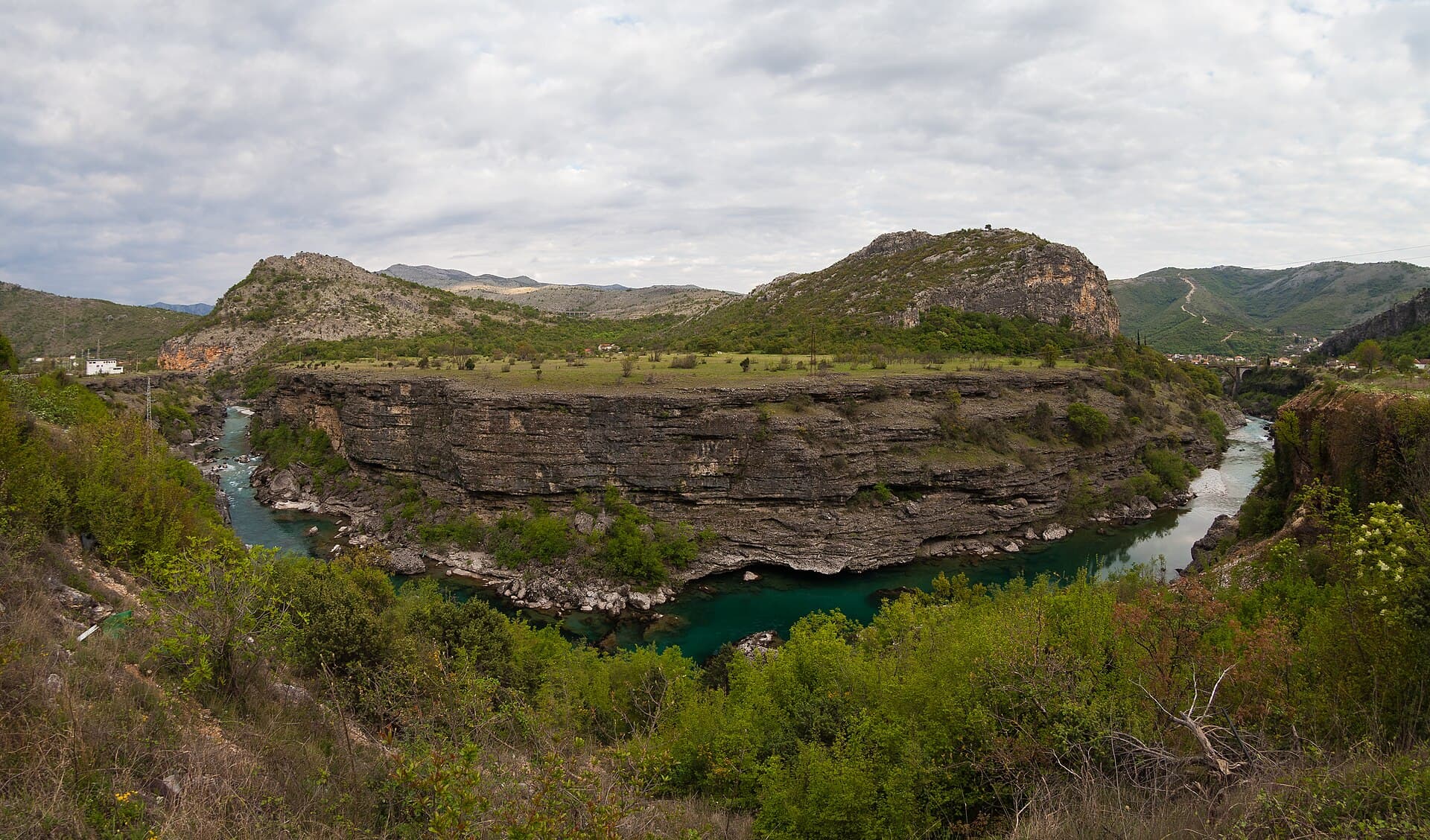
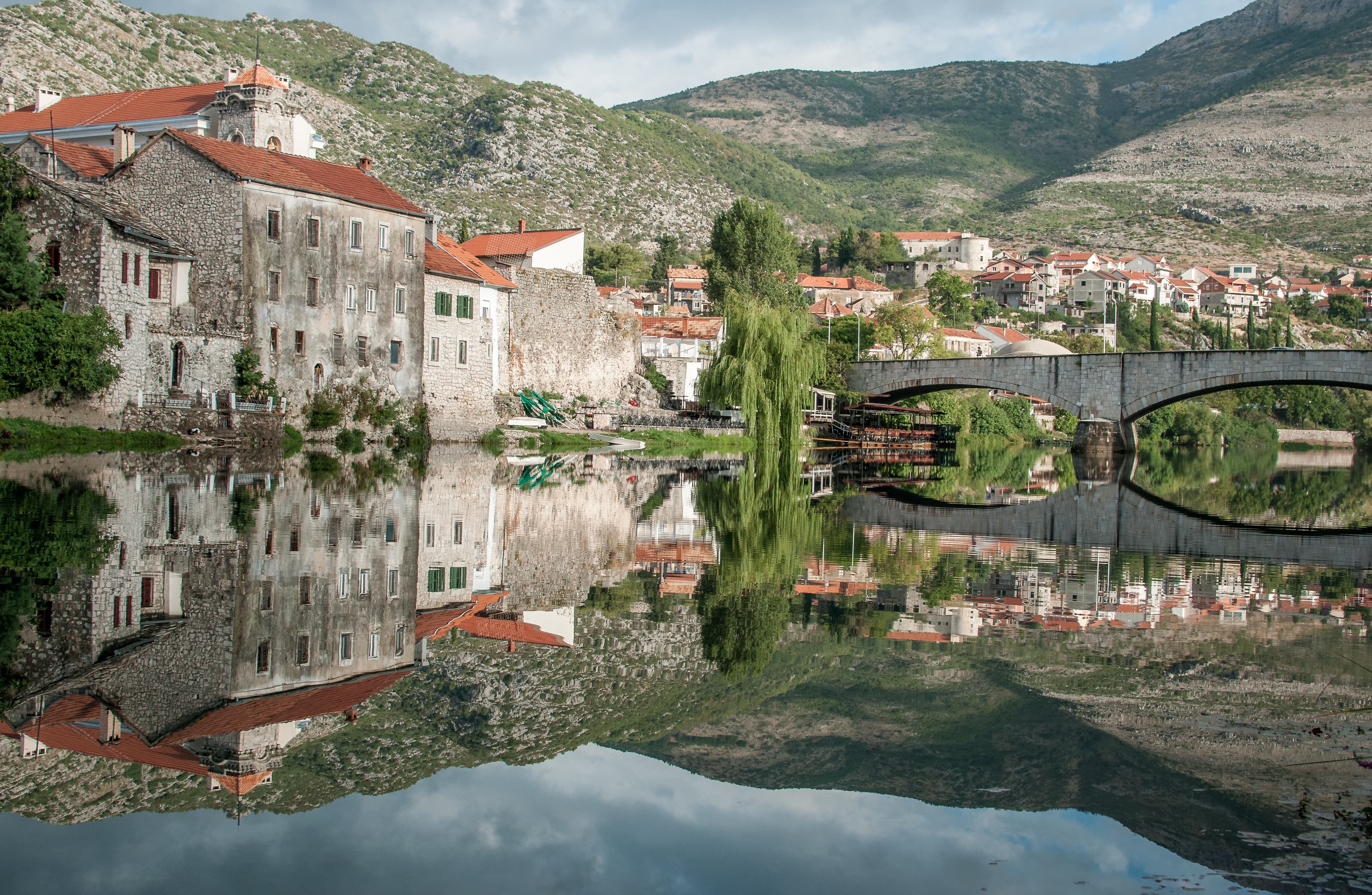
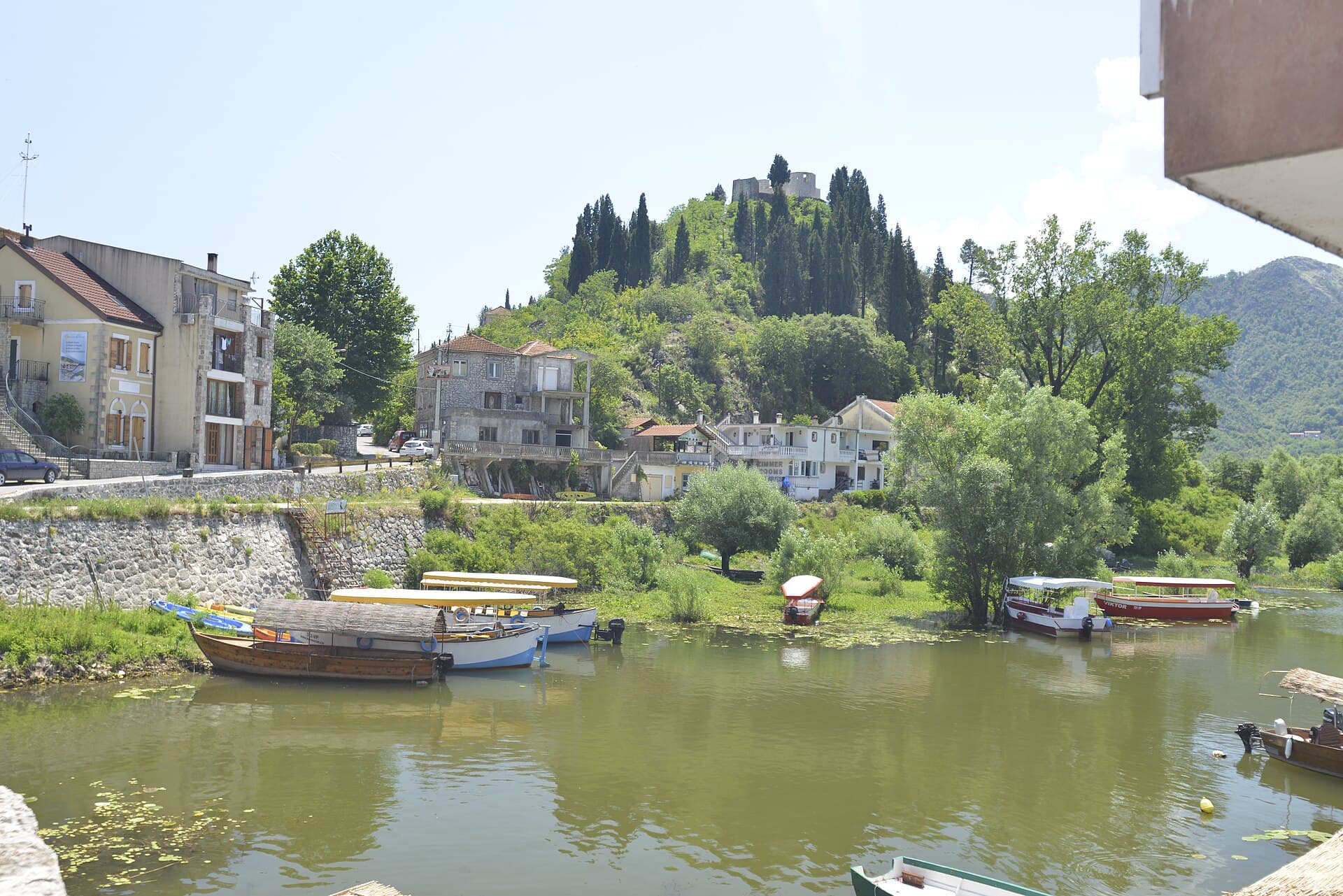
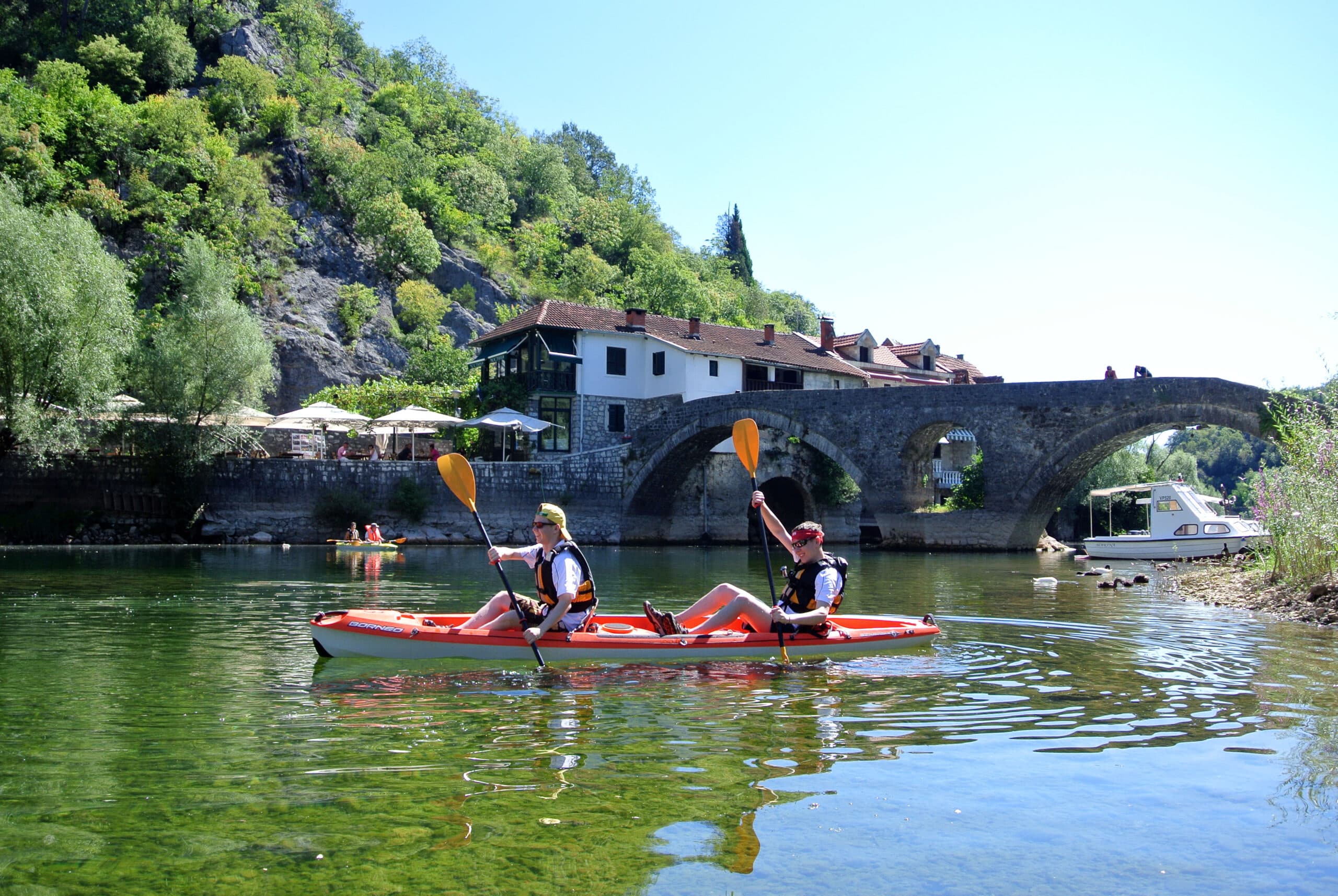
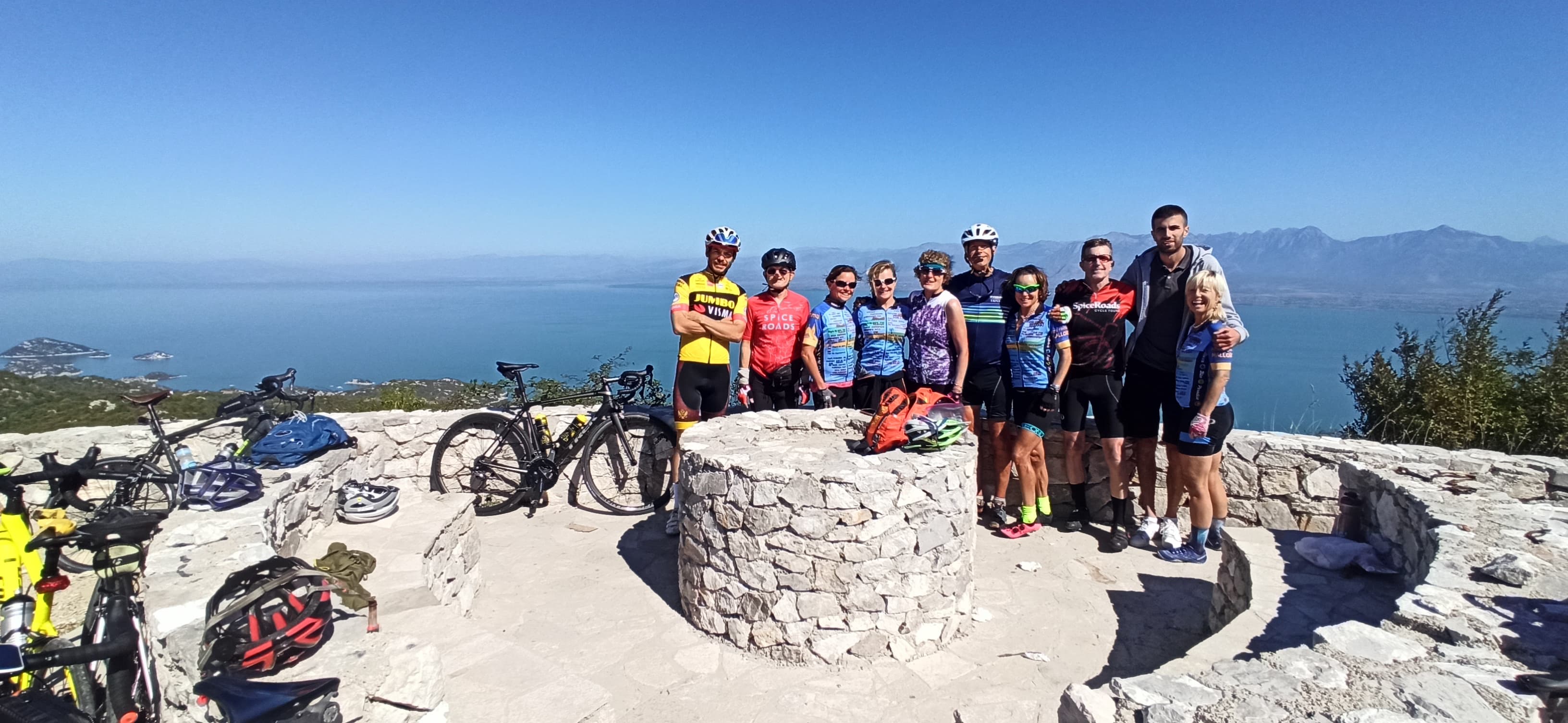
The lake is dotted with small islands carrying churches and castle ruins, among them Beška, Moračnik, Starčevo and Grmožur. Beška, overlooked by the village of Murići, holds two 14th-century Orthodox churches, with the monastery itself dated to the 15th century. Grmožur is a former island prison known locally as the "Montenegrin Alcatraz". Above Virpazar stands Besac Fortress, built in 1487, used throughout Ottoman rule and later as a WWII prison; it is now restored and open 10:00–18:00 daily for €1 per person. For a wide view of the lake's meanders, Pavlova Strana viewpoint is reachable by car and on foot. Note that only about 10% of the lake is open to boats, the rest kept for nature protection. Two areas, Manastirska Tapija and Pančeva oka, are recognised as International Bird Areas. The northern marshy coastline covers roughly 20,000 hectares of prime wildlife habitat.
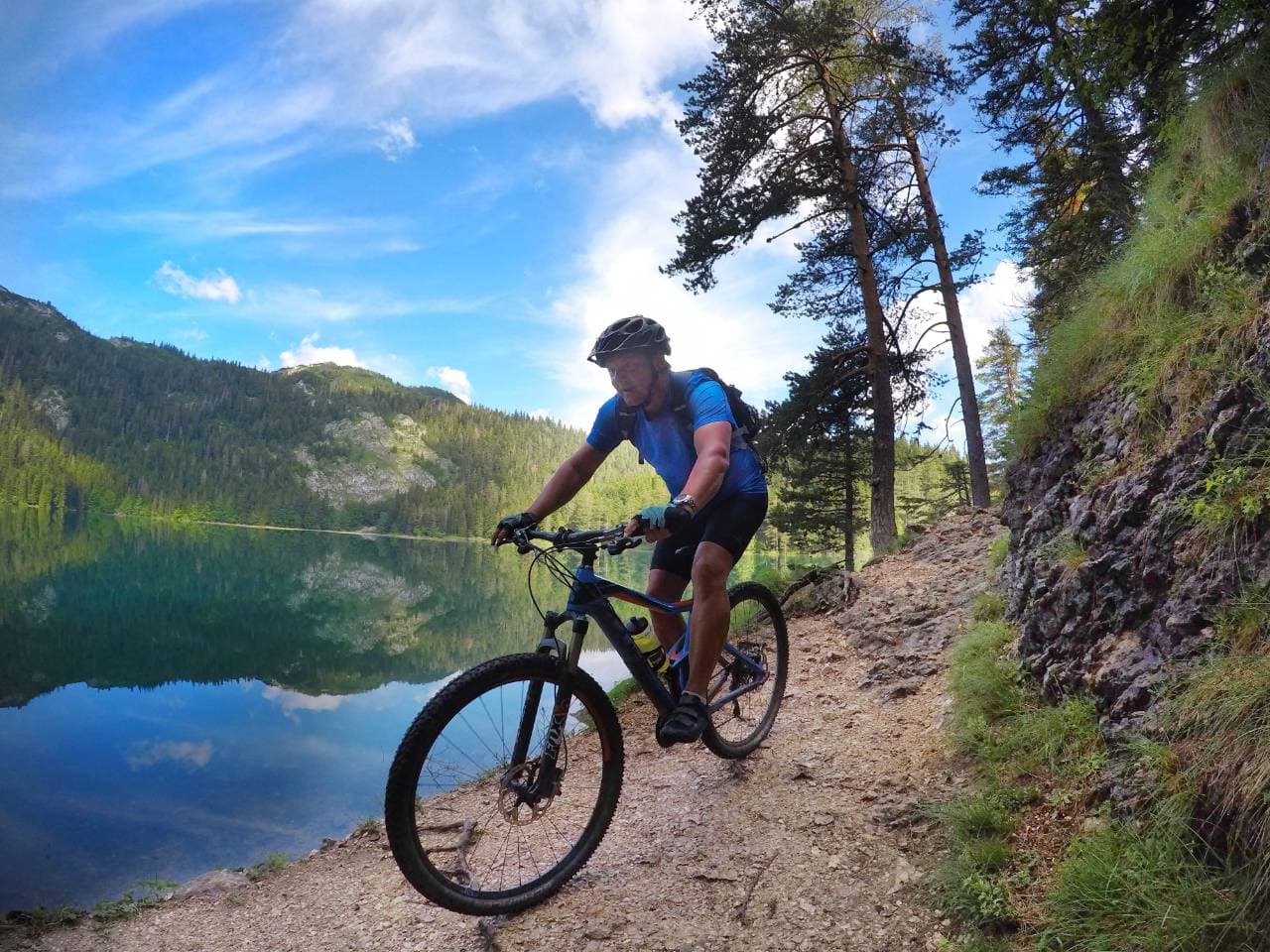
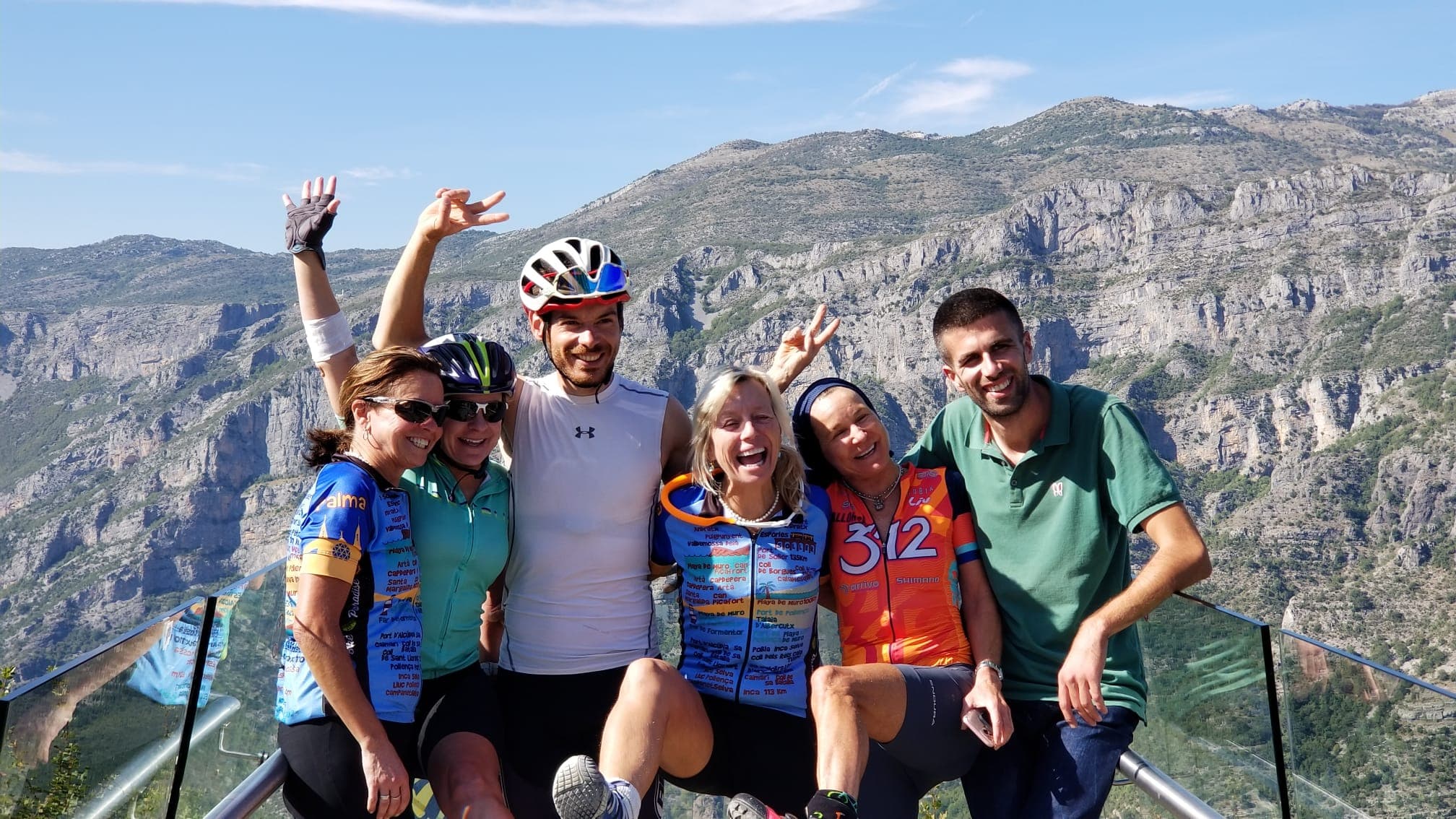
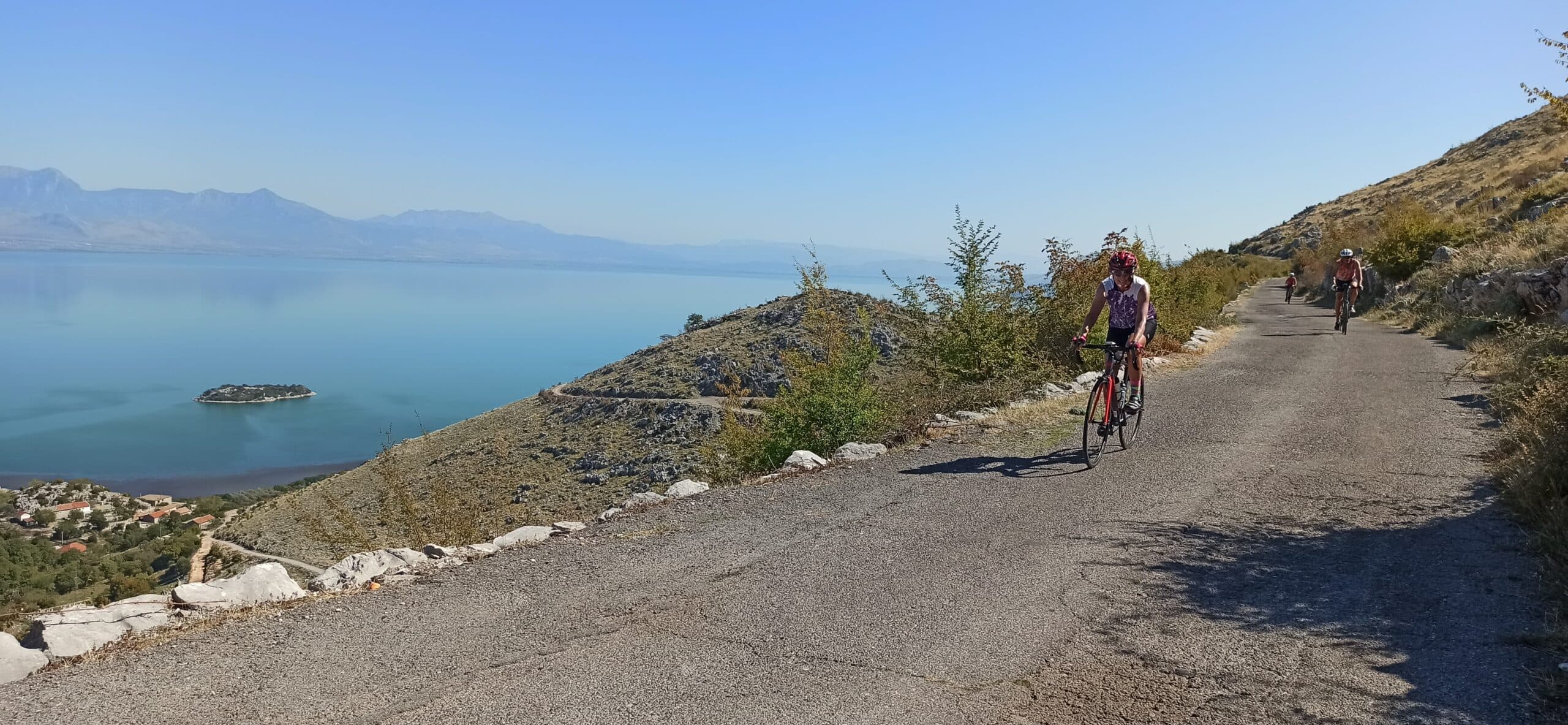
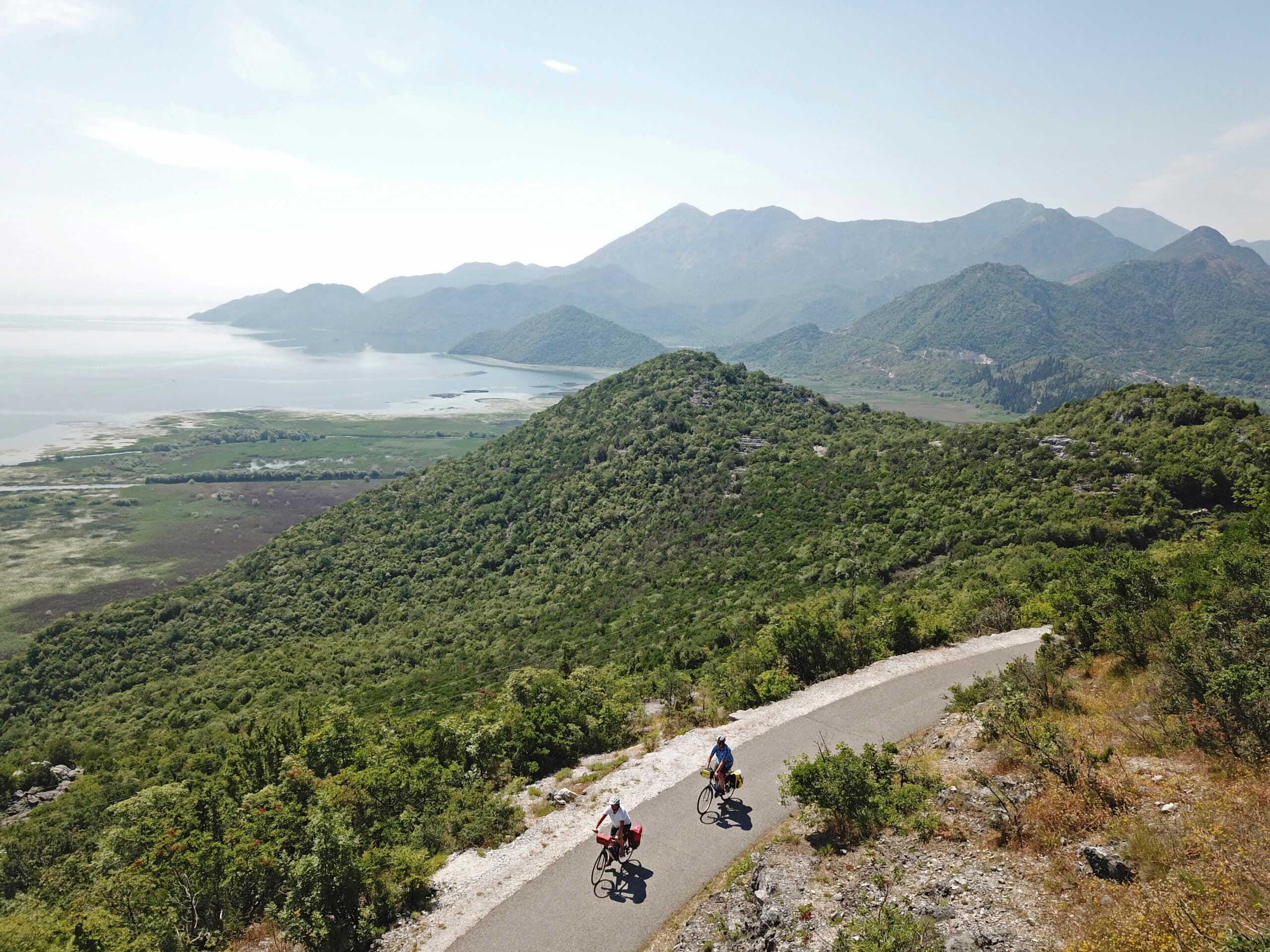
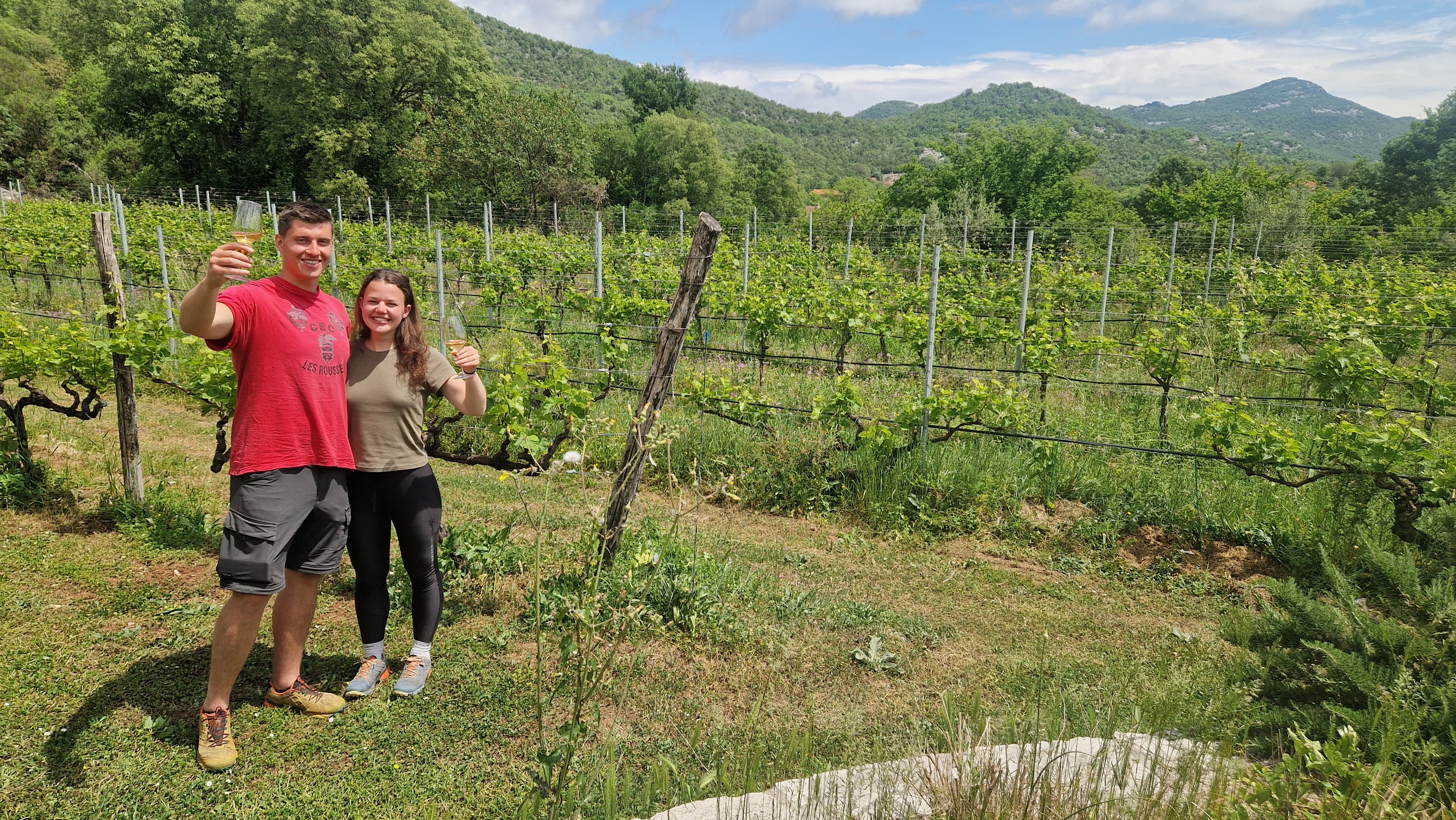
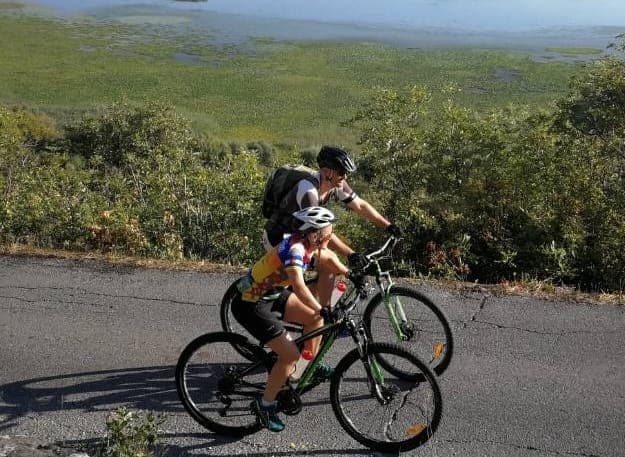
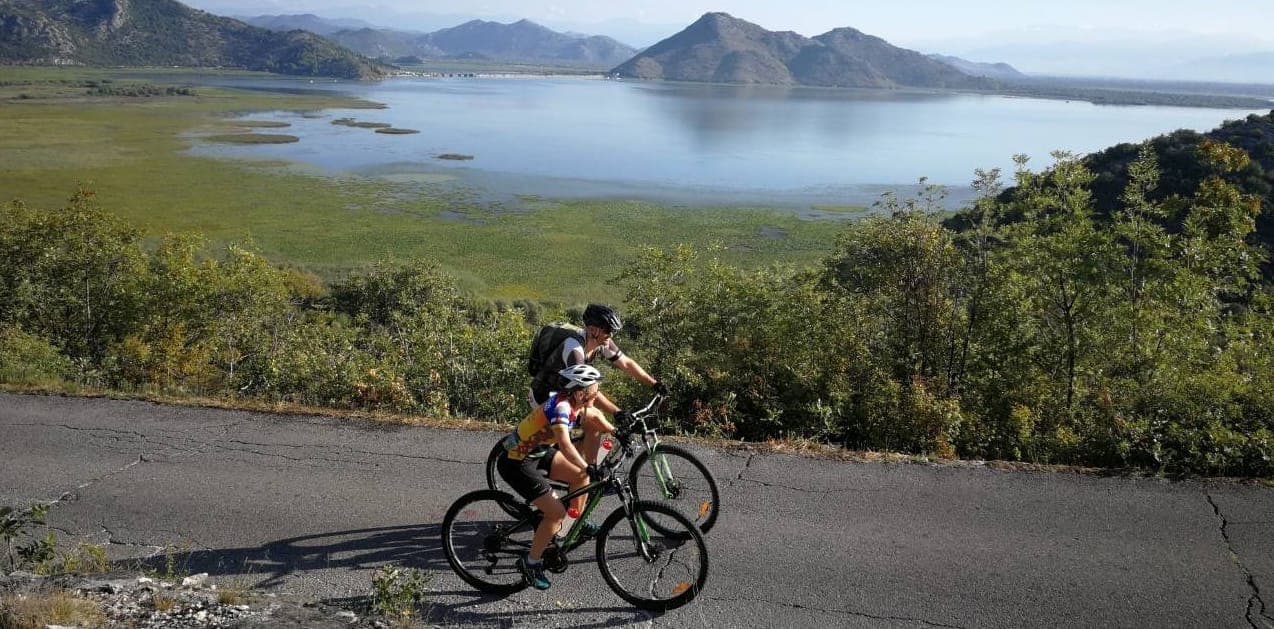
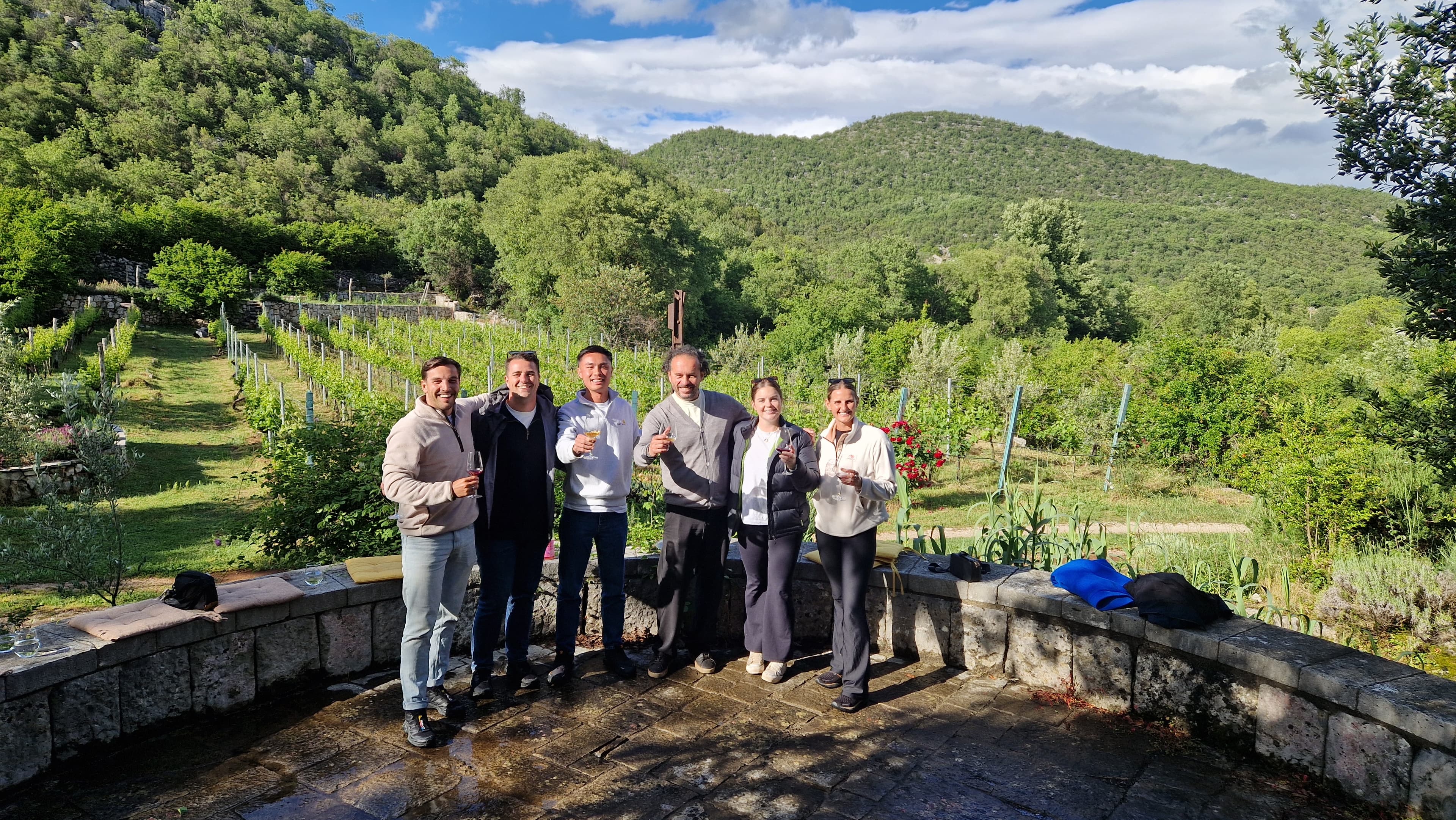
The shore roads and karst hills around Skadar suit both cycling and hiking, with vineyards on the slopes and long water views. A scenic ride paired with wine tasting is set out in Pedal and Pour: Exploring the Beauty of Lake Skadar. For higher ground, Mount Rumija rises between Bar and the lake and gives a route that climbs from the coast toward the water; see Hiking Mount Rumija: The Trail Above Bar and Lake Skadar. Pavlova Strana viewpoint can be reached on foot, and Besac Fortress sits a short walk above Virpazar. Distances around the lake are longer than the map suggests, since only about 10% is open to boats and much of the shoreline is protected marsh.
Virpazar is the primary gateway, linked by road and rail. It sits about 35 km from Podgorica; by road the drive takes roughly 25 minutes. Podgorica Airport (TGD) is about 18 minutes away by car. Railways of Montenegro (ŽPCG) run trains from the airport to Vranjina hourly, taking about 17 minutes with tickets around €1–3; direct trains from Podgorica to Vranjina depart roughly every three hours and take about 25 minutes. From Virpazar it is about 49 minutes' drive to Budva (about 38 km) and 1h 12m to Kotor (about 60 km). There is no direct bus between Virpazar and Kotor; services run via Sutomore and take around 2h 40m with transfers. Rijeka Crnojevića is a second entry point, used when approaching the lake by river.
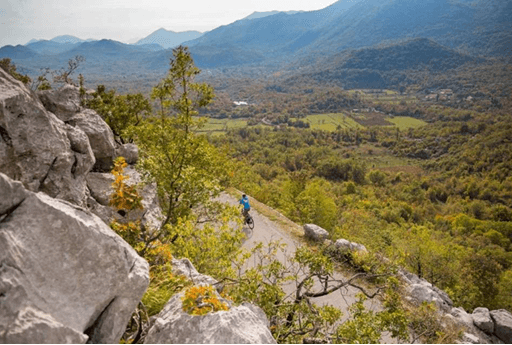
A day's access to the national park costs €5 per person (as of August 2025), and a fishing permit is required to fish. An annual pass costs €13.50 (end of 2025). Tickets are sold at Rijeka Crnojevića when entering by river, at the Visitors' Centre in Vranjina, and at the harbour in Virpazar. Park opening hours run 08:00–18:00 daily in the summer season and 08:00–16:00 Monday to Friday out of season. Besac Fortress opens 10:00–18:00 daily at €1 per person. Spring and early summer bring the fullest birdlife and higher water levels, while the seasonal drop can leave the surface closer to 370 km² later in the year. Confirm current fees and hours before travelling, as figures here are drawn from 2025 sources.
Our journeys
21 journeys planned by our team in Podgorica — from gentle coastal weeks to high-mountain crossings.
Build your own trip →8 days · Hiking
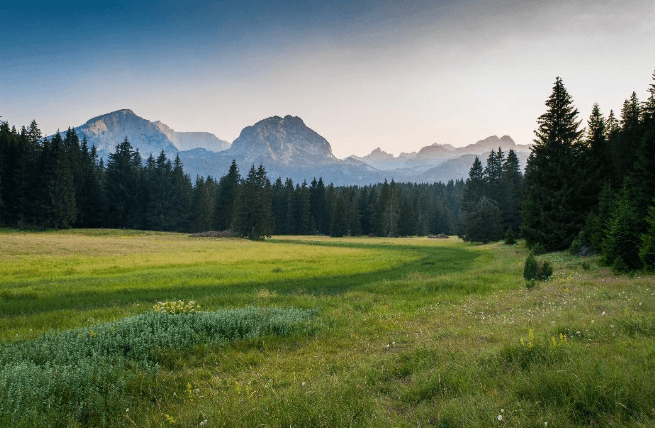
7 days · Hiking
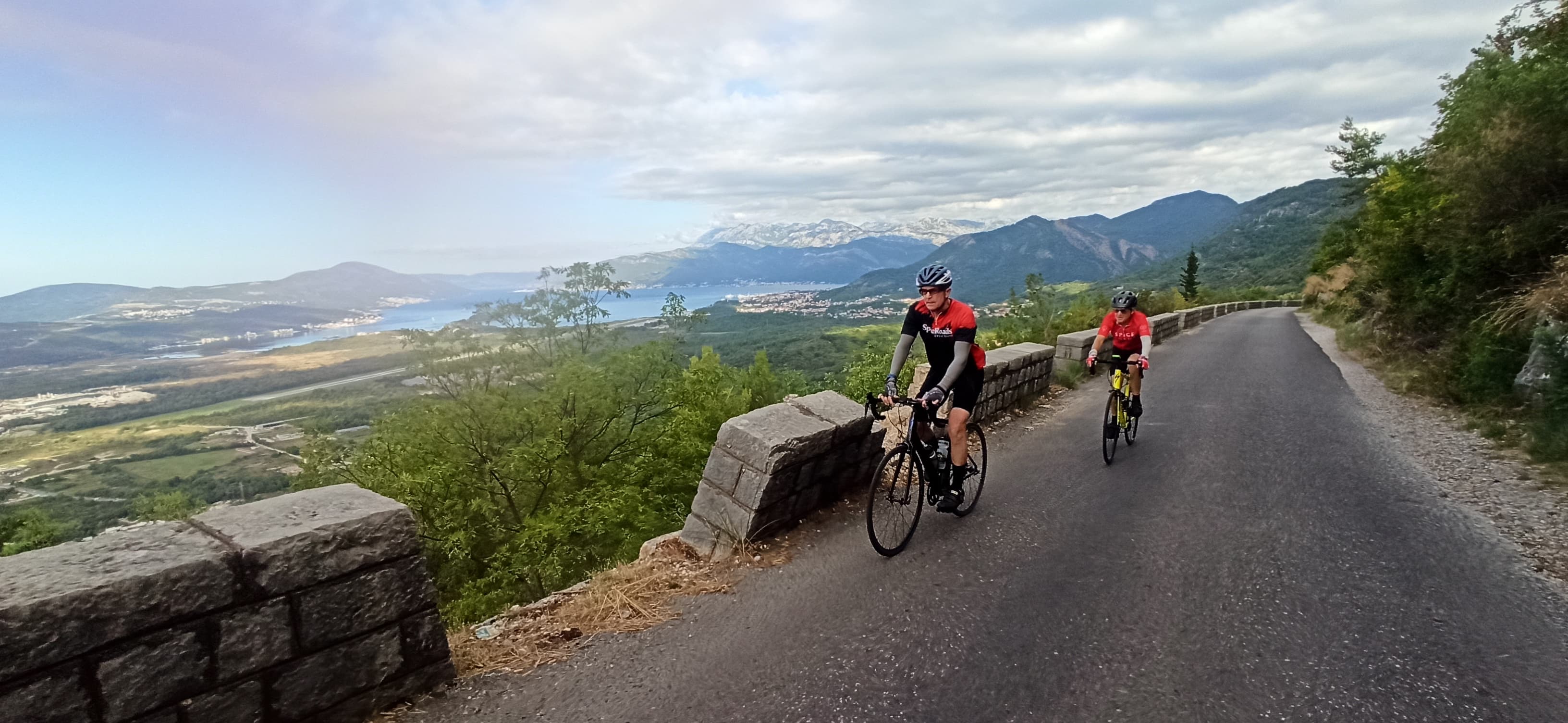
8 days · Cycling
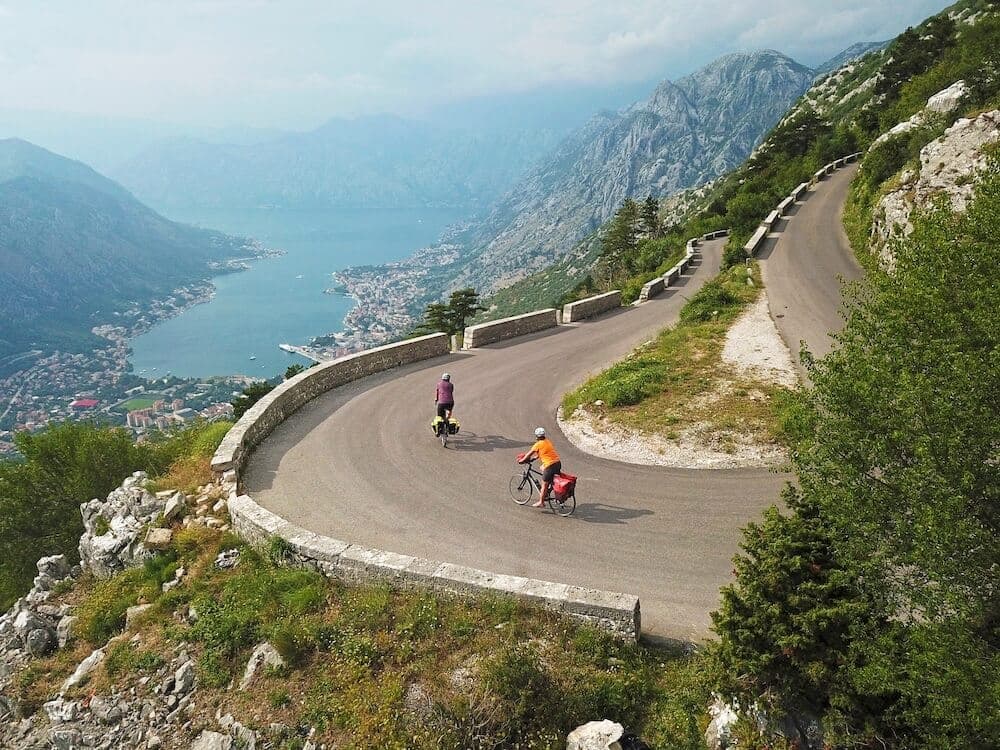
7 days · Cycling
8 days · Cycling
8 days · Hiking
8 days · Cycling
7 days · Cycling
7 days · Hiking
1 day · Cycling
1 day · Cycling
1 day · Cycling
9 days · Cycling
8 days · Cycling
7 days · Cycling
7 days · Cycling
1 day · Multi-activity
from € 160,- / per person
Meet your guides
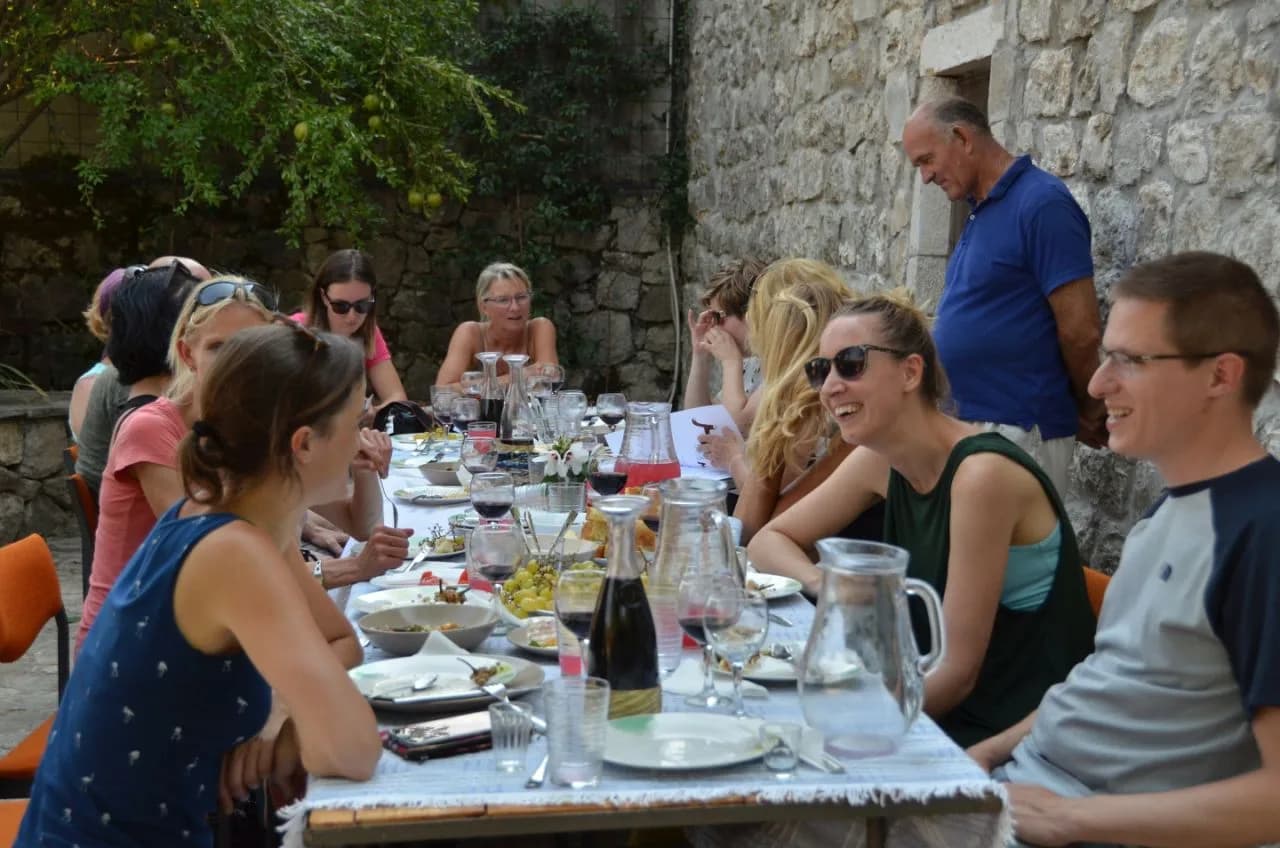
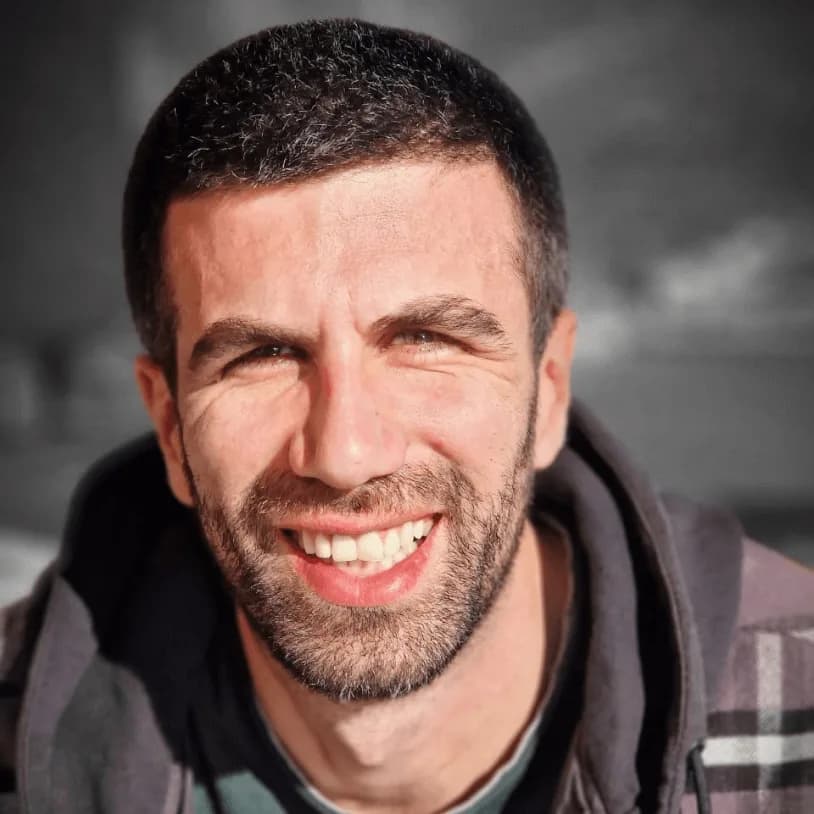
We live in Lake Skadar. We walk these trails, ride these roads and eat in these konobas every week. When you book with us, you’ll usually speak directly to one of the people who’ll be guiding you.
Meet the whole team →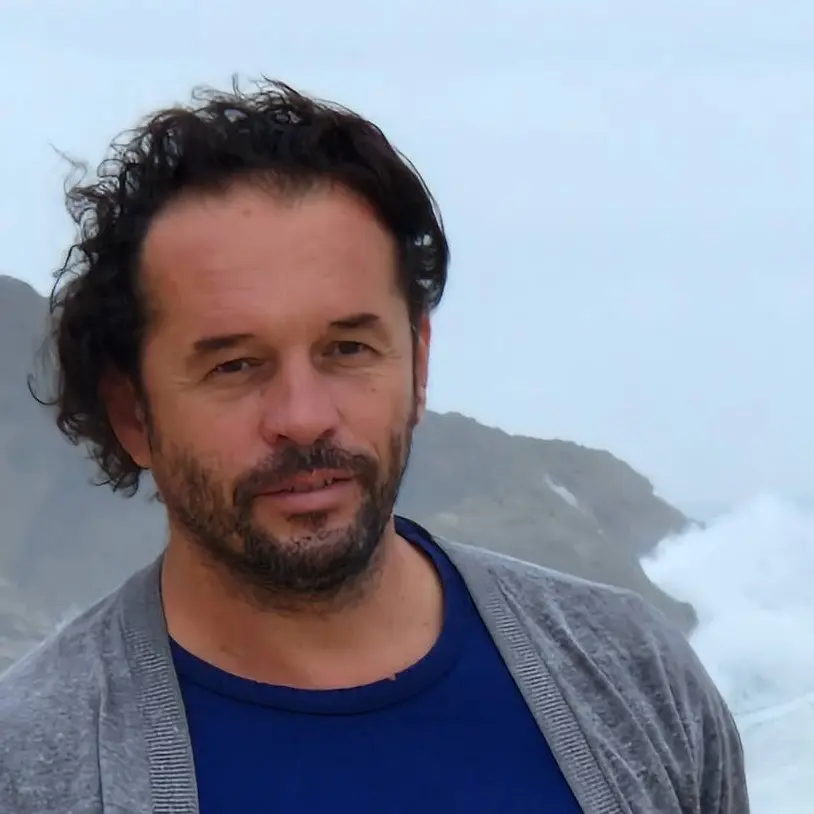
Management
Quality assurance, sales and communication.

Management
Product development, sustainability and marketing.
Tour operations manager
Backoffice — keeps every trip running smoothly on the ground.

Reservations & group tour operations
Backoffice — bookings, group logistics and guest care.
Tell us roughly when, who's travelling and what kind of pace you like. We'll send back a draft itinerary within 1–2 days, no payment until you're happy with the plan.
Plan your trip