


AlbaniaCroatiaMontenegroBosnia and Herzegovina
8 days · Cycling
Road cycling adventure - Bosnia, Croatia, Montenegro and Albania
▲▲▲▲▲Moderate
Walking · Hiking · Cycling · Bosnia and Herzegovina
Walking, hiking and cycling holidays in Trebinje, self-guided or with a local guide. Trebinje sits on the Trebišnjica river in Republika Srpska, 27 km from the Adriatic and 30 km from Dubrovnik. It rewards a visit with a walled Ottoman old town, a 16th-century bridge on nine arches, a hilltop monastery finished in 2000 and monastery vineyards worked since the late 13th century. At 275 m elevation, with a population of about 31,000, it makes an unhurried base for East Herzegovina, well within a day's reach of the coast.
Why Trebinje
We've spent years walking, hiking and cycling across Trebinje in every season. The trips below are built around the routes that work — the quiet ones, the beautiful ones, the ones with great food at the end of the day.
If none of them quite fit, get in touch. We'll happily build you a private version, shaped around your interests, fitness and pace.
How we travel here
Walking
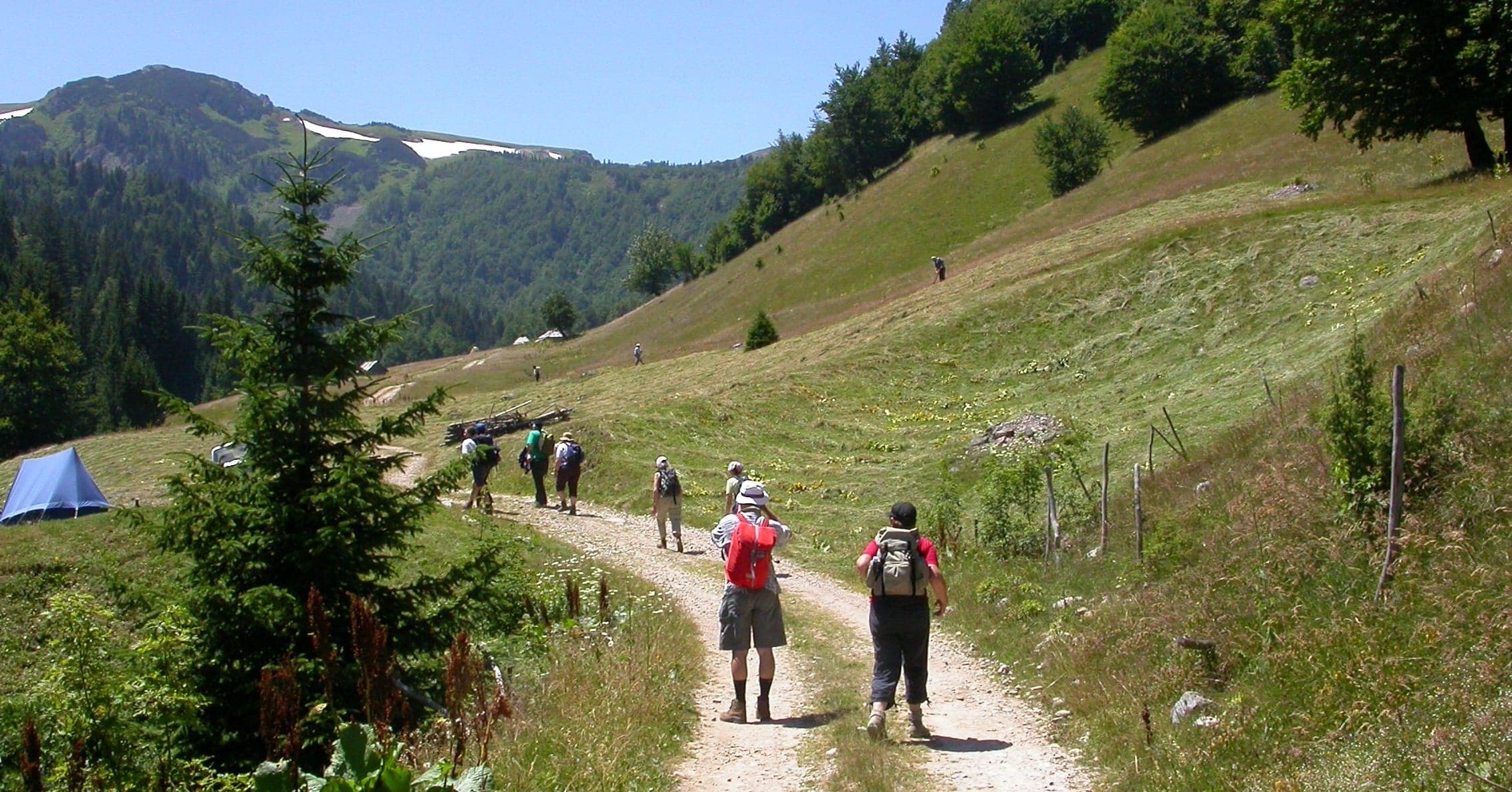
Coastal trails, village paths and slow days on foot, with time to stop.
Hiking
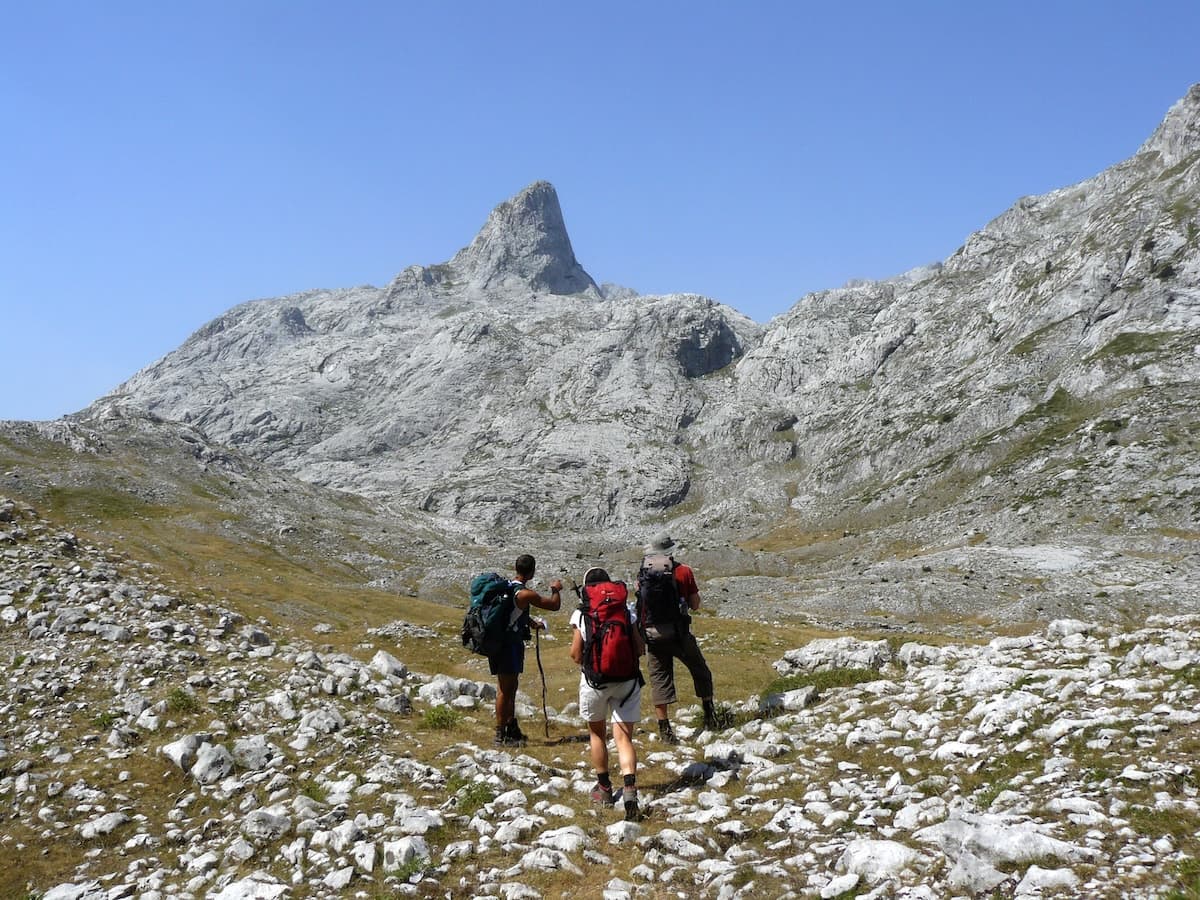
Mountain trails, hut-to-hut days and summit walks, graded honestly.
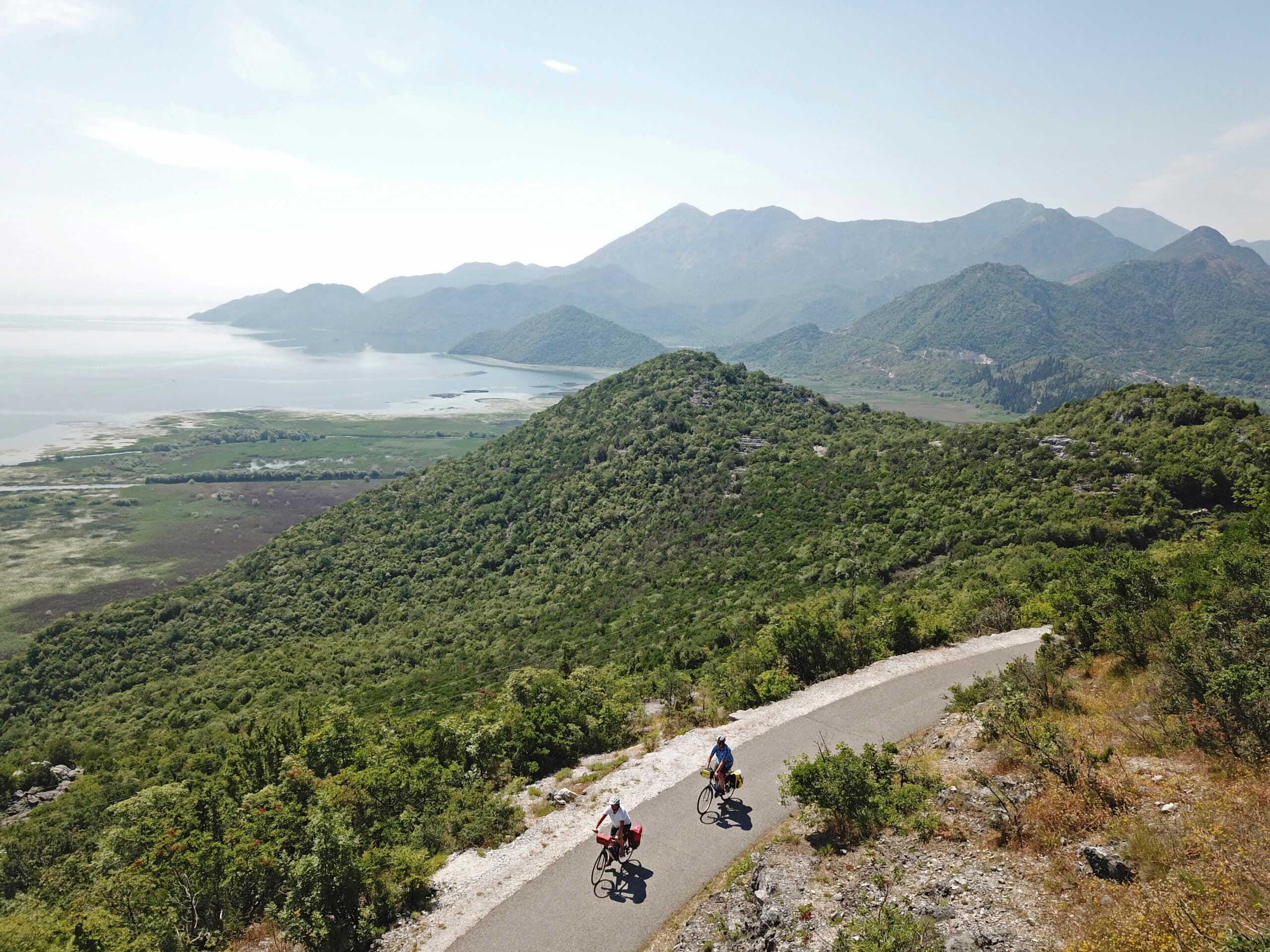
Cycling
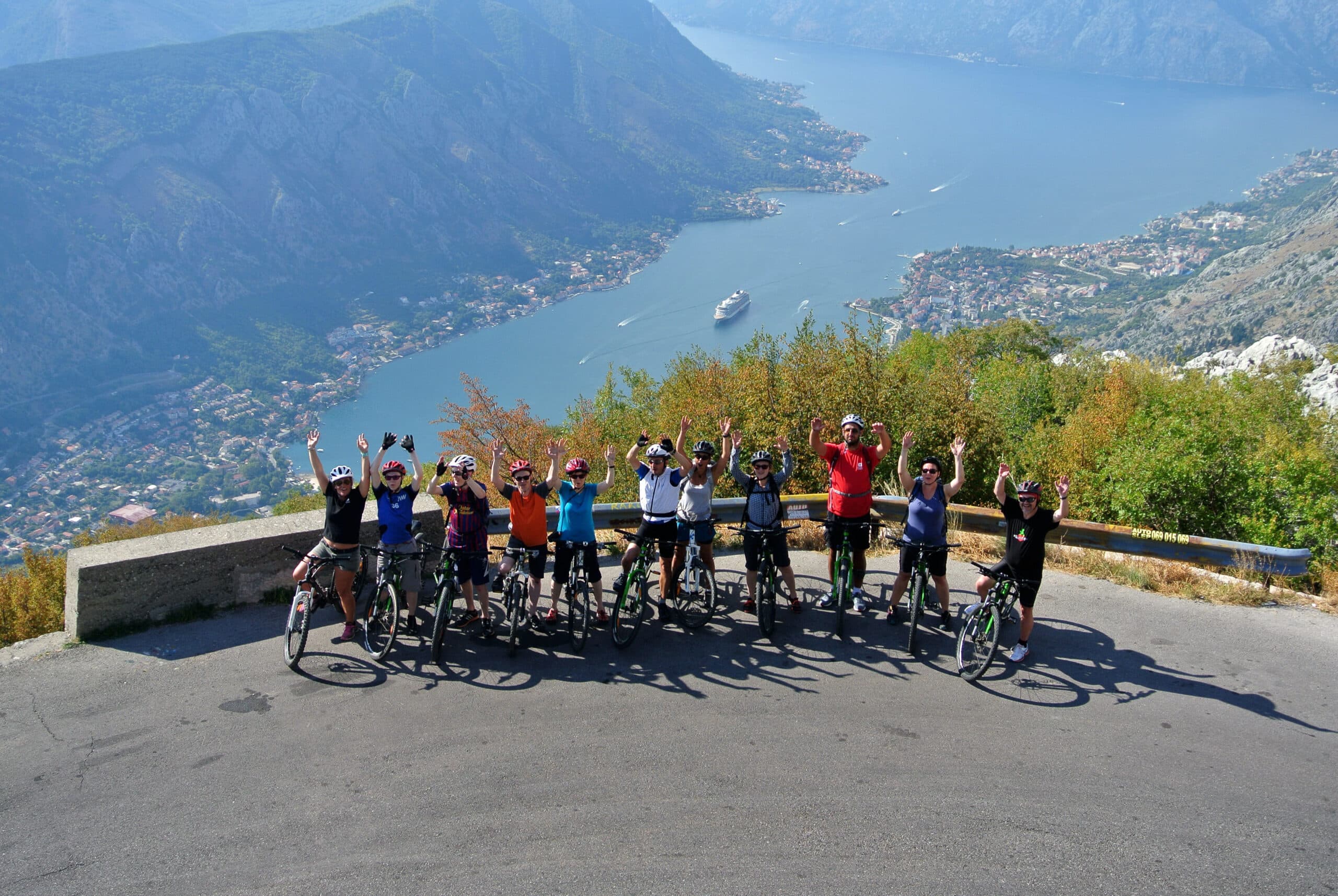
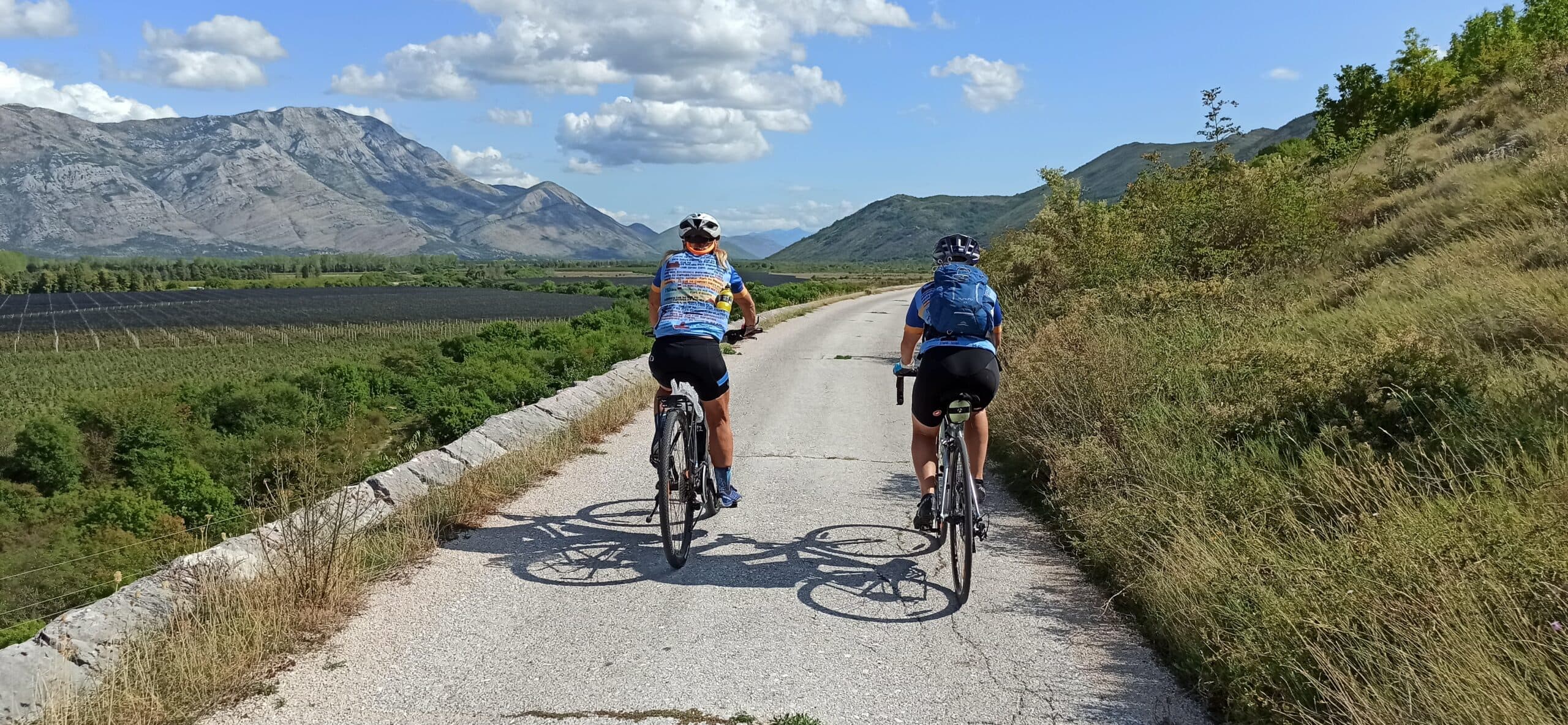
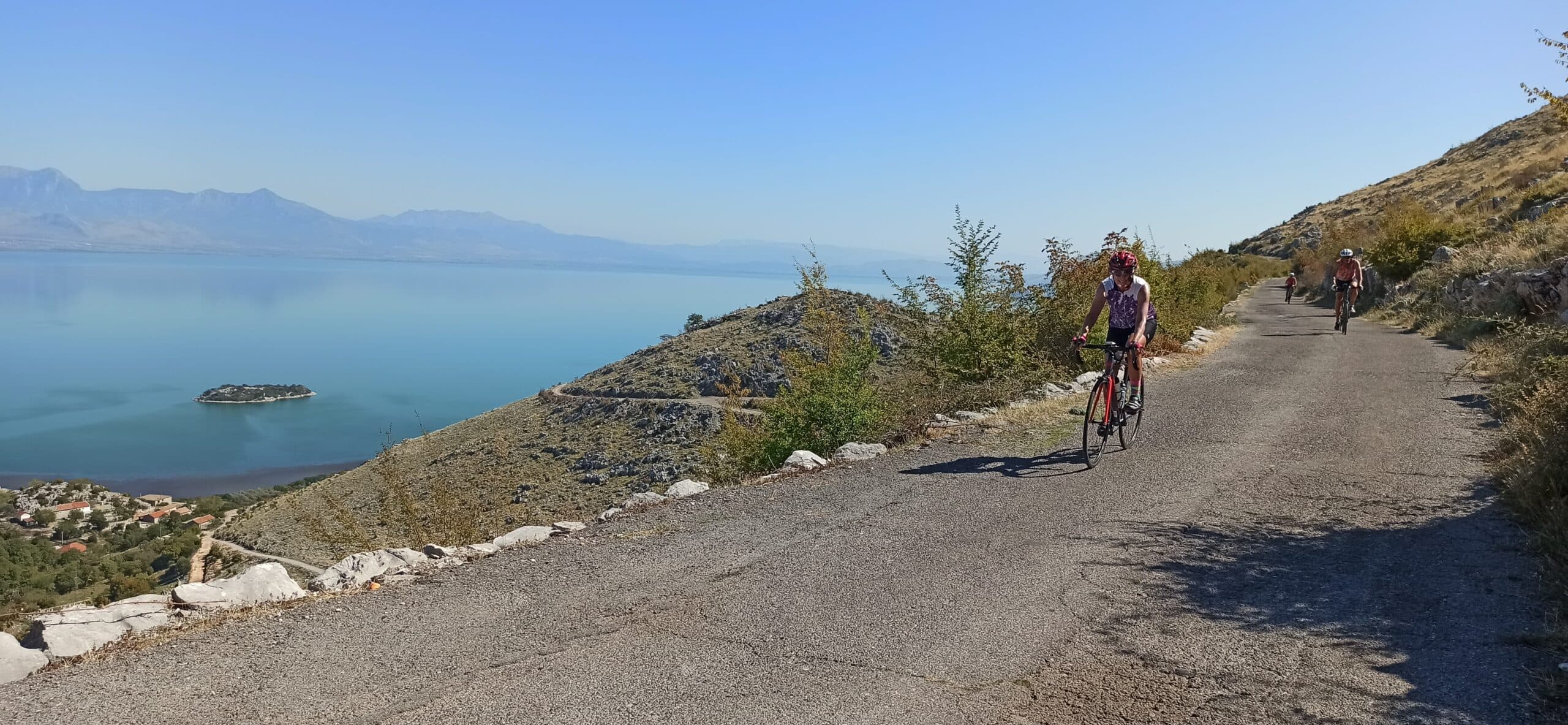
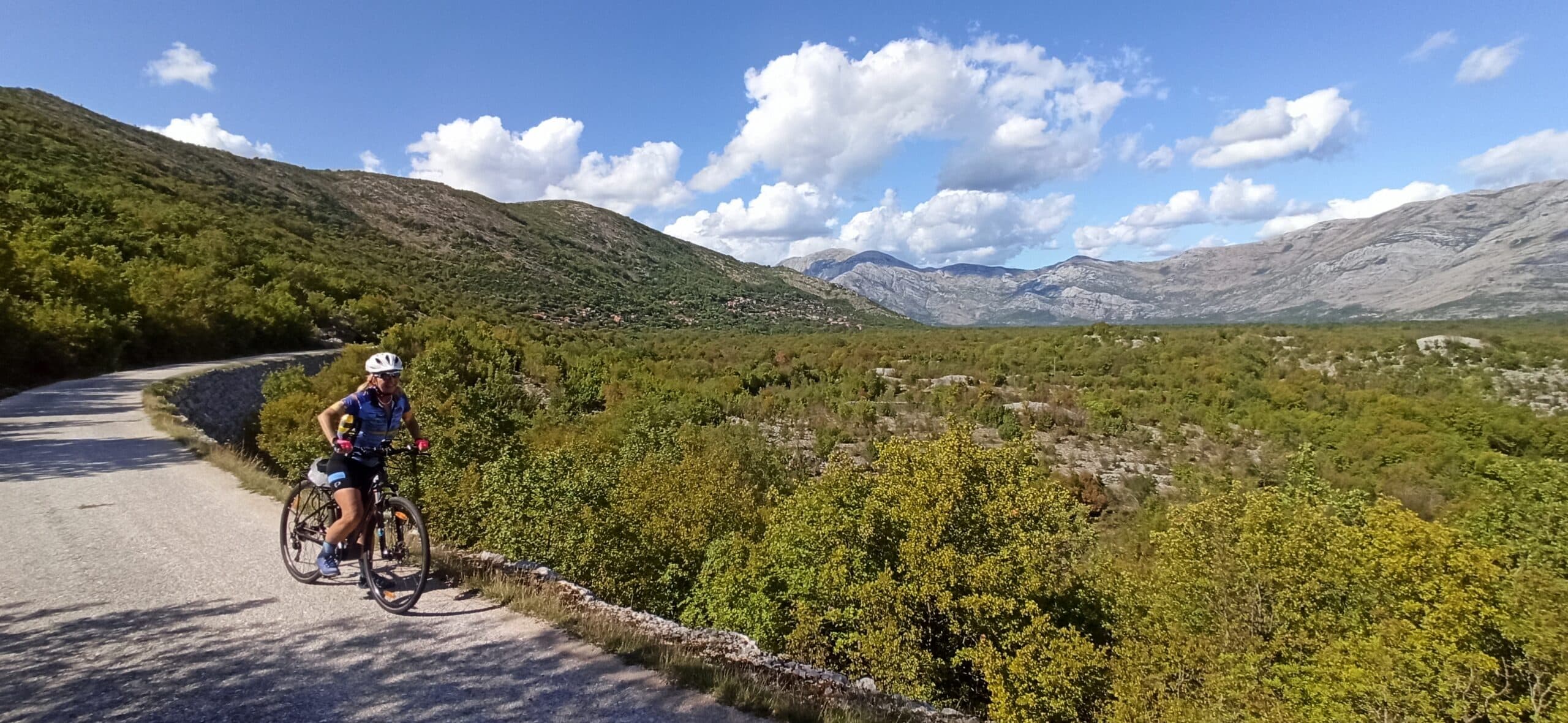
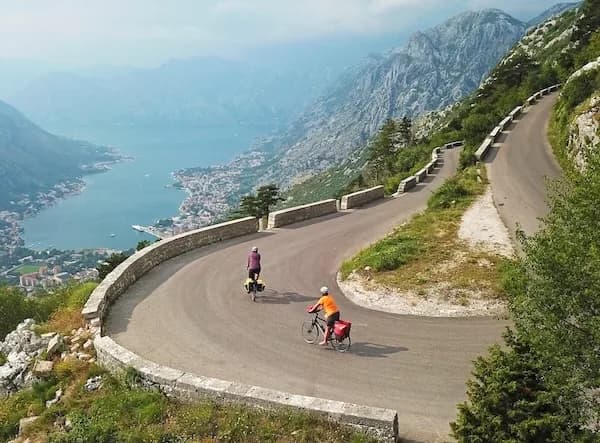
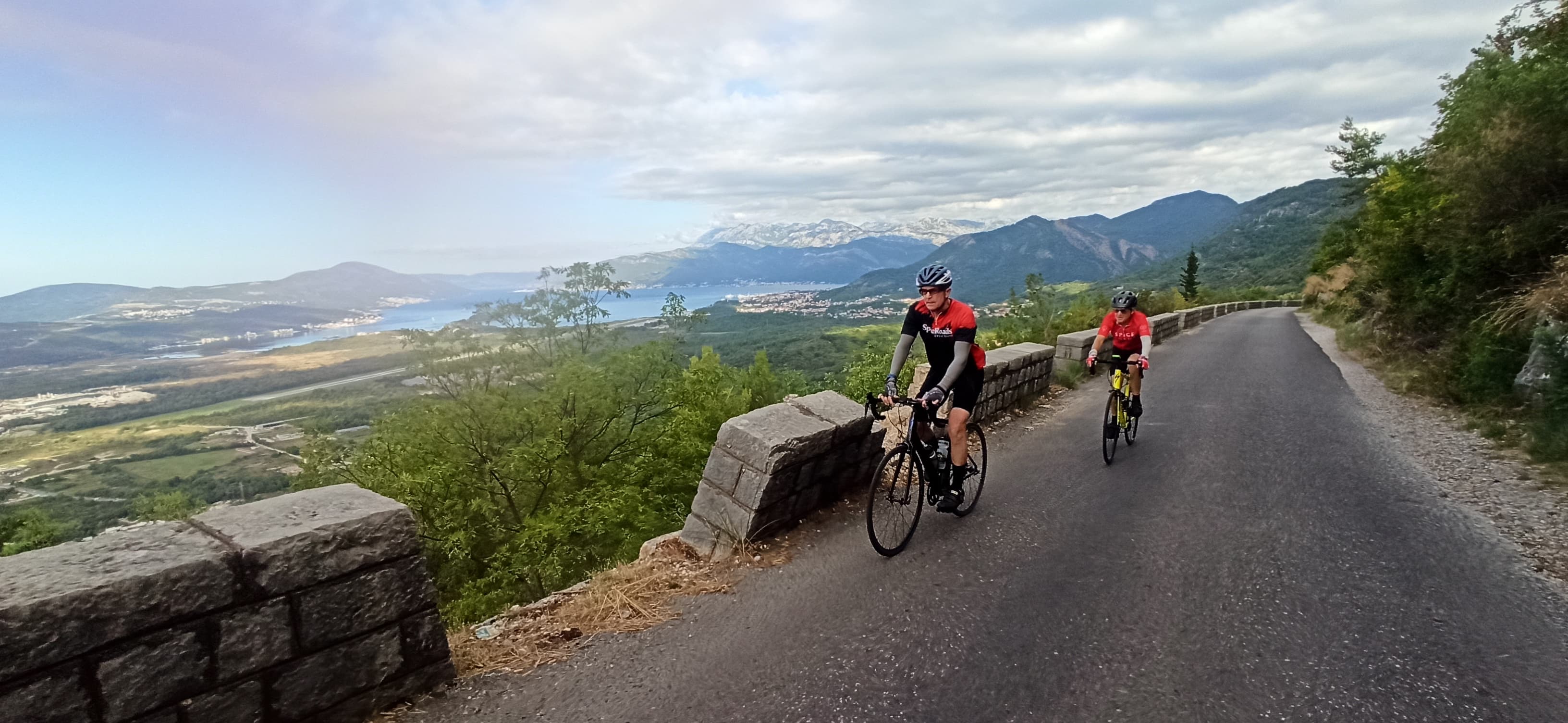
Quiet back roads and gravel routes — road, gravel and e-bike, with luggage moved between stays.
Travel guide
Trebinje is a city and municipality in Republika Srpska, the entity within Bosnia and Herzegovina, set in the region of East Herzegovina. It is not a national park, so there are no park designations or entry fees. City status was granted in July 2012, and the municipality gathers 178 settlements across 854.05 km² at an elevation of 275 m. The 2013 census recorded 31,433 residents, 25,589 of them urban, giving a density of 36.8 per km². The city is the southernmost in Bosnia and Herzegovina, laid out along the Trebišnjica, and lies only 27 km from the sea. First mentioned as Tribunija in the tenth century by Constantine Porphyrogenitus, it belonged to the Byzantine archontate, became the centre of Travunia in the fourteenth century within the Nemanjić state, and fell under Ottoman rule in the fifteenth century. The poet and diplomat Jovan Dučić (1872–1943) was born here; his remains lie at the Hercegovačka Gračanica monastery.
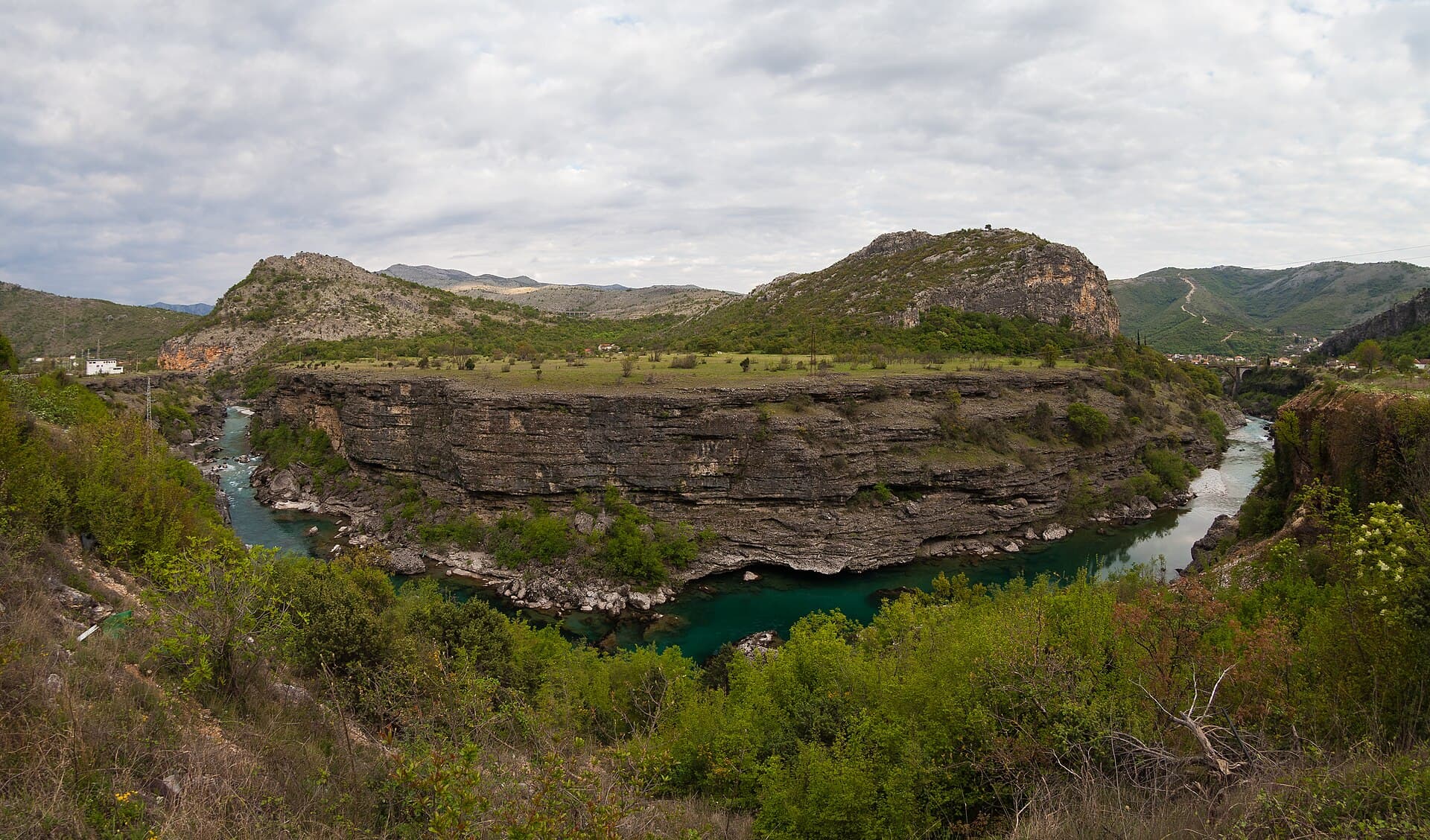
Goran Andjelic ( Hrast ) · CC BY-SA 3.0 · Wikimedia Commons
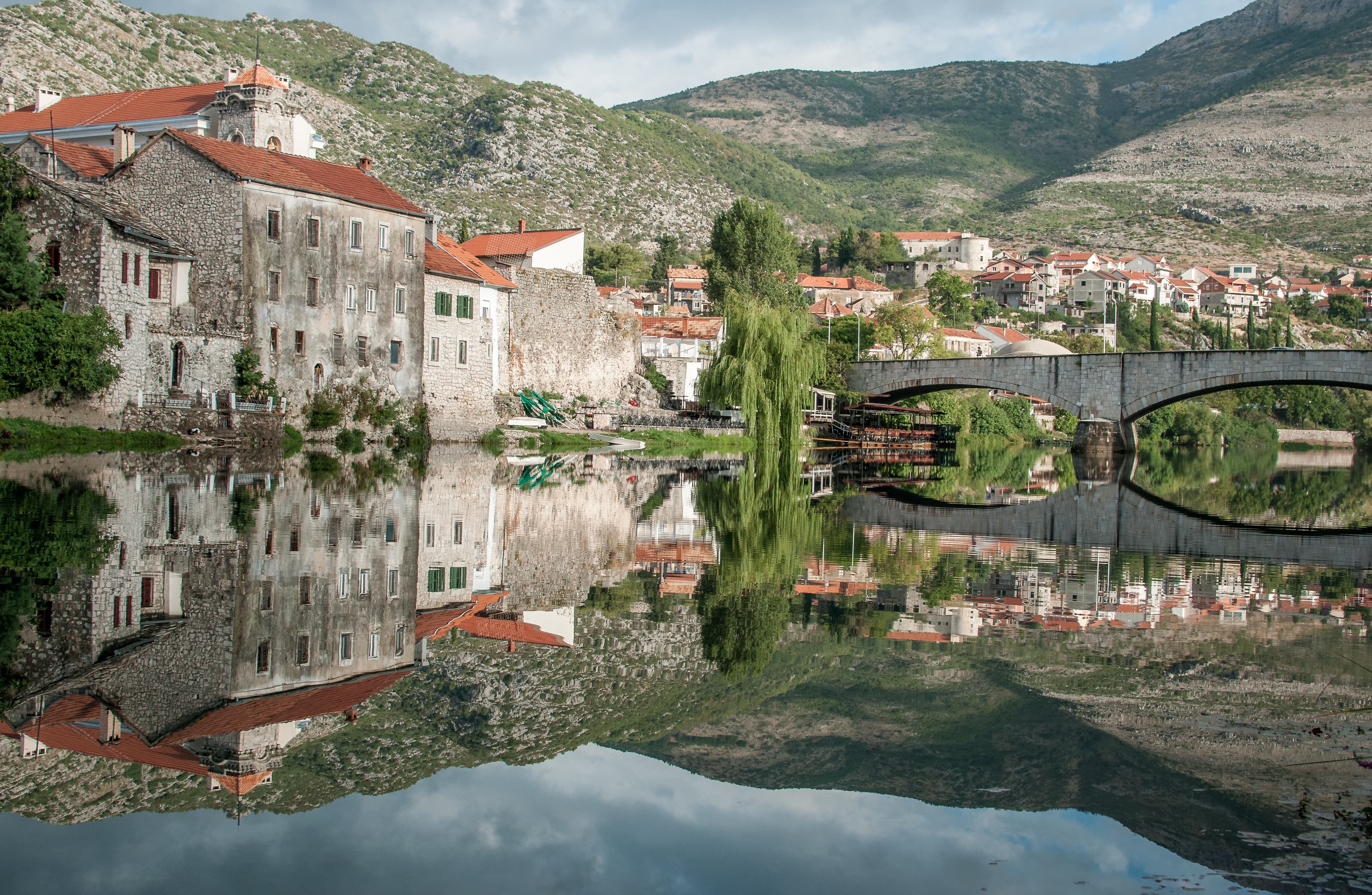
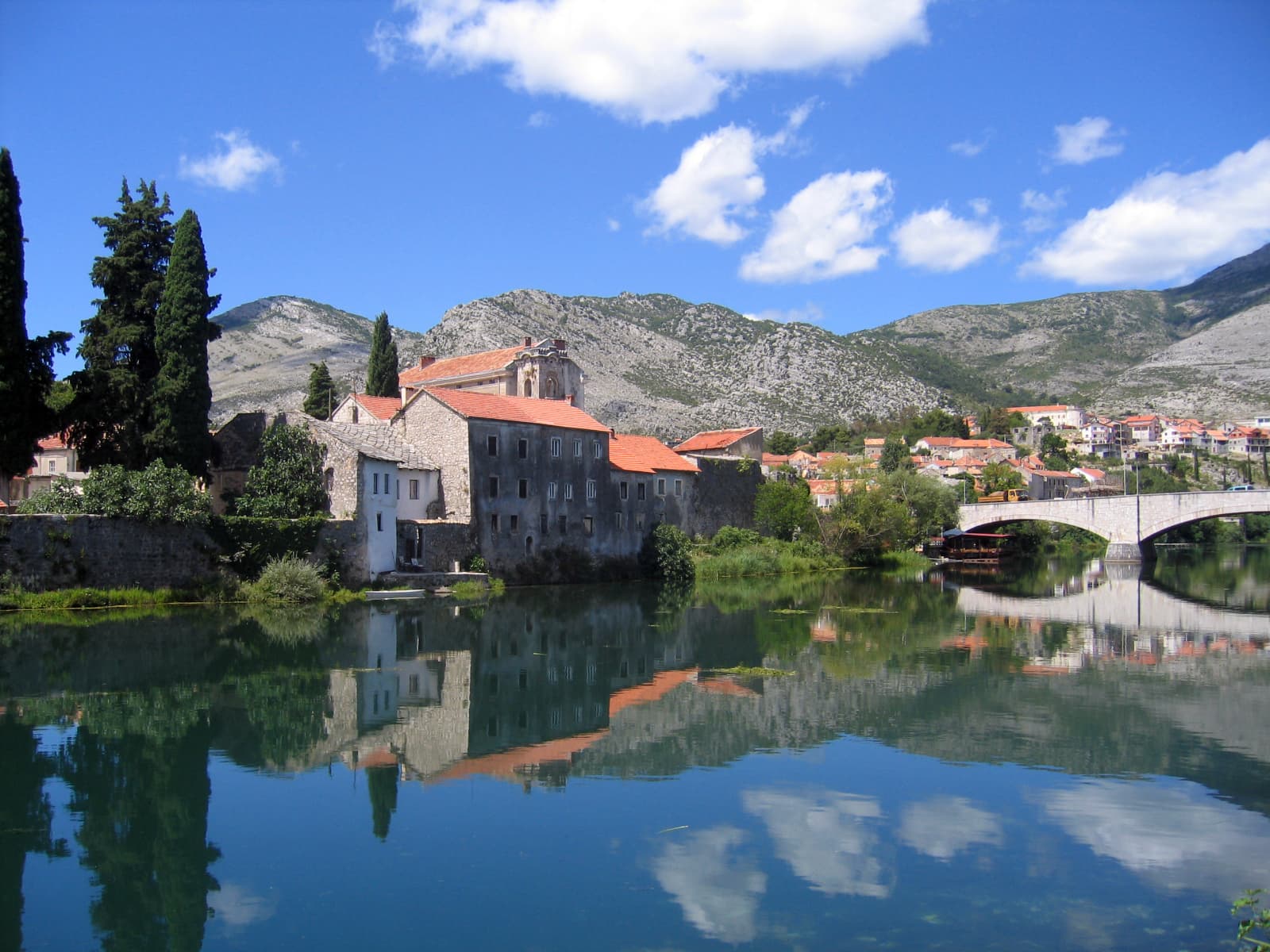
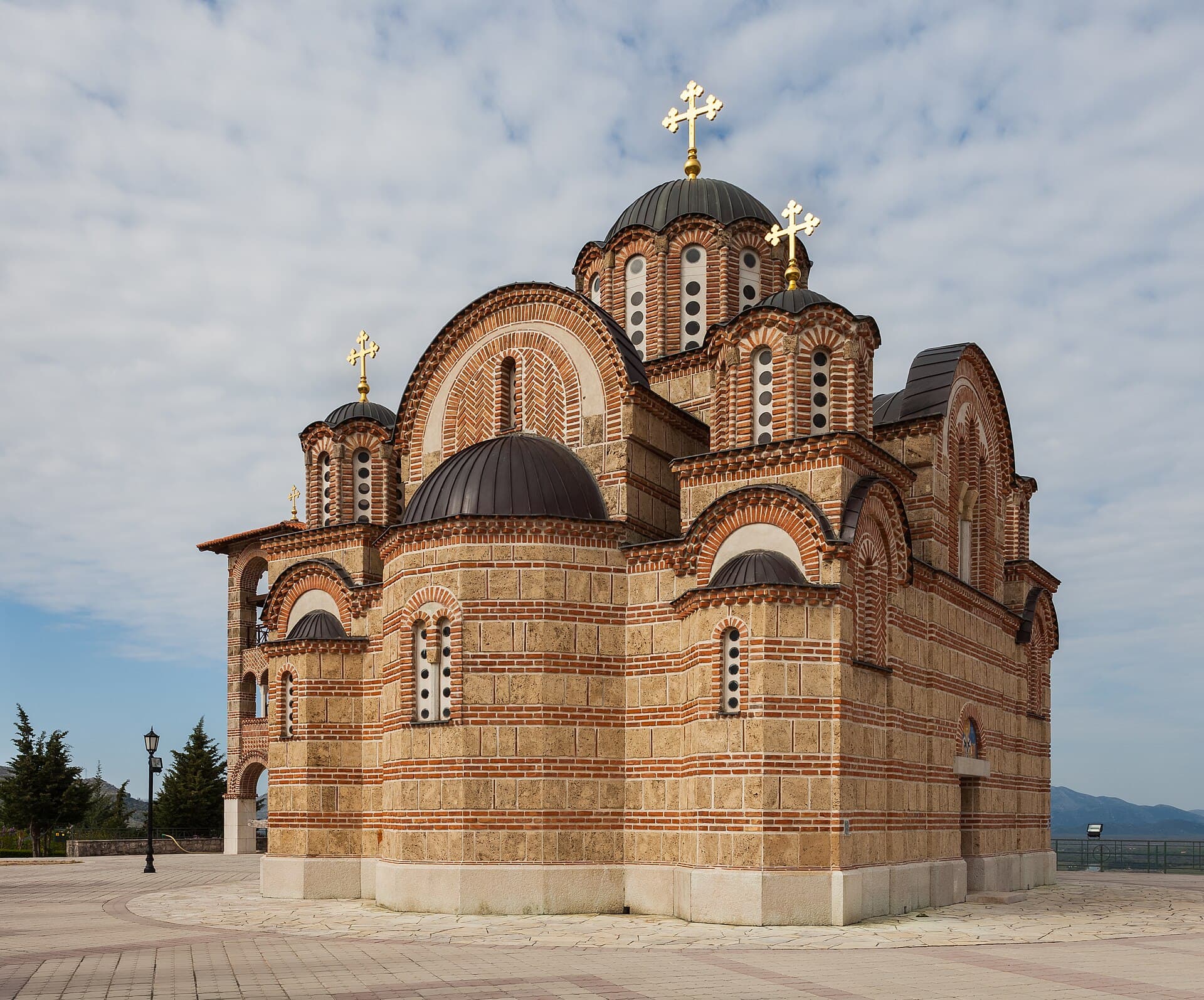
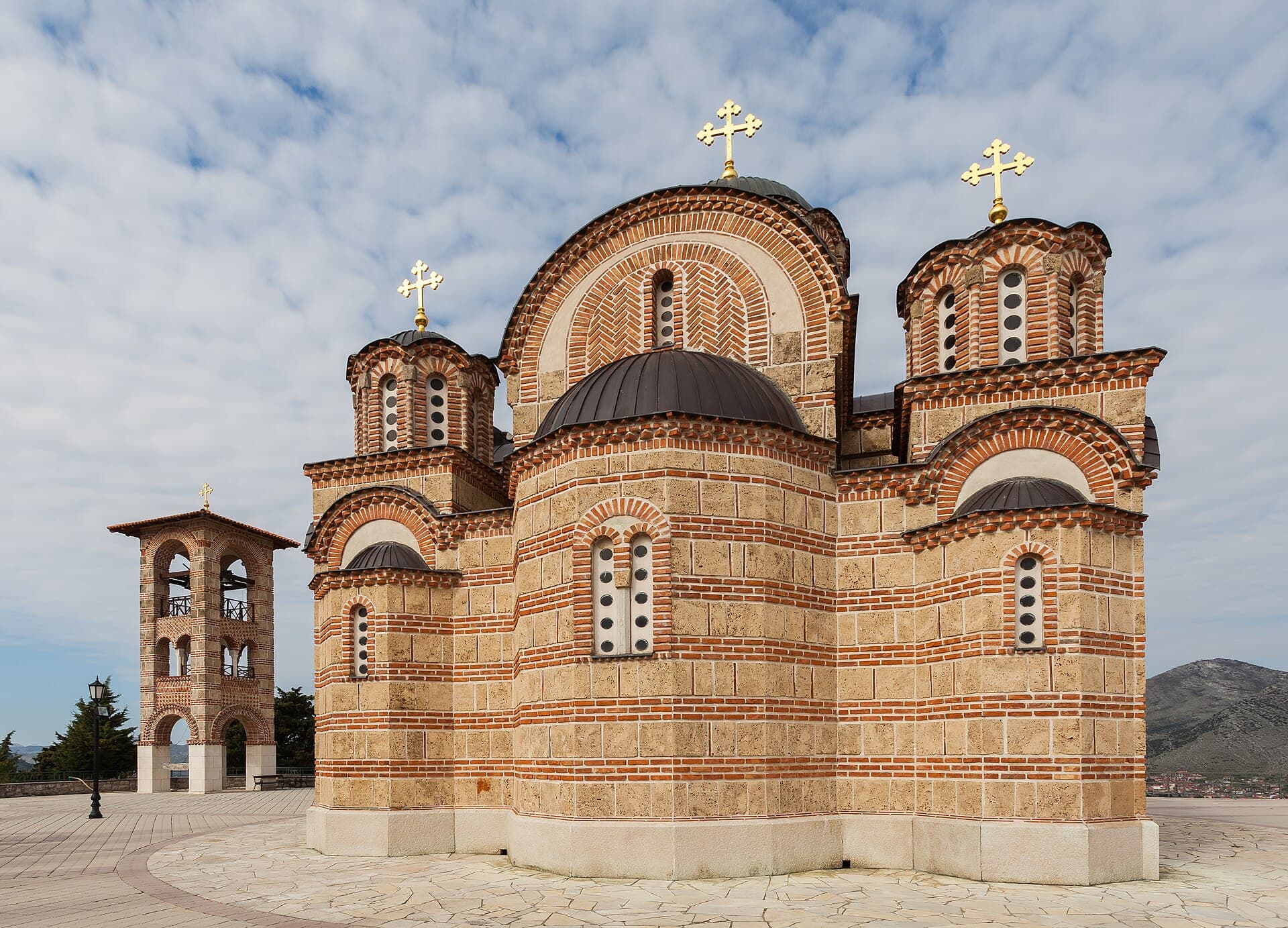
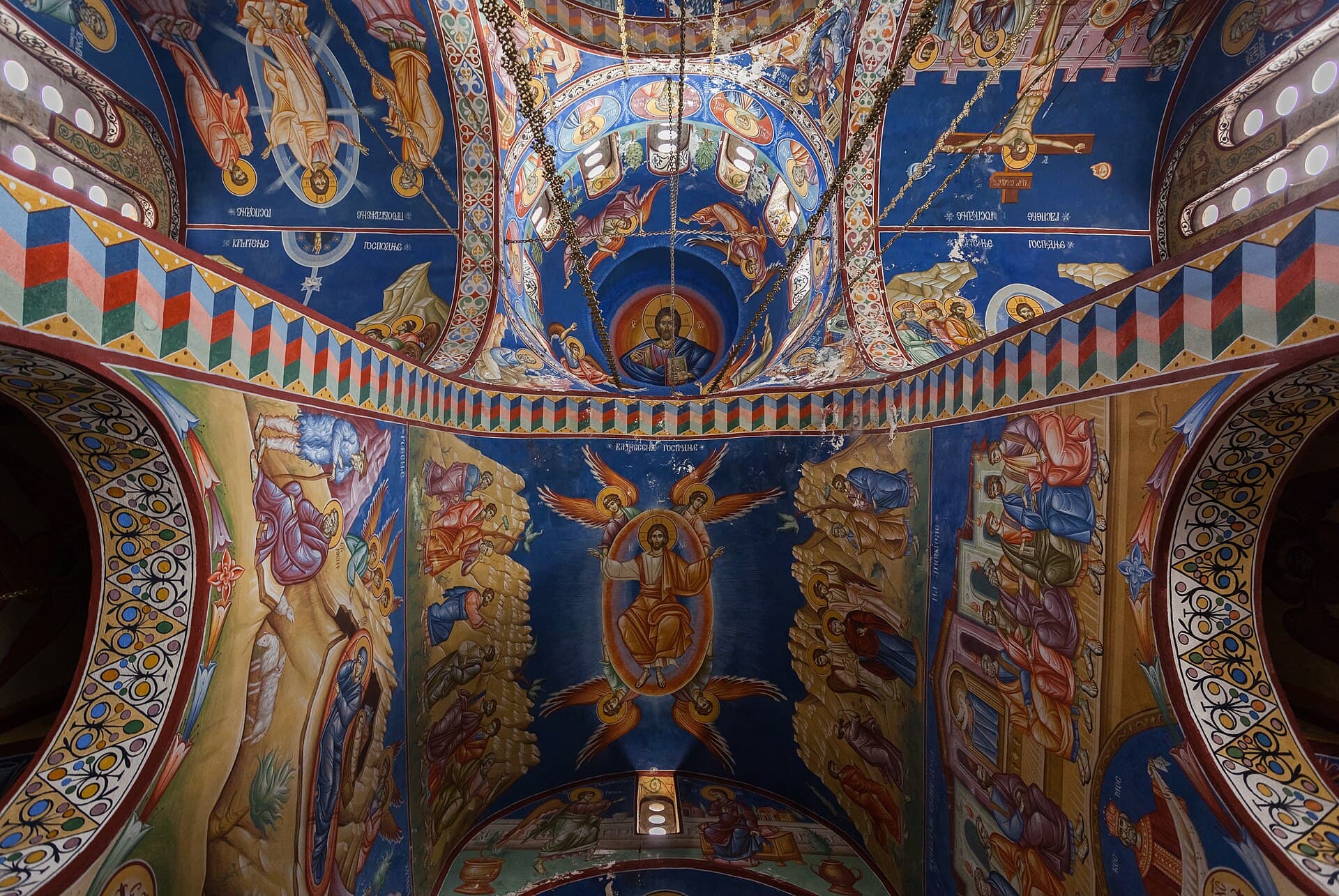
The Arslanagić (Perović) Bridge crosses the Trebišnjica on nine arches, 92 m long and 3.60 m wide; Ottoman-built in the 16th century (dates are disputed across sources), it stood 10 km upstream until moved to its present site in 1966 and is a National Monument of BiH. In the walled old town, the Osman Pasha Mosque dates from 1726, the second-oldest in town, while the Kastel fortress reached its final form with towers, canals and ramparts by 1740. On Crkvina Hill about 3 km from the centre stands Hercegovačka Gračanica, a Serbian Orthodox monastery completed in 2000 and modelled on the Gračanica monastery in Kosovo of 1321; the complex holds a church, bell tower, episcopal palace, amphitheatre and restaurant, and is the resting place of Jovan Dučić. The Museum of Herzegovina, founded in 1952 on Dučić's vision, occupies 1,500 m², about half given to permanent displays.
Diego Delso · CC BY-SA 3.0 · Wikimedia Commons
Trebinje's compact old town, its riverside and Crkvina Hill lend themselves to walking: the monastery sits roughly 3 km from the centre, and Tvrdoš Monastery lies about 2.5 miles (4 km) west of the old town above the right bank of the Trebišnjica, both reachable on foot or by bicycle on quiet approaches. The Trebišnjica corridor, at 275 m elevation, gives level ground along the river between viewpoints and bridges. The wider municipality spreads over 854.05 km² through East Herzegovina, with the karst country around Bileća, where the river's cave springs emerge, within cycling reach. For route distances, surfaces, timings and grading on the walks and rides we run from Trebinje, see Coastal and border proximity makes point-to-point itineraries towards the Adriatic practical.
Diego Delso · CC BY-SA 3.0 · Wikimedia Commons
The nearest airport is Dubrovnik (Čilipi), around a 30-minute drive; its shuttle bus terminates at Dubrovnik's main bus station in Gruž. Driving from Dubrovnik takes 30–50 minutes including the Brgat border crossing, a road distance of roughly 30 km. There is no direct bus from Trebinje to Dubrovnik; services run via Herceg Novi and take about 5 hours 25 minutes with transfers, so a car or transfer is far quicker across the border. FlixBus links Trebinje with Mostar. Sarajevo is 224 km (139 miles) by road, about 4 hours 11 minutes in normal traffic. The sea lies just 27 km away. The old town, museum, mosque and Kastel cluster within walking distance in the centre, while Hercegovačka Gračanica (about 3 km) and Tvrdoš Monastery (about 4 km) are short drives or cycles.
Diego Delso · CC BY-SA 3.0 · Wikimedia Commons
Trebinje is a city rather than a protected park, so there is no park admission. The one opening time documented in our research is Hercegovačka Gračanica, cited as open 07:00–18:30. For admission to the Museum of Herzegovina and for visiting and tasting arrangements at Tvrdoš Monastery, confirm current fees and hours directly with each site or the Trebinje tourism office before travelling, as reliable published figures were not available. At 275 m elevation and only 27 km from the Adriatic, the climate is mild; spring and autumn suit walking and cycling best, avoiding the height of summer heat. Border queues at Brgat can lengthen in peak season, so allow extra time on the Dubrovnik crossing.
Our journeys
3 journeys planned by our team in Podgorica — from gentle coastal weeks to high-mountain crossings.
Build your own trip →8 days · Cycling
7 days · Cycling
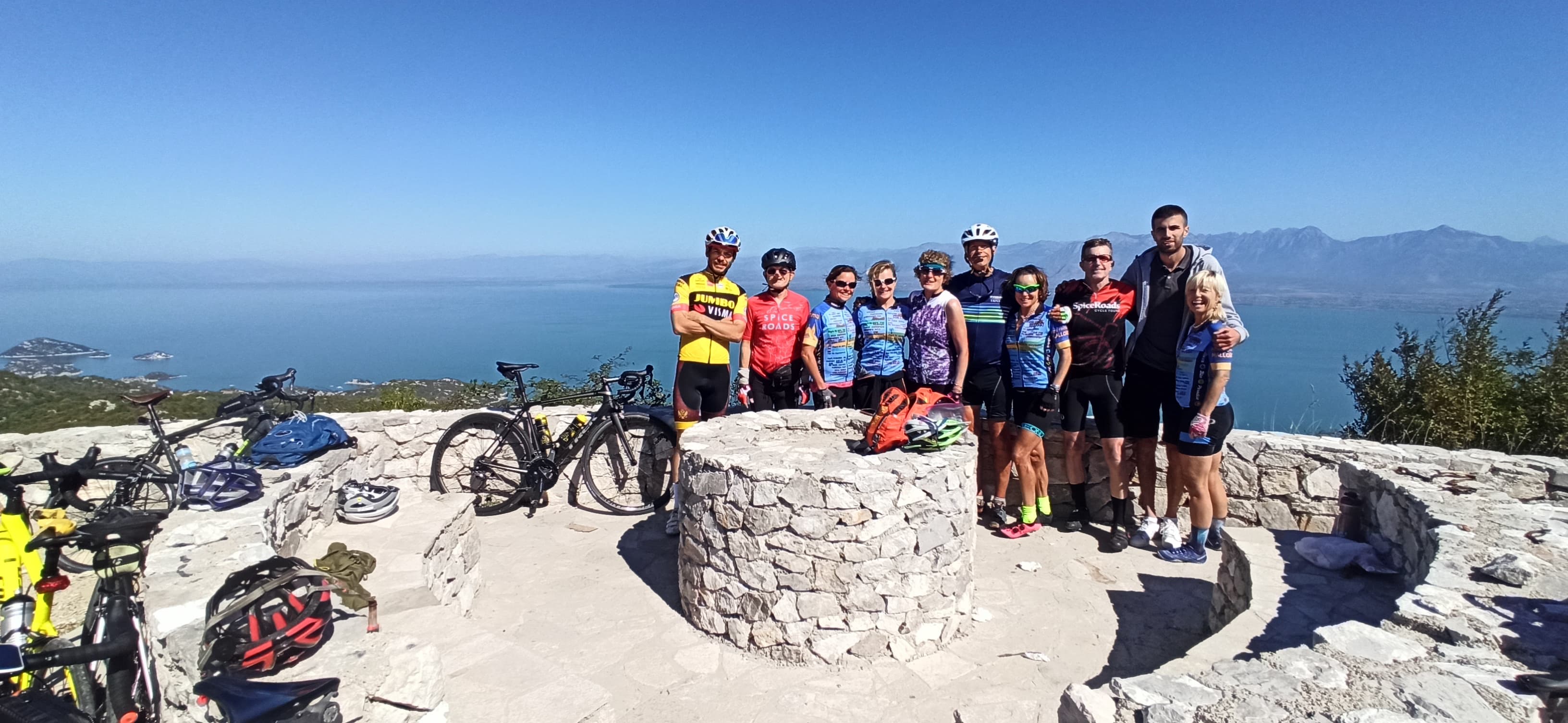
7 days · Cycling
Meet your guides
We live in Trebinje. We walk these trails, ride these roads and eat in these konobas every week. When you book with us, you’ll usually speak directly to one of the people who’ll be guiding you.
Meet the whole team →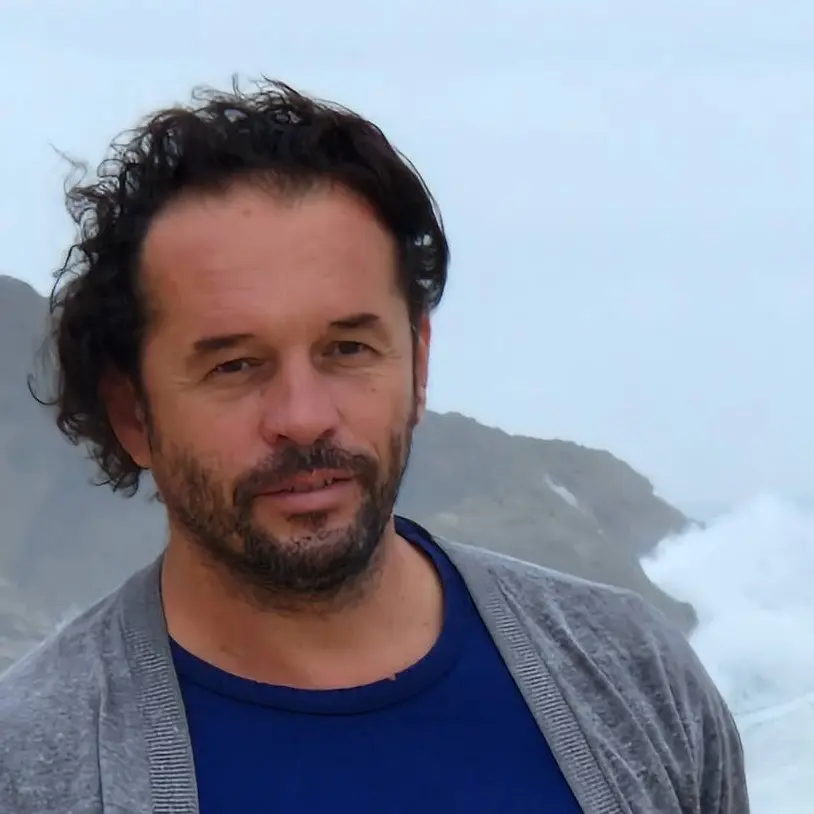
Management
Quality assurance, sales and communication.

Management
Product development, sustainability and marketing.
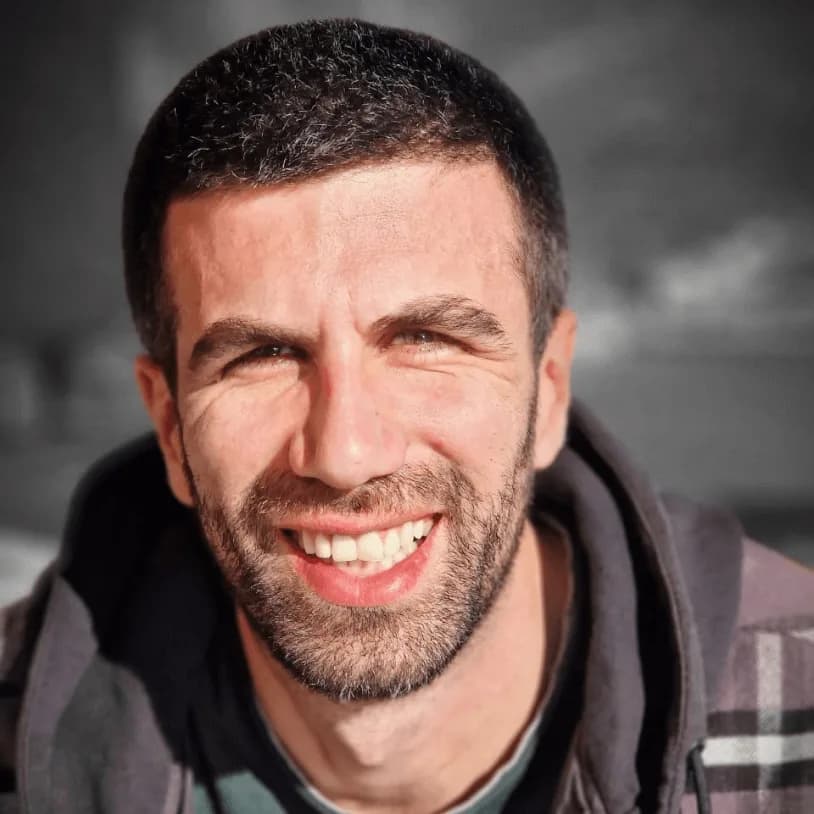
Tour operations manager
Backoffice — keeps every trip running smoothly on the ground.

Reservations & group tour operations
Backoffice — bookings, group logistics and guest care.
Tell us roughly when, who's travelling and what kind of pace you like. We'll send back a draft itinerary within 1–2 days, no payment until you're happy with the plan.
Plan your trip