


Planning
Montenegro vs Croatia: Which to Choose for Walking, Cycling and Value
ByBorislav Jablan · · 7 min read
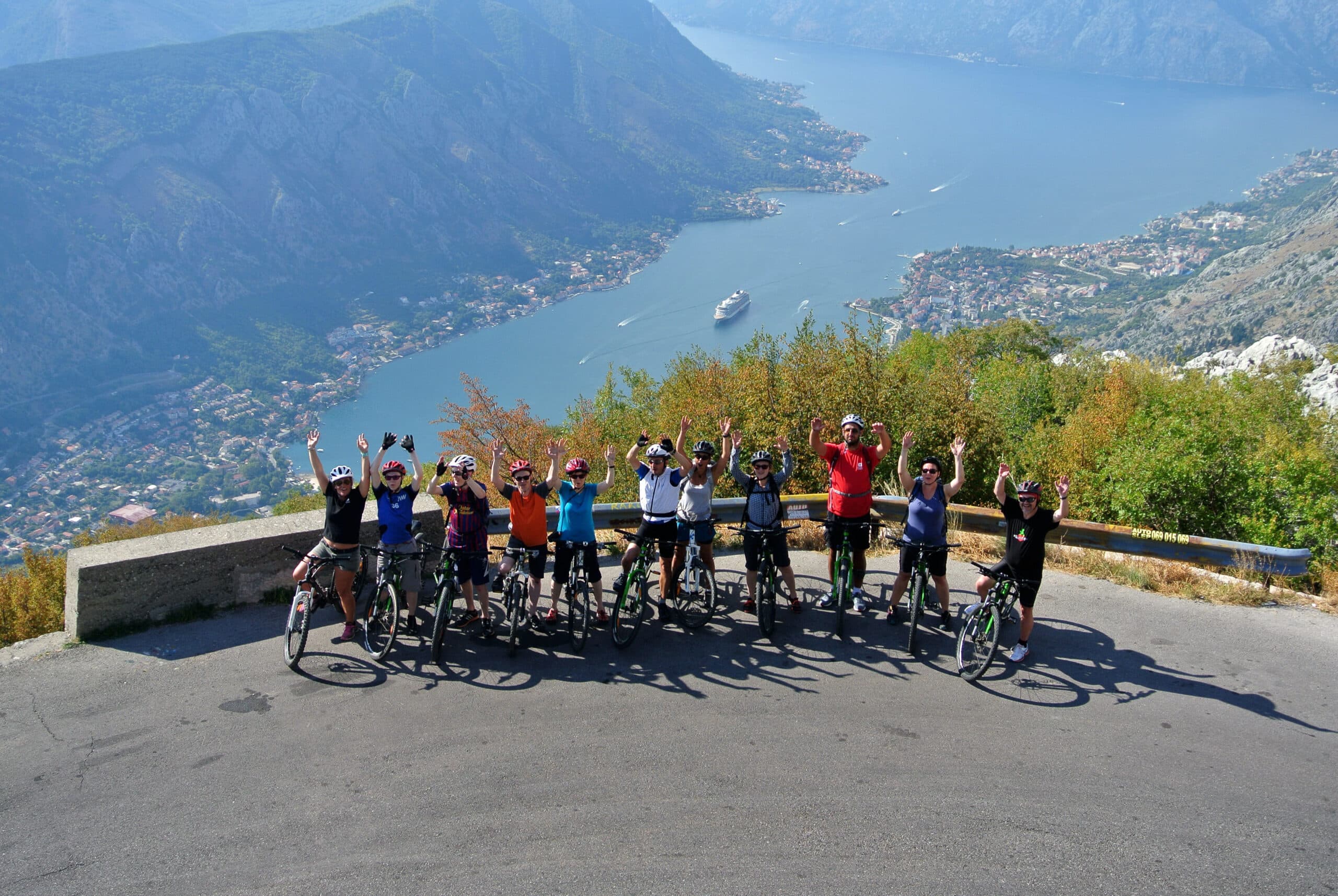
Croatia wins on islands, sailing, ferries and flight choice; Montenegro wins on cost, uncrowded mountains and the fact that you can walk high ridges and swim in the Adriatic on the same day. If you can't decide, fly into Dubrovnik and do both — Kotor is about 95 minutes from the airport.
Choose Croatia if you want islands, sailing and a wide choice of direct flights. Choose Montenegro if you want mountains next to the sea, lower prices and an interior that is genuinely quiet. We run trips in both countries, and the honest answer is that they are good at different things — so the smart move for many travellers is to combine them, because Dubrovnik Airport is only about 95 minutes' drive from the Bay of Kotor.
Below is what actually separates them for someone on foot or on a bike: cost, crowds, driving distances, terrain and season. We've been careful with prices — anything we couldn't verify to a current figure is flagged rather than guessed.
Where each country wins
Croatia is stronger at islands and island-hopping, its ferry network, sailing and charter, the breadth of its flight routes, and mainstream tourism infrastructure. If your idea of a holiday is hopping between islands by boat, Croatia does that better than anywhere in the region and Montenegro can't compete — it has a short coastline and no comparable island chain.
Montenegro is stronger at density, cost and quiet. From one base you can be in high mountains and back at sea level the same day, everyday prices are lower, and the interior sees a small fraction of the coast's traffic. If you want walking and cycling with elevation, Montenegro is the better buy.
Is Montenegro cheaper than Croatia?
Yes. On everyday costs Montenegro runs roughly 15–22% cheaper. Numbeo puts the cost of living in Croatia about 21.6% higher than Montenegro excluding rent; other Numbeo figures land around 16% lower for Montenegro. Both countries now use the euro — Croatia adopted it on 1 January 2023, and prices there have risen noticeably since.
To make that concrete, an inexpensive restaurant meal in Zagreb runs around €12, a mid-range three-course dinner for two about €56, and a cappuccino roughly €3–4 (Numbeo, indicative). Coastal Croatia — Dubrovnik, Split, Hvar — sits well above those national averages, so the gap you actually feel on the coast is wider than the headline percentage. Numbeo is crowd-sourced and averages hide big regional differences, so treat all of these as indicative rather than fixed.
Crowds and the cruise-ship effect: Dubrovnik vs Kotor
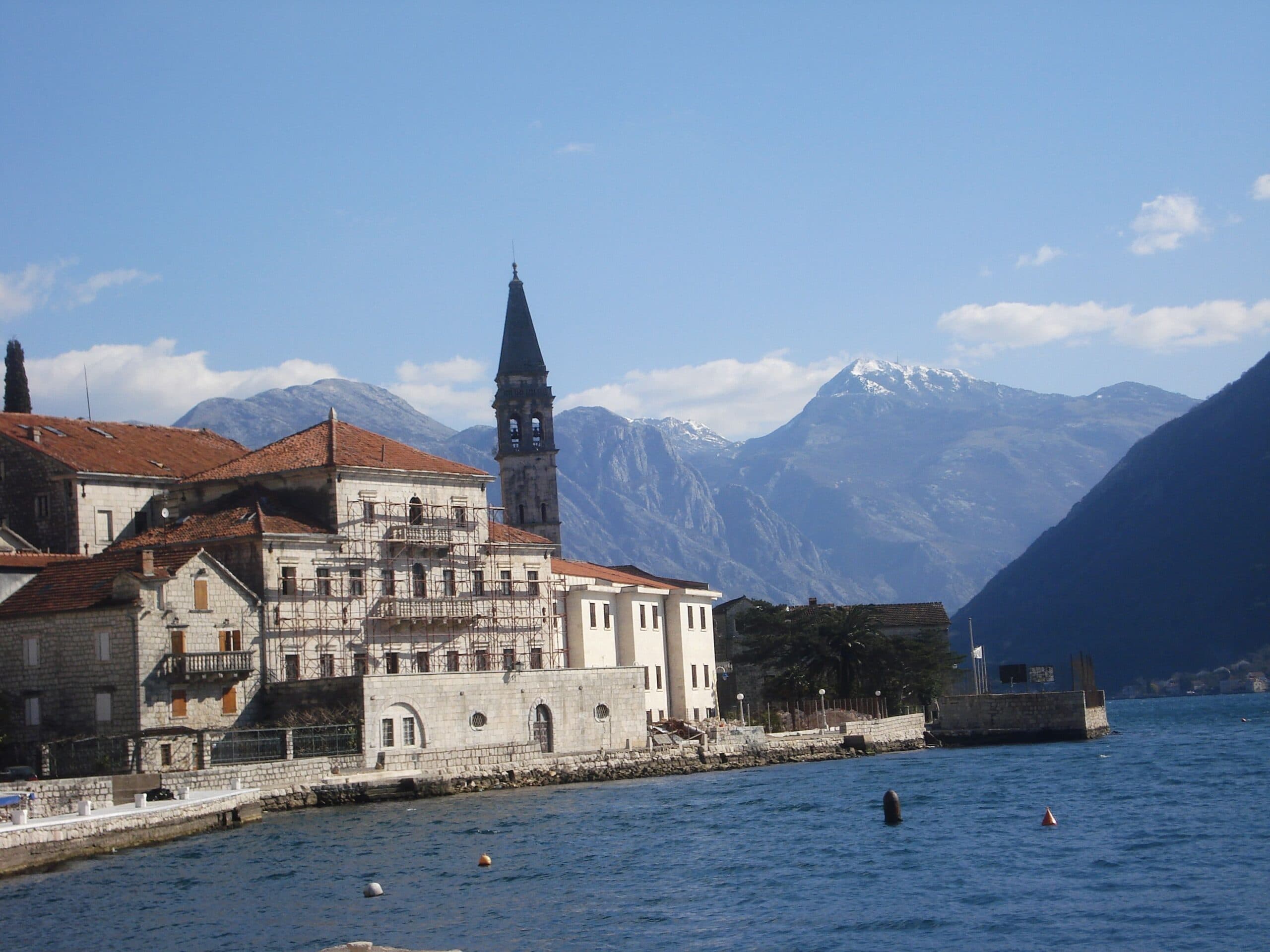
Both old towns get hammered by cruise ships, but the scale is different. Dubrovnik has a cap: a maximum of two ships and no more than 5,000 cruise passengers a day. It was still the region's busiest port in 2024 with 513 cruise calls, but the limit does something. Kotor has no equivalent EU-level protection, and it's a much smaller town — around 13,500 residents. In 2024 it saw a record 506 cruise arrivals and more than 700,000 passengers. On a two-ship day, Kotor's walls feel more crowded than Dubrovnik's simply because the town is tiny.
So neither old town is a refuge in July and August. The difference is what's behind them. Croatia's inland showpiece, Plitvice Lakes, drew nearly 1.5 million visitors in 2024. Montenegro's mountains don't come close to that — the country recorded about 2.6 million total arrivals across the whole year, and almost all of that stays on the coast. Walk an hour up from Kotor or drive into Durmitor and the crowds vanish. That's the real case for Montenegro: not that the coast is quiet, but that the interior is.
If you want to see Kotor's old town without the crush, go early morning or evening, and check the cruise schedule before you plan a walls day. Our Kotor tours are timed to work around the ships rather than into them.
Driving times: how far apart is everything?
Distances in Montenegro are short, which is the whole point. Dubrovnik Airport to Kotor is about 67 km and roughly 1h 35m, border queue permitting. Kotor to Sveti Stefan is around 37 minutes; Kotor to Budva about 25–40 minutes. Kotor into the Durmitor mountains at Žabljak is around 160 km and about 2h 40m — you can be on a 2,000 m plateau before lunch.
Croatia's coast is longer and things are farther apart. Split to Dubrovnik is roughly 230 km and three to four hours on the A1 and D8, depending on traffic. Island travel adds ferry timetables on top. Croatia rewards a slower, boat-based itinerary; Montenegro rewards a car and a base you keep for a week.
Walking and cycling terrain
This is where the two countries diverge most. Croatia's coast and islands suit coastal cycling, island cycling and sailing — the high mountains sit well inland, away from the sea. You don't get big vertical days near the water.
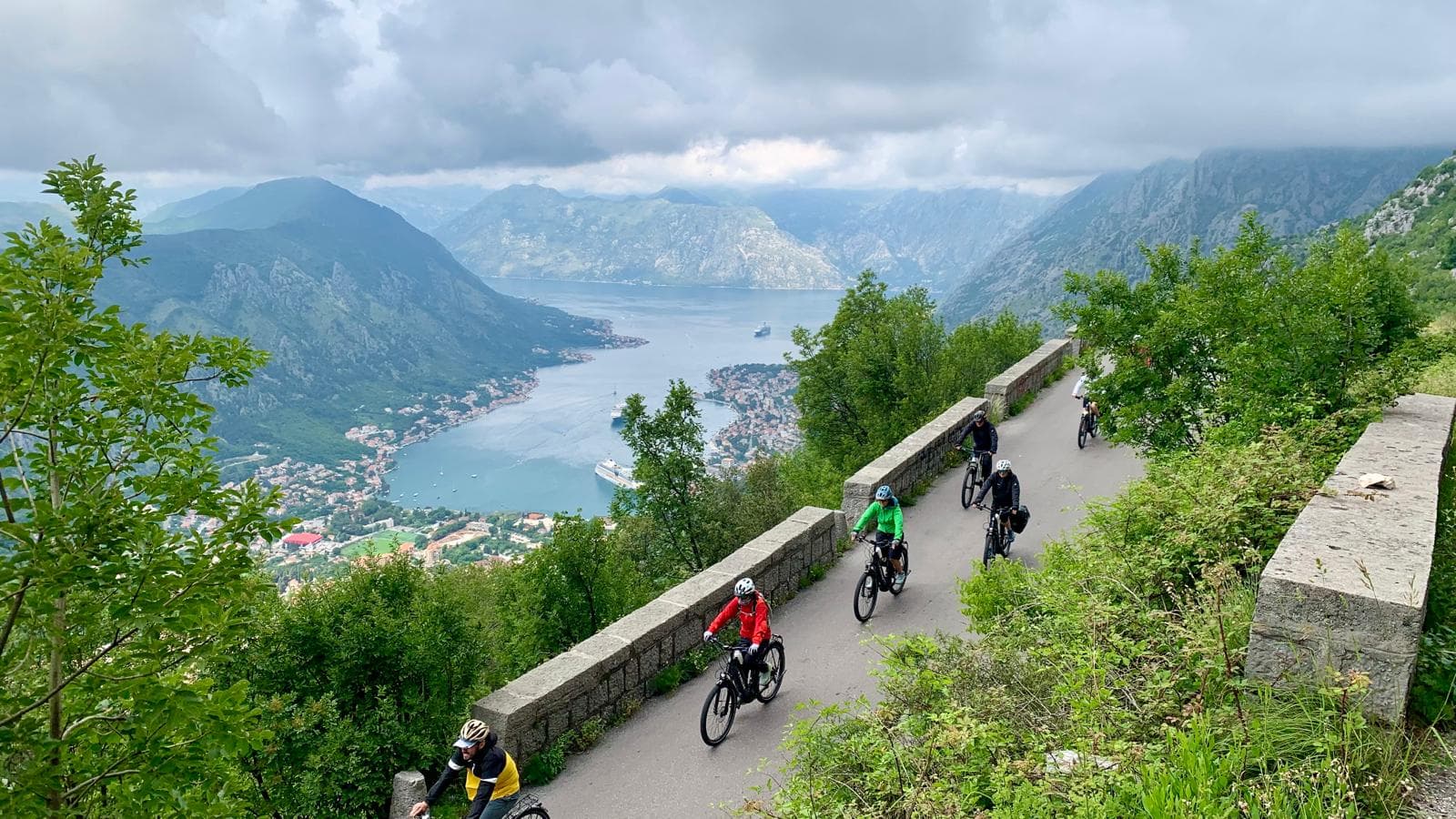
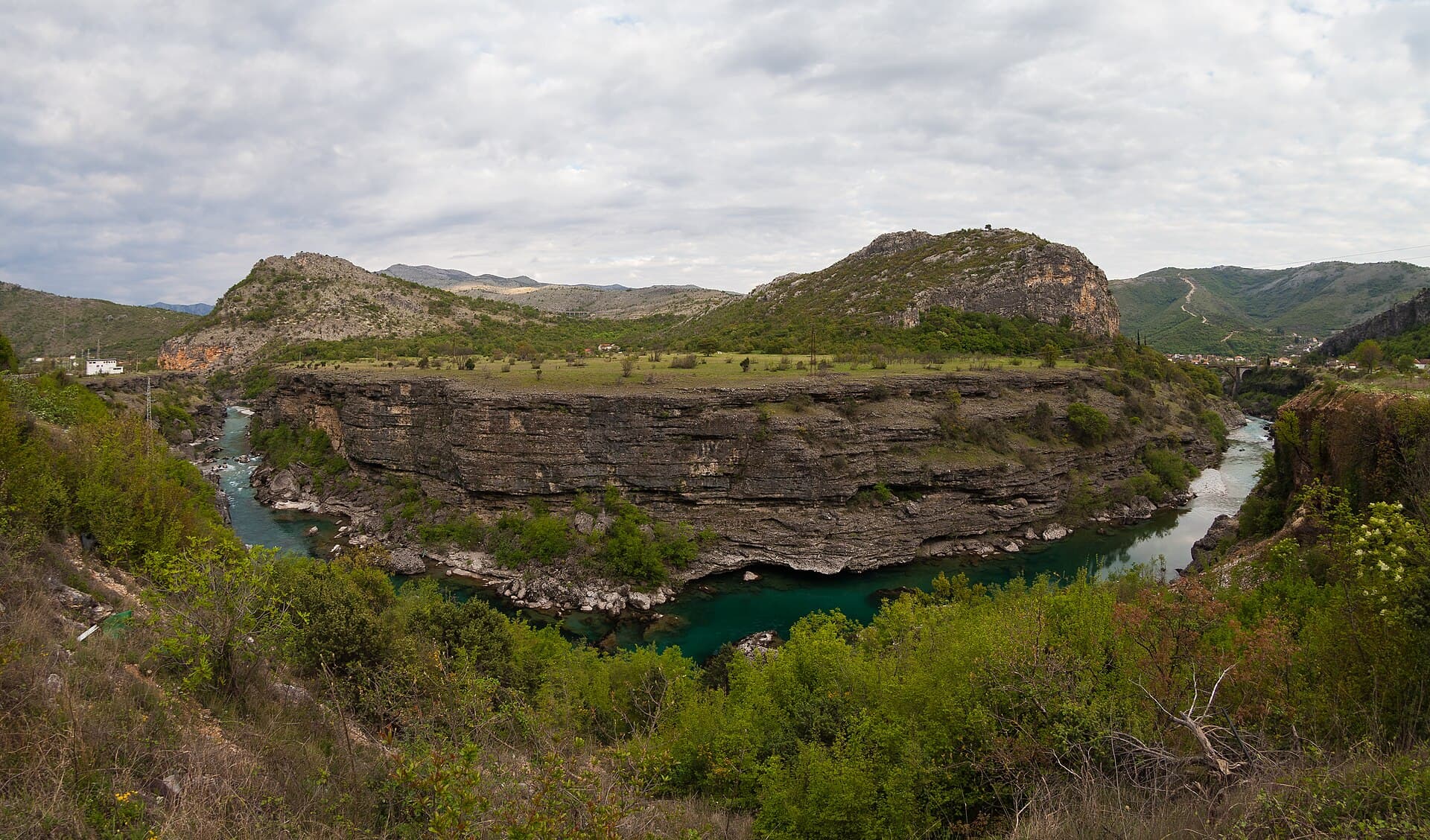
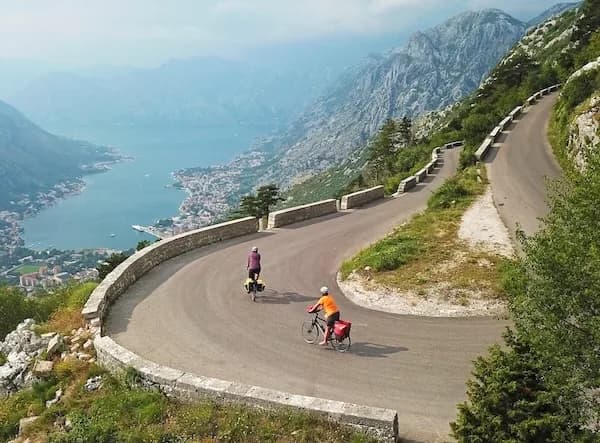
Montenegro packs mountains against the coast. The Kotor to Lovćen day hike starts at the edge of the bay and climbs into high terrain above it — a continuous sea-to-alpine effort you can't easily replicate in Dalmatia. We've written it up in our Kotor to Lovćen day hike guide. Above that, the Durmitor range around Bobotov Kuk reaches 2,523 m, and the Tara Canyon cuts through it. For walkers who want elevation and variety in a compact area, Montenegro is simply better set up for it.
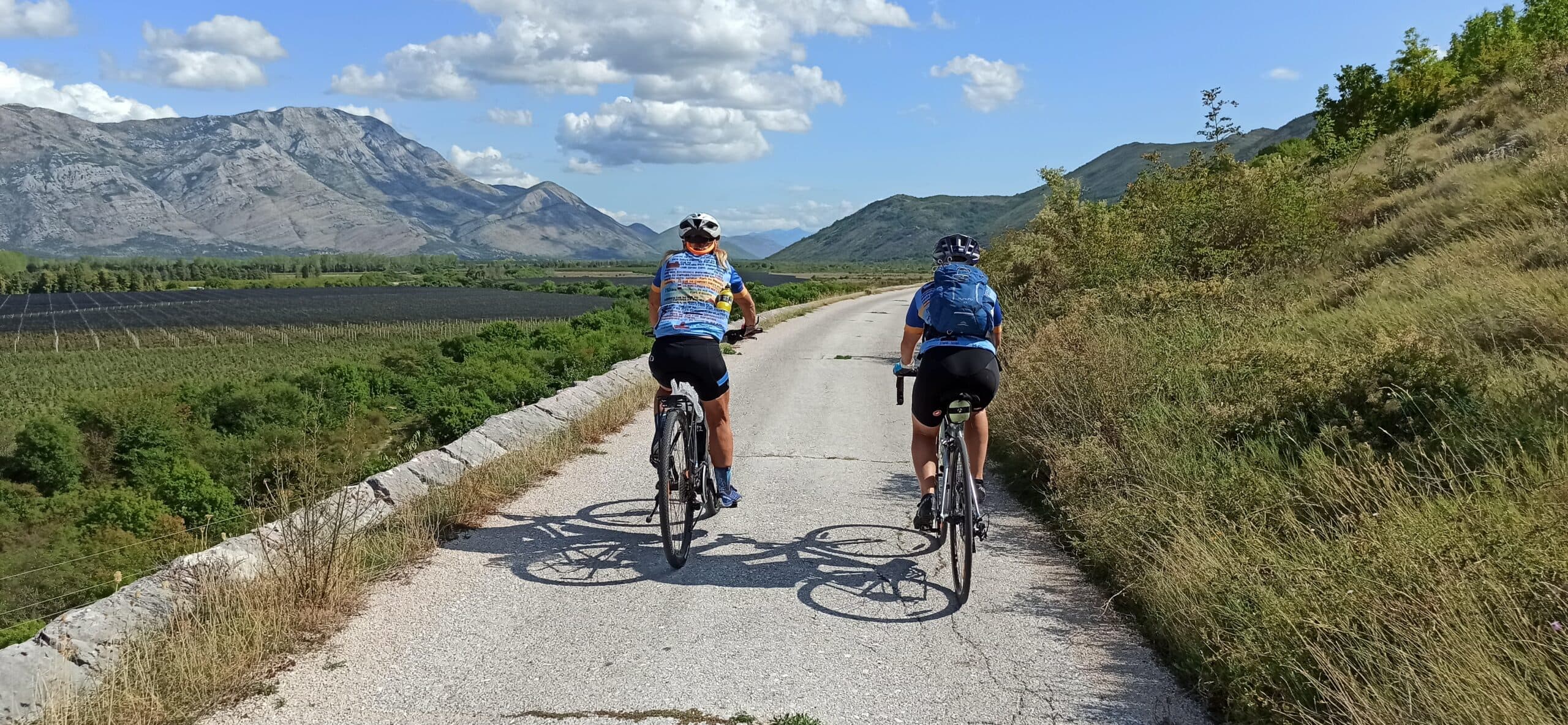
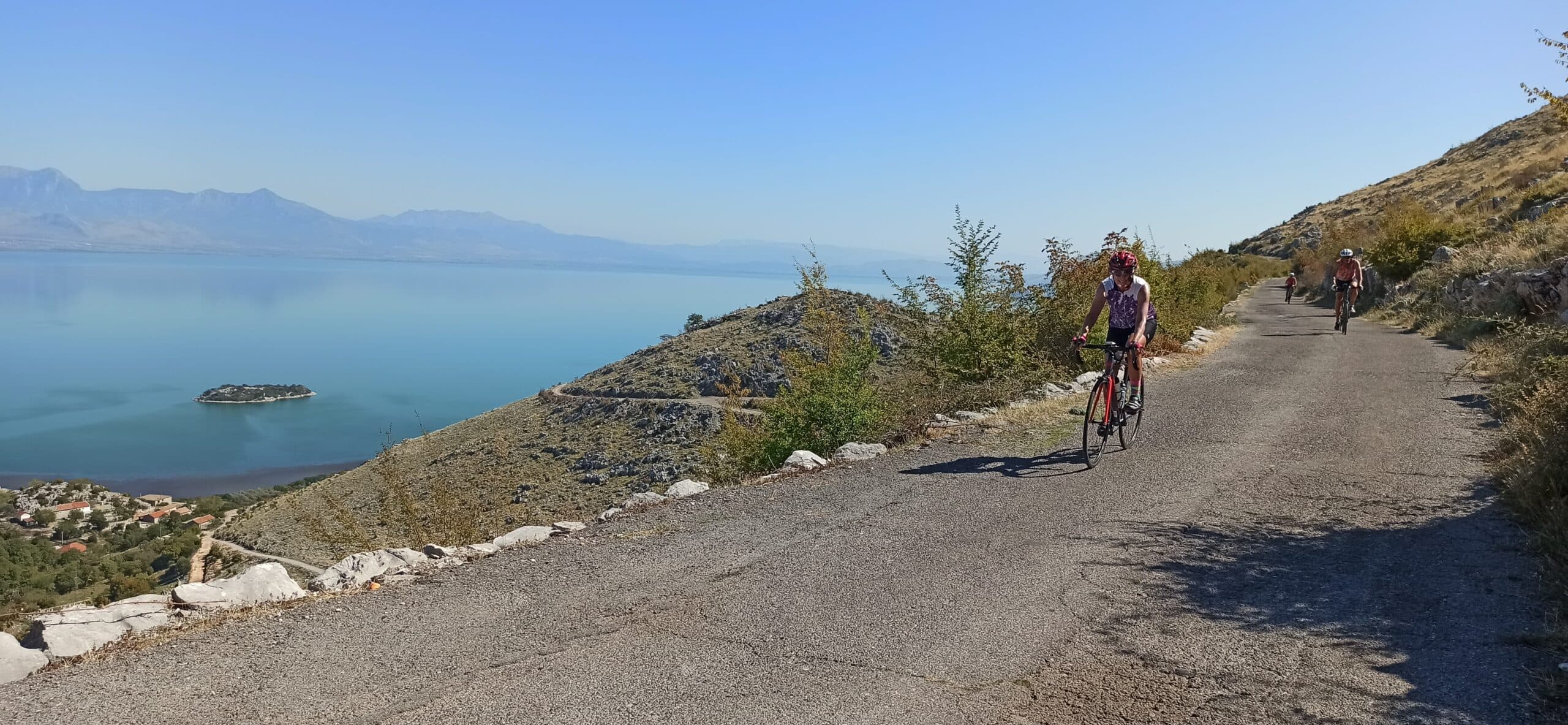
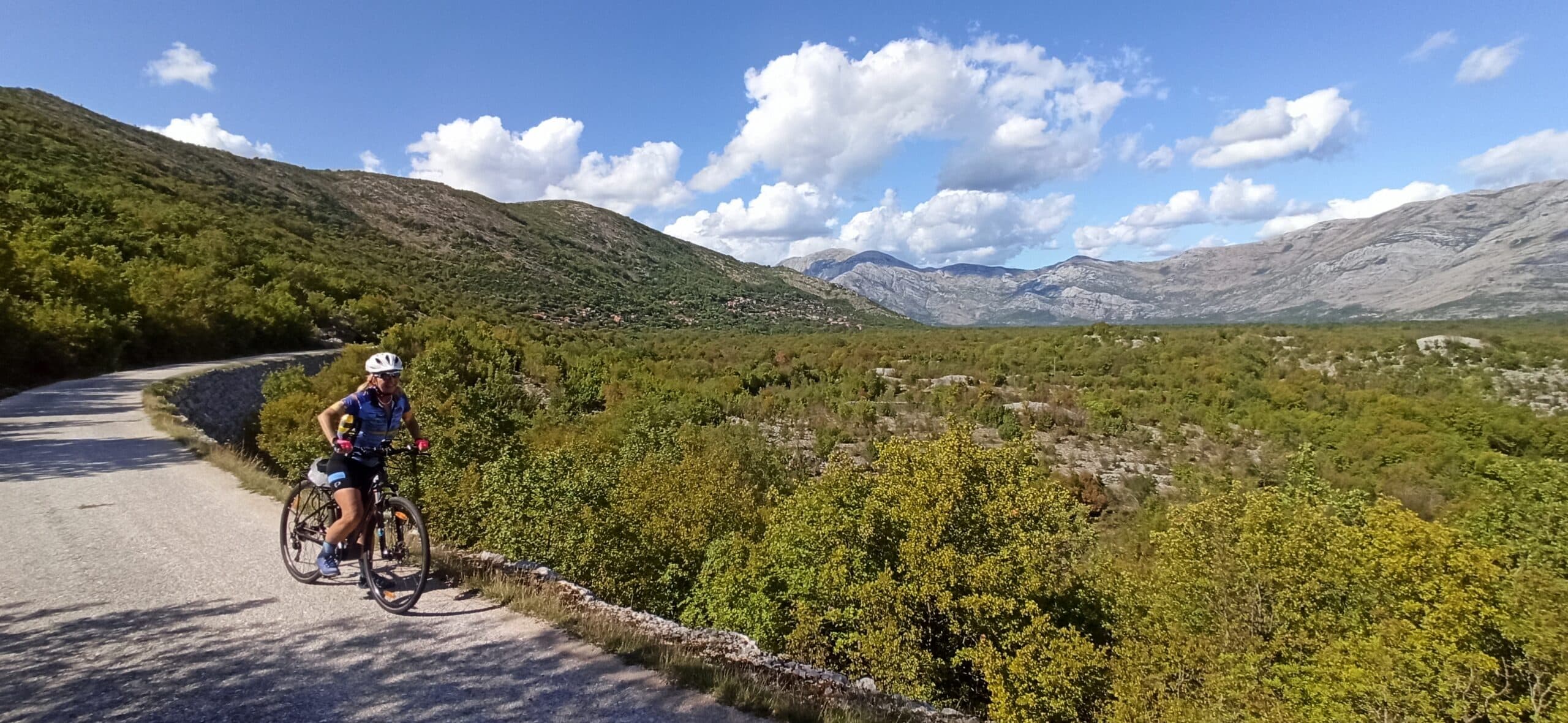
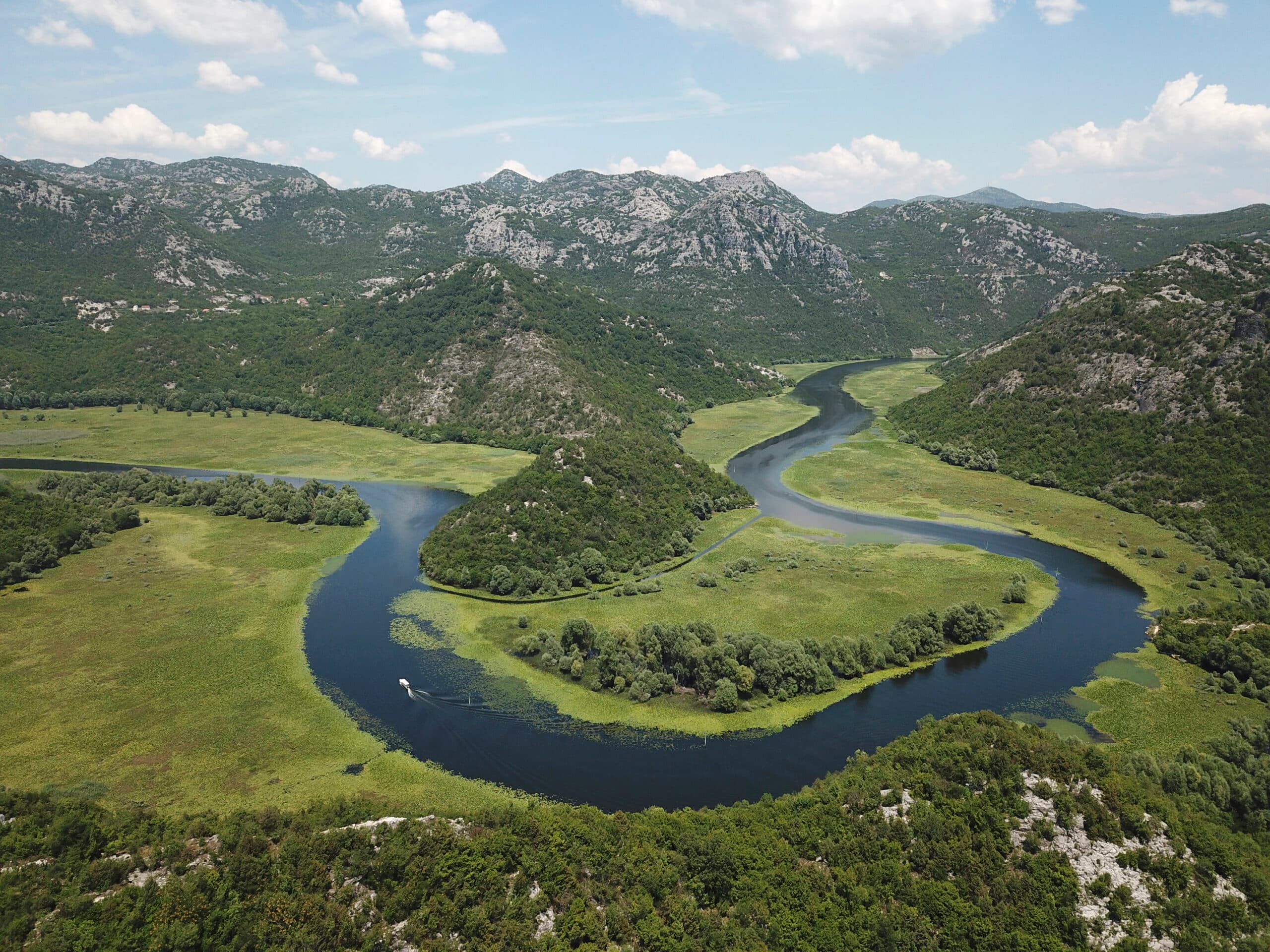
There's a range of terrain to match ambition: gentle lakeside cycling and paths around Lake Skadar, forest walking in Biogradska Gora, the ridge and summit country of Durmitor National Park, and remote alpine trekking in Prokletije on the Peaks of the Balkans trail. If you're planning that cross-border trek, budget time for permits — apply two to six weeks ahead, as the paperwork across Montenegro, Albania and Kosovo takes time.
Season length
Both countries share a broad May-to-October window on the coast. Croatia's high season runs mid-June to mid-September, peaking from late July to mid-August, when the sea is warmest at around 25°C in August and prices and crowds are at their worst. Montenegro's coast follows the same rhythm — busy but not quite as saturated as peak Dalmatia.
For walking and cycling, the shoulder months are best in both: May–June and September–October give you comfortable temperatures without the peak crush. The catch is the high mountains. Durmitor, Bobotov Kuk and the alpine passes hold snow outside roughly June to October, so if your trip is built around high ridges, your usable window is narrower than the coastal season suggests. Our month-by-month season guide breaks this down for Montenegro.
Flights and getting there
Croatia wins clearly on flights. Dubrovnik, Split and Zagreb each handle three to five million passengers a year and connect to dozens of destinations — Dubrovnik alone lists around 75, with a Ryanair base and new summer routes. If you want cheap, direct, frequent flights, Croatia gives you more options from more cities.
Montenegro's own airports are smaller. That's exactly why so many Montenegro trips use Dubrovnik Airport instead — it's the best-connected gateway to the Bay of Kotor, about 95 minutes away by road. Flying into Croatia to holiday in Montenegro is normal, not a workaround.
Montenegro or Croatia — or both?
Pick Croatia if islands, sailing and flight convenience top your list, and you don't mind higher prices and peak-season crowds. Pick Montenegro if you want mountains beside the sea, lower costs and quiet trails, and you're happy to drive rather than sail.
If you can't decide, don't. Fly into Dubrovnik, spend a few days in Croatia, then cross to the Bay of Kotor and head up into Lovćen and the mountains beyond. It's the itinerary we run most often, and it plays to both countries' strengths. See how we structure it on our tours page, or sort out wheels for the coast and lakes with bike rental.
Is Montenegro cheaper than Croatia?
Yes. On everyday costs Montenegro runs roughly 15–22% cheaper according to Numbeo, and the gap is wider in practice on the coast, where Dubrovnik and Split prices sit well above national averages. National park entry is the starkest example: €3–5 a day in Montenegro versus up to €40 for Krka in peak summer in Croatia.
Can I visit both Montenegro and Croatia on one trip?
Easily. Dubrovnik Airport is about 67 km and roughly 1h 35m from Kotor, and many Montenegro trips fly into Dubrovnik. If you drive a rental across the border you'll need the car's Green Card insurance certificate from the hire company, and some Dubrovnik agencies charge a cross-border fee — confirm both when booking.
Is Kotor or Dubrovnik more crowded?
Both get heavy cruise traffic, but Dubrovnik has a daily cap of two ships and 5,000 cruise passengers, while Kotor has no equivalent limit and is a much smaller town — so on a busy day Kotor's old town can feel more crowded relative to its size. Both are best visited early morning or evening; check the cruise schedule first.
Which is better for hiking, Montenegro or Croatia?
Montenegro, if you want elevation near the sea. Its mountains sit right against the coast, so you can walk a high ridge and swim in the Adriatic the same day — the Kotor-to-Lovćen hike is the classic example. Croatia's high mountains are inland, so coastal walking there is gentler.
When is the best time to go?
For coast and swimming, May to early October works in both, with July and August the hottest and most crowded. For walking and cycling, aim for May–June or September–October. Note that Montenegro's high mountains hold snow outside roughly June to October, so alpine days have a narrower window.
Written by
Borislav Jablan
Quality and guest communication, 3E Travel
Borislav looks after quality assurance and guest communication at 3E Travel in Podgorica, and is the person guests most often deal with directly. The team walks or rides every route before recommending it — usually in more than one season.