


Montenegro
8 days · Hiking
From the Bay of Kotor to Lake Skadar – Historical trade and military trails
▲▲▲▲▲Moderate
Walking · Hiking · Cycling · Montenegro
Walking, hiking and cycling holidays in Budva, self-guided or with a local guide. Budva sits on a 35 km stretch of Montenegrin coast, a walled town roughly 2,500 years old and the base for boat trips and excursions across the southern Adriatic. The Old Town packs Venetian fortifications, three historic churches and a fortress into 4.2 km² of coast, with Kotor 25 minutes north and Sveti Stefan 13 minutes south. It rewards travellers who pair a compact medieval core with beaches, bay cruises and inland trips to Skadar Lake and Biogradska Gora.
Why Budva
We've spent years walking, hiking and cycling across Budva in every season. The trips below are built around the routes that work — the quiet ones, the beautiful ones, the ones with great food at the end of the day.
If none of them quite fit, get in touch. We'll happily build you a private version, shaped around your interests, fitness and pace.
How we travel here
Walking
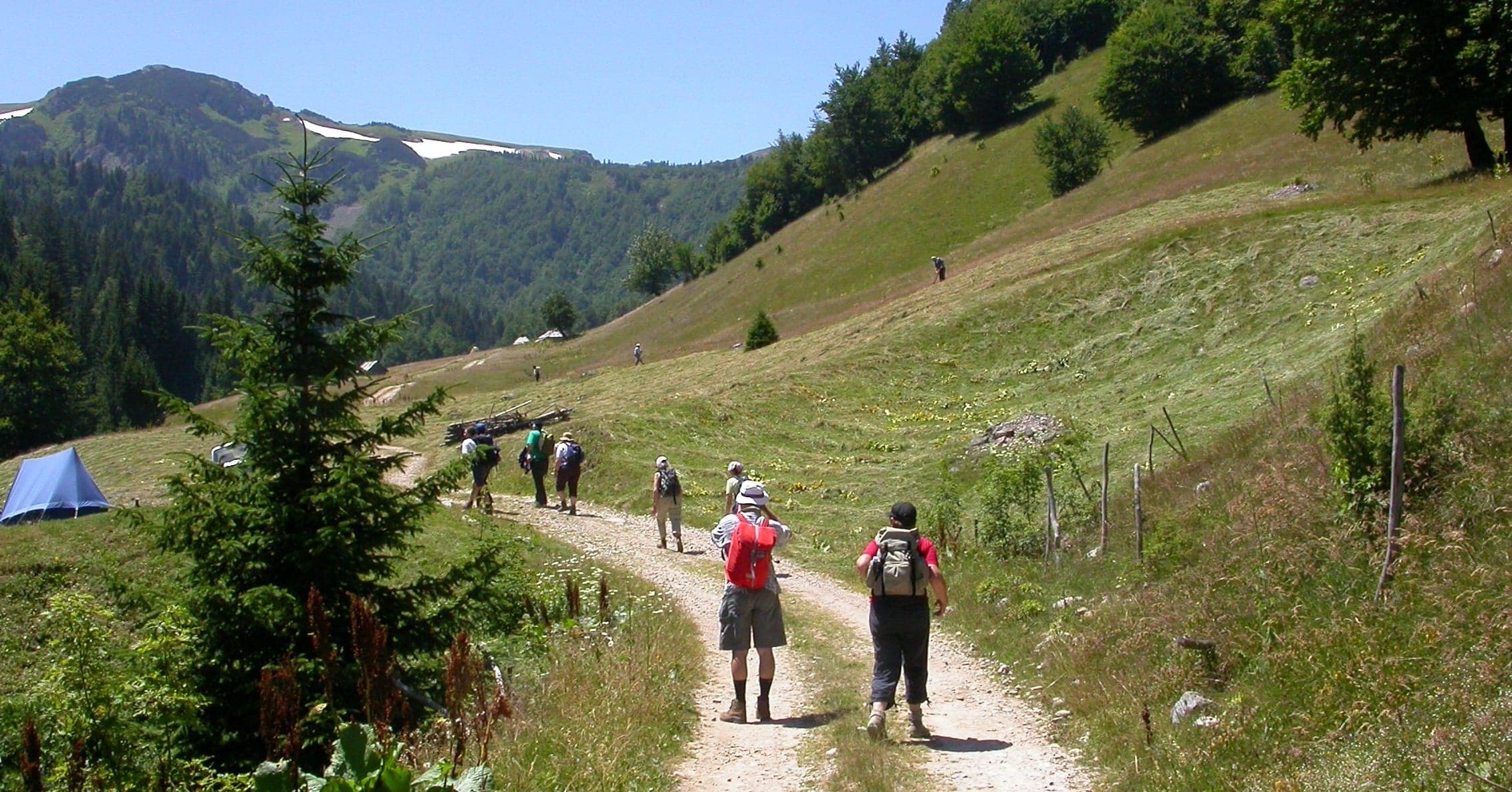
Coastal trails, village paths and slow days on foot, with time to stop.
Hiking
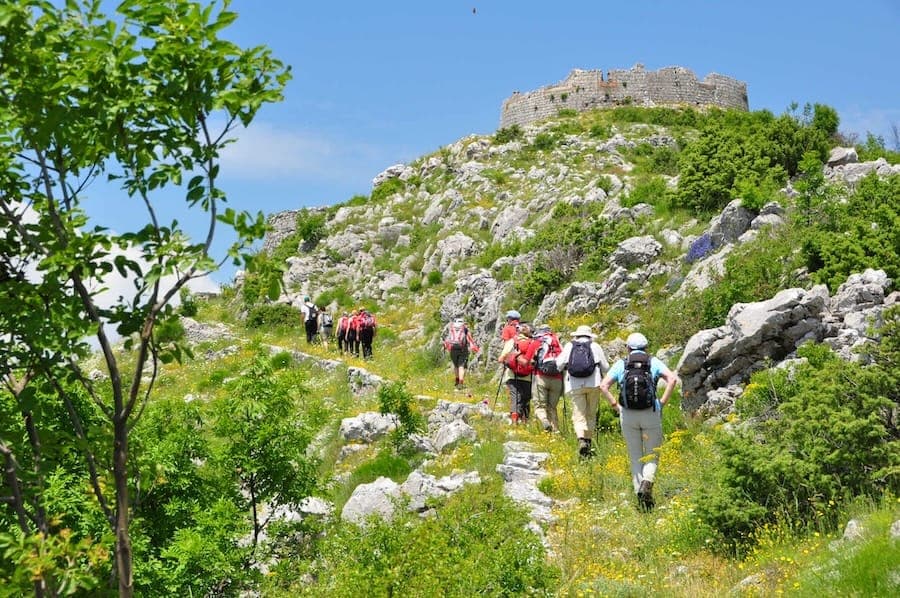
Mountain trails, hut-to-hut days and summit walks, graded honestly.
Cycling
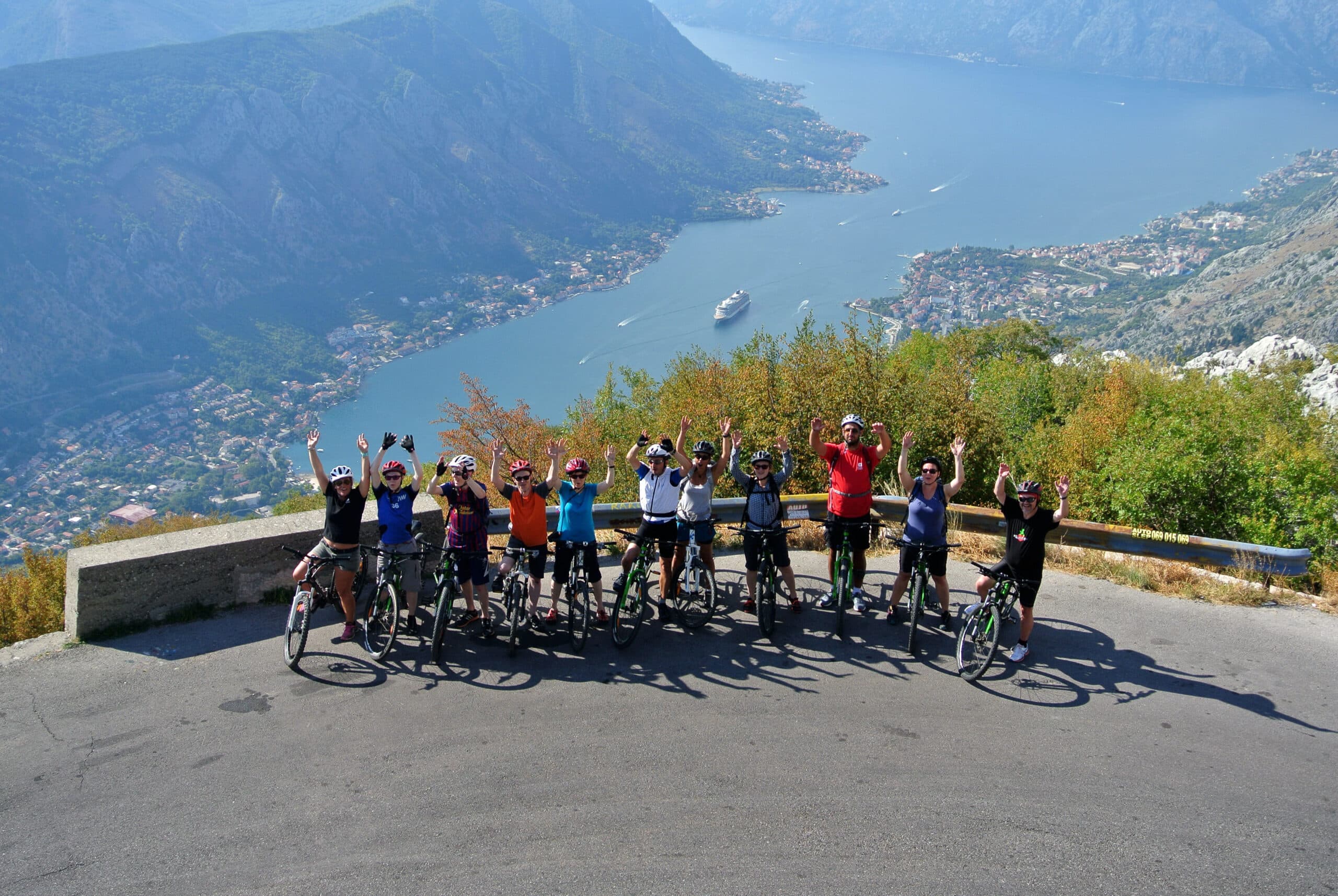
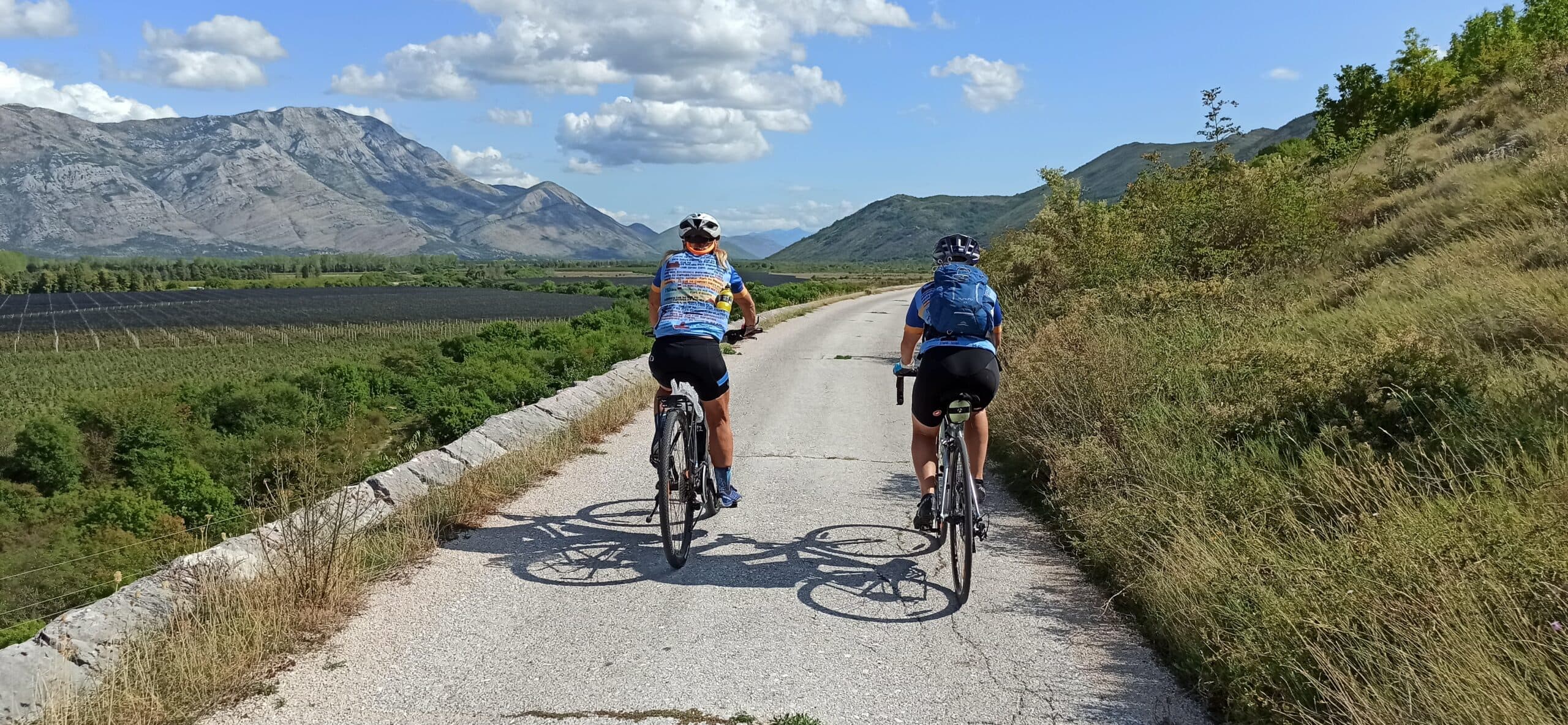
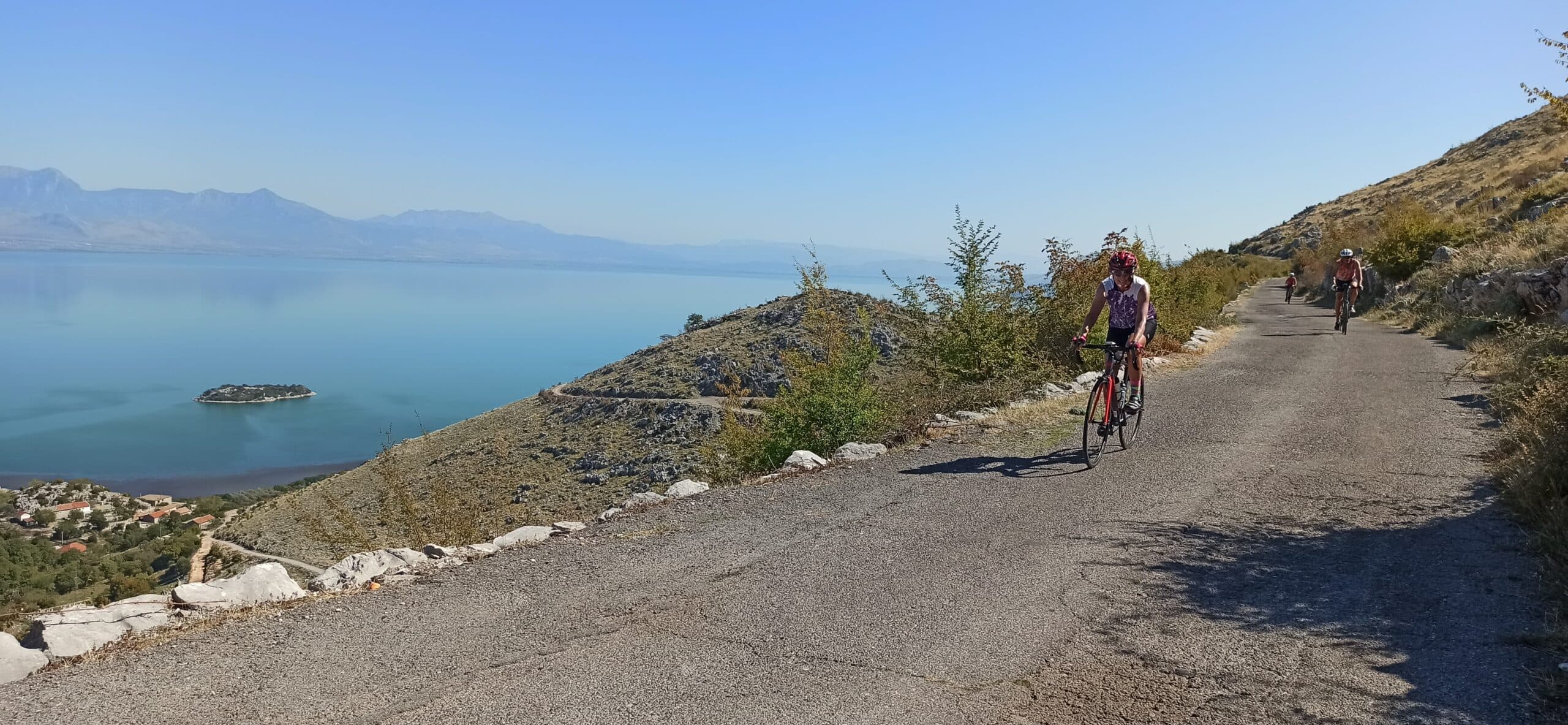
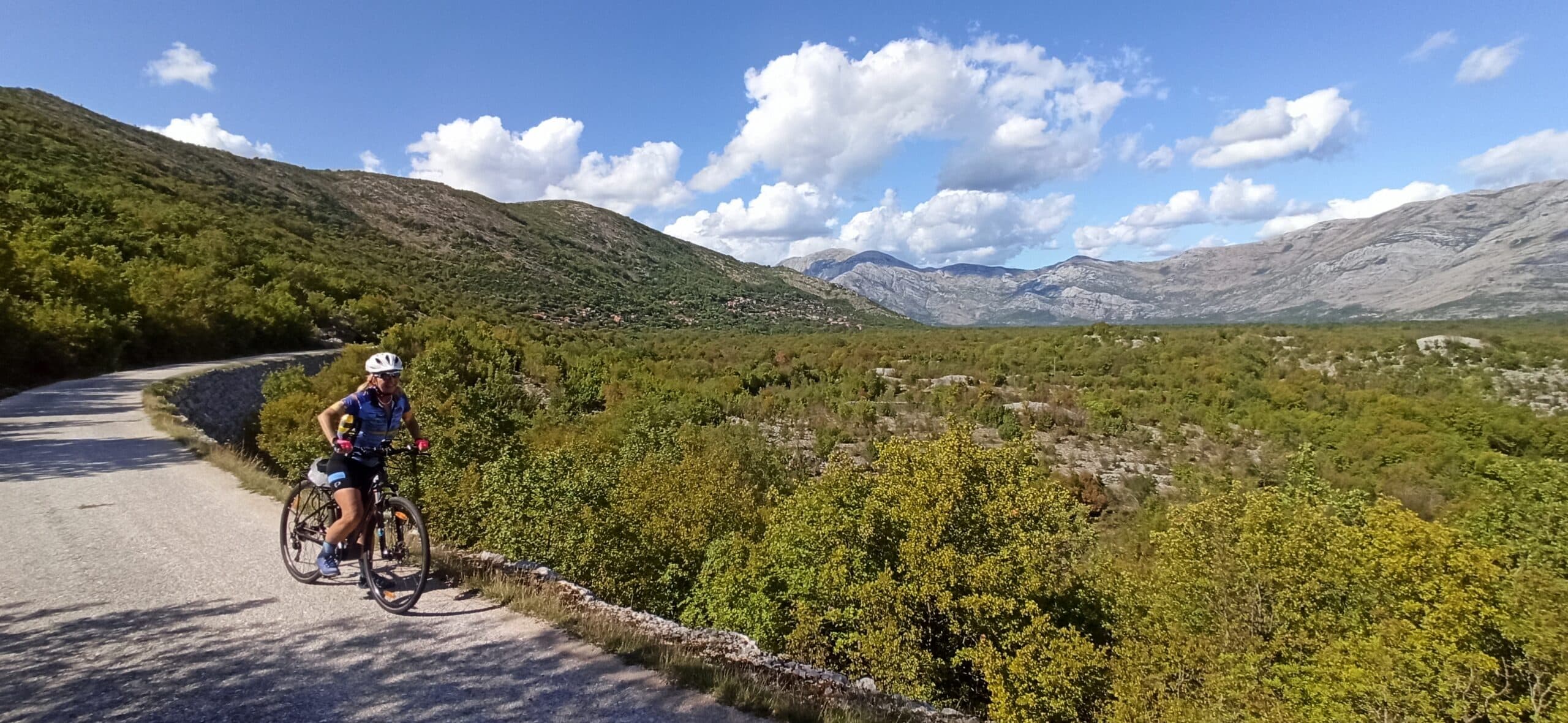
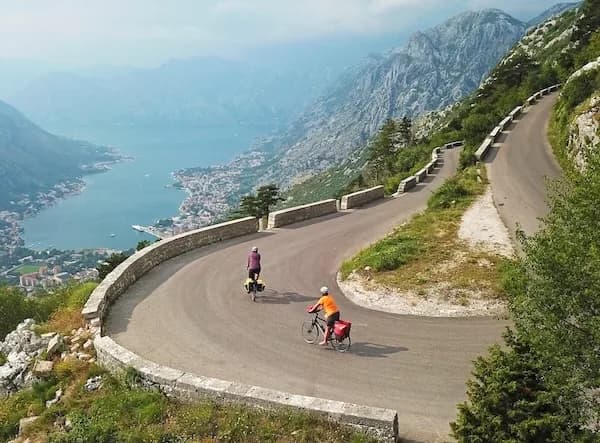
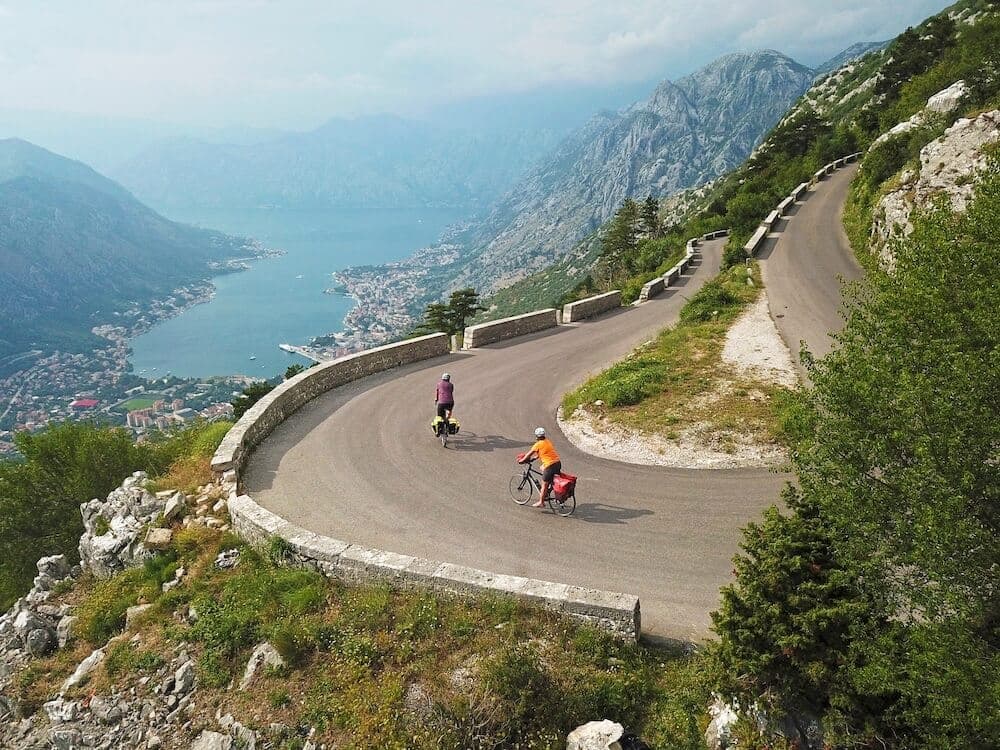
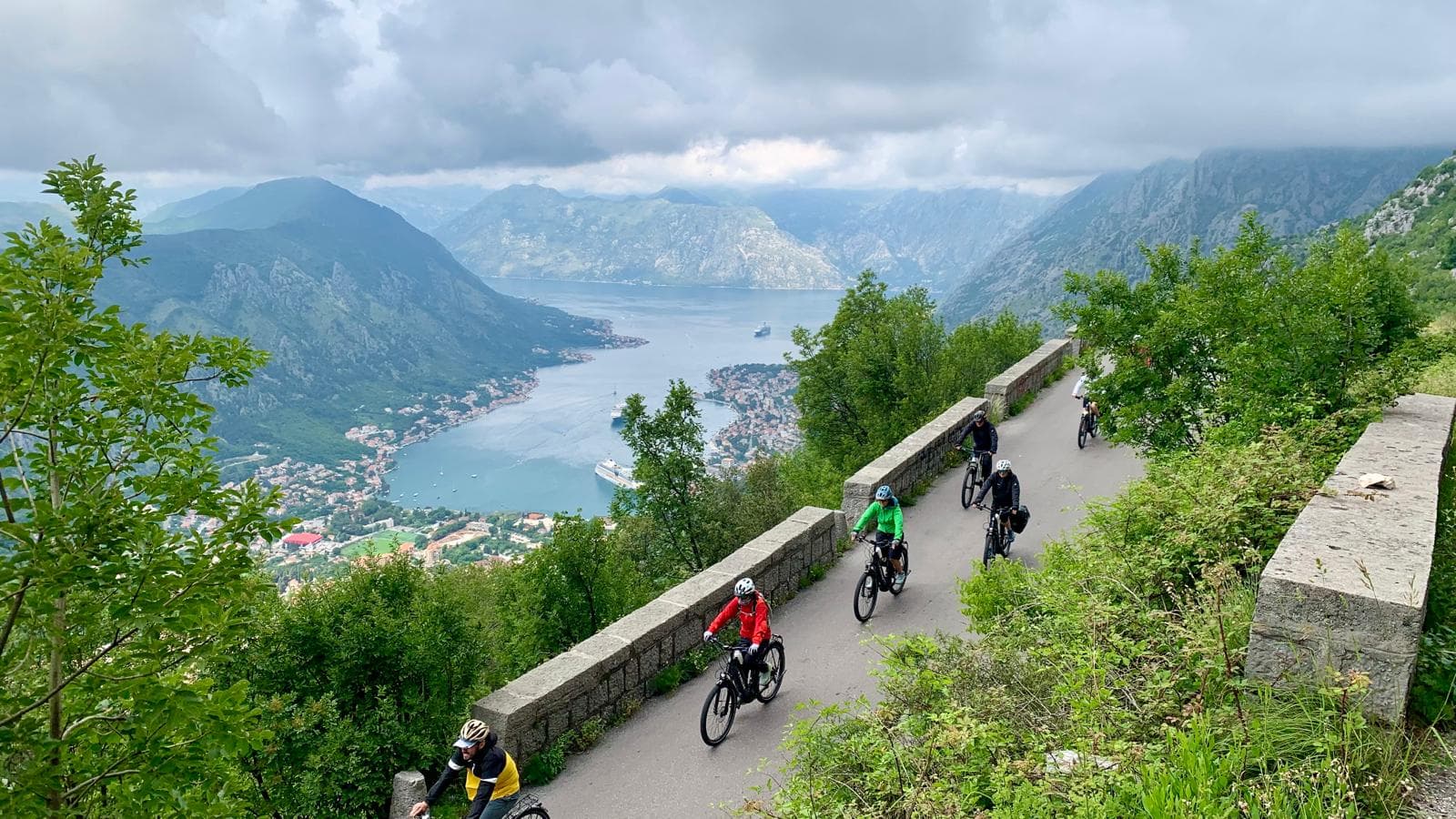
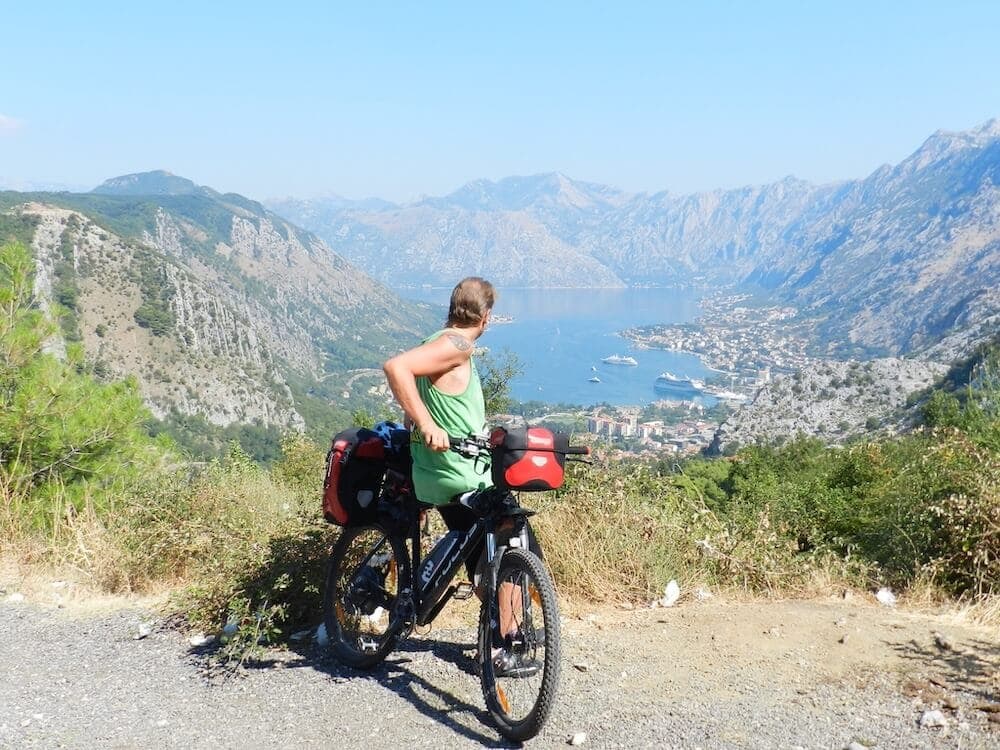
Quiet back roads and gravel routes — road, gravel and e-bike, with luggage moved between stays.
Travel guide
Budva is a coastal town and the centre of Budva Municipality in southwestern Montenegro, established in the 5th century BC and among the oldest urban settlements on the Adriatic. The town itself carries no national or UNESCO designation, though its Old Town fortress was restored with UNESCO help by 1987 after the magnitude-7 earthquake of 15 April 1979. The town covers 4.2 km²; the wider municipality spans 122 km² across 33 settlements at an elevation of 3 m. Population figures for 2023 record 17,479 urban, 9,188 rural and 26,667 municipality-wide, sixth largest in Montenegro. The town anchors the Budva Riviera, a 35 km strip of Adriatic coast with a reported 12 km of sandy and pebble beach. Illyrian tribes settled first; Greeks documented the site in the 5th century BCE and colonised the region in the 4th century BCE, with Roman rule following from 168 BCE. Tour operators use "Budva" as a base for day trips inland and along the Bay of Kotor.
Milica buha · CC BY-SA 4.0 · Wikimedia Commons
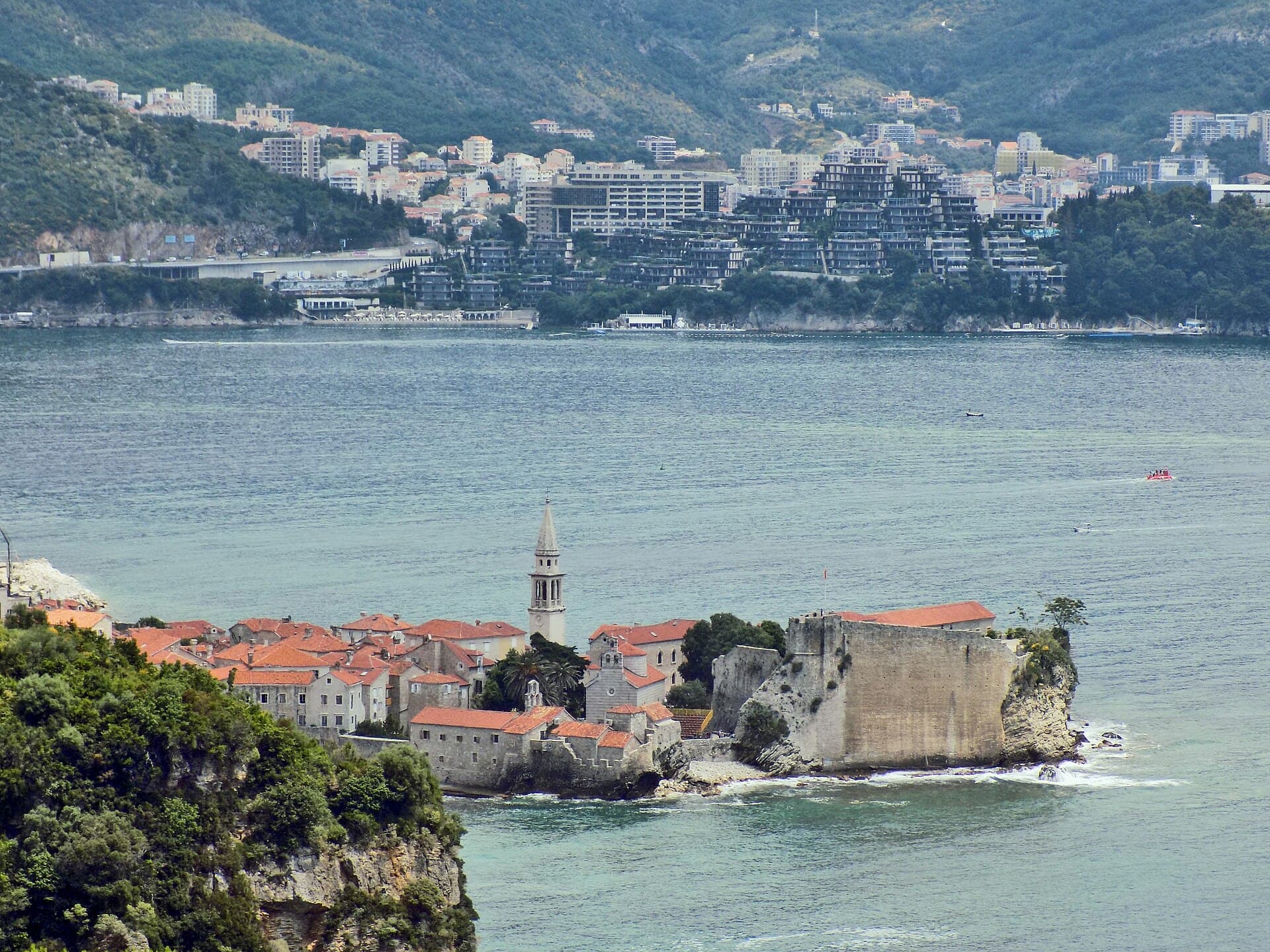
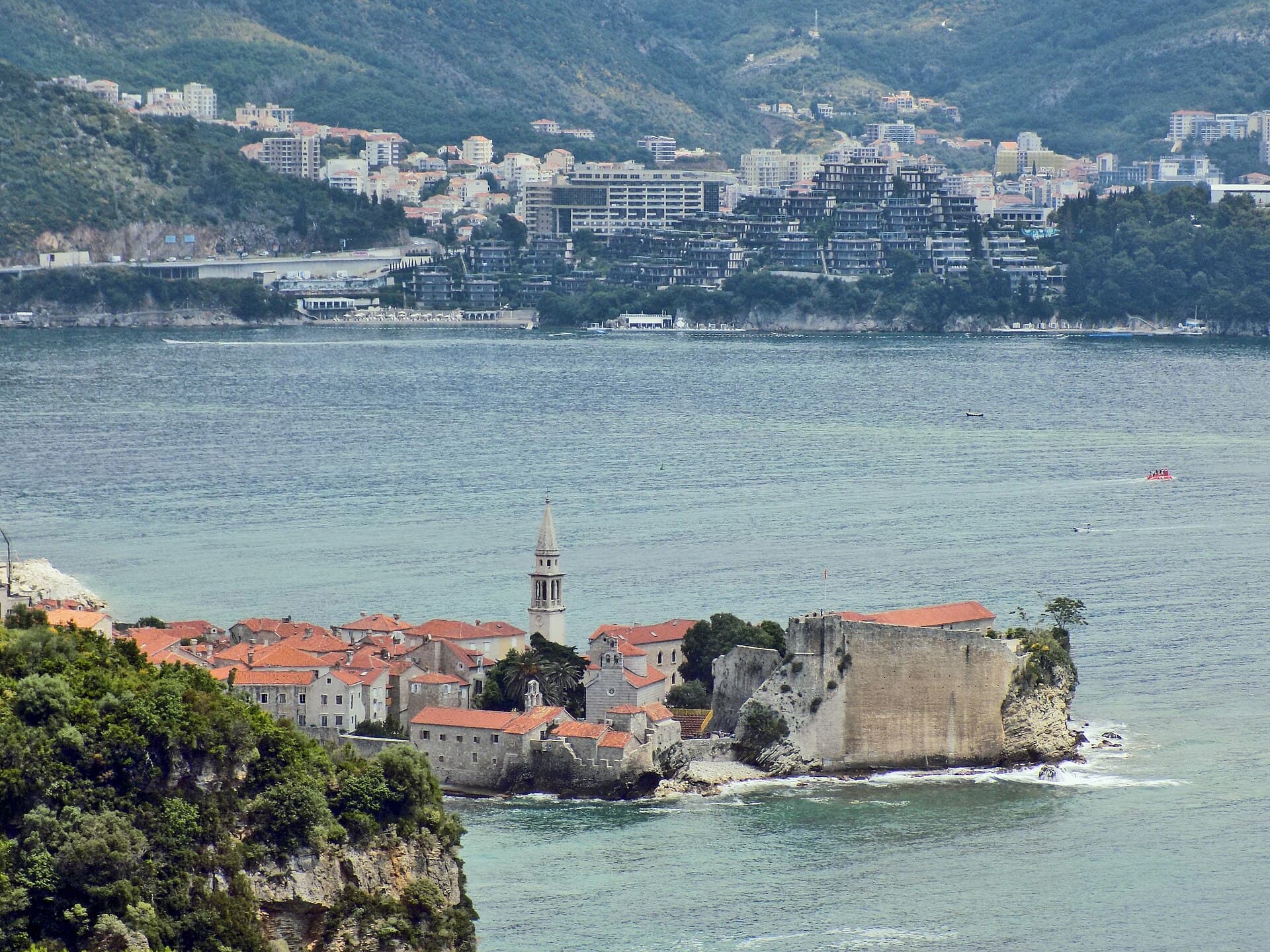
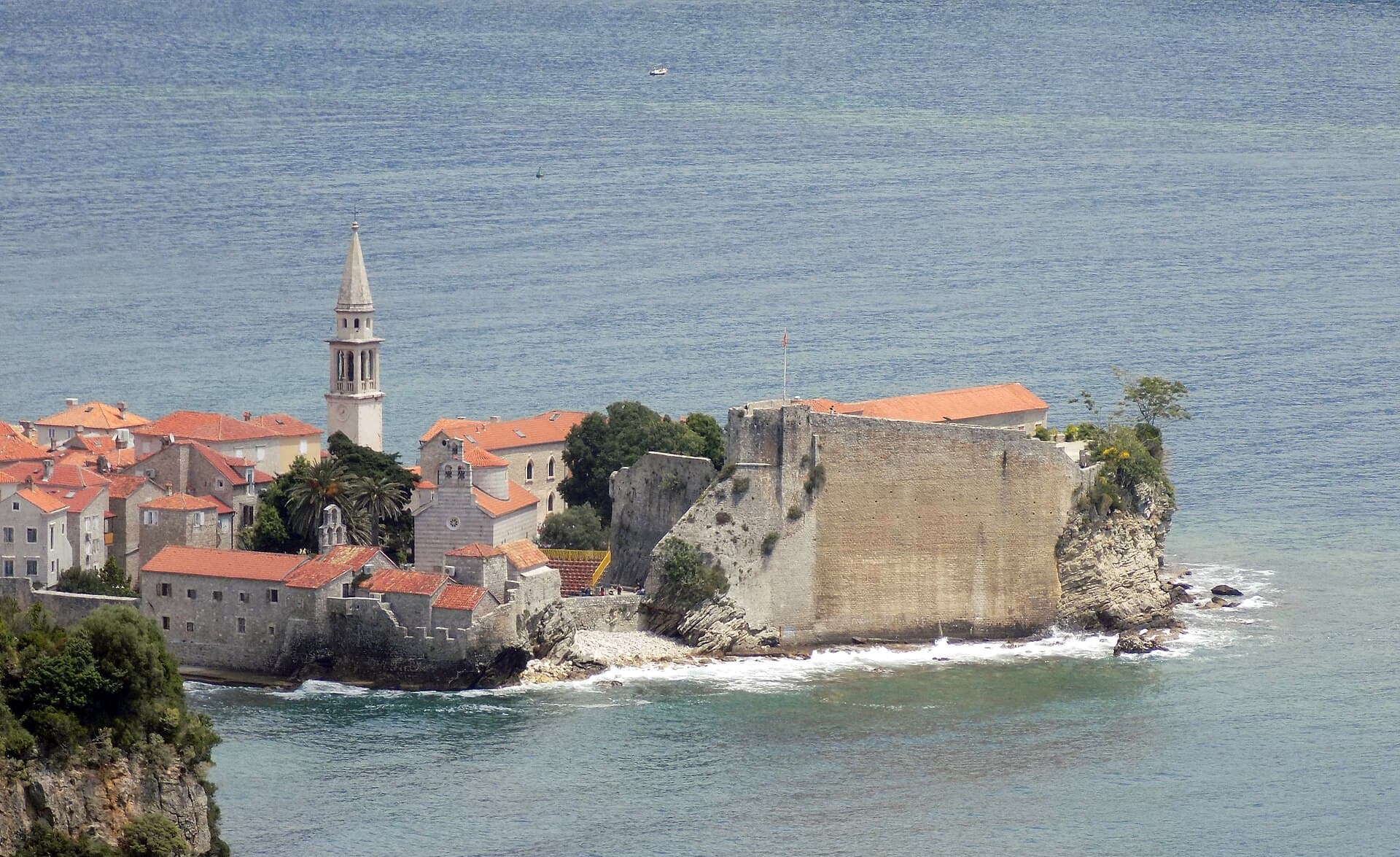
Budva's Old Town concentrates its monuments inside walls first built in the 9th century, rebuilt by the Venetians in the 17th century after an earthquake and showing predominantly 15th-century Venetian influence with towers and gates. A 16th-century fort here had thick stone walls with seven towers. The Church of Santa Maria in Punta, built in 840 AD, is one of the oldest religious buildings in Montenegro and the oldest pre-Romanesque church on the coast; it now hosts art exhibitions and classical concerts. The Church of St. John holds the town's tallest bell tower, originally 7th century with visible 15th- and 19th-century fabric. The Citadela houses the town museum and a state library with rare books. West of the centre, Mogren I and Mogren II are two sandy beaches joined by a tunnel through the rock, while Richard's Head is a pebble beach beneath the Old Town walls, named after Richard Widmark, who filmed 'The Long Ships' here in 1963.
Milica buha · CC BY-SA 4.0 · Wikimedia Commons
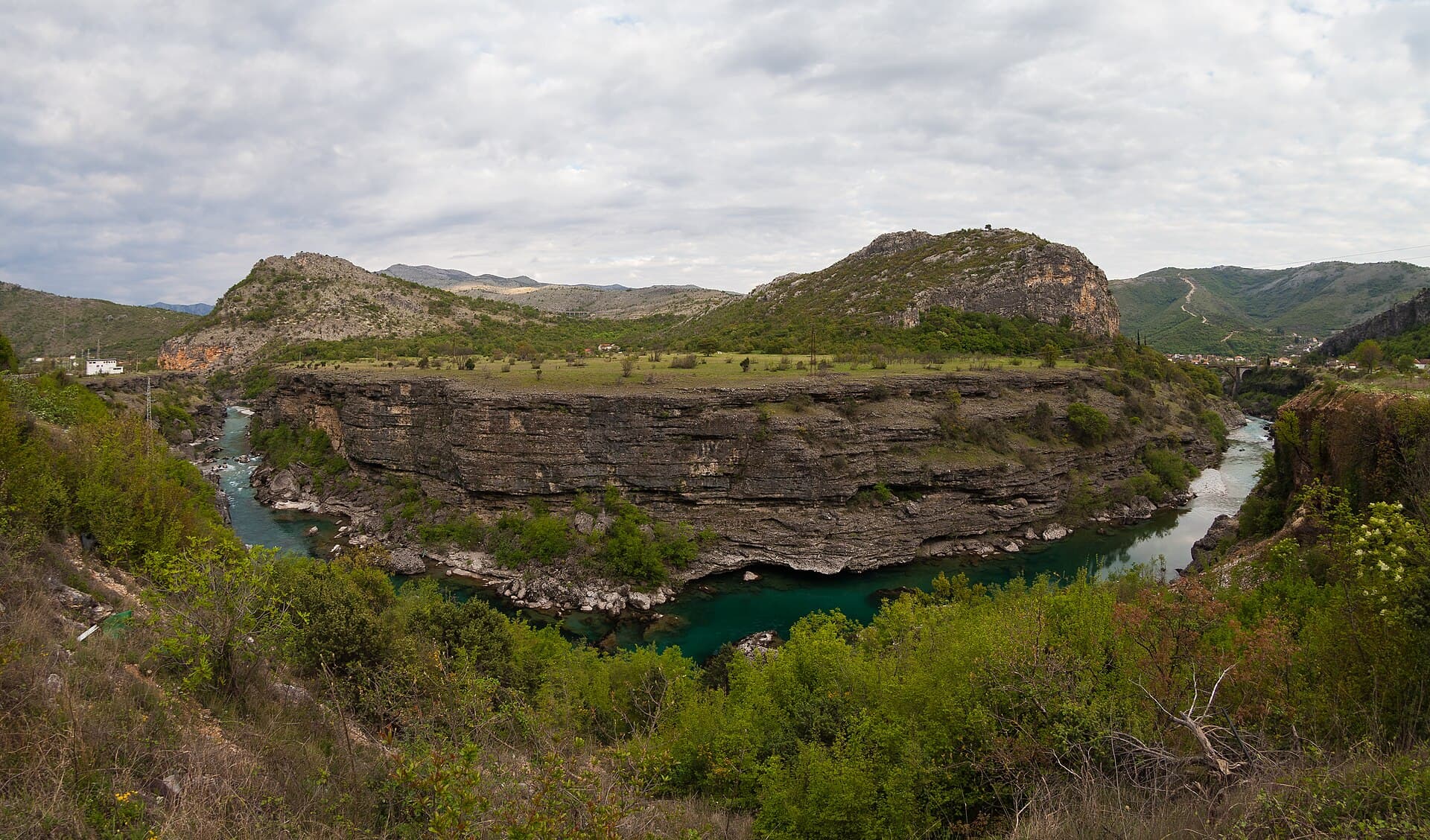
Budva's walkable core is small — the Old Town sits within roughly 4.2 km² — and the most rewarding short walk runs from the historic centre west to Mogren, passing the bronze Dancing Girl (Ballerina) statue on the path, described as the town's unofficial symbol, before the rock tunnel between Mogren I and Mogren II. Sections of the fortification walls can be walked for a small fee (around €3, visitor-reported). Beyond the town, operators market Budva as a base for inland walking in Biogradska Gora's forests and along the Morača Canyon, and for the boat routes across the Bay of Kotor to Perast and the Church of Our Lady of the Rocks.
Milica buha · CC BY-SA 4.0 · Wikimedia Commons
Tivat Airport (TIV) is the nearest, about 12.3–13 miles by road and 21–22 minutes by car; airport buses run in roughly 25–36 minutes for about €4–6. Podgorica Airport (TGD) is the alternative at about 37.5 miles, fastest by car in around 1h 12m, with no direct bus — connections via Podgorica run 2h 14m to 3h. Intercity buses leave Budva's bus station for Kotor hourly, taking about 24 minutes over roughly 21.5 km. Sveti Stefan buses run every 20 minutes and average 13 minutes over an 8 km road distance. Tivat bus links run several times daily. The Old Town is closed to most traffic and covered on foot; the beaches along the 35 km Budva Riviera are reachable by short local bus or on foot from the centre.
Miomir Magdevski · CC BY-SA 4.0 · Wikimedia Commons
Entry to the Citadela (Fortress of St. Mary) is reported at €3.50, giving access to the museum, a library with rare books and a restaurant inside. Walking parts of the city walls carries a small fee of around €3. These figures come from visitor reports rather than an official published tariff, and no confirmed 2026 fee schedule or fixed opening season was found — check locally before visiting. Budva's coast is busiest in high summer, when the Sea Dance festival and beach traffic fill the Riviera; late spring and early autumn offer the walled town and beaches with lighter crowds and workable temperatures for walking the Old Town and coastal paths.
Our journeys
21 journeys planned by our team in Podgorica — from gentle coastal weeks to high-mountain crossings.
Build your own trip →8 days · Hiking
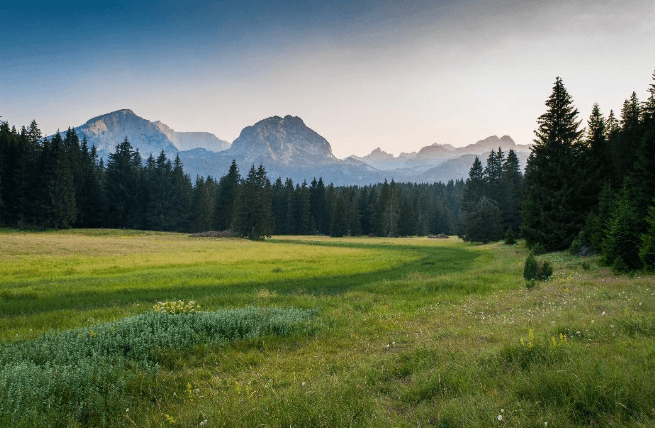
7 days · Hiking
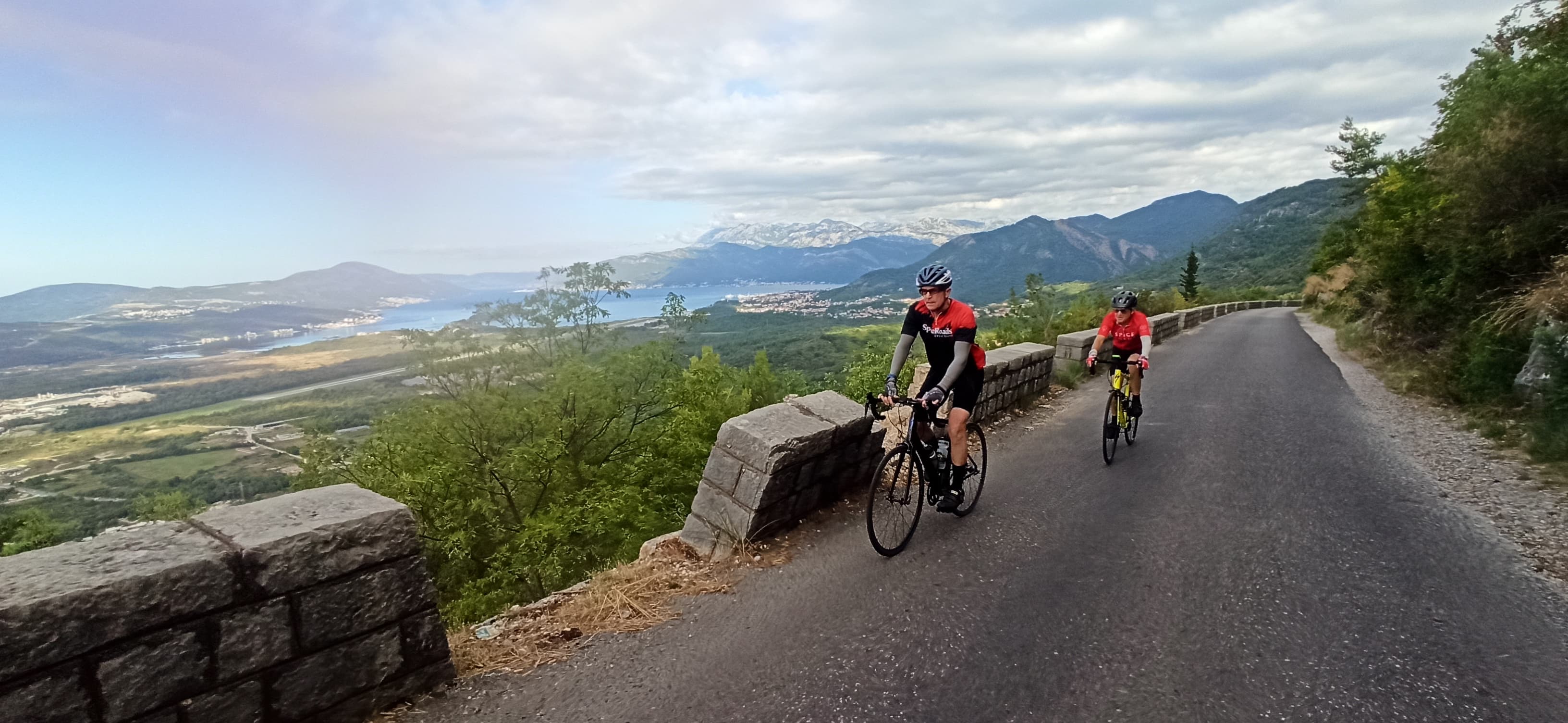
8 days · Cycling
7 days · Cycling
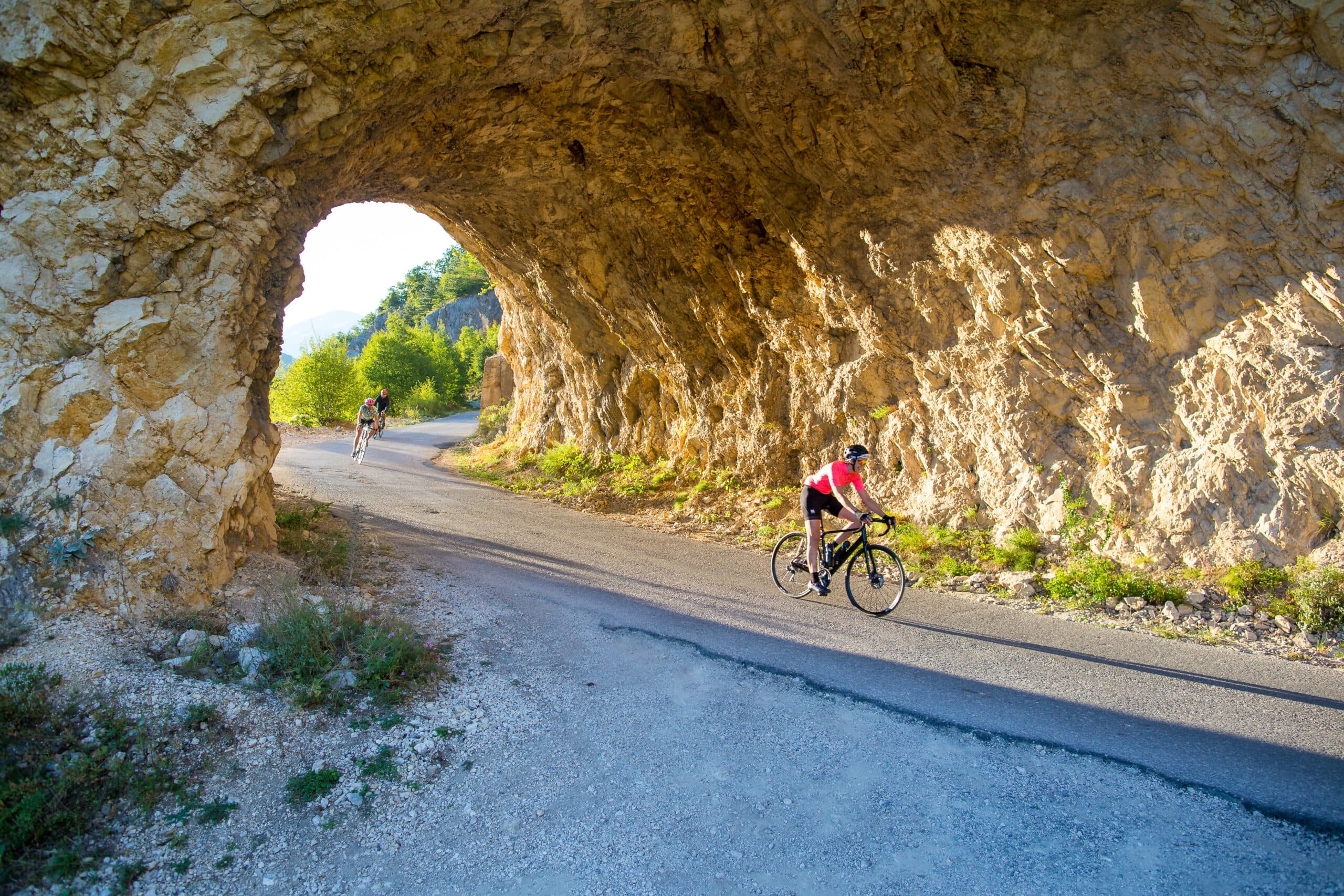
8 days · Cycling
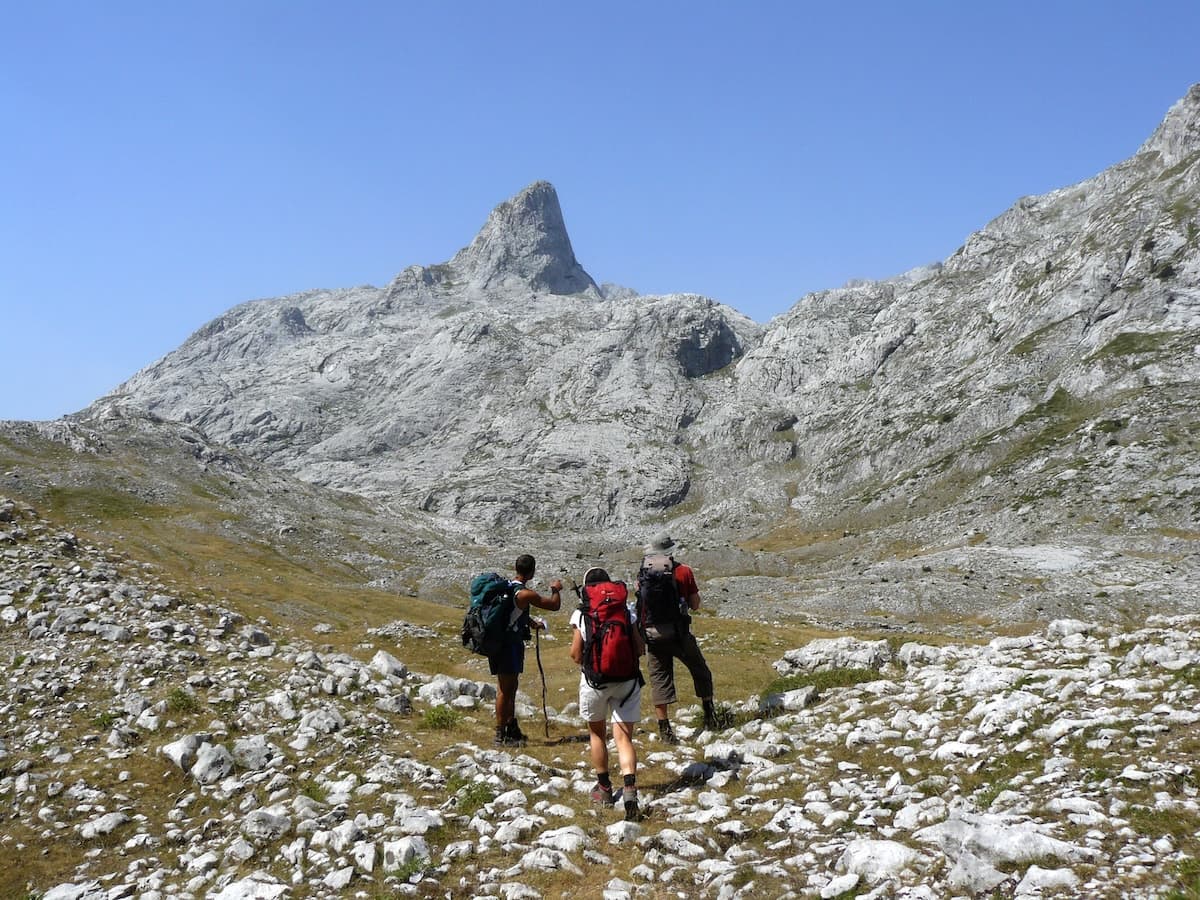
8 days · Hiking
8 days · Cycling
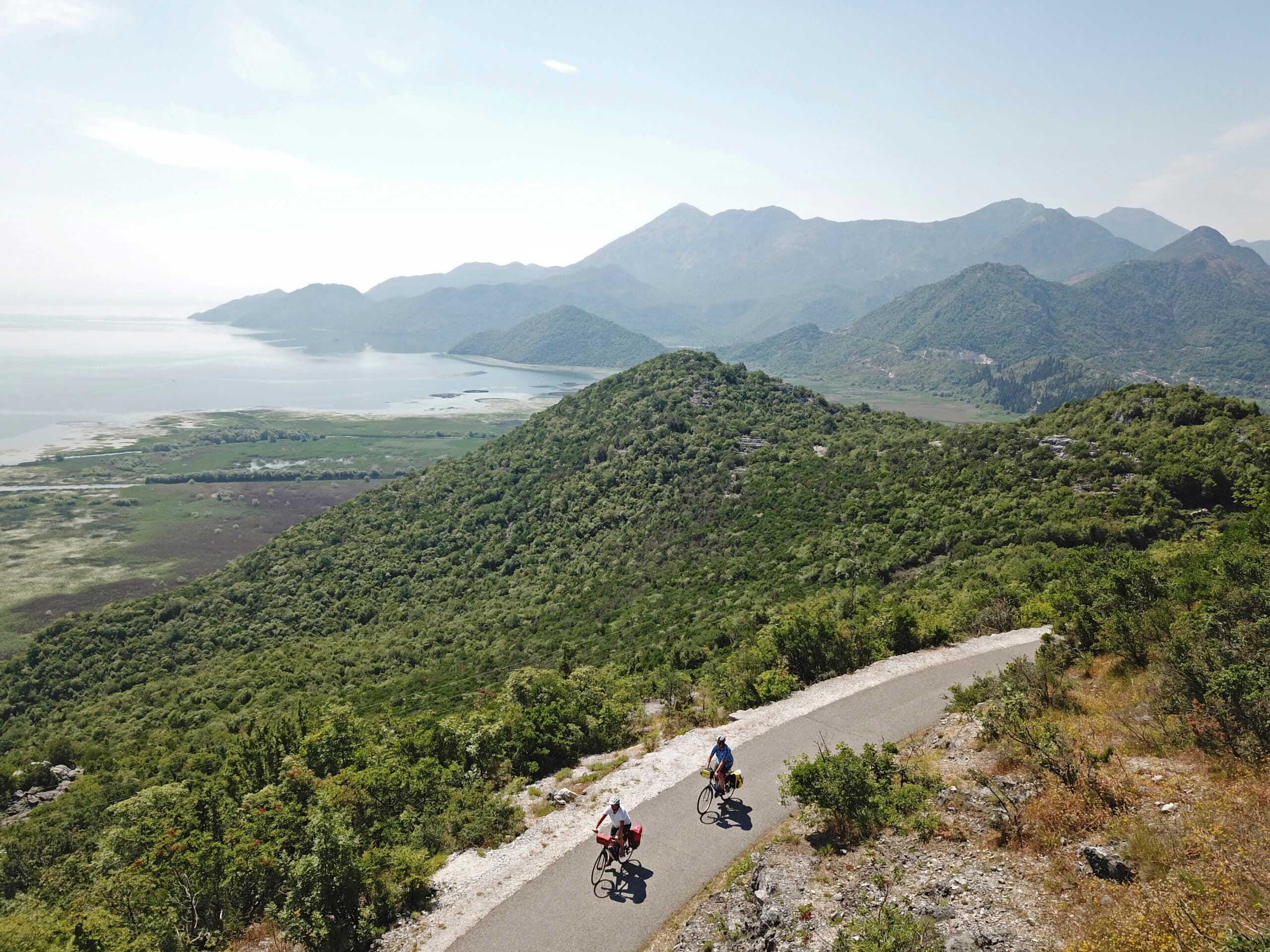
7 days · Cycling
7 days · Hiking
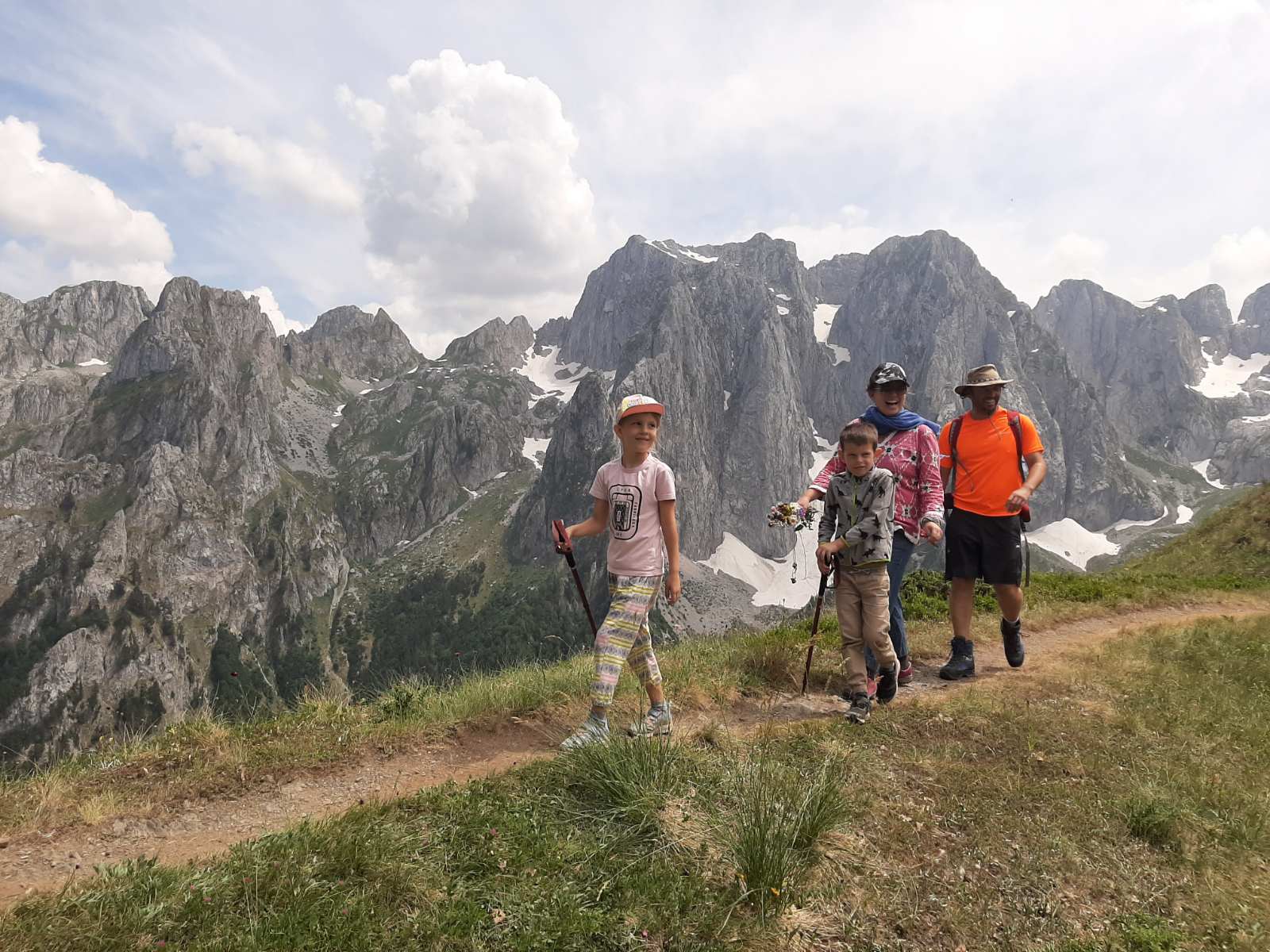
1 day · Cycling
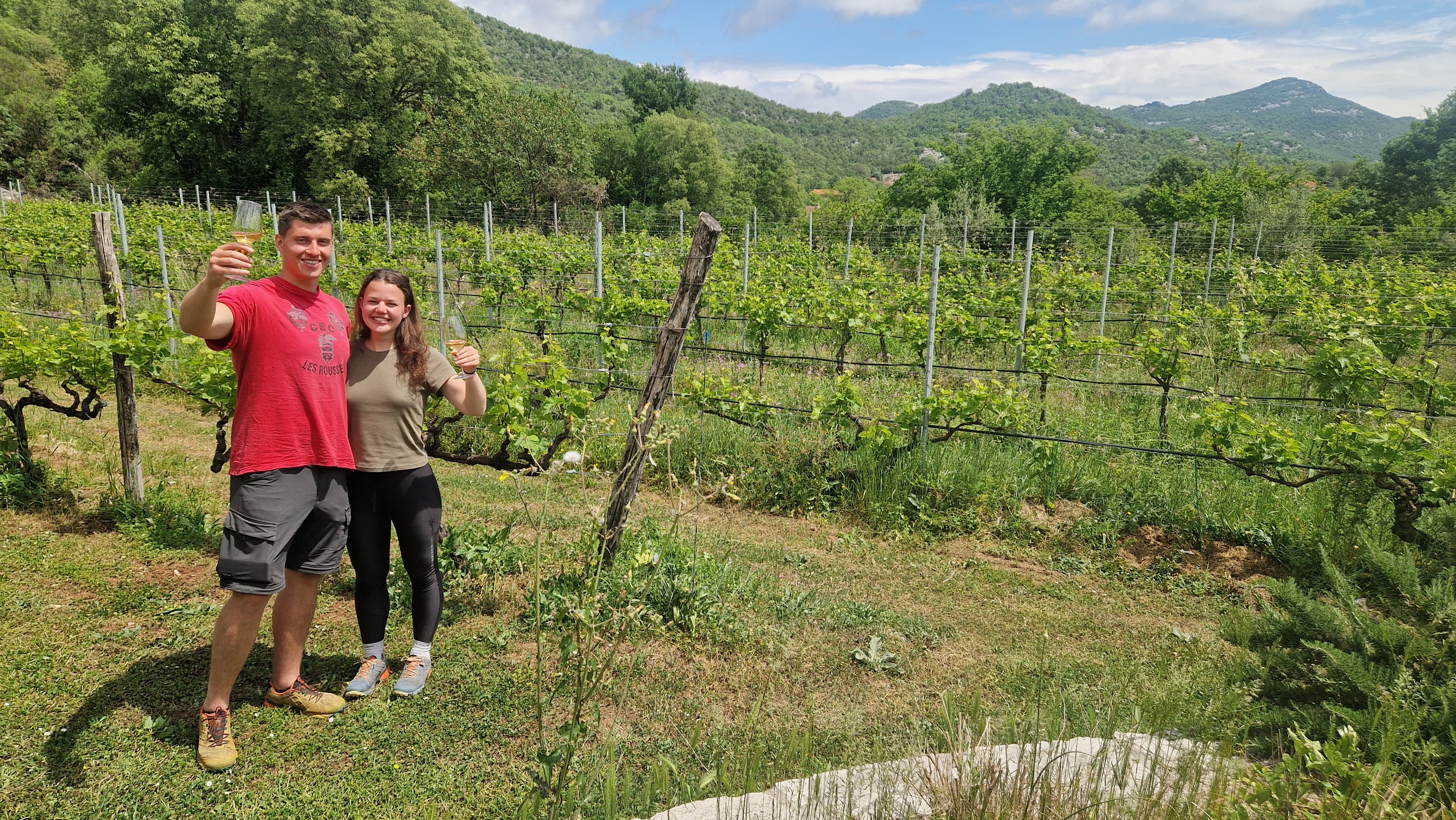
1 day · Cycling
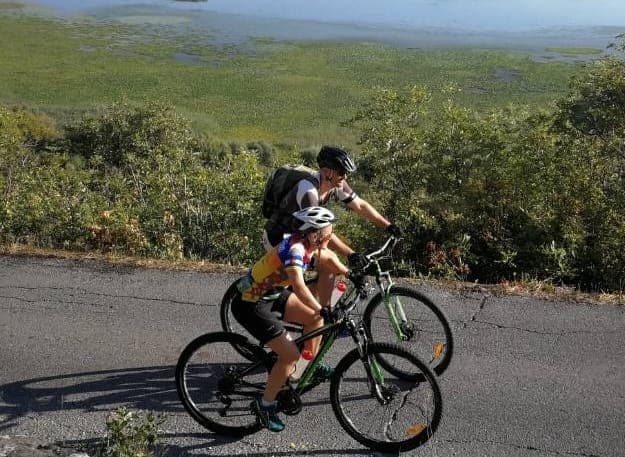
1 day · Cycling
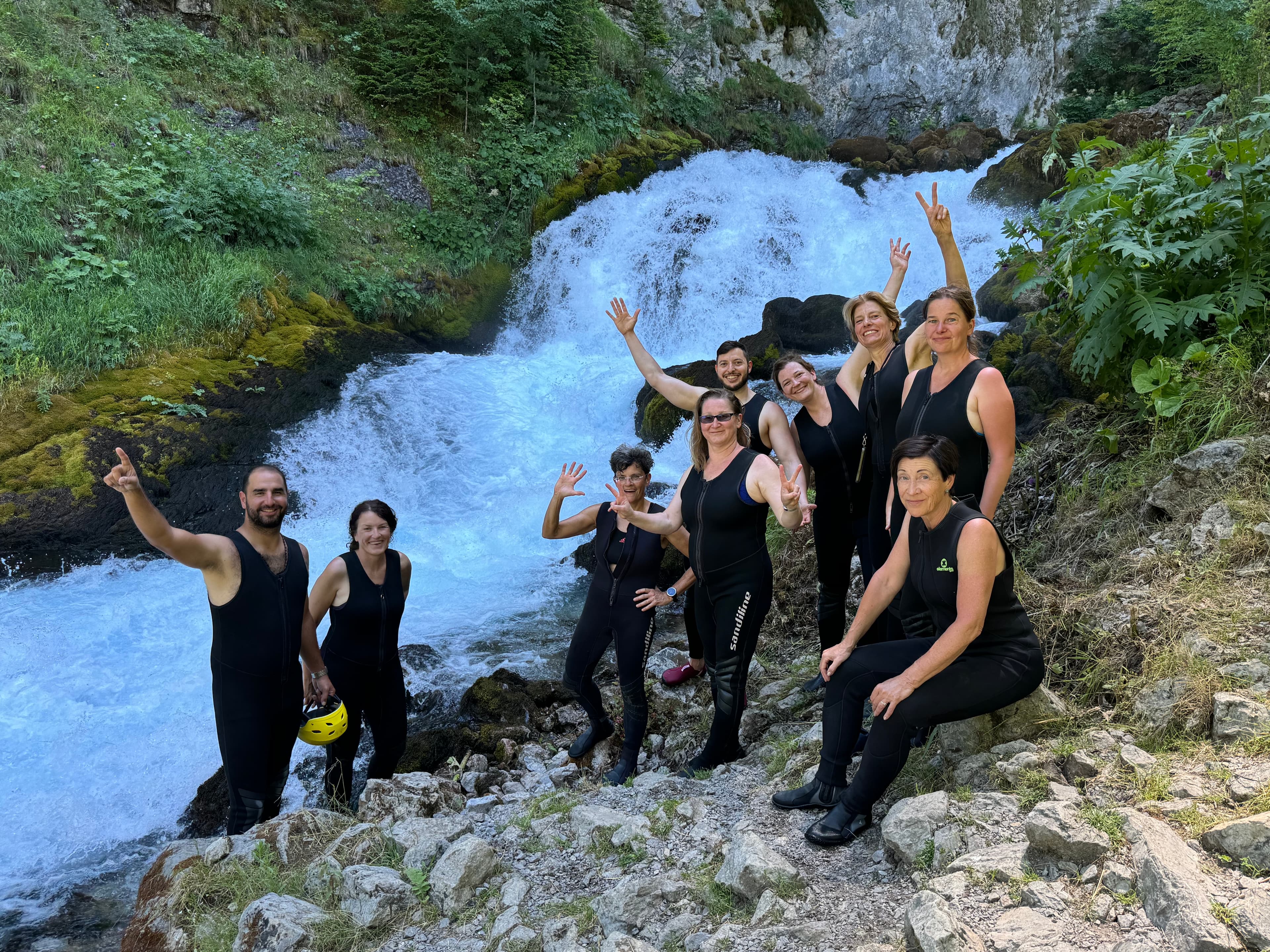
9 days · Cycling
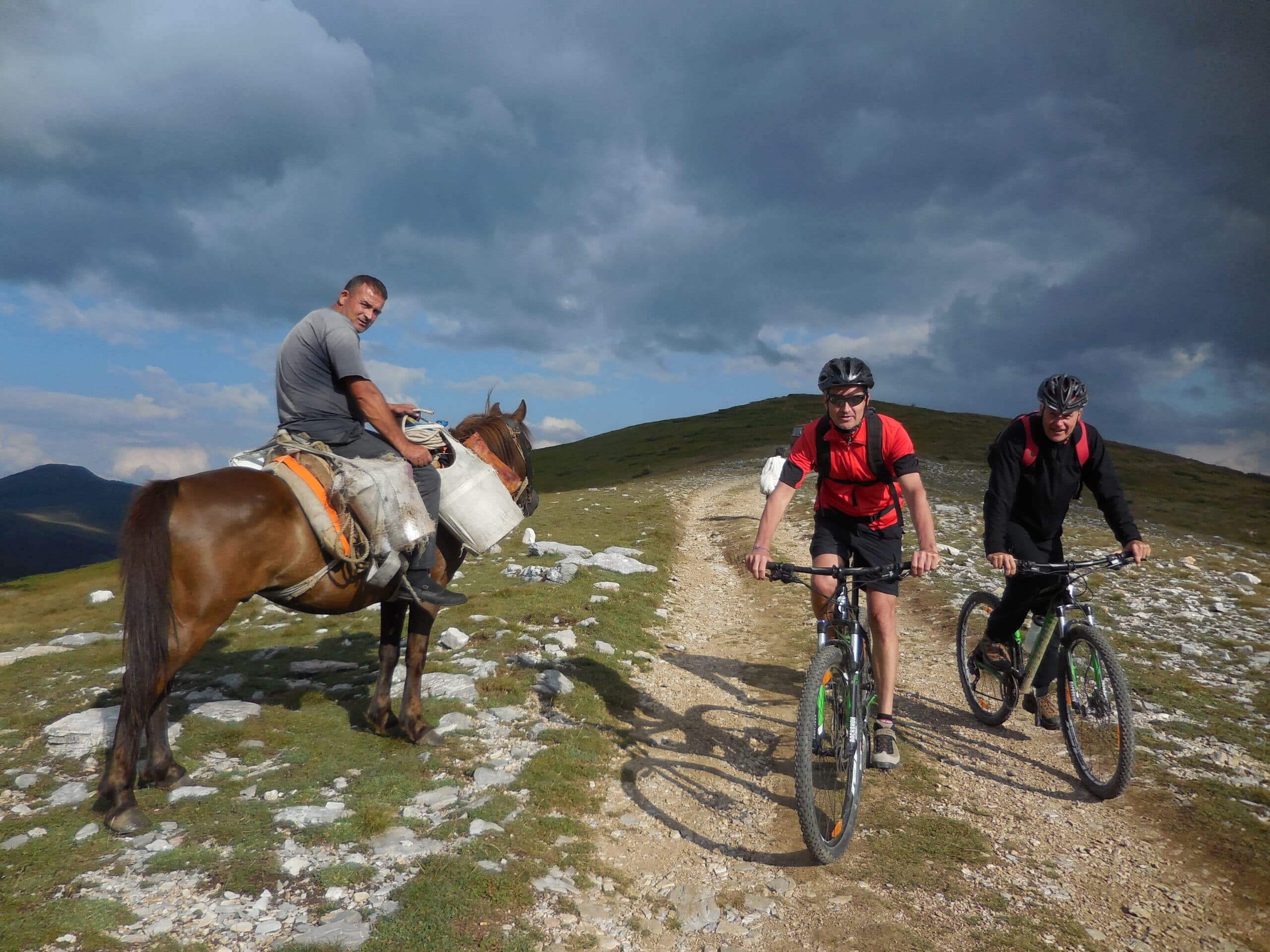
8 days · Cycling
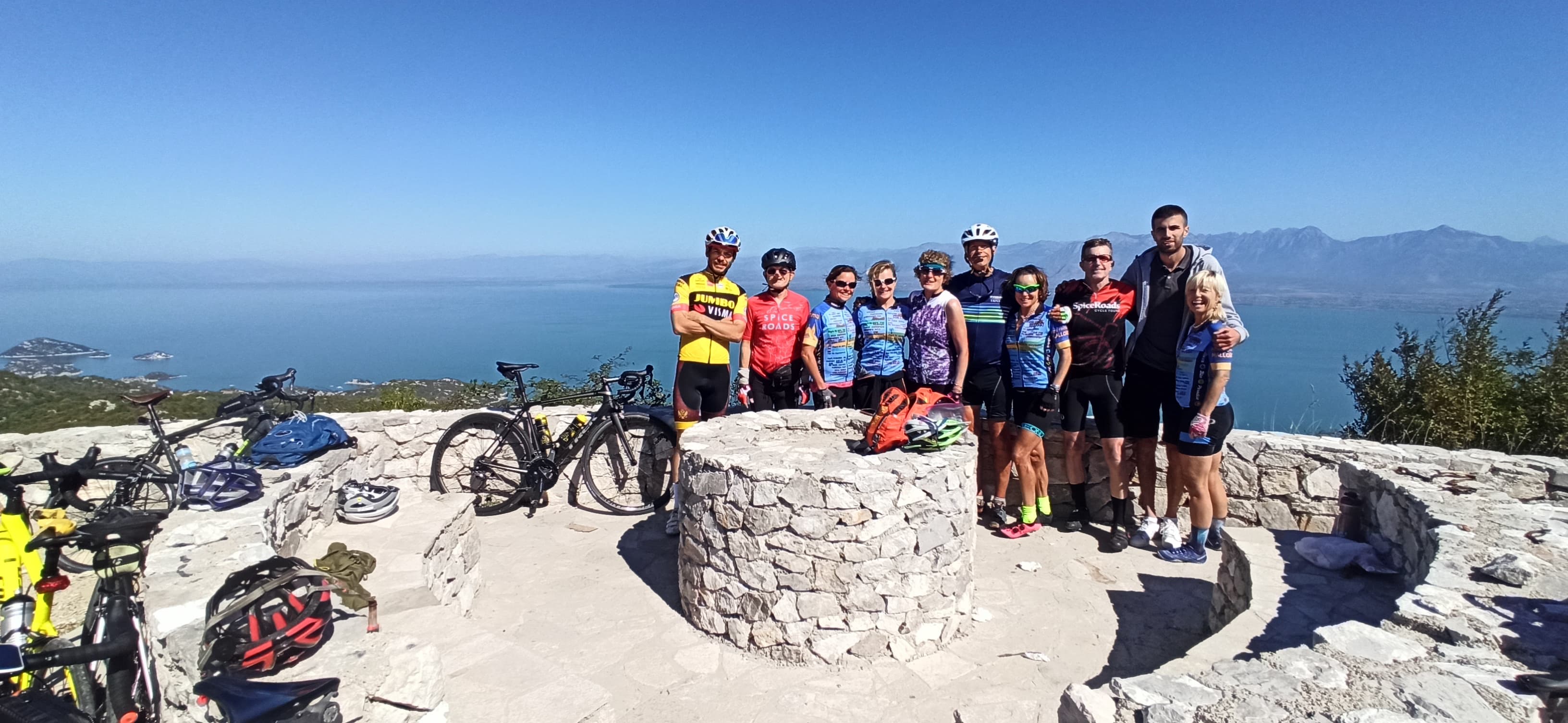
7 days · Cycling
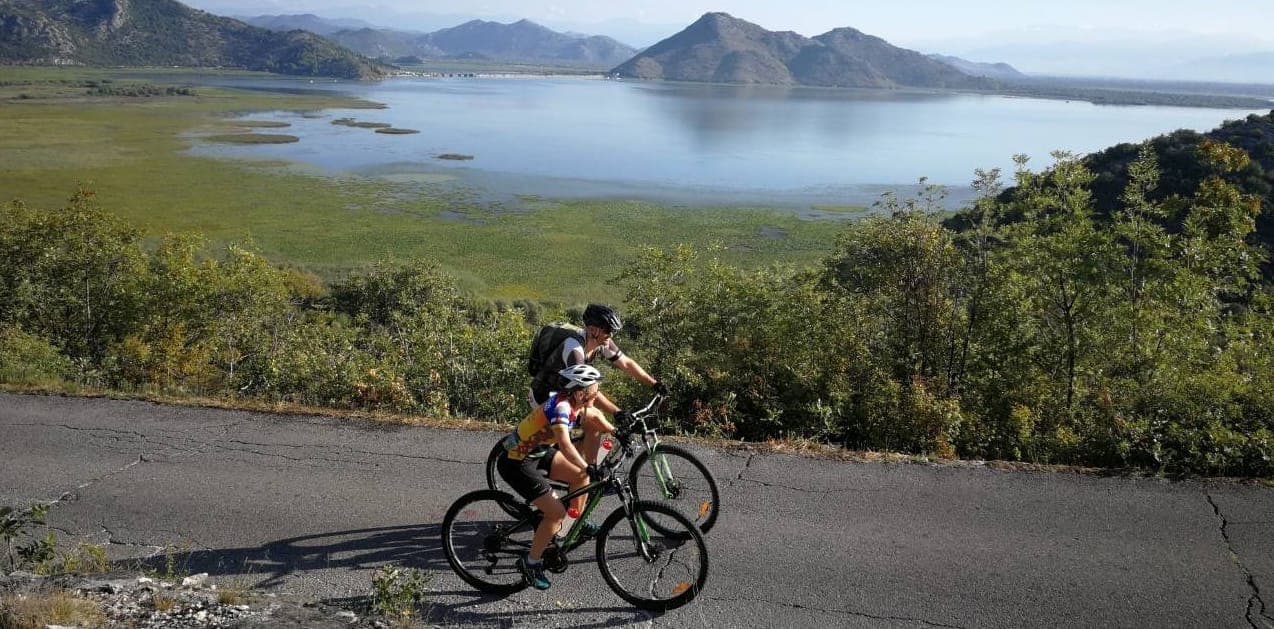
7 days · Cycling
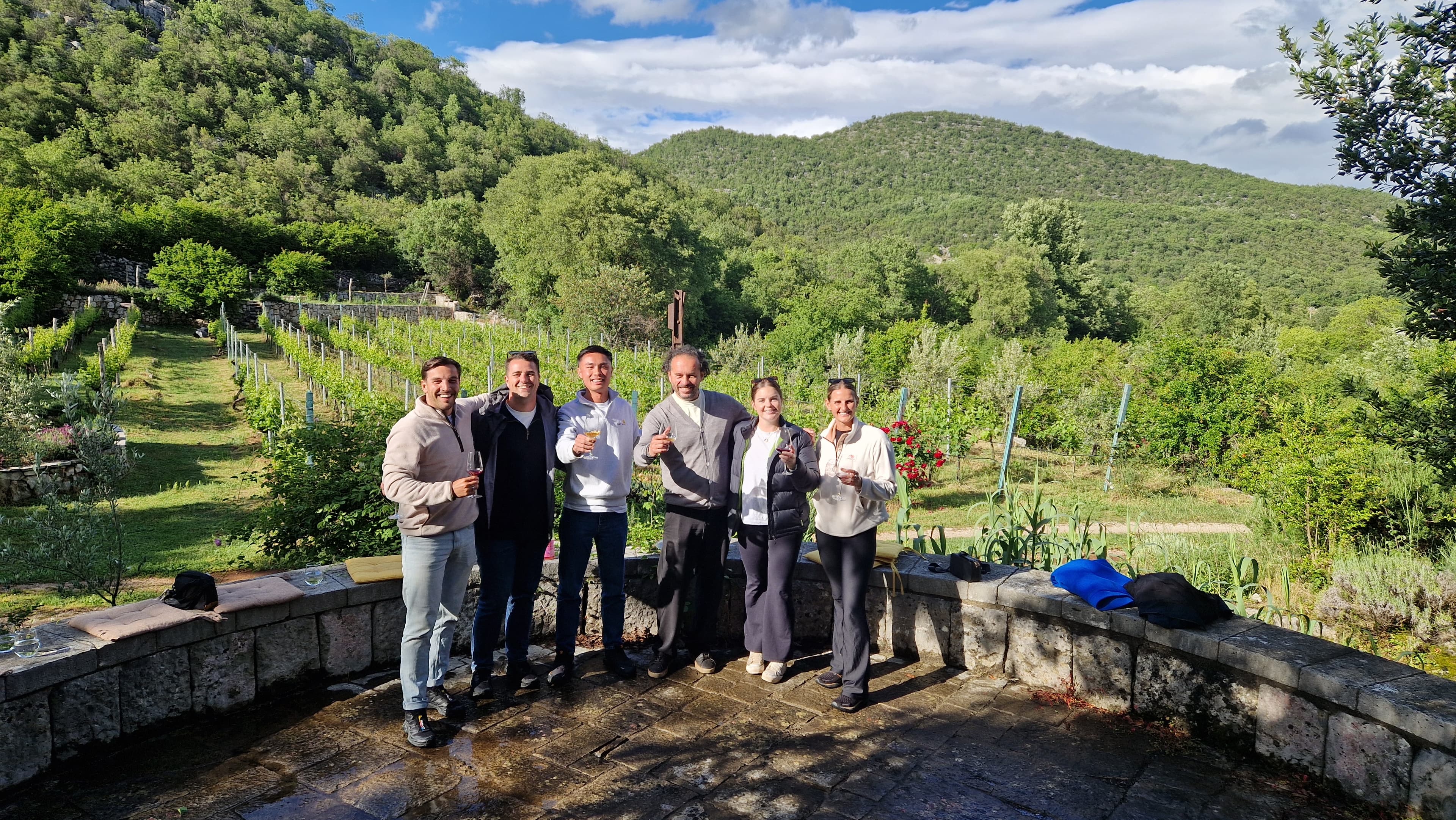
1 day · Multi-activity
from € 160,- / per person
Meet your guides
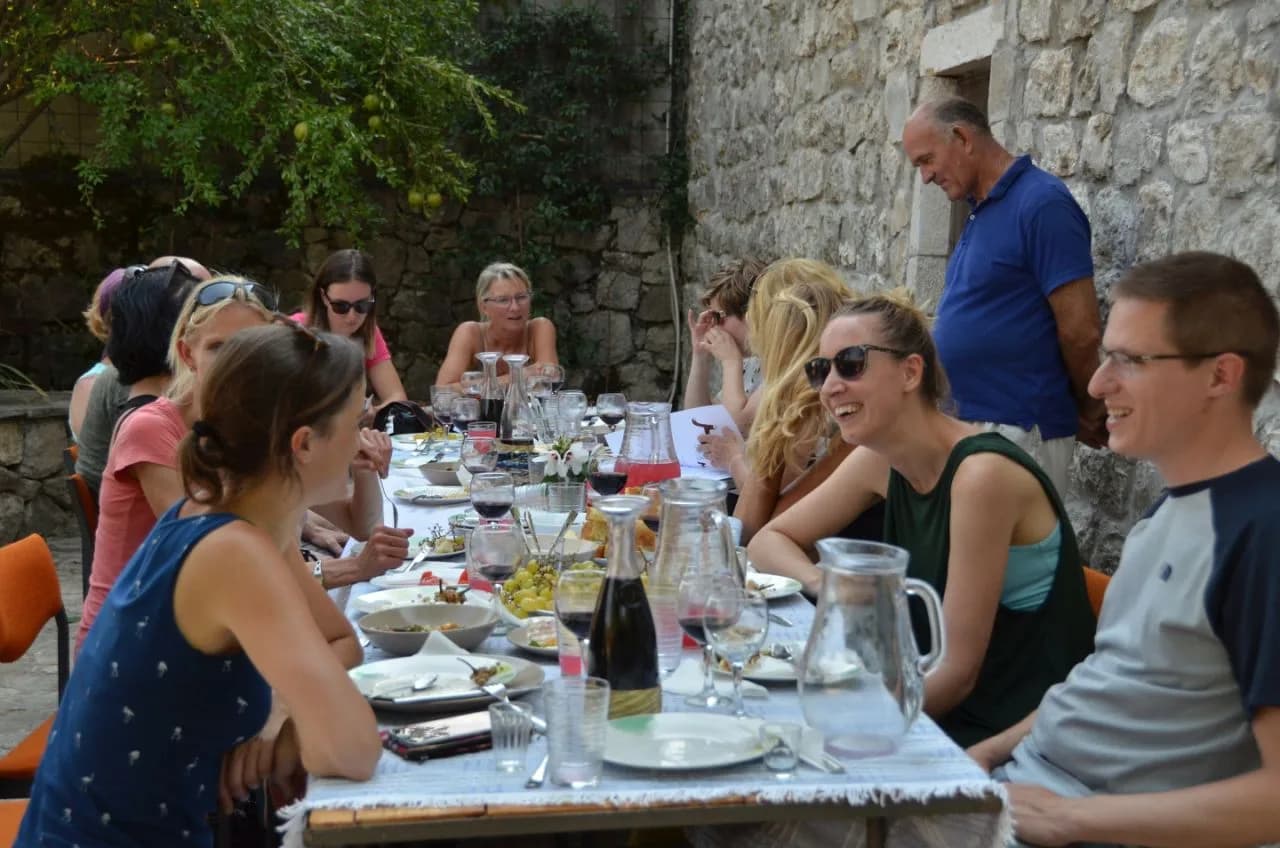
We live in Budva. We walk these trails, ride these roads and eat in these konobas every week. When you book with us, you’ll usually speak directly to one of the people who’ll be guiding you.
Meet the whole team →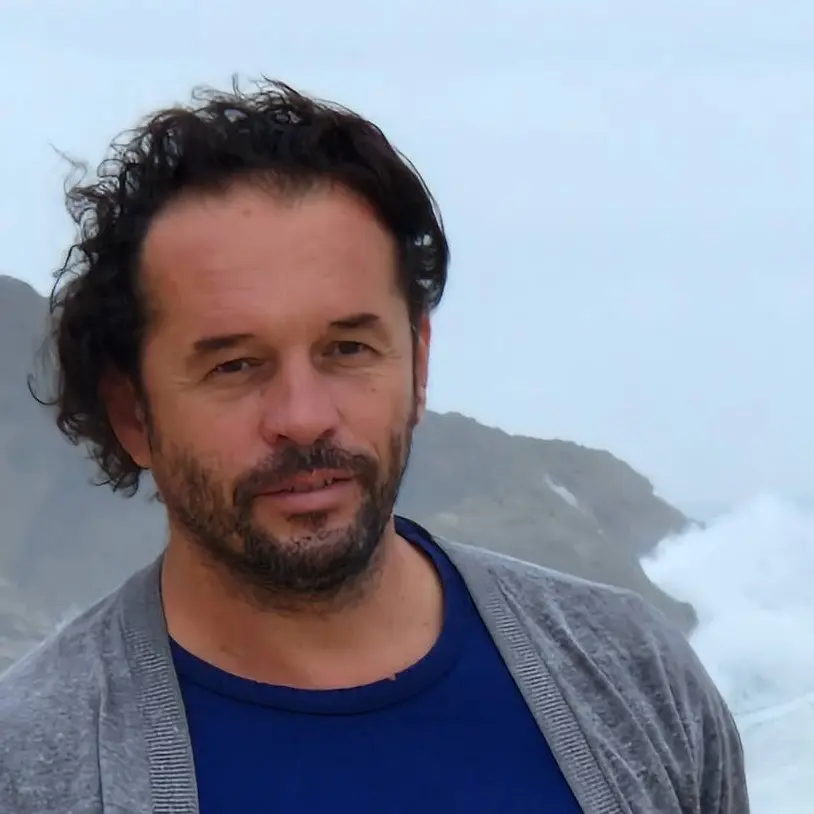
Management
Quality assurance, sales and communication.

Management
Product development, sustainability and marketing.

Tour operations manager
Backoffice — keeps every trip running smoothly on the ground.

Reservations & group tour operations
Backoffice — bookings, group logistics and guest care.
Tell us roughly when, who's travelling and what kind of pace you like. We'll send back a draft itinerary within 1–2 days, no payment until you're happy with the plan.
Plan your trip