

Planning
Montenegro vs Albania: A Head-to-Head from an Operator Who Runs Both
ByBorislav Jablan · · Updated · 8 min read
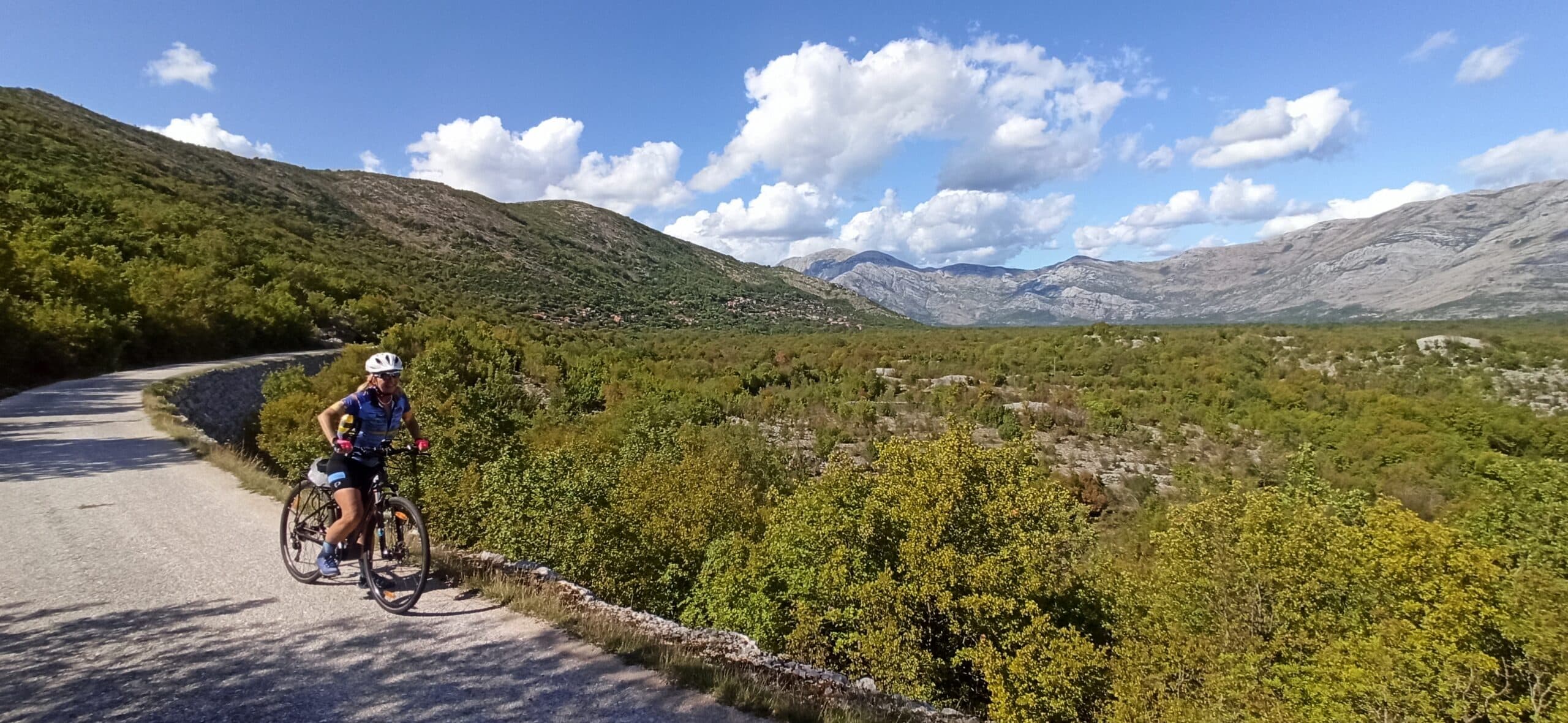
Choose Montenegro for compact loops, paved roads and euro pricing; choose Albania for lower costs, rawer mountains and better swimming sand. They combine well in one trip because the border crossings between them are short.
We run walking and cycling trips in both countries, often in the same season, so this is a comparison from people who drive the roads and hike the passes rather than read about them. Here is the short answer before the detail: Montenegro is the compact, paved, euro-priced option with a fjord-like coast and glacial-lake hiking; Albania is cheaper, with bigger raw mountains and better sandy beaches, at the cost of rougher roads and a currency swap. If you can't decide, do both — the border crossings between them are short.
The one-line verdict, if you only read this far
Choose Montenegro if you want a tight loop with good roads, euro pricing throughout, the Bay of Kotor, and glacial-lake days in Durmitor without a border permit. Choose Albania if you want lower prices, steeper and more dramatic mountains around Theth and Valbona, and better swimming sand in the south, and you don't mind slower driving and changing money into lek.
Do both in one trip. They combine well, and the major Montenegro–Albania border crossings such as Hani i Hotit are short — plan for a wait of roughly 15 to 45 minutes rather than a lost half-day.
Crowding: the biggest recent difference
The two countries are moving in opposite directions. Albania is booming — foreign arrivals reached 11.7 million in 2024, up 15.2% on the year. Montenegro is flat: total arrivals dipped 0.25% to 2.607 million in 2024, and overnights dropped 4.9%. Montenegro's inbound market is also concentrated, with Serbia (25.4%) and Russia (24.9%) the two largest source countries.
On the ground this means Albania's southern coast (Ksamil, Sarandë) and the Valbona–Theth corridor get noticeably busier every summer, while Montenegro's crowding is mostly coastal — Budva and Kotor in July and August — and roughly steady year to year. If avoiding crowds matters, the inland north of either country in June or September is the answer, and our month-by-month season guide sets out when.
Cost: Albania wins clearly
Albania is the budget choice and it isn't close. Cost of living in Montenegro runs about 40% higher than in Albania (May 2025), and Albania sits roughly 30–40% below Montenegro across most categories. Even at Albania's best restaurants, a three-course meal with wine rarely tops €30–€40 a head. In Montenegro, day-to-day food is still reasonable — a cappuccino around €1.90 — but accommodation and eating out cost more than across the border.
Mountains: gentler and marked, or steeper and wilder
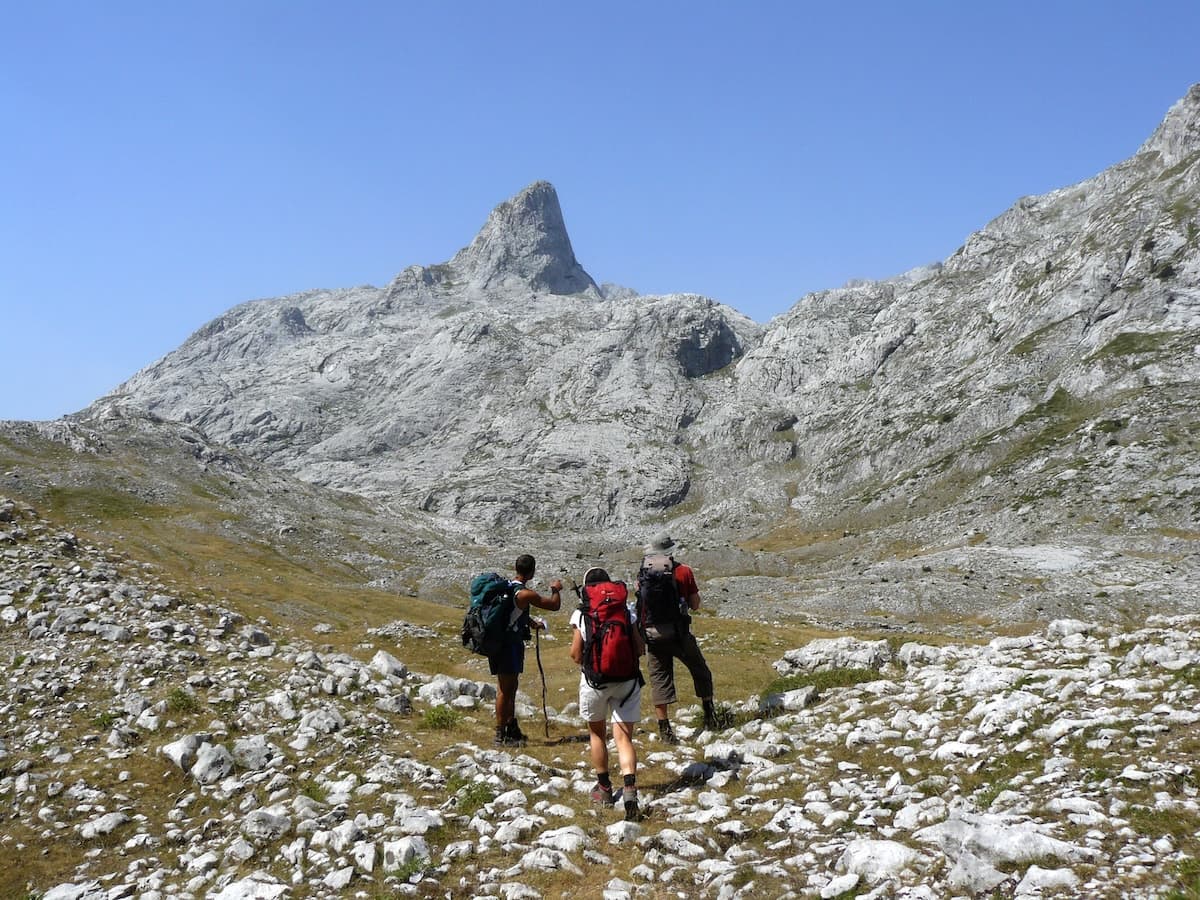
Both countries share the Prokletije, or Accursed Mountains, massif, split by the border. The two sides feel different to walk.
Montenegro: Durmitor and eastern Prokletije
Durmitor is glacial-lake and limestone-plateau country, with nearly 50 named peaks in the massif and trailheads you can drive to. It's the easier introduction: better marked, gentler underfoot, and quick to reach a lake for a swim. Our Durmitor tours build days around that, and the Tara Canyon walk covers the deepest gorge in the region.
Montenegrin Prokletije is reached from Plav and Gusinje. The Grbaja (Grebaje) valley gives access to the most striking day hikes and stays genuinely off the beaten path; the Ropojana valley is the quieter alternative, with the Ali Pasha springs. See Prokletije for the terrain.
Albania: the Albanian Alps, Theth and Valbona
The signature Albanian day is the Valbona-to-Theth pass. Figures vary by start point: roughly 9.5 km from Rrogam to Theth (about 17.6 km trailhead to trailhead), 6.5 to 8 hours, climbing to around 1,800 m at the col. It's a hard hike with steep gain, and it's the mountains at their most dramatic — but it now carries heavy foot traffic in July and August.
Operator read: Durmitor is the better first mountain trip — car-accessible, well-marked, forgiving. The Albanian Alps are more spectacular and more demanding, and the flagship pass is no longer a quiet one in high summer.
The Peaks of the Balkans, which crosses both (plus Kosovo)
This is the trek that ties the countries together, and it's where working both sides of the border actually helps. The route is about 192 km linking mountain villages across Albania, Montenegro and Kosovo, with roughly 1,000 m of climb and 5–8 hours of walking most days. Distance is split fairly evenly between the three countries. The season is mid-June to mid-September, when the weather is more settled and every guesthouse is open.
You sleep in family-run guesthouses on half or full board, not alpine huts — reckon on €40–€55 per person per night including breakfast, dinner and a packed lunch, sometimes a little less. Waymarking differs by country: white-red-white in Albania, red-white-red in Kosovo, and a red circle with a white centre in Montenegro. Treat an offline map app or GPX track as essential, because the blazes thin out at exactly the junctions where you need them. Streams are drinkable on much of the route, and ATMs are scarce — plan your cash in advance, and remember Montenegro and Kosovo use euros while Albania uses lek.
The cross-border permit: required, and not a formality
You must arrange a cross-border permit, and it takes time. Walking a crossing without one can mean fines of upwards of €300 per person and potential detention. To complete the whole circuit you need three permits, one per border crossing, at €5 per person each if you apply yourself; you generally apply from the country you are leaving.
Permits are date-specific, but the police have shown understanding when weather or fatigue puts walkers a day or two off schedule. And not every leg needs one: if you only straddle the border without crossing to stay overnight — the Grbaja valley, or Valbona–Cerem — no permit is required.
Coast: Kotor's scenery vs Albania's sand
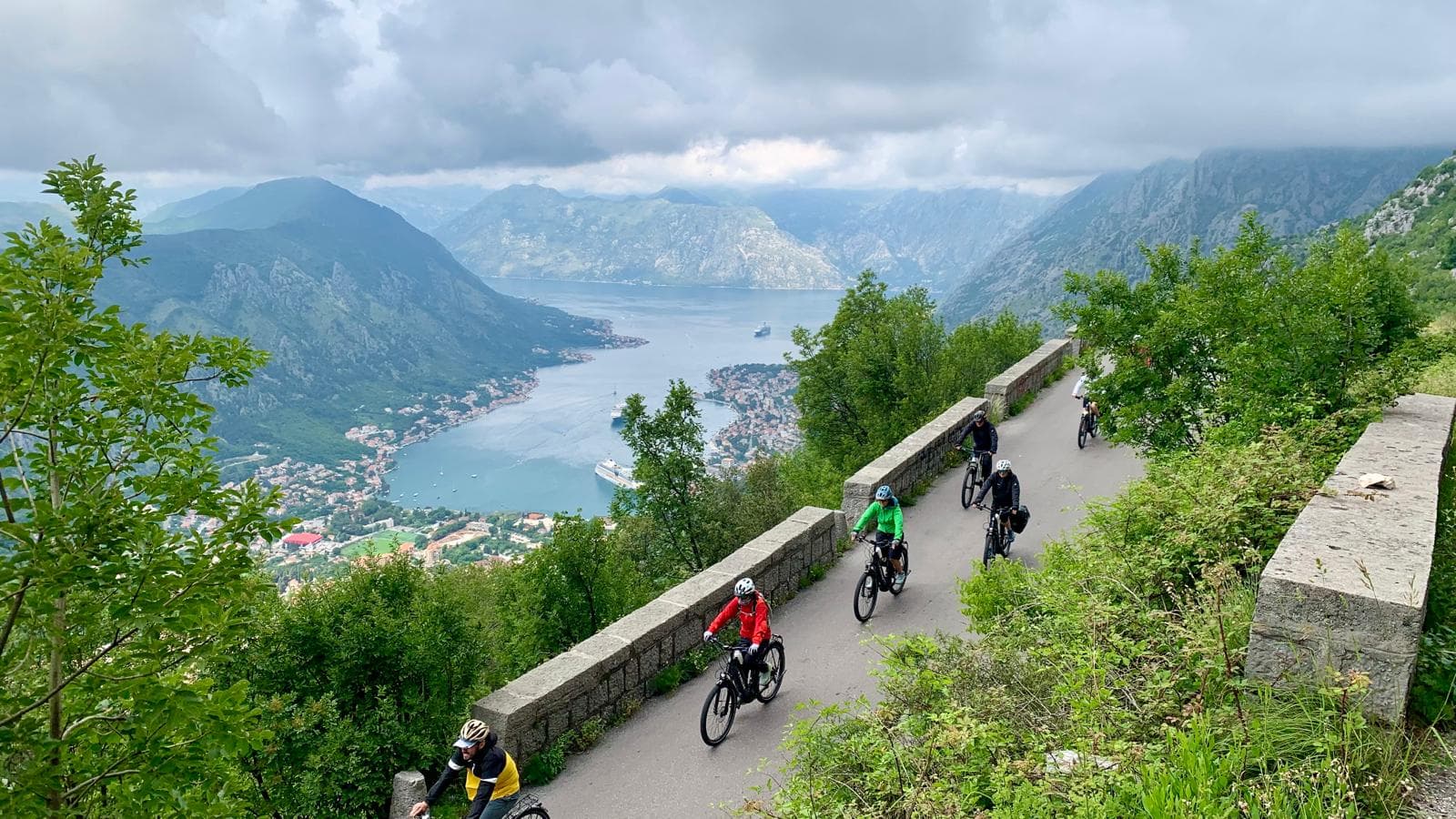
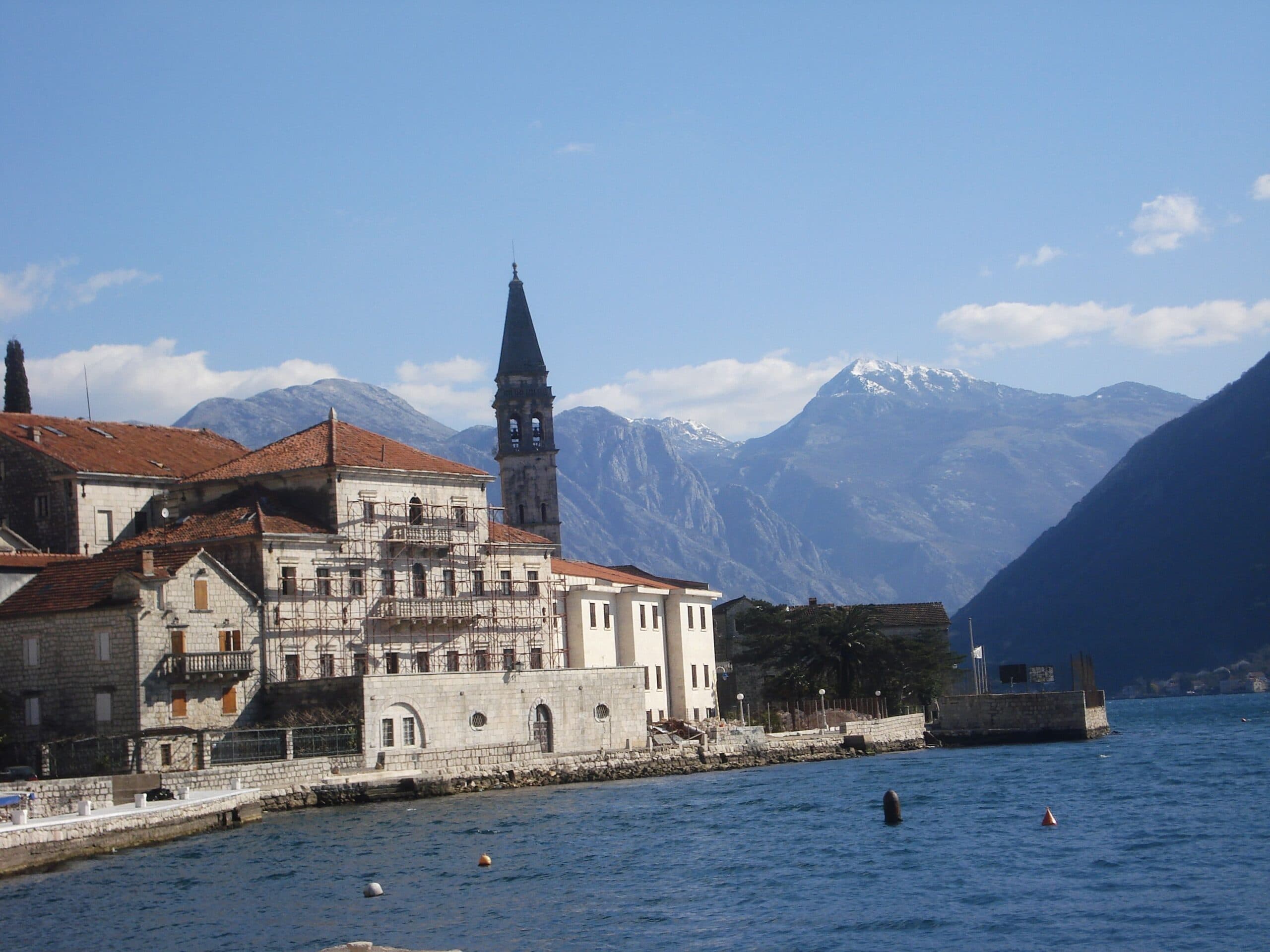
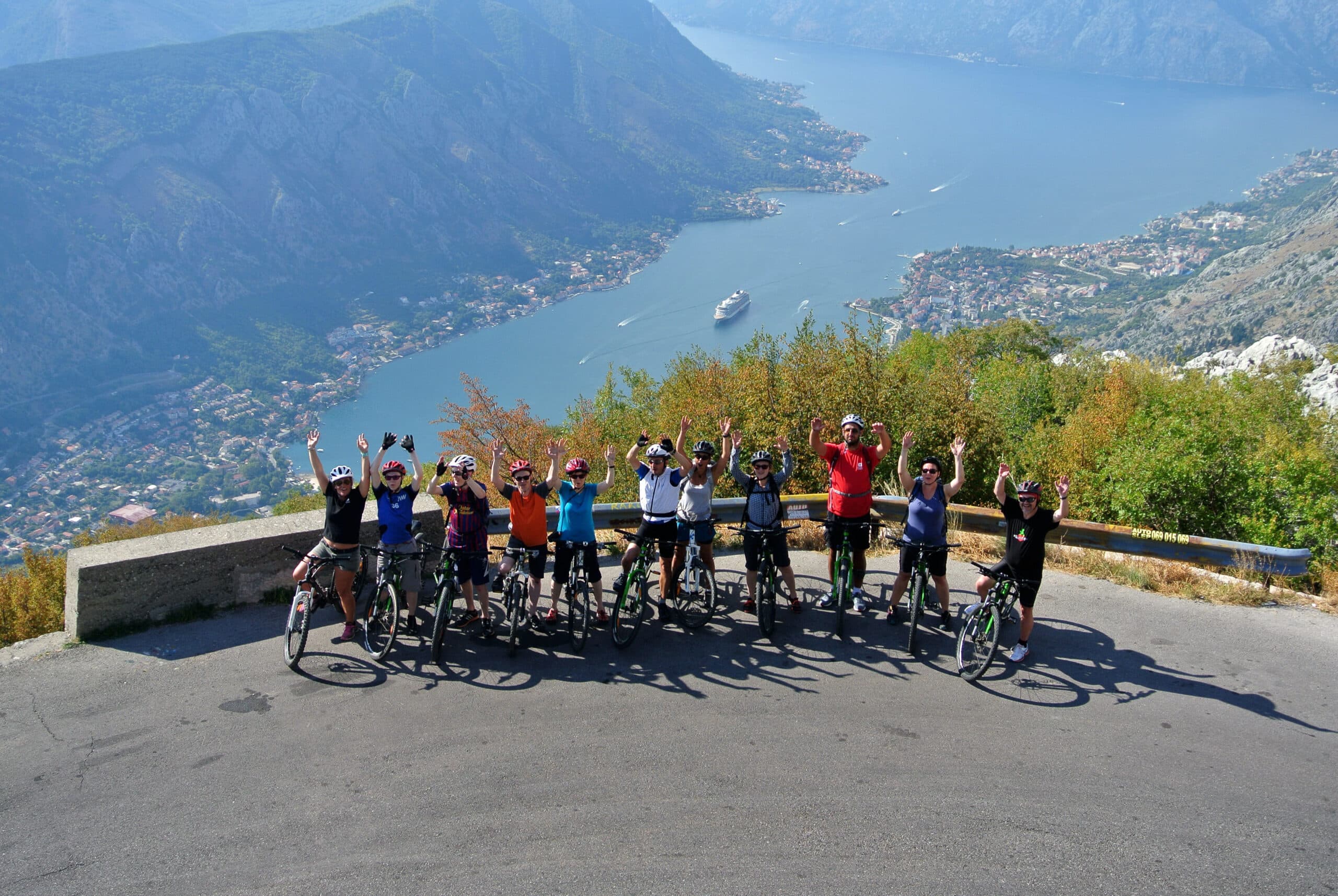
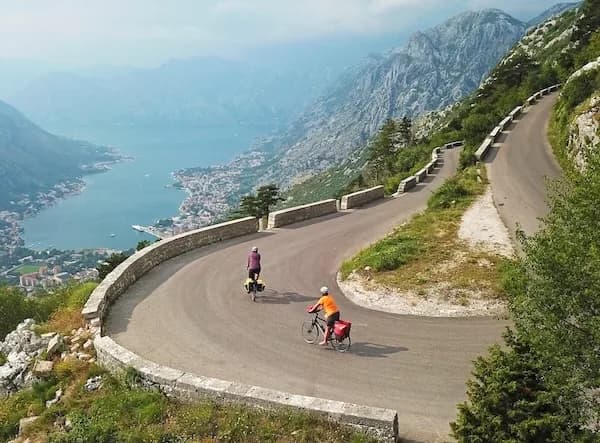
Montenegro's coast is coves, cliffs and bays, more developed, with the fjord-like Bay of Kotor as the standout — smoother roads, more resorts, and beaches with chairs and umbrellas out by mid-morning. The Budva Riviera alone has more than 25 beaches, the longest being the 2.5 km sandy Jaz. For the bay itself, our Kotor tours are the starting point.
Albania's south trades polish for price and sand. Ksamil and Sarandë are cheaper and less manicured, crowded in August but with better actual swimming beaches and coves like Gjipe a short walk from the road. Operator read: Kotor Bay is the better scenery, Albania's Riviera the better swim — cheaper, busier, rougher to reach.
Roads and driving
Montenegro now has a motorway spine — the A-1's Smokovac–Uvač–Mateševo section opened in July 2022, 41 km with 20 bridges and 16 tunnels — but mountain roads are still slow. Podgorica to Žabljak is 125 km on paper and closer to 2.5 hours in practice, and the 22 km from Kotor to Budva can take anywhere from 25 to 90 minutes depending on traffic.
Albania's northern access hinges on a boat rather than a road. To reach Valbona you cross Lake Koman on the daily ferry, which runs 15 April to 5 November, takes about 2.5–3 hours and costs around €10 per person (a little less if you prepay online, more for a vehicle). Book ahead in summer — this is the pinch point of any Albanian Alps trip.
Food and wine
Montenegro's wine is dominated by one producer, Plantaže, farming 2,300 hectares and selling well over 16 million bottles a year across 40-plus countries; the red to try is Vranac. Albania's scene is smaller and more local, with native grapes like Shesh i Bardhë and Shesh i Zi grown from the coast inland to Berat and Përmet. If you like tracking down small producers, Albania is more rewarding; if you want a reliable house red everywhere, Montenegro delivers it.
Language: how easily you get by
Albania is easy for English speakers in tourist areas, and there's a strong Italian legacy from schooling and the coast — many younger Albanians speak English, and along the south many also use Italian. Near the Montenegro border some communities speak Serbian or Montenegrin too. In Montenegro the base language is Montenegrin (Serbo-Croatian), and English is widely used in coastal tourism. Neither country is hard to travel in without the local language.
Flights and where to arrive
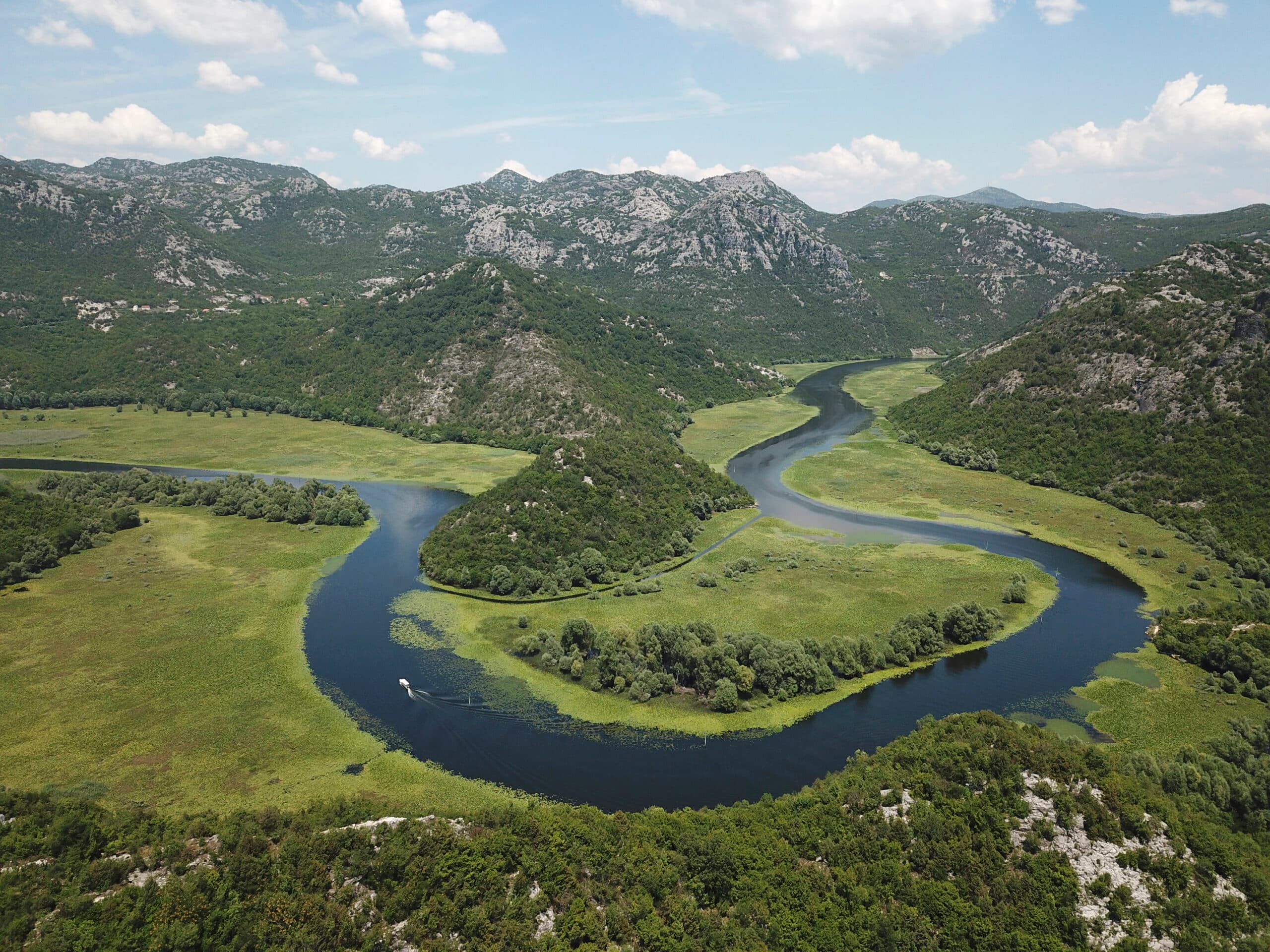
Montenegro has two international airports, Podgorica (TGD) and Tivat (TIV), handling just over 3 million passengers between them in 2025. For the mountains, Podgorica is the sensible arrival — better for Lake Skadar, Durmitor or Plav, with cheaper car hire than Tivat. If you're combining both countries, arriving in Podgorica and looping south into Albania keeps the driving logical.
So — Montenegro or Albania?
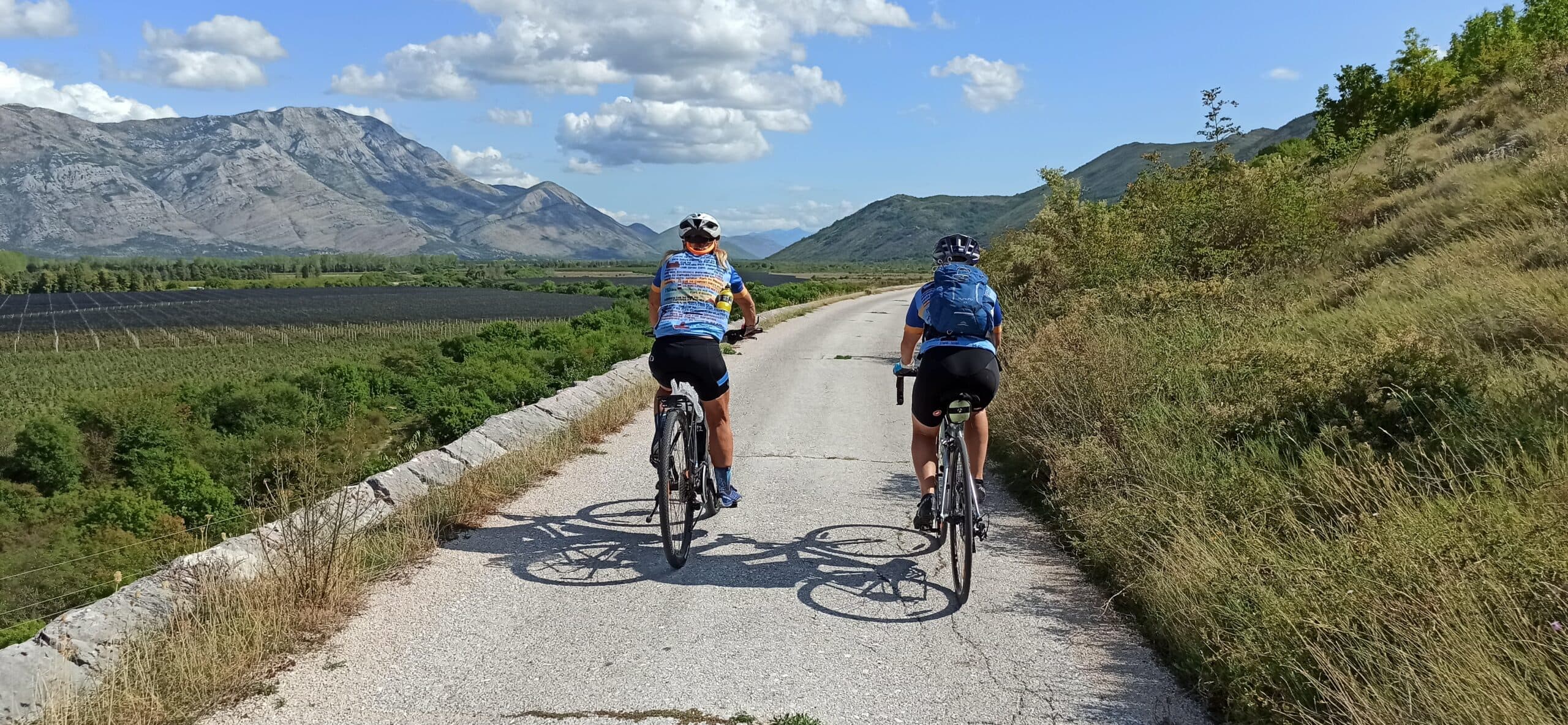
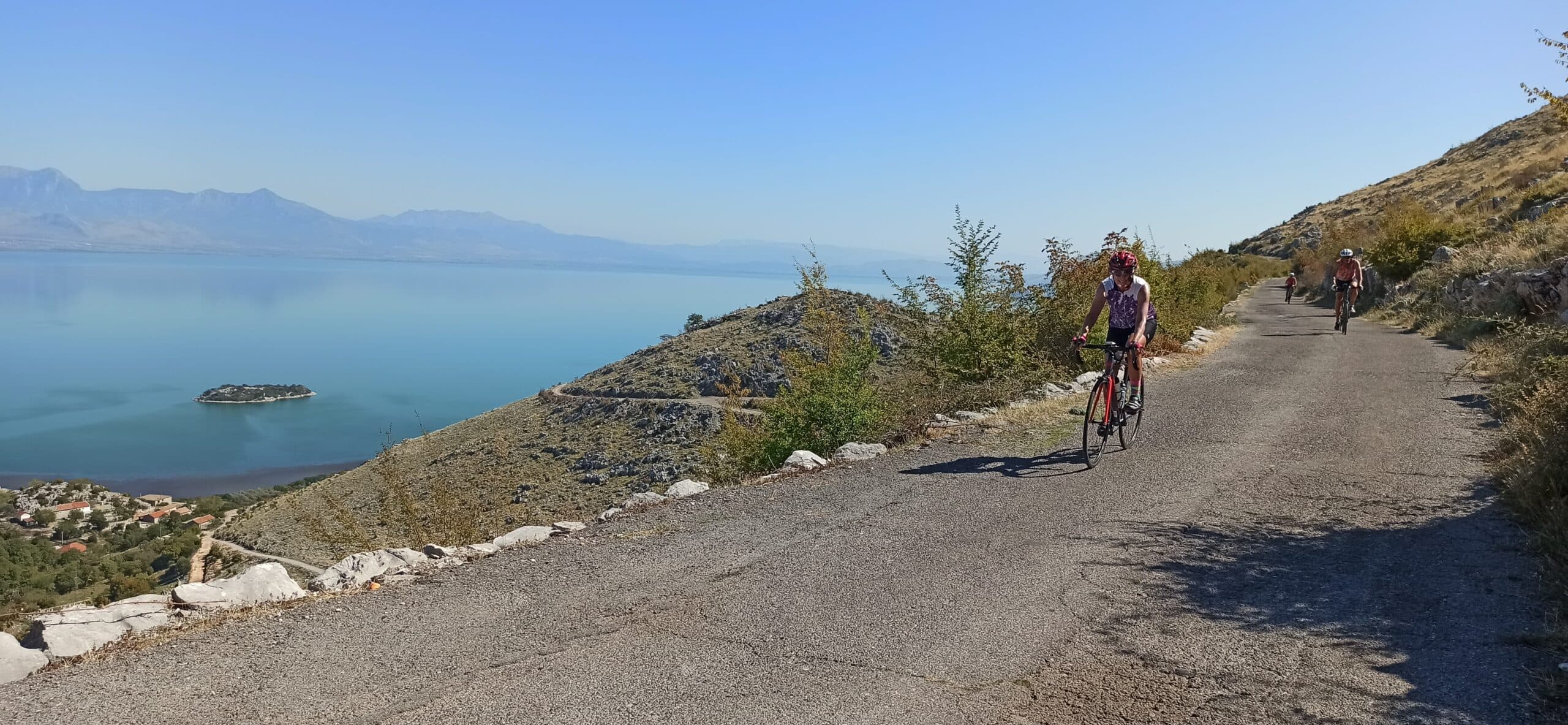
Choose Montenegro if you want a compact trip, paved roads, one currency, the Bay of Kotor and glacial-lake hiking in Durmitor without a border permit. It's the easier country to organise and the better first visit. Look at Lovćen and Lake Skadar alongside Durmitor, and if you cycle, our bike rental covers the flatter valley and lake routes.
Choose Albania if budget matters, you want the steepest and most dramatic mountains around Theth and Valbona, and you'd rather have cheap sandy beaches than polished resorts — accepting slower roads, the Koman ferry, and lek in your pocket.
Do both if you can spare ten days or more. The two share the Prokletije, the border crossings are short, and the Peaks of the Balkans is the natural way to link them — provided you sort the cross-border permit well in advance. See the full range of our tours for how we stitch the two together.
Several of our trips cross both countries: the Peaks of the Balkans trek on foot, and our cross-border cycling tours by bike.
Is Albania or Montenegro cheaper?
Albania, clearly. Cost of living runs about 40% higher in Montenegro, and Albania sits roughly 30–40% below it across most categories. A three-course meal with wine at a good Albanian restaurant rarely tops €30–€40 a head.
Which has better mountains for hiking, Montenegro or Albania?
It depends on what you want. Montenegro's Durmitor is gentler, better-marked and has car-accessible trailheads. Albania's Theth and Valbona are steeper and more dramatic — the Valbona–Theth pass is a hard 6.5–8 hour day — but far busier in July and August.
Do I need a permit to hike the Peaks of the Balkans?
Yes. Crossing the borders on the trail requires permits — three for the full circuit, one per crossing, at €5 per person each if you apply yourself. Apply at least 14 days ahead, or use an agency. Walking a crossing without one risks fines of upwards of €300 per person.
Can I visit both Montenegro and Albania in one trip?
Yes, and they combine well. The two share the Prokletije massif and the major border crossings such as Hani i Hotit are short — plan for a wait of roughly 15 to 45 minutes. The Peaks of the Balkans trek links them directly.
Which country has better beaches?
For scenery, Montenegro's Bay of Kotor is the standout. For actual swimming sand, Albania's south — Ksamil and Sarandë — is cheaper and better, though busier and rougher to reach. Both coasts are crowded in August.
Written by
Borislav Jablan
Quality and guest communication, 3E Travel
Borislav looks after quality assurance and guest communication at 3E Travel in Podgorica, and is the person guests most often deal with directly. The team walks or rides every route before recommending it — usually in more than one season.