


Cycling
The Complete Guide to Supported Self-Guided Cycling in Montenegro
ByAngelika Temper-Jablan · · Updated · 9 min read
Unlit tunnels, serpentine climbs, coastal traffic — and the spectacular riding on the other side of them. What to know before cycling Montenegro on your own, and what our supported version takes off your plate.
Montenegro packs an absurd amount of scenery into a tiny footprint: glittering Adriatic coastline, fjord-like bays, high limestone peaks and one of Europe's deepest canyons, all within a few hours' ride of each other. For self-guided cyclists, that variety is the whole appeal. It's also exactly why a little planning goes a long way here — steep, narrow mountain roads and unlit tunnels aren't things you want to discover for the first time mid-ride. Here's everything worth knowing before you pedal into Montenegro on your own, and what our supported version of self-guided takes off your plate.
Roads, terrain, and Montenegro's 'mountain holes'
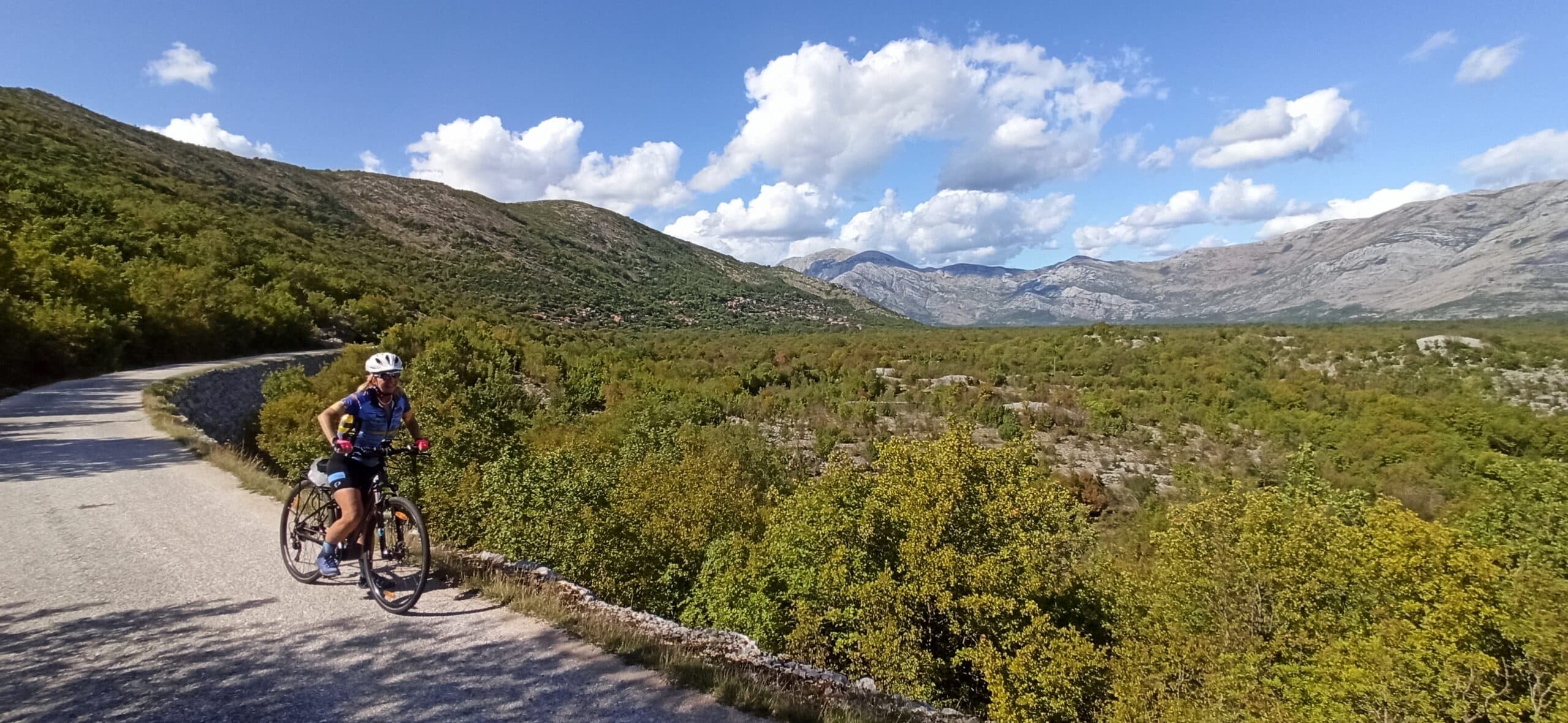
This is the part that catches most visiting cyclists off guard. Much of the country's road network was carved directly into mountains and canyons, so narrow, winding roads are the norm rather than the exception — even routes that look flat on paper often aren't. Budget a minimum of 500–600 m of climbing per day, and up to 1,300 m on the bigger stages. That shouldn't scare you off: a cyclist of average fitness copes comfortably on one of our e-bikes, even on the longer, more demanding ascents.
Tunnels need real planning, not an afterthought
Montenegro has dozens of road tunnels, and a large number of them — especially in mountain regions like the P17 through the Durmitor and Piva area — have no lighting at all. Some run several hundred metres with a bend partway through, which means no reassuring light at the end to aim for. A few also have drainage ditches cut into the roadside, easy to stumble into if you're walking your bike through in the dark. Near Lake Skadar, the toll road's 4.1 km Sozina tunnel is closed to bikes entirely — we route you over the mountains instead, which is the better ride anyway.
Our e-bikes all come with powerful built-in lighting. If you opt for a touring or road bike, bring a genuinely strong front light — not just a 'be seen' blinker — plus a rear light.
The coastal road is stunning but crowded
The Bar–Budva–Kotor–Herceg Novi stretch is spectacular and busy in equal measure, and the main road between Mojkovac and Kolašin has the same problem: fast-moving, often impatient traffic. Great for photos, less great for a relaxed pace. Our routes use scenic back-road alternatives wherever they exist, and where they don't, we simply bridge the unpleasant stretch by transfer.
When to ride
April through October is the sweet spot. April and May are ideal for the coastal areas — the Bay of Kotor, the Luštica peninsula, Lake Skadar, the Ostrog and Zeta valley, and Ulcinj — before the summer heat and the tourist rush arrive. From mid-May to the end of October the mountain stages open up too, once the Durmitor passes are clear of snow. September and October are arguably the best all-round months: you're in shape from a summer of riding, the temperatures are kind, the light is gorgeous, and both the coast and the mountains are quiet again.
The standout routes
Montenegro's signature rides at a glance
| Route | Character | Effort |
|---|---|---|
| Piva Gorge & Durmitor (north from Nikšić) | Canyon walls, high-mountain scenery, tunnel-heavy | Demanding (e-bike recommended) |
| Durmitor ring from Žabljak | ≈ 88 km, ≈ 2,500 m climbing, Tara Canyon viewpoints, Sedlo Pass | A genuinely hard day — or two |
| Lovćen → Kotor serpentines | 24 km descent from the national park to the old town walls | Moderate, unforgettable |
| Lake Skadar village roads | Quiet single-track lanes, historic villages, wine country | Easy–moderate |
Piva Gorge and Durmitor
Dramatic canyon walls and high-mountain scenery on the road north from Nikšić. Beautiful — but tunnel-heavy and physically demanding if you're not taking advantage of e-bike support. This is the region where that serious front light earns its place in your kit.
The Durmitor ring
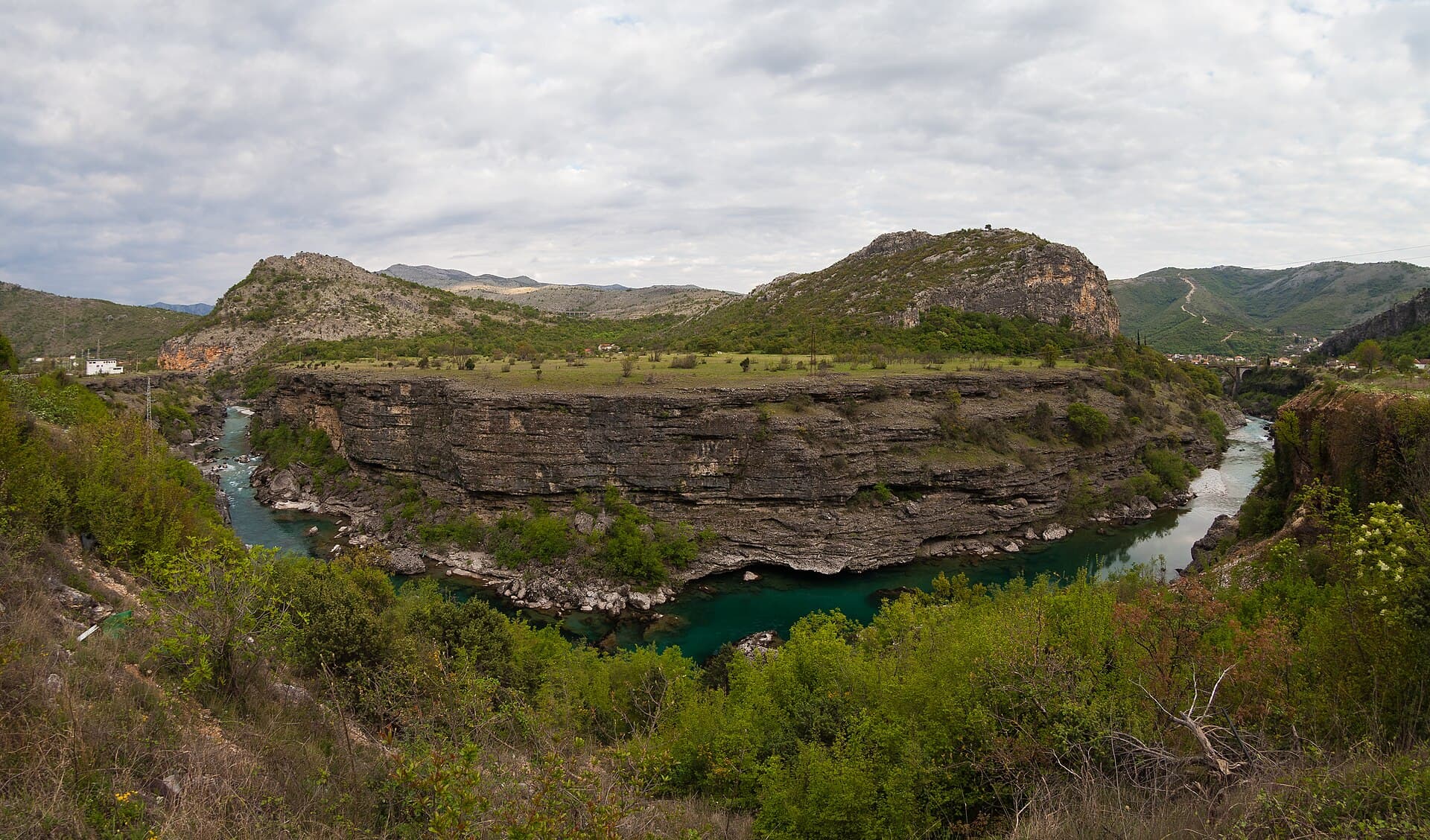
The classic loop from Žabljak runs partly above the Tara Canyon — Europe's deepest — taking in the canyon viewpoints and Sedlo Pass: about 88 km with roughly 2,500 m of climbing. That makes it a genuinely hard day (or two, if you're loaded with touring gear) that pays you back with some of the best mountain scenery in Europe. Surfaces are well-paved throughout, which helps, but don't underestimate it. Schedule a rest day either side, and double-check pass conditions in shoulder season — snow lingers at altitude. Our route planning takes you to the highlights of this spectacular stretch without the guesswork.
The Kotor serpentines
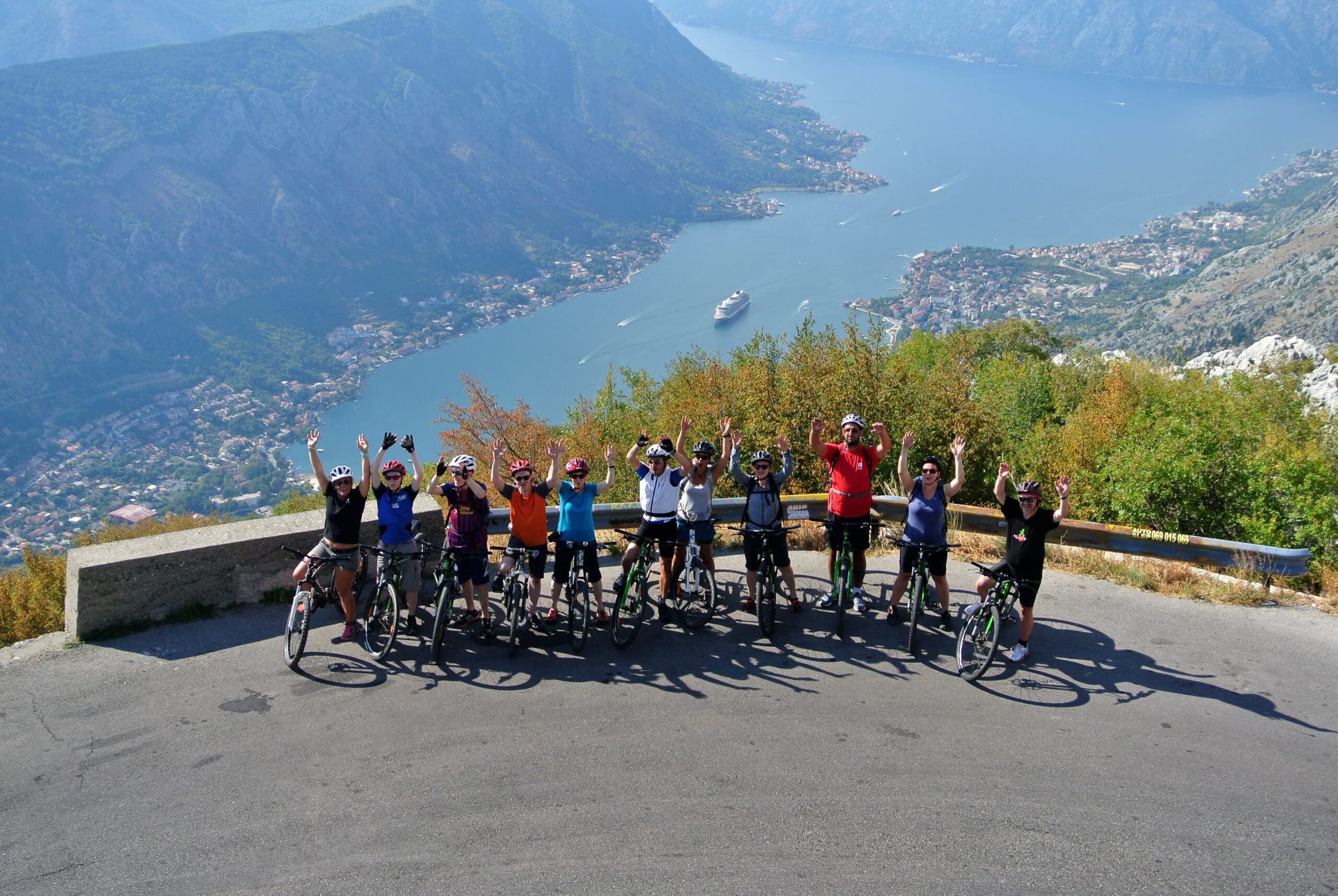
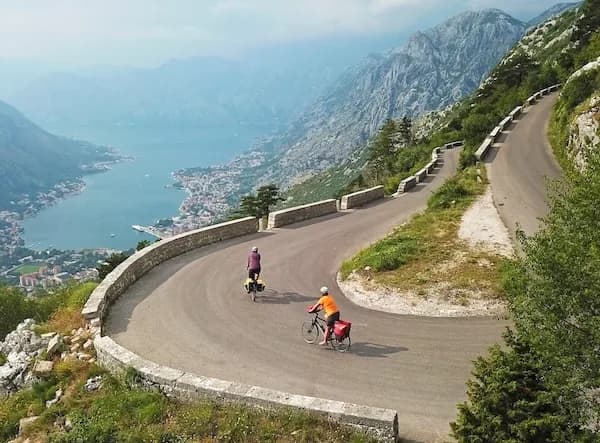
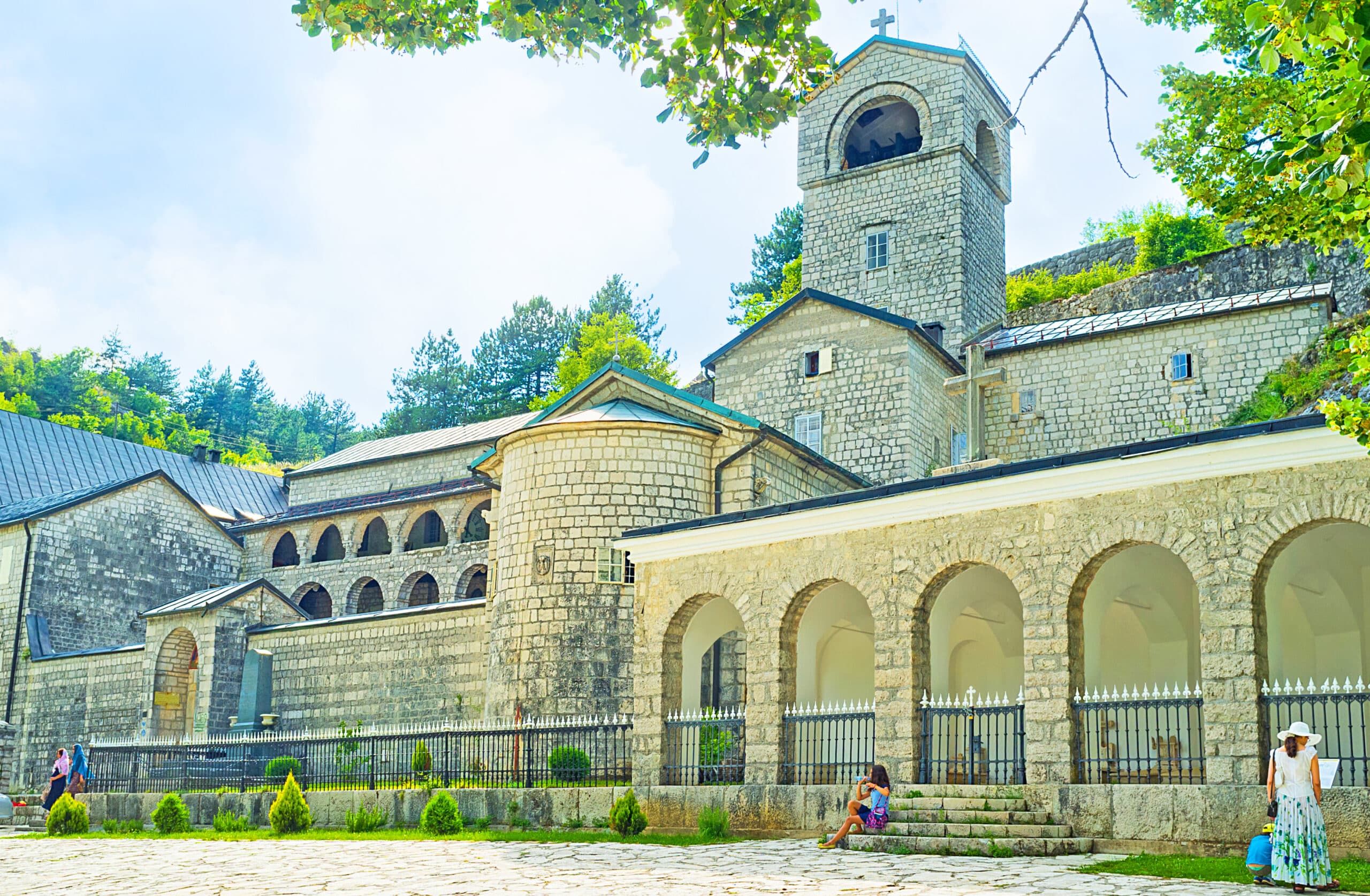
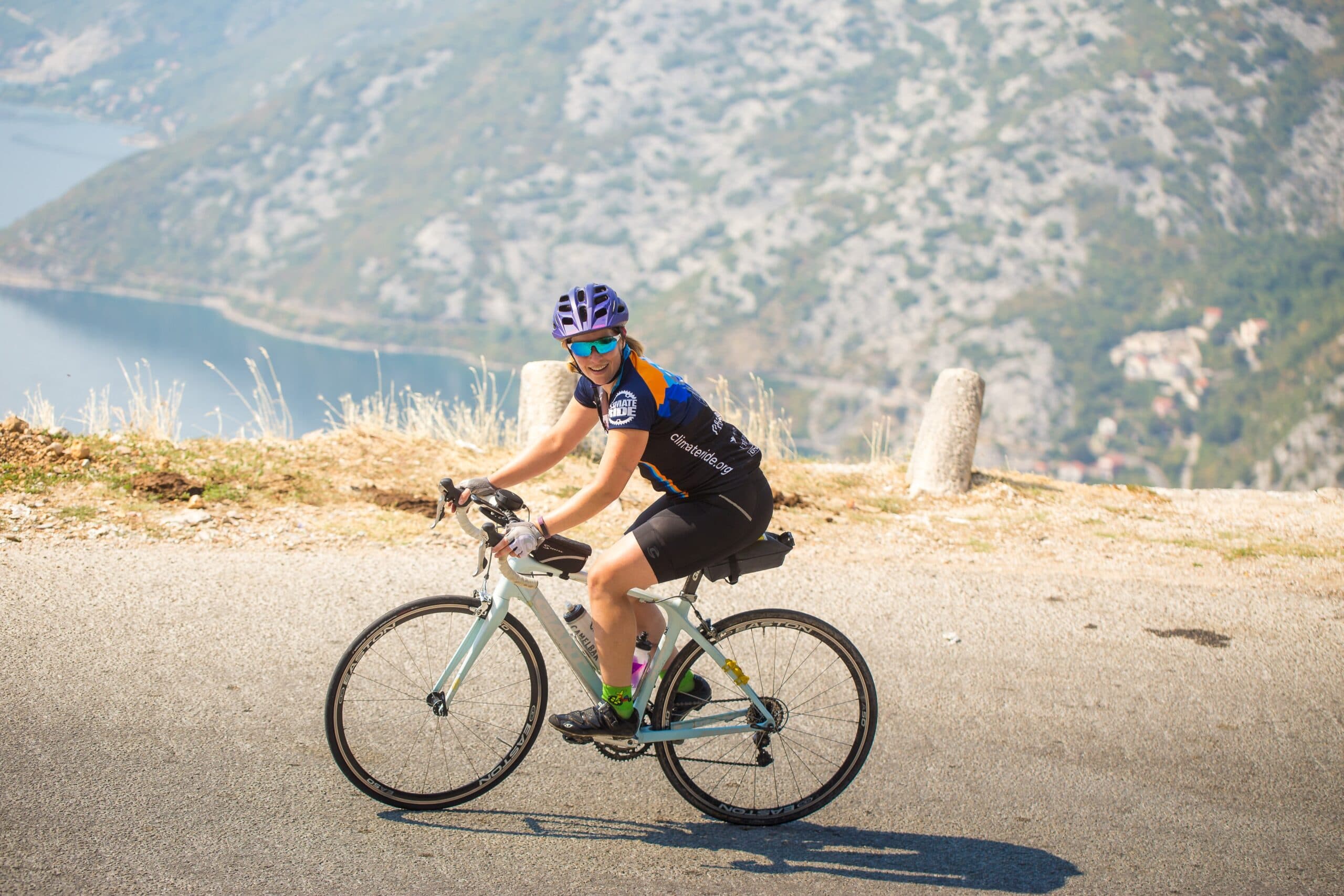
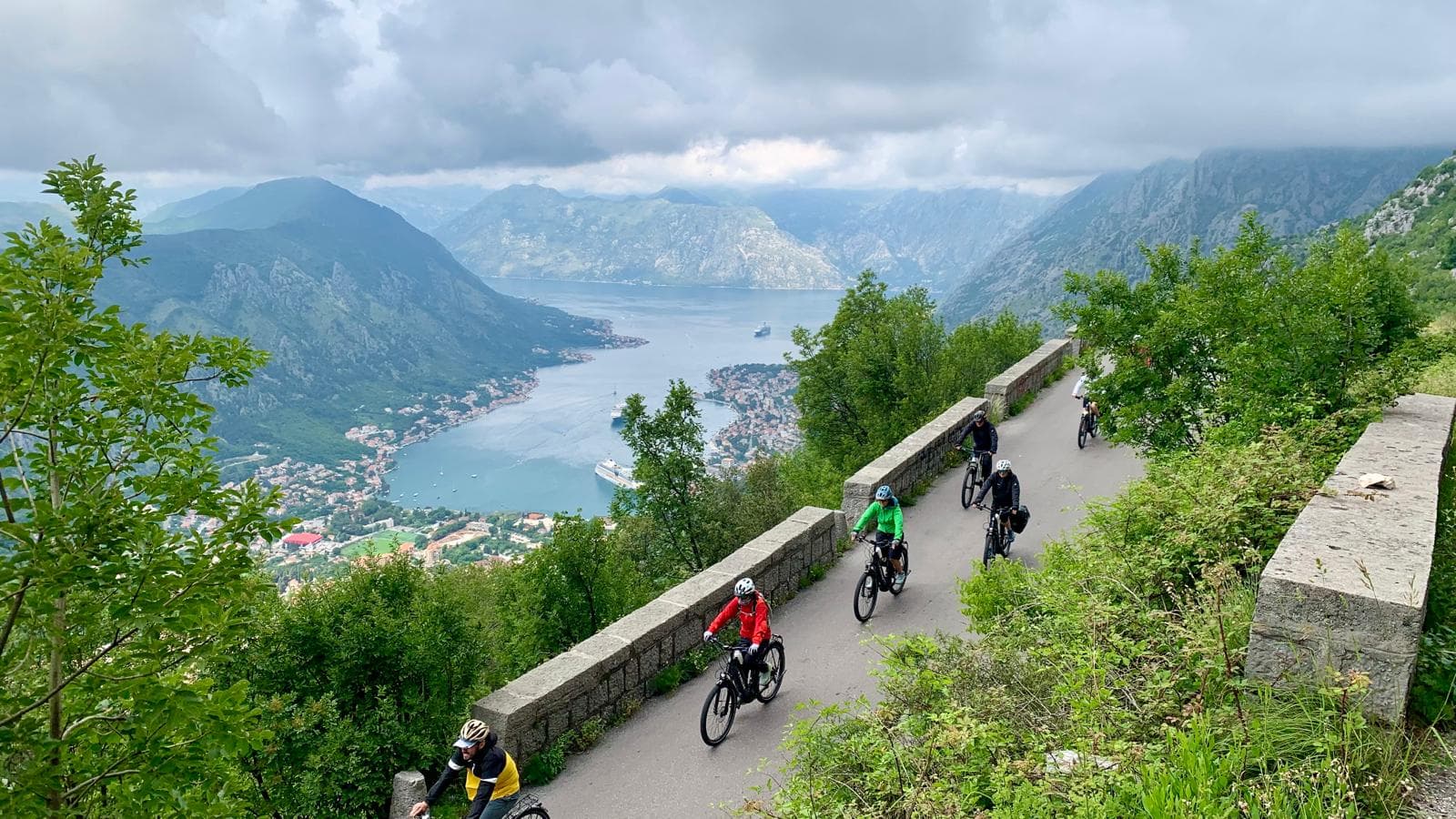
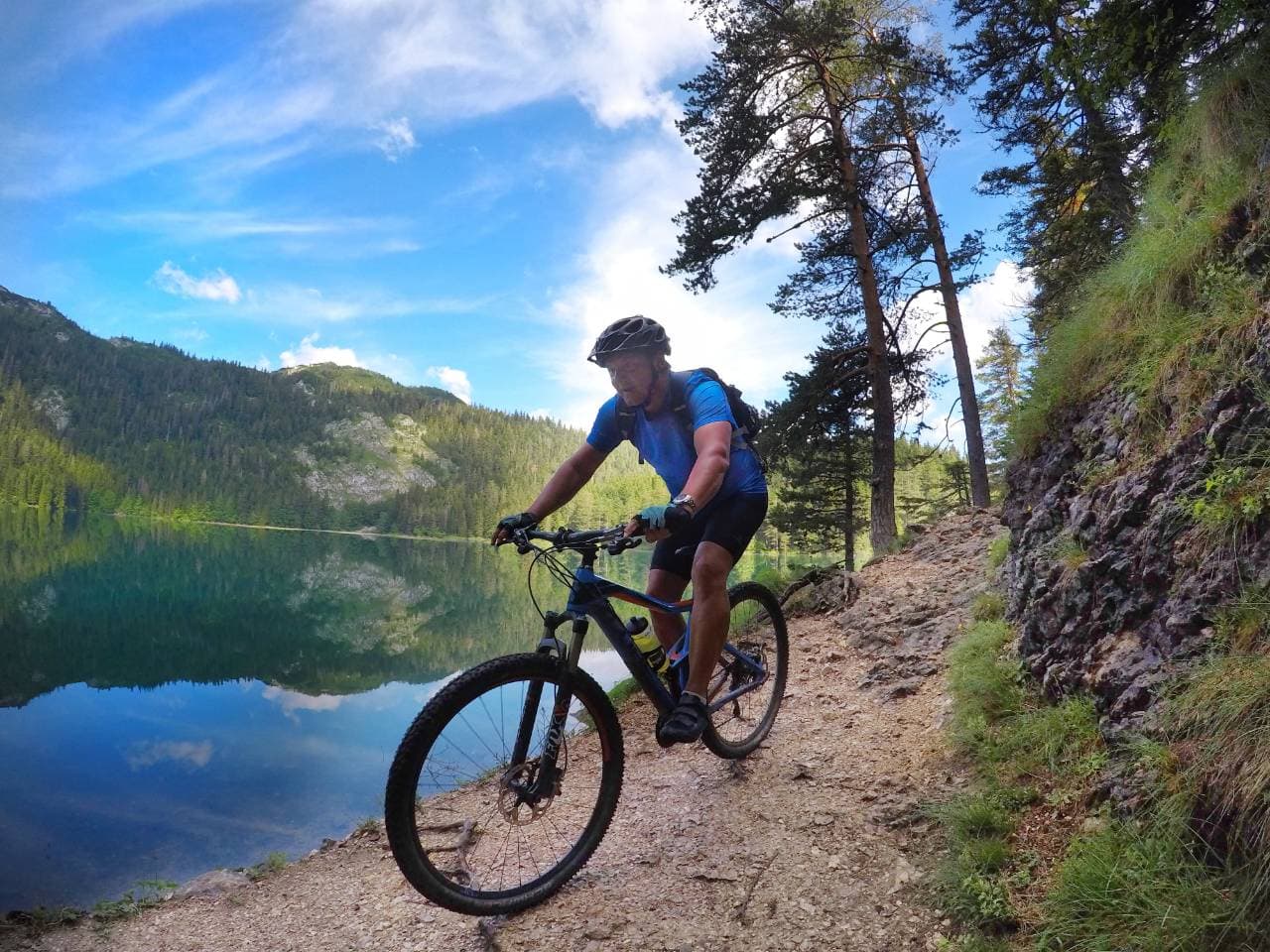
Starting from the old royal capital of Cetinje and Lovćen National Park, this route skips the busy coastal main road and its tunnel between Budva and Kotor entirely. Quieter, and just supremely scenic: our standard programmes include the 24 km descent from Lovćen down the famous serpentines to the walls of Kotor's old town — hairpin after hairpin, with the whole bay unfolding below.
Lake Skadar's village roads
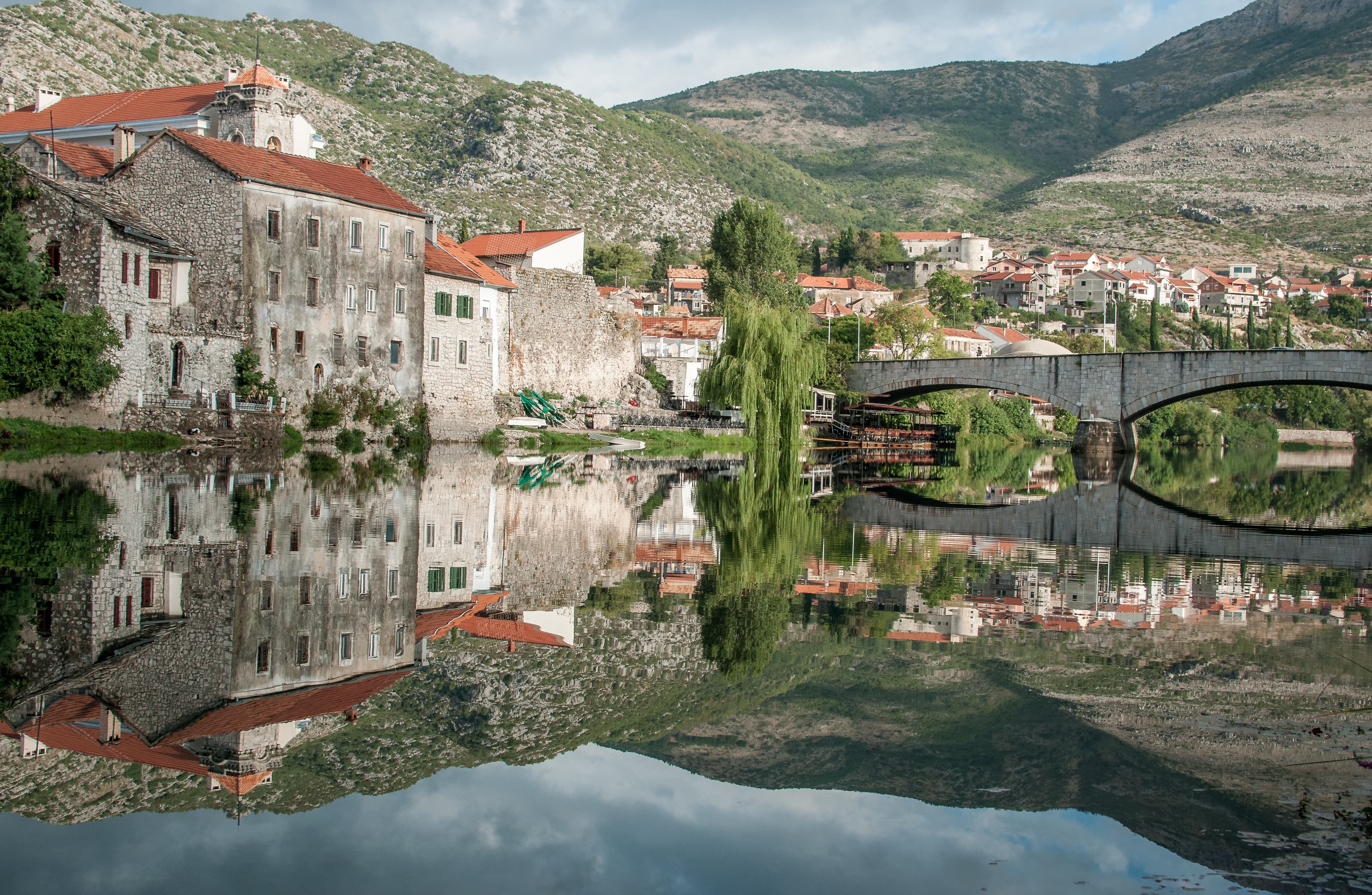
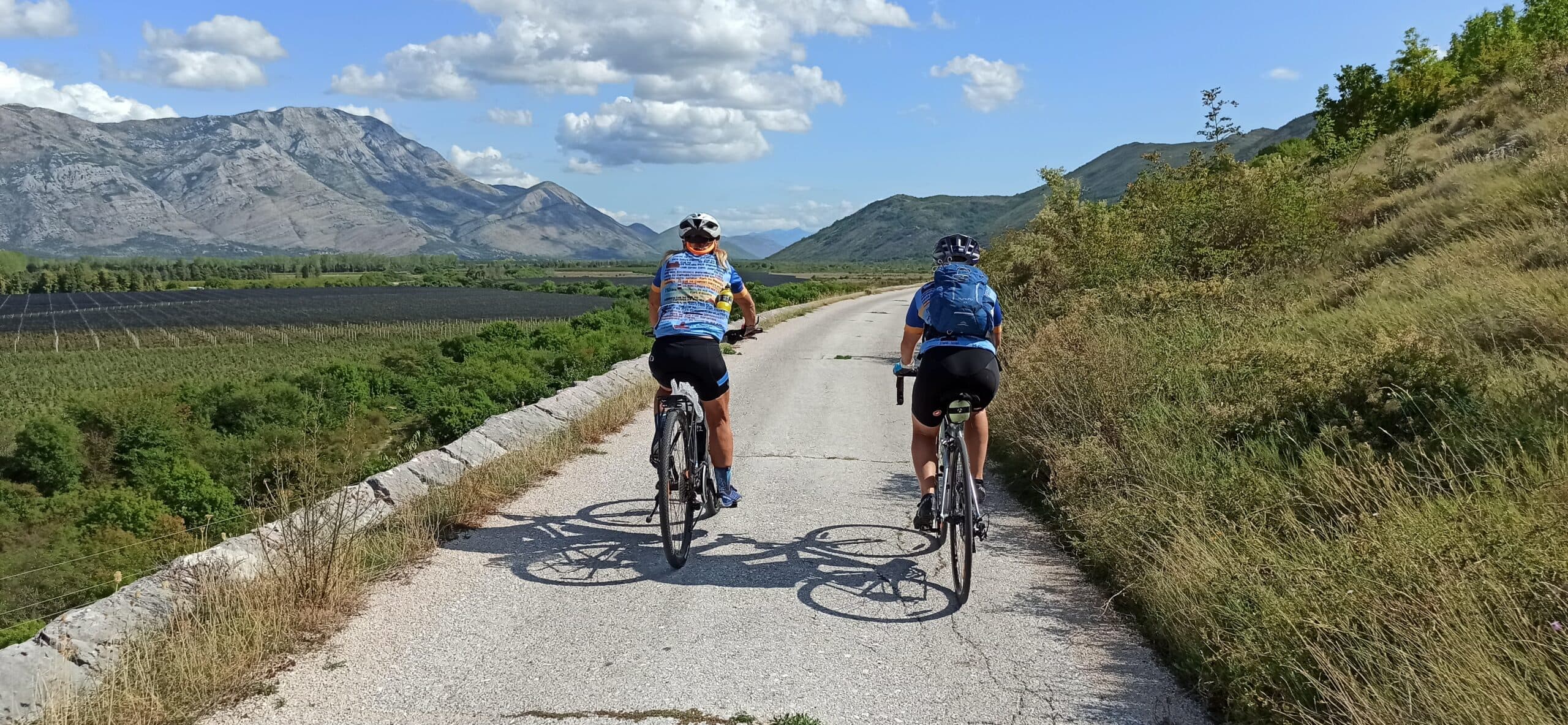
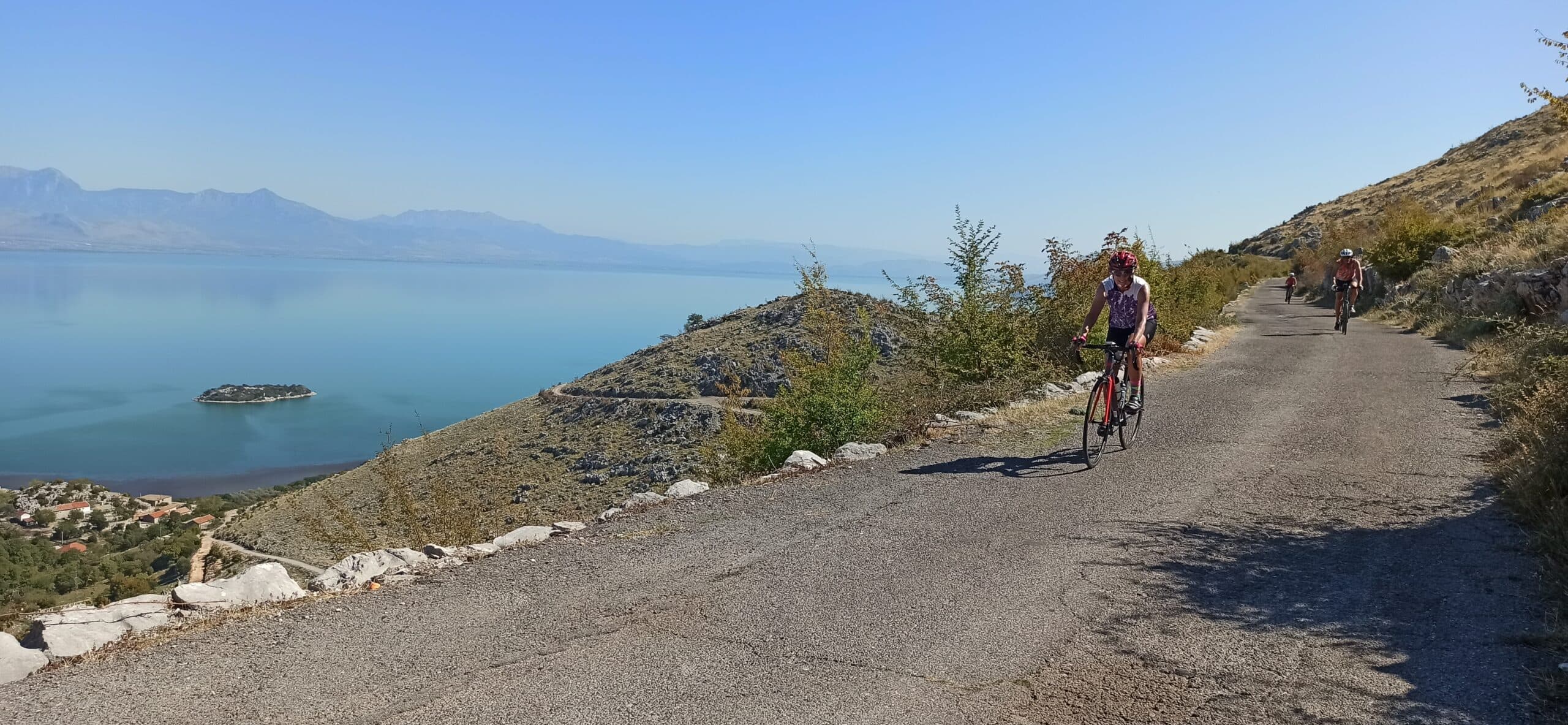
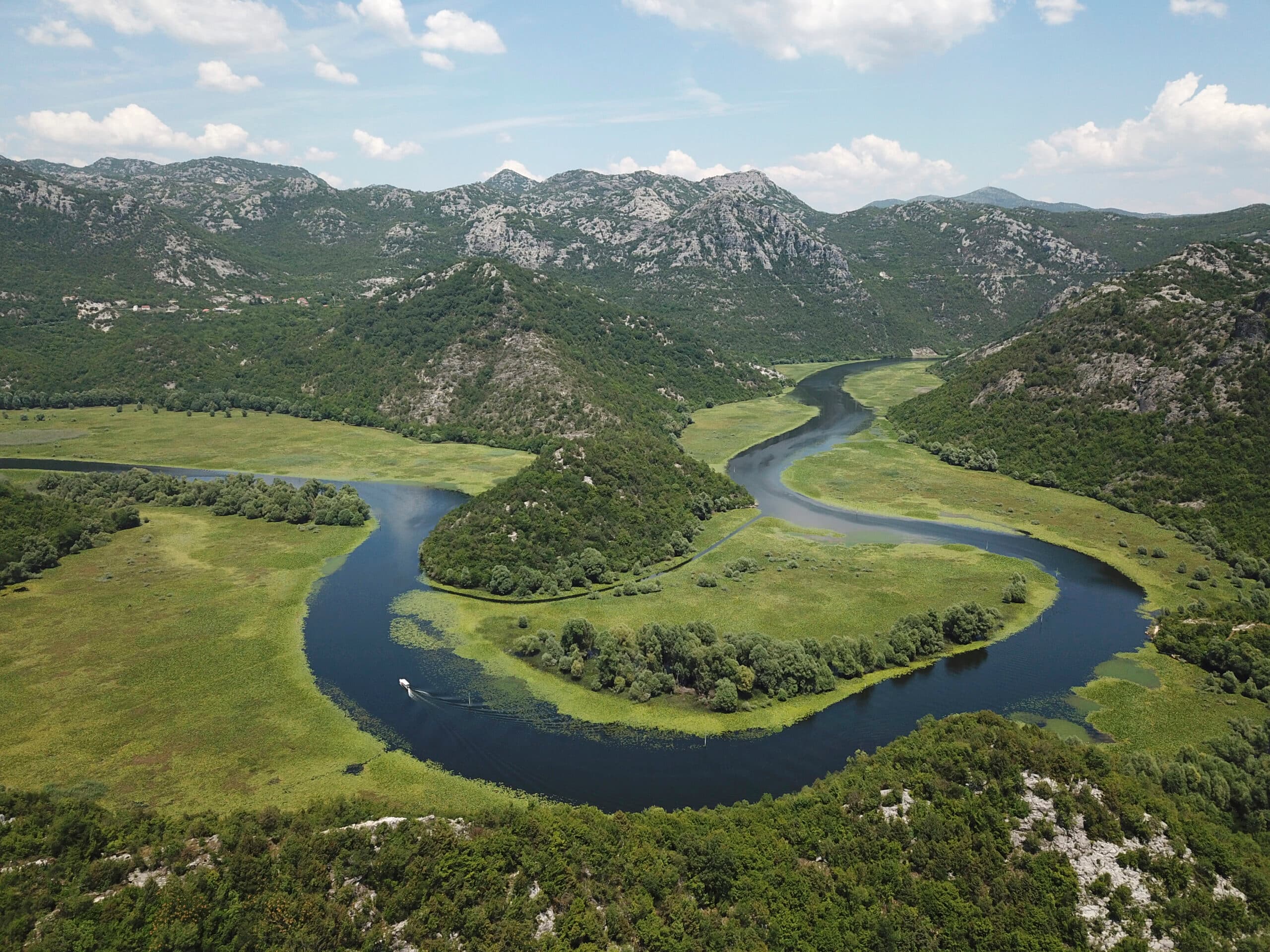
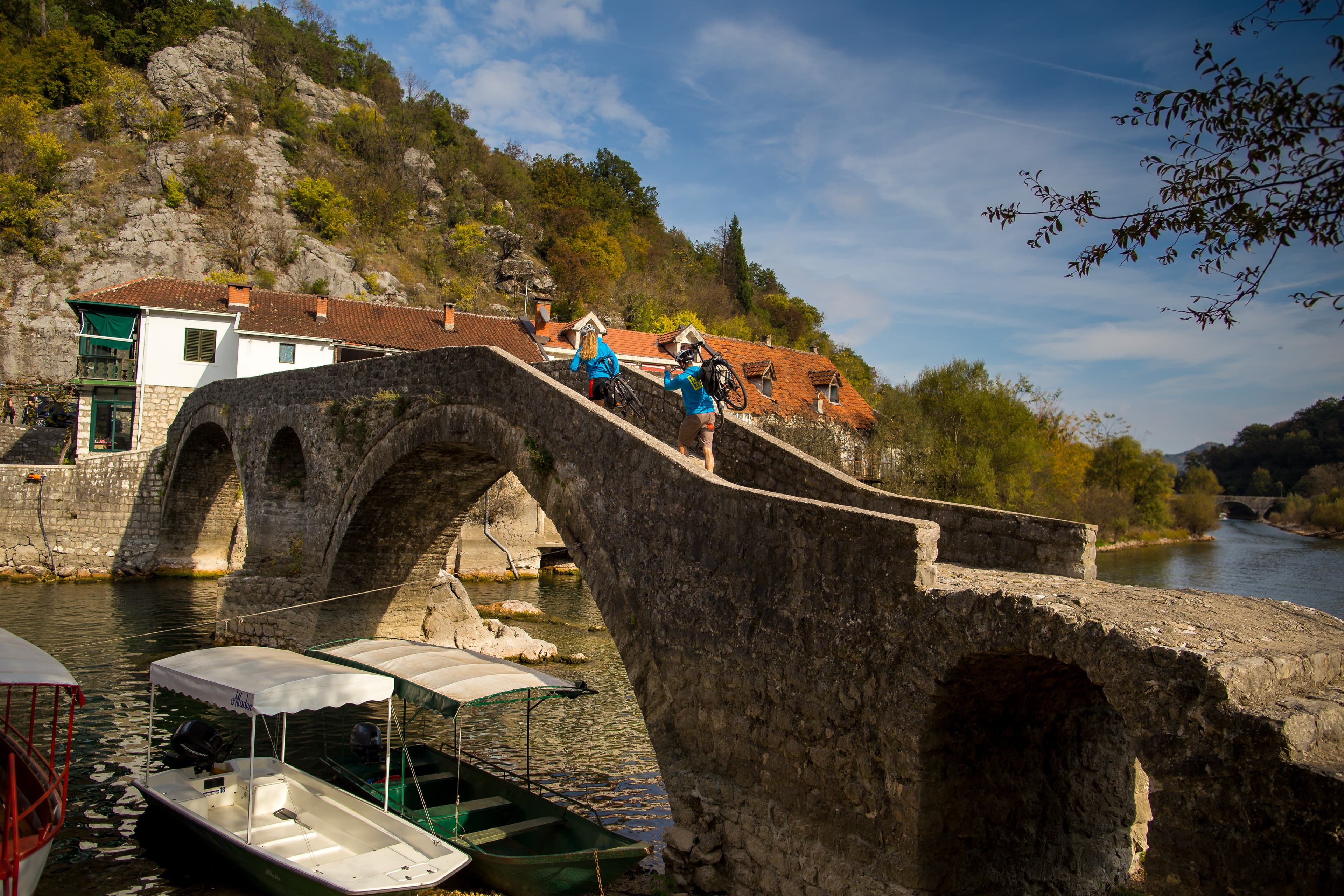
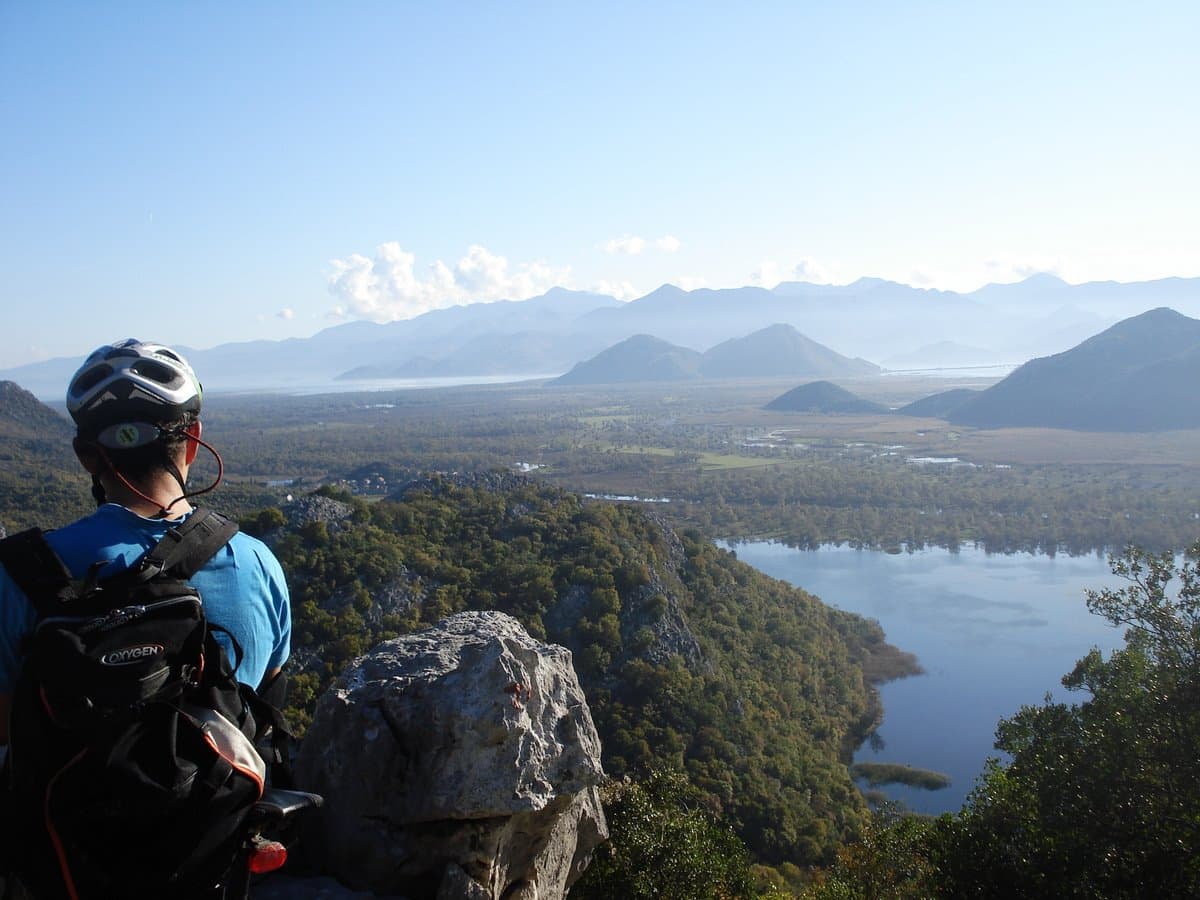
A quiet stretch of single-track road above the shoreline, threading through historic Montenegrin villages — a lovely contrast to the mountain stages, and perfectly combined with the Bay of Kotor in spring or autumn. Lake Skadar is also the heart of Montenegro's winemaking tradition: take your chance and taste a glass of Vranac where it's grown.
Route planning: where local knowledge pays off
Skip car-based GPS apps and use dedicated cycling tools — a route that looks modest on a map can turn into a brutal day in the saddle once Montenegro's switchbacks and long climbs enter the picture. Build in 15–20% buffer time daily for wind and climbing. And this is where local expertise earns its keep: we've ridden Montenegro's roads ourselves — which climbs are worth the effort, which tunnels need a serious light, and which paper 'shortcuts' turn into unrideable gravel or a toll tunnel that won't let you through. If you'd rather not reverse-engineer all of that from GPX files and forum posts, here's what our supported self-guided setup takes care of:
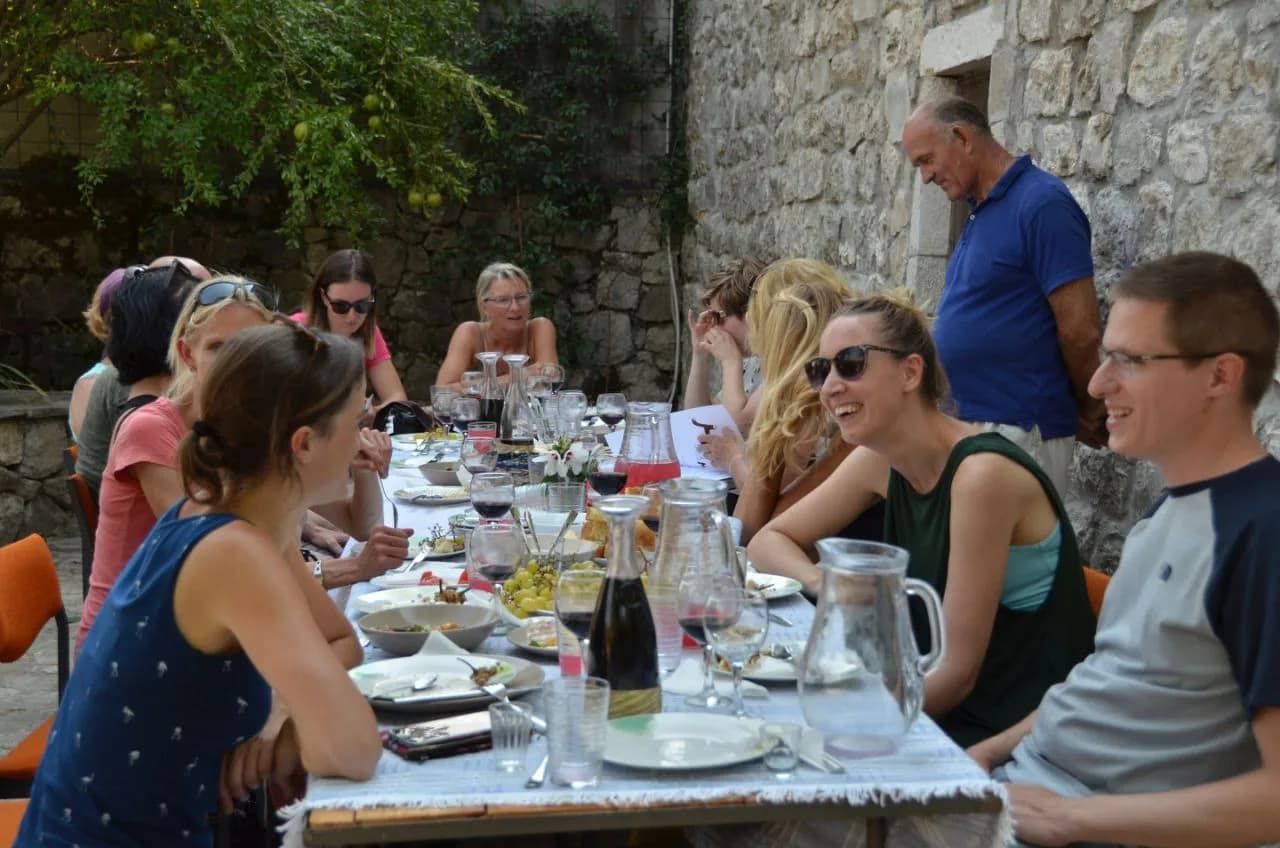
Tailored route planning, not generic itineraries. Your daily stages are built around your actual fitness, pace and interests, with break stops designed in — a shepherd's hut off the road, a small konoba worth the detour, a wine or craft stop if that's your thing. The ride is as much about the stops as the distance, and it all ends at a hand-picked boutique guesthouse. Everything is packed into a personalised navigation app.
The right bike for the terrain. Our rental fleet covers mountain bikes, e-mountain bikes, gravel, road, touring and e-touring bikes — whichever suits your route and ability, fitted to your size, with puncture-resistant tires (rough gravel and thorny verges are real here).
You're never alone. A 24/7 advice and service line backs you up in real time — not just during office hours — and our road-assistance network can reach you even in remote areas if something bigger than a flat goes wrong. For truly remote mountain sections, we can arrange a support vehicle to follow you.
The logistics disappear. Luggage transfers mean you ride unloaded and find your bags at each stop (prefer to carry? We offer luggage storage and pannier rental instead). Busy or unsafe road sections get bridged by vehicle. And there's no rushing to meeting points — this is self-guided touring, not a group ride with a schedule. At the end of the day, you're on holiday.
What to pack
Between coastal heat, mountain descents and cool evenings, Montenegro can throw a lot of weather at you in a single day — layering is the name of the game. On the bike: padded shorts, jersey, gloves and helmet, plus arm and leg warmers, a lightweight jacket and a proper wind/rain shell for the mountains. Sunglasses and a light headband round out the kit. Riding a road, touring or mountain bike? Add that tunnel-rated front light. A phone mount for the handlebar is worth its weight.
Off the bike: comfortable walking shoes, swimwear (the coast and the lake are worth it), a sun hat, a warmer layer for evenings, and something decent for a casual dinner out. Keep luggage simple — one soft bag or suitcase for the trip and a small daypack that fits in your pannier. Travel essentials: passport plus a photocopy, cards and some cash, insurance confirmation, medications, phone and charger, and a power adapter if you're coming from outside Europe.
Logistics on the ground
Montenegro uses the euro — no exchange needed, though cash is still king outside hotels. Bikes are welcome on most trains for about €4 per ticket, bought in person at the station (no online booking). And a word on traffic culture: cycling is less established here than in Italy or Spain, and drivers can be temperamental — stay alert on busier roads, follow the rules, and note the 0.5‰ alcohol limit applies to cyclists too.
Self-guided cycling in Montenegro: quick answers
How fit do I need to be for self-guided cycling in Montenegro?
Plan on 500–600 m of climbing on a normal day and up to 1,300 m on big stages. A rider of average fitness manages comfortably on an e-bike; on a regular bike you'll want genuine hill-riding form. We match daily stages to your actual fitness, not a template.
Can you cycle through Montenegro's road tunnels?
Many, yes — but a large number are completely unlit, especially on the P17 through the Durmitor and Piva region, and the 4.1 km Sozina toll tunnel near Lake Skadar is closed to bikes. Carry a powerful front light and plan tunnel detours in advance; our routes do this for you.
When is the best time for a cycling holiday in Montenegro?
April–October overall. Spring is best on the coast and around Lake Skadar; the high Durmitor stages open from mid-May once the passes clear; September and October combine warm sea, quiet roads and the best light.
What support do I get on a supported self-guided tour?
Tailored daily routes in a navigation app, the right rental bike with full kit, luggage transfers, transfers across busy road sections, a 24/7 service line and road assistance through our partner network — with a support vehicle available for remote stages. You ride at your own pace; we handle the rest. Tell us your dates.
Can I take my bike on trains in Montenegro?
Yes — most trains carry bikes for about €4 per ticket. Buy the ticket in person at the station; there's no online booking for bike spaces.
Montenegro rewards cyclists who show up prepared: honest fitness expectations for the climbs, and enough flexibility to let the day surprise you — that's when the real experiences happen. Get those right and you'll have one of the most varied, dramatic cycling trips available in Europe: coastline, canyons, high passes and tranquil lakeshores, in a country you can cross in eight days. Ready to plan your route? Get in touch for a tailored self-guided itinerary across Montenegro and the Balkans.
See every route we ride on our Montenegro cycling tours page.
Written by
Angelika Temper-Jablan
Product development, 3E Travel
Angelika looks after product development and sustainability at 3E Travel, a small team based in Podgorica that designs and guides walking, hiking and cycling journeys across Montenegro and the Western Balkans. The team walks or rides every route before recommending it — usually in more than one season.
