


Montenegro
8 days · Hiking
From the Bay of Kotor to Lake Skadar – Historical trade and military trails
▲▲▲▲▲Moderate
Walking · Hiking · Cycling · Montenegro
Walking, hiking and cycling holidays in Cetinje, self-guided or with a local guide. Cetinje was the capital of independent Montenegro from 1878 to 1918, founded by Ivan Crnojević in 1482 and set in a karst field at 671 metres, 12 km from the Adriatic. The town holds the country's principal monastery, royal museums and a relief map of Montenegro. Most day trips pair it with Lovćen National Park and Lipa Cave, both within 10 to 20 minutes by car. It rewards a slow half-day rather than a photo stop.
Why Cetinje
We've spent years walking, hiking and cycling across Cetinje in every season. The trips below are built around the routes that work — the quiet ones, the beautiful ones, the ones with great food at the end of the day.
If none of them quite fit, get in touch. We'll happily build you a private version, shaped around your interests, fitness and pace.
How we travel here
Walking
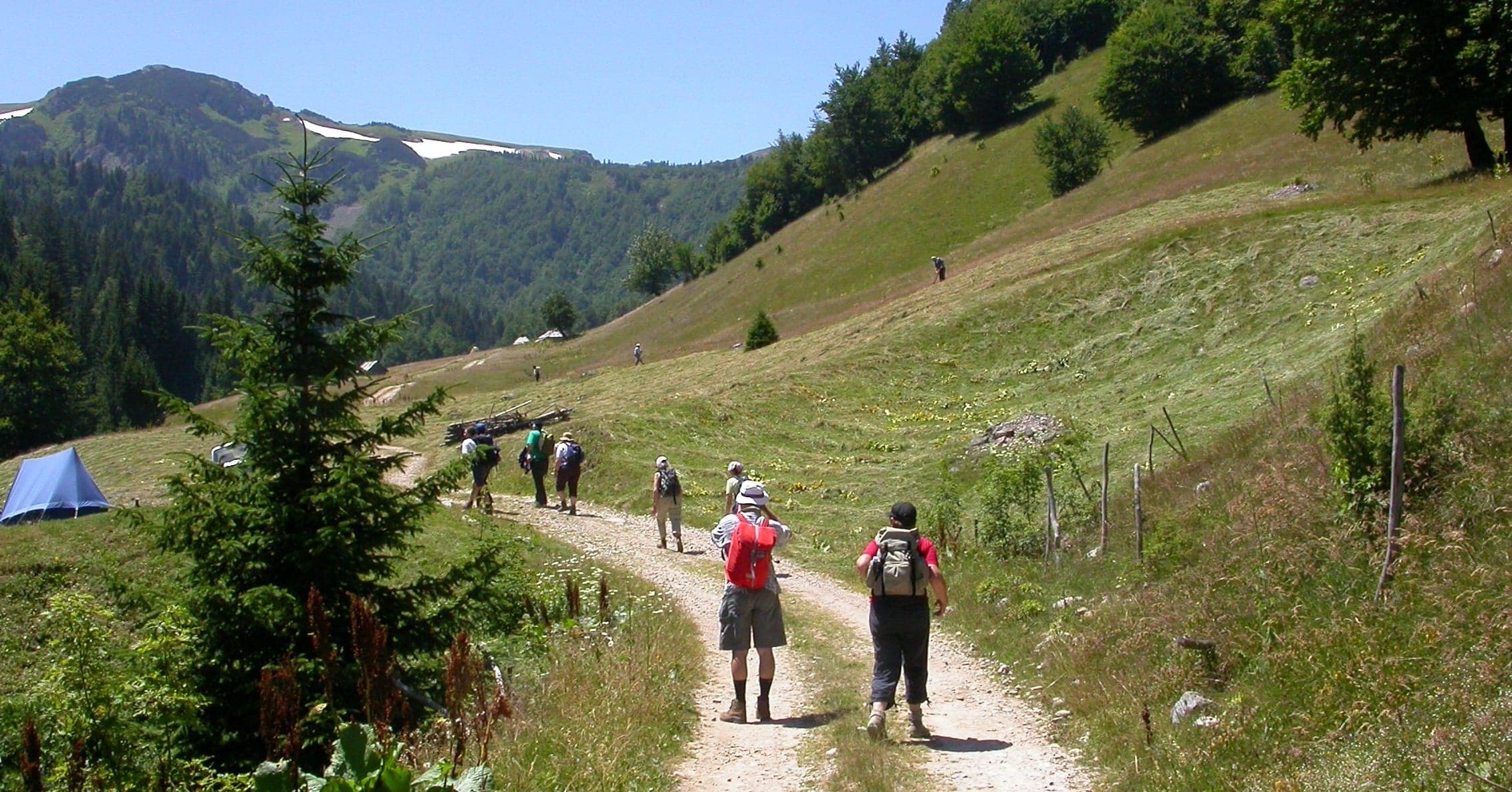
Coastal trails, village paths and slow days on foot, with time to stop.
Hiking
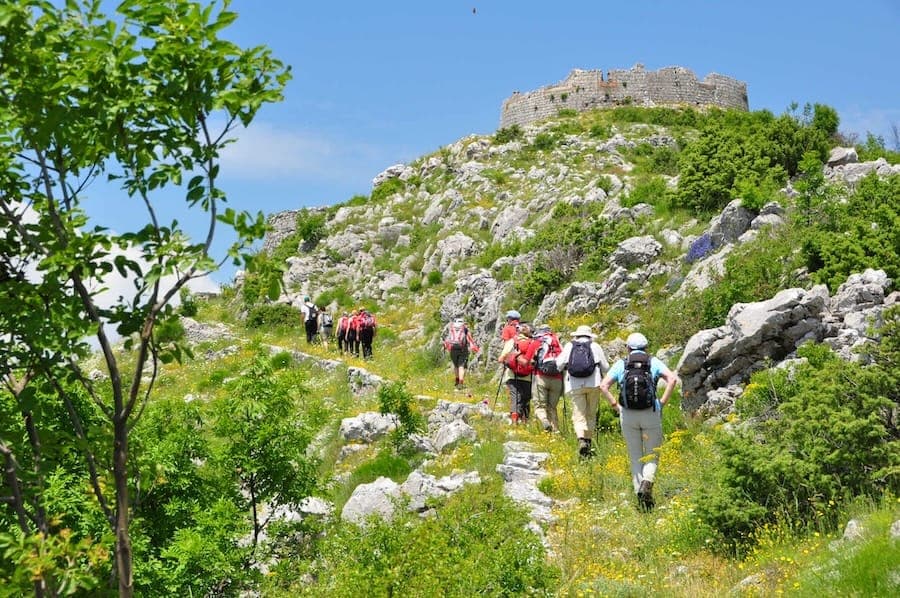
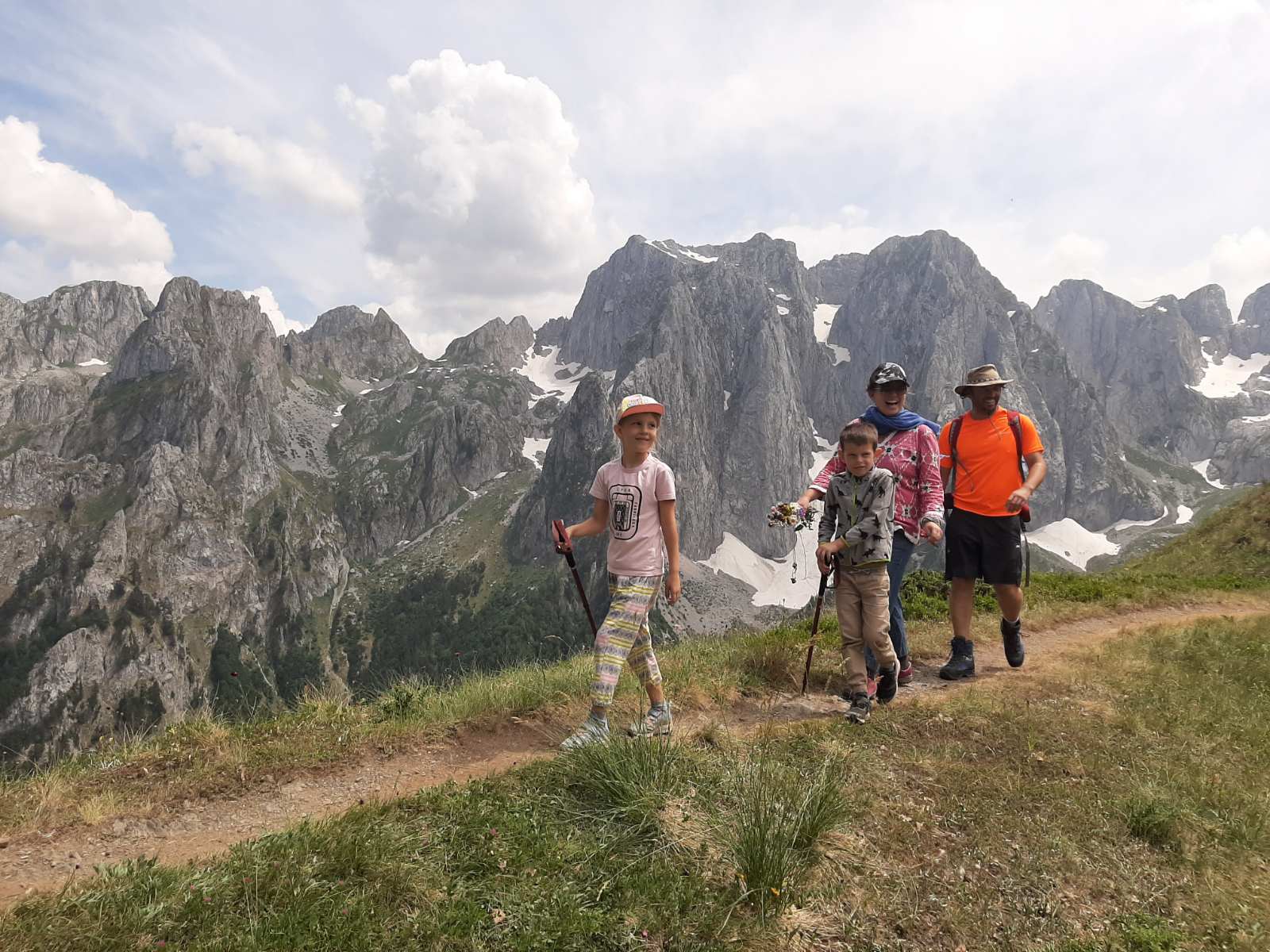
Mountain trails, hut-to-hut days and summit walks, graded honestly.
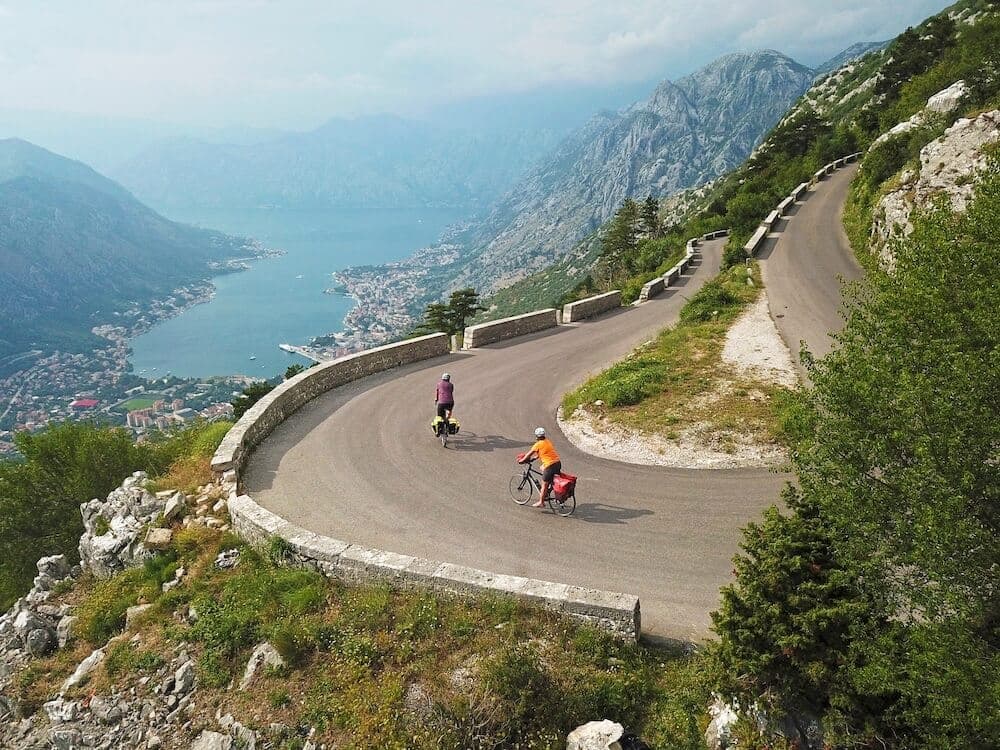
Cycling
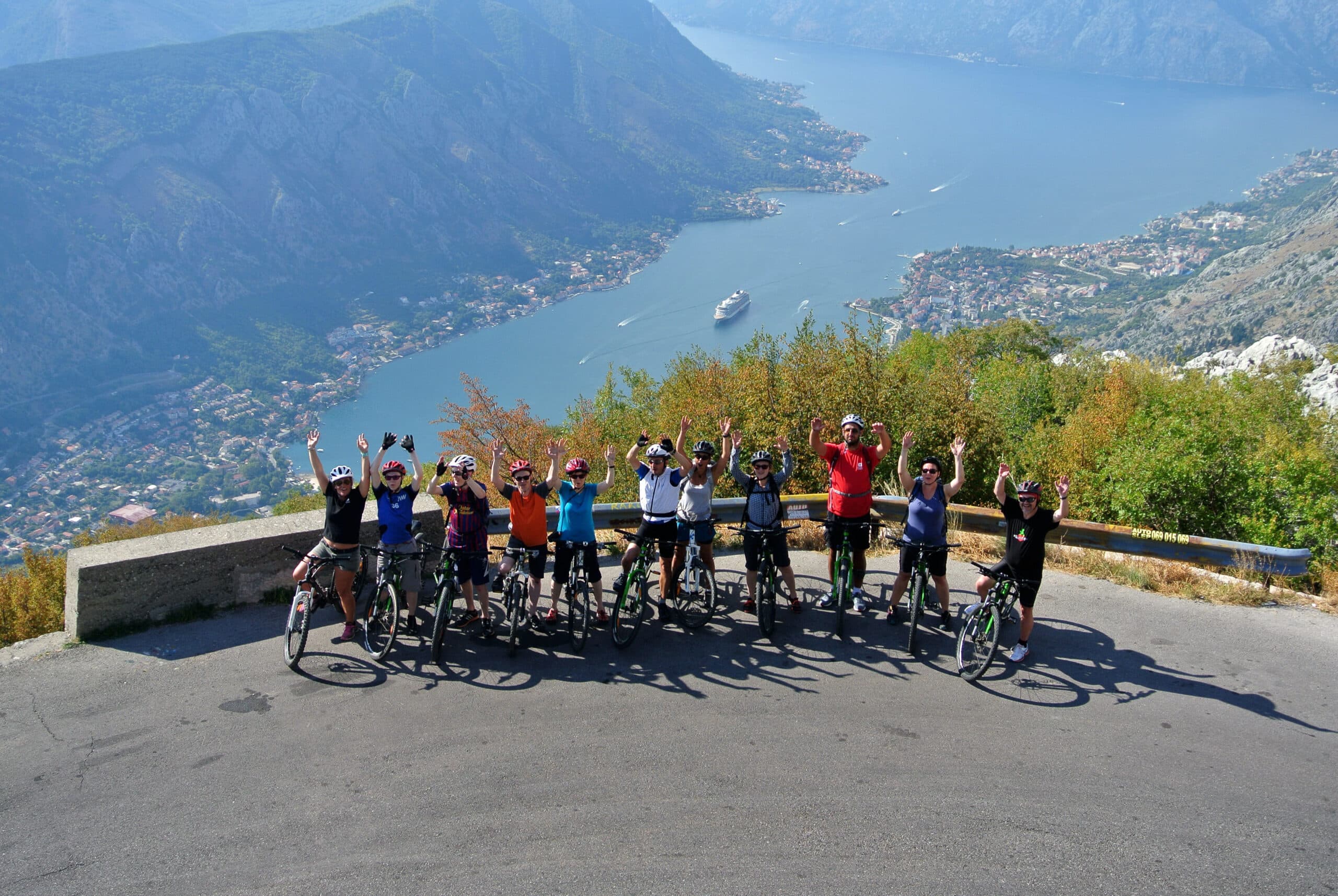
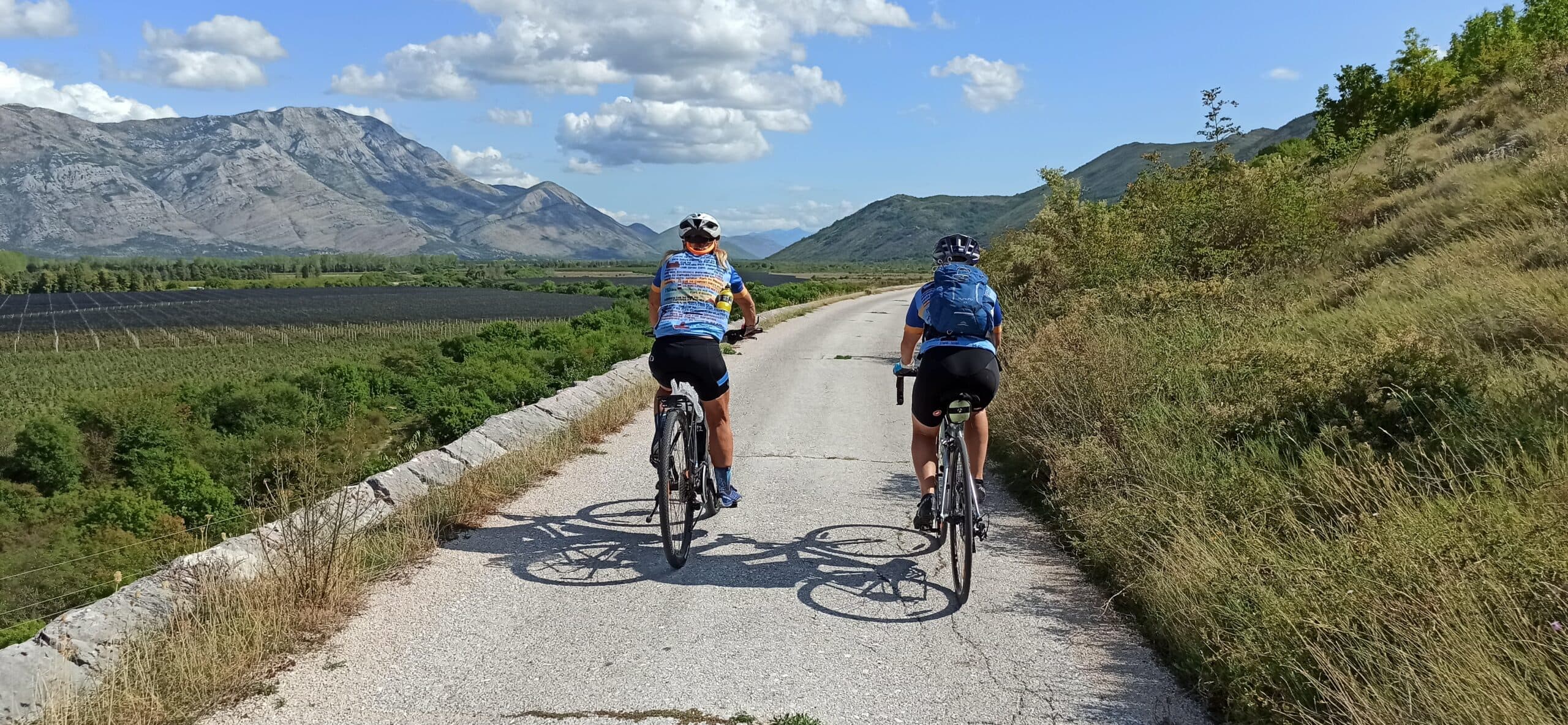
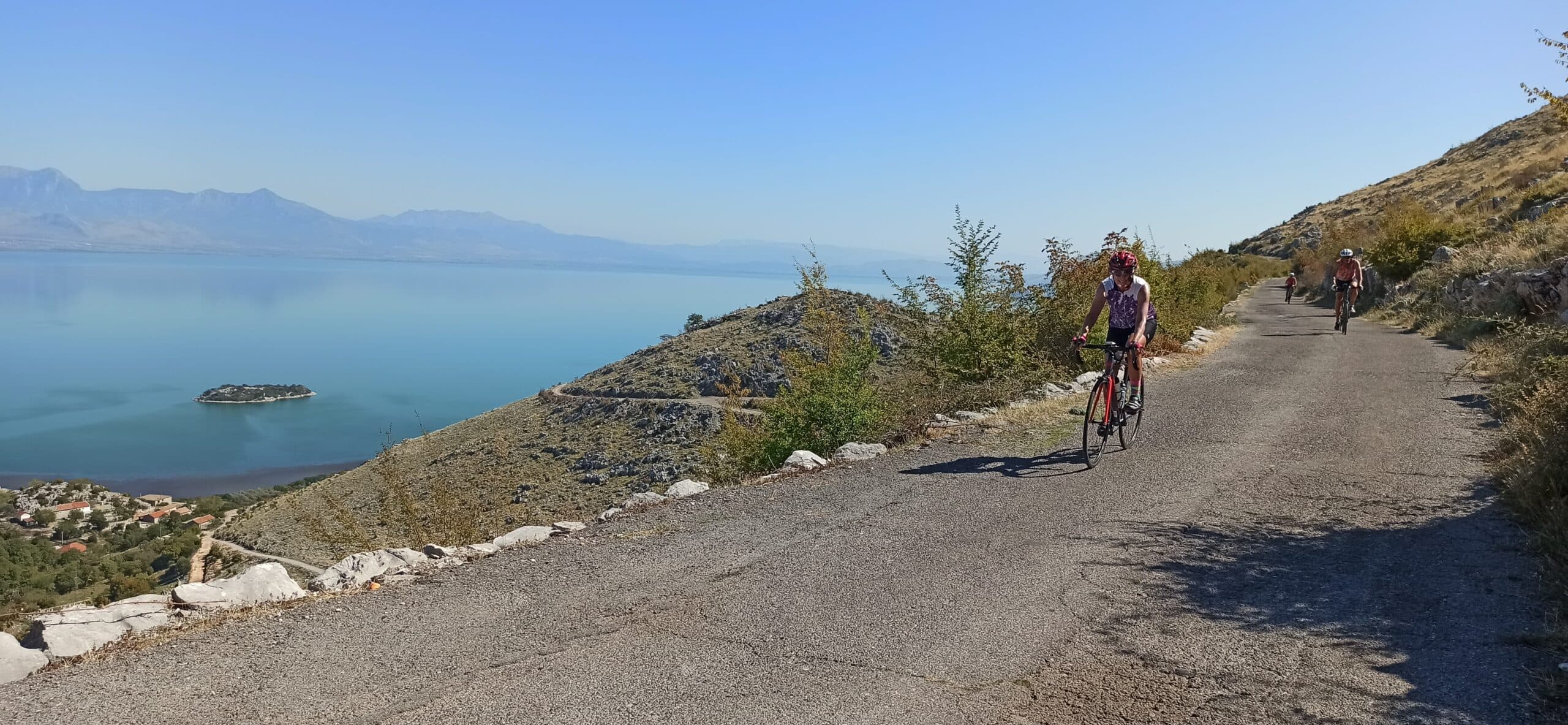
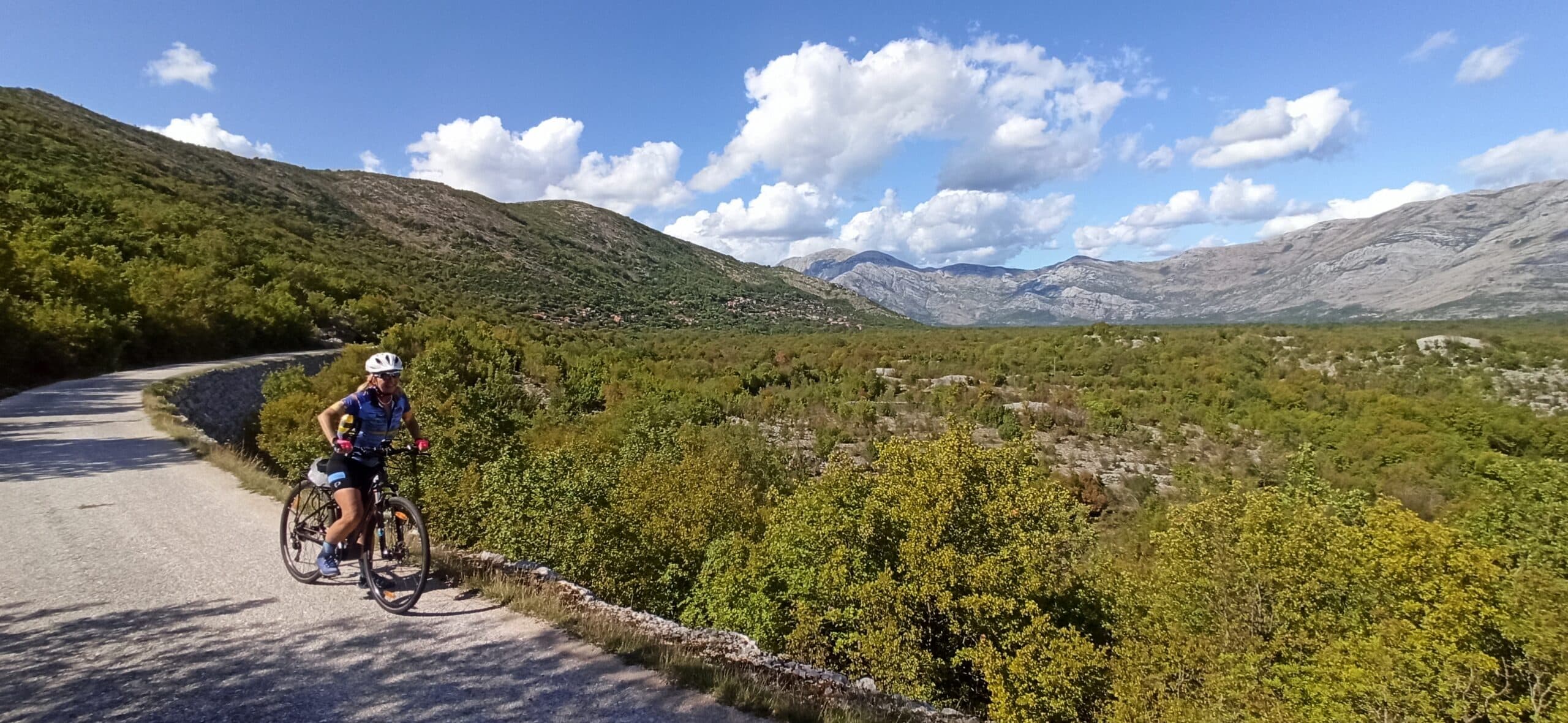
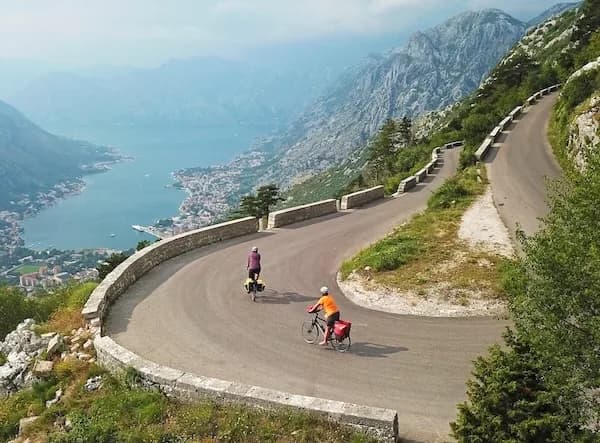
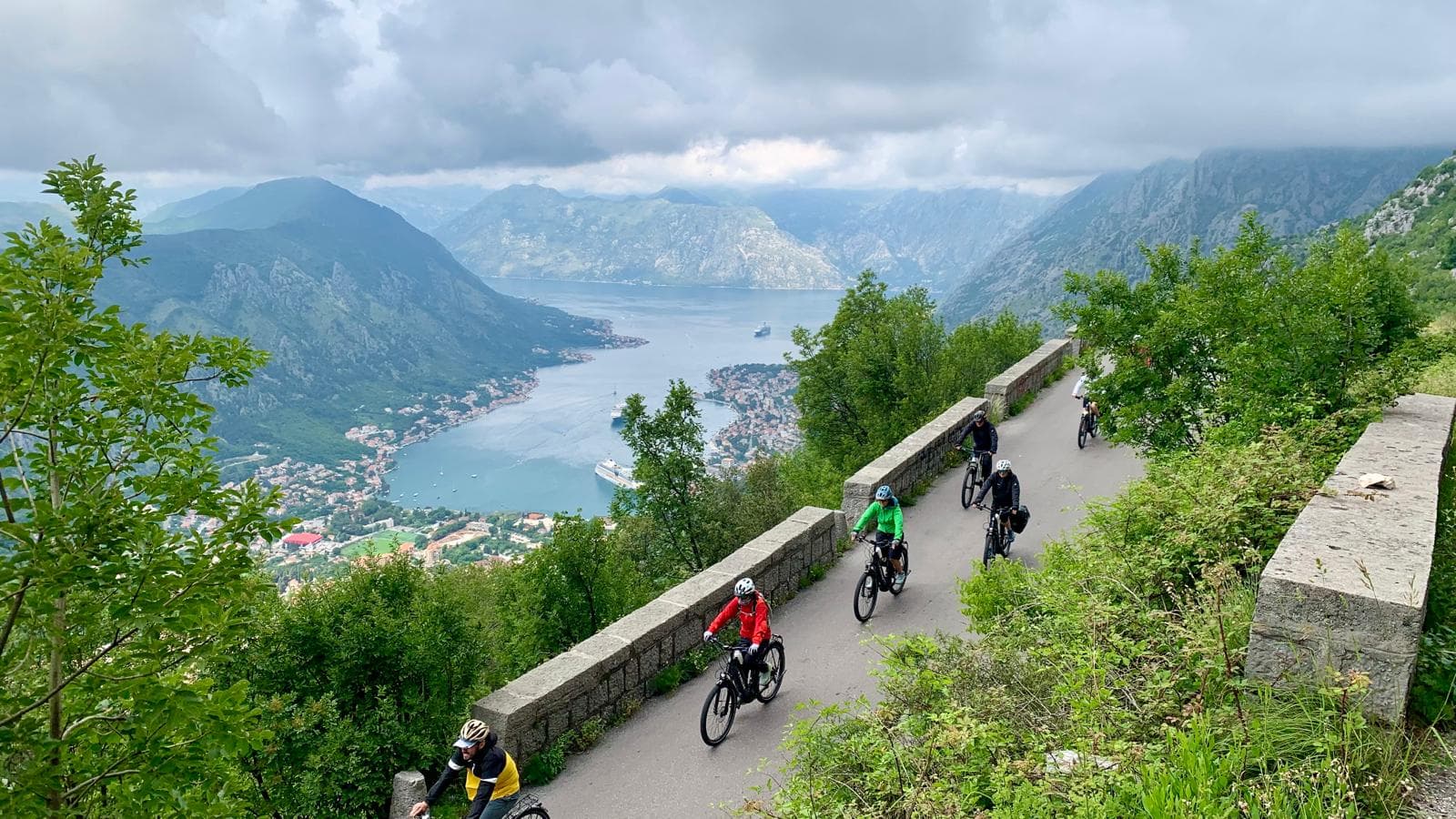
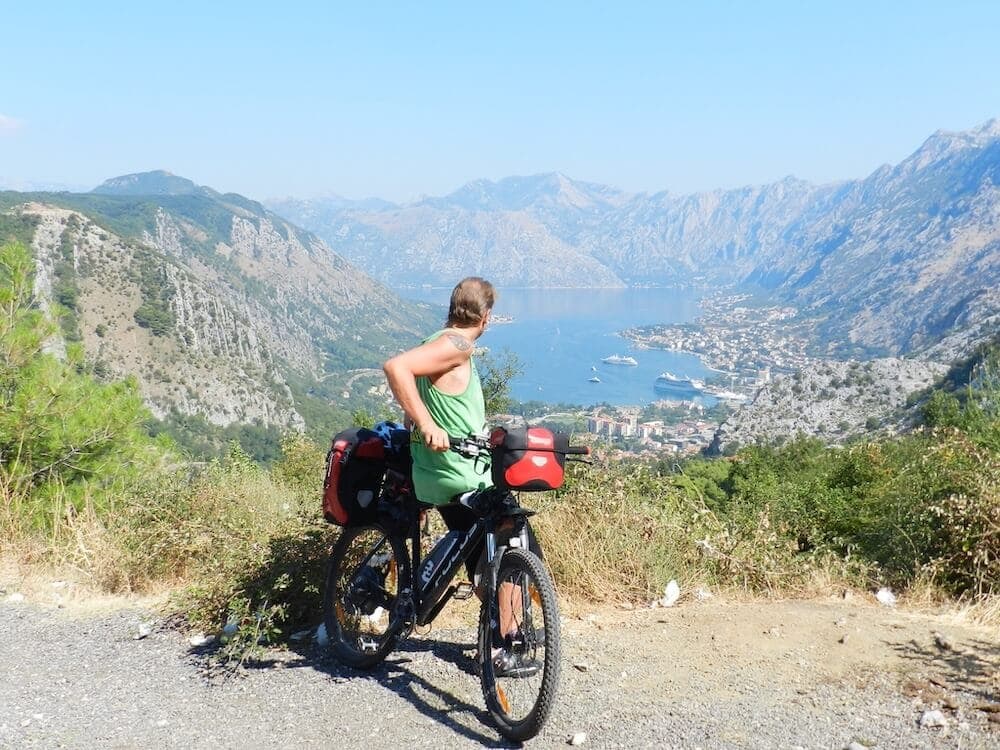
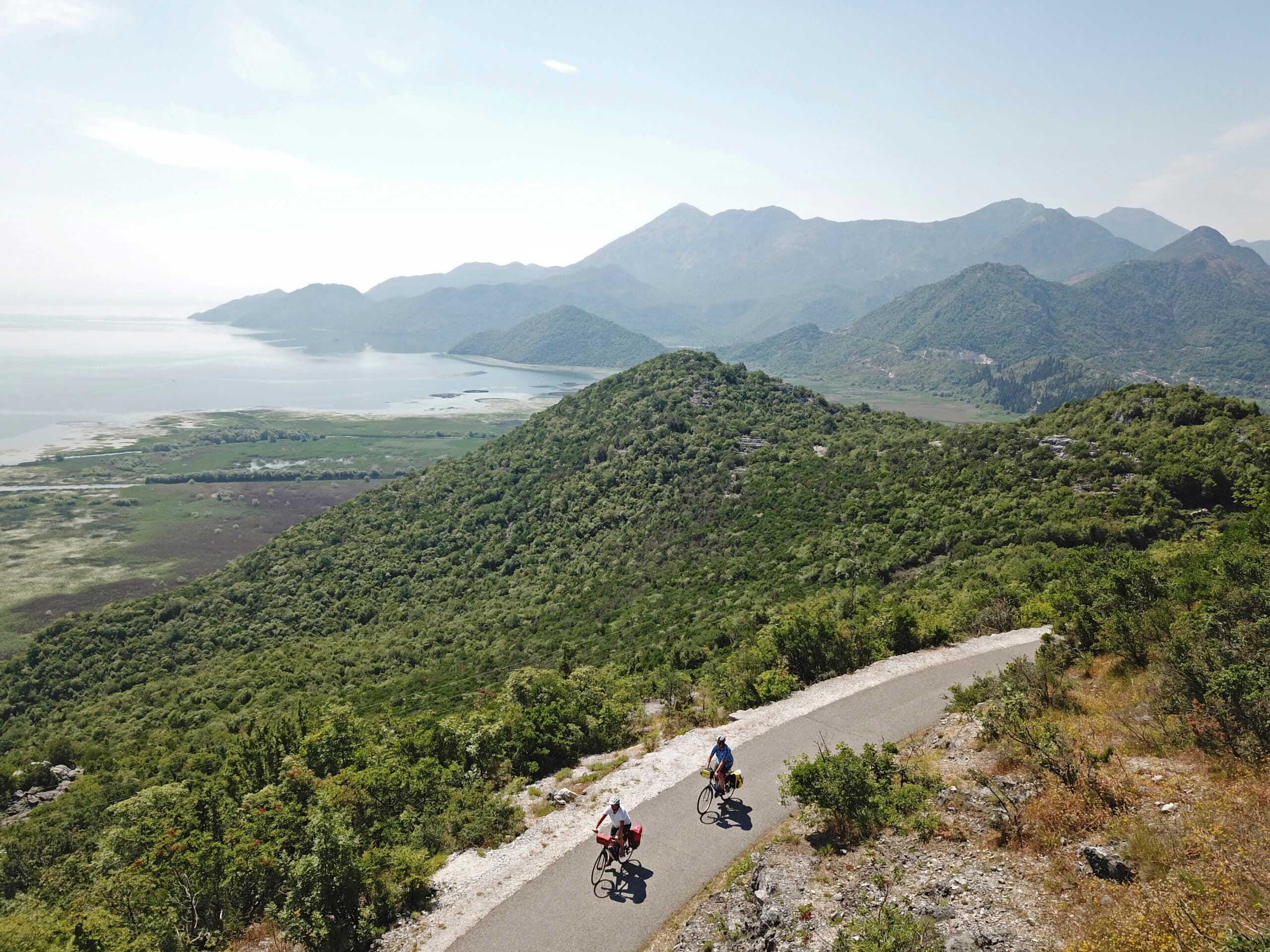
Quiet back roads and gravel routes — road, gravel and e-bike, with luggage moved between stays.
Travel guide
The Old Royal Capital Cetinje (Prijestonica Cetinje) is one of Montenegro's municipalities, covering 910 km² across 94 settlements, with a 2023 municipal population of 14,494 and a density of 16 people per km². The town sits in the Cetinje karst field at an average altitude of 671 metres, 12 km in a straight line from the Adriatic (about 20 minutes by car) and 15 km from Skadar Lake. Ivan Crnojević founded the town in 1482 and its monastery around 1484. From 1878 to 1918 Cetinje was the capital of independent Montenegro; it passed to Yugoslavia in 1918 and was succeeded as capital by Titograd (now Podgorica) in 1946. That century as a diplomatic and royal centre left the compact core dense with former legations, the royal palace and museums. Neighbouring Lovćen National Park, proclaimed in 1952 and covering 6,220 hectares, and the 2,650-metre Lipa (Cetinje) Cave complete the standard circuit.
Voice of America · Public domain · Wikimedia Commons
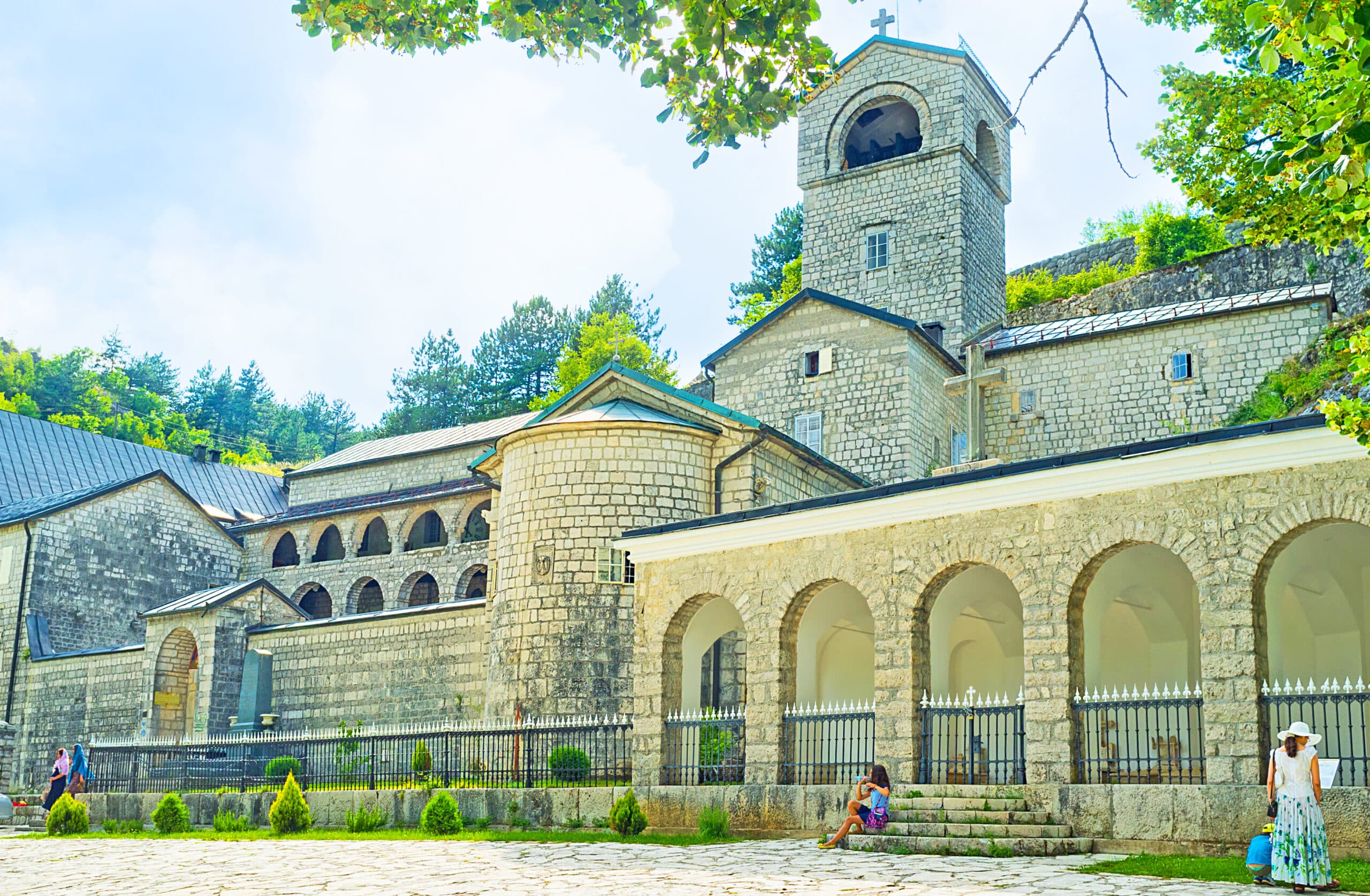
The Cetinje Monastery, founded around 1484 by Ivan Crnojević and rebuilt between 1701 and 1704, is the principal monument and sits at the head of the old town. Close by are the National Museum of Montenegro sites. The Museum of King Nikola charges €8 for adults and €4 for pupils and students, with free entry for children up to 12, Cetinje citizens and ICOM members. The Biljarda, the former residence of Petar II Petrović-Njegoš, holds a large relief map of Montenegro; entry to see it is €5. Njegoš's birth house opens seasonally with a €2 fee and a free English brochure. The former foreign legations from the town's capital years (1878–1918) line the streets on foot. Directly behind the monastery lies the Cetinje (Lipa) Cave, a karst cave 2,650 m long with two entrances, giving a compact concentration of religious, royal and natural sites within one small centre.
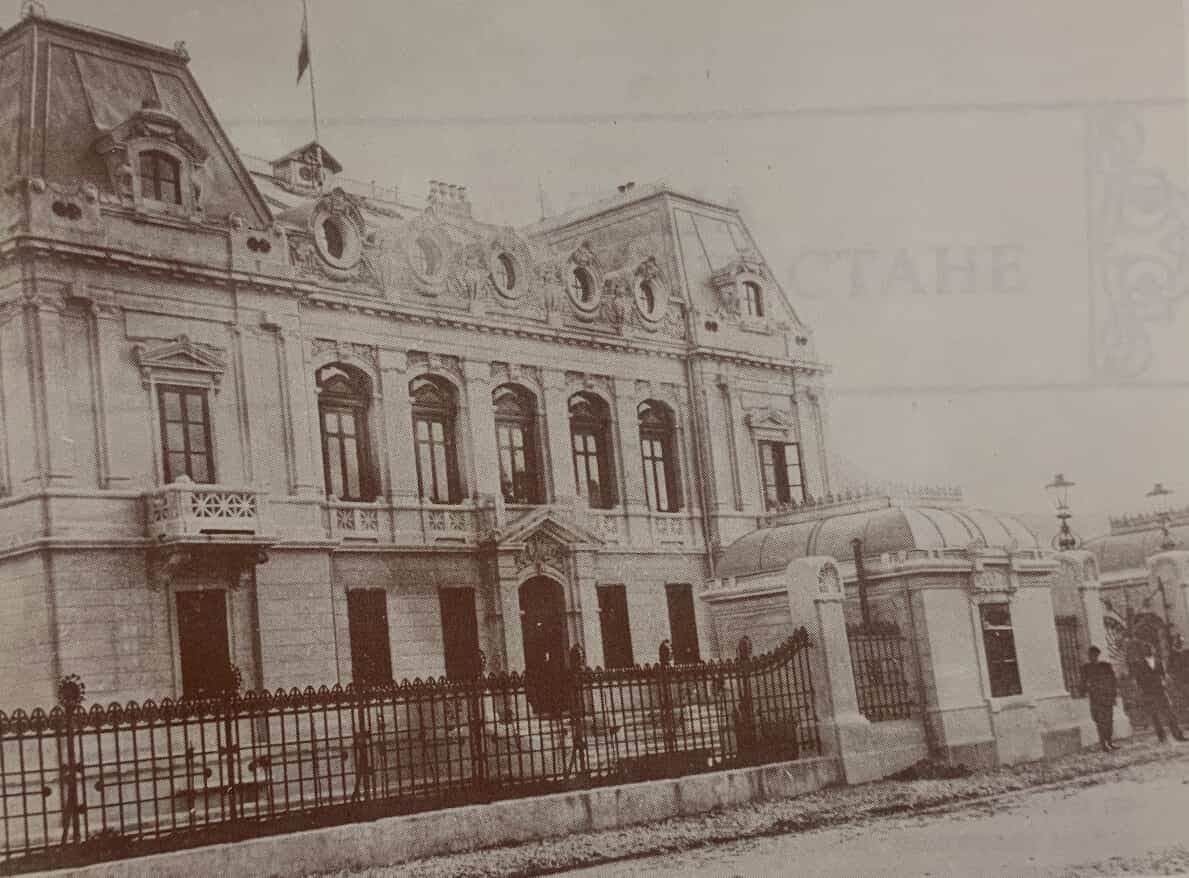
Unknown author · Public domain · Wikimedia Commons
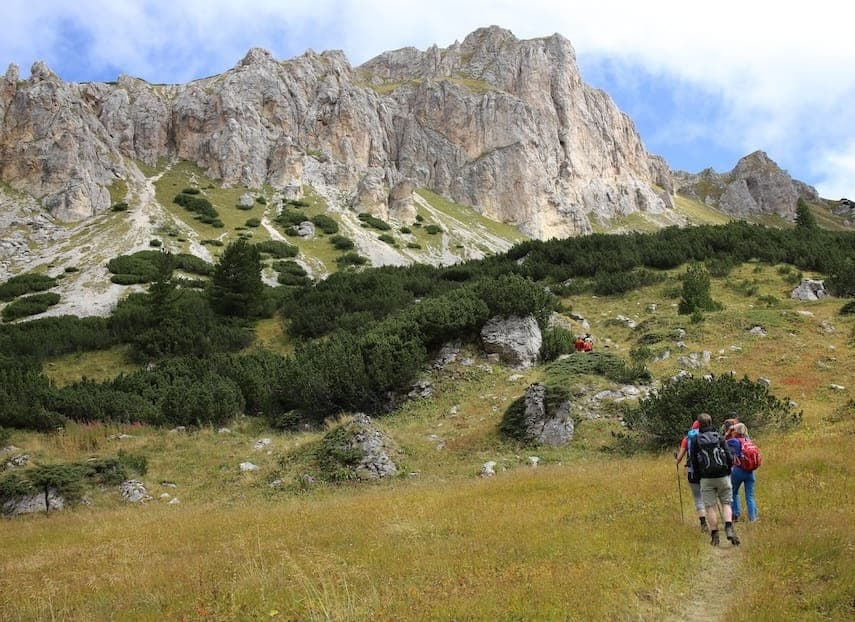
Cetinje's old core is small and flat at 671 metres, so the monastery, Biljarda, Museum of King Nikola and former legations are all walkable in a single loop of a few hundred metres. The serious walking is in neighbouring Lovćen National Park, where well-marked trails of light intensity range from 4 to 13 km. The park's highest peaks are Štirovnik at 1,749 m and Jezerski Vrh at 1,657 m; the Njegoš Mausoleum on Jezerski Vrh is reached by climbing 461 steps. From the town it is a short drive to trailheads.
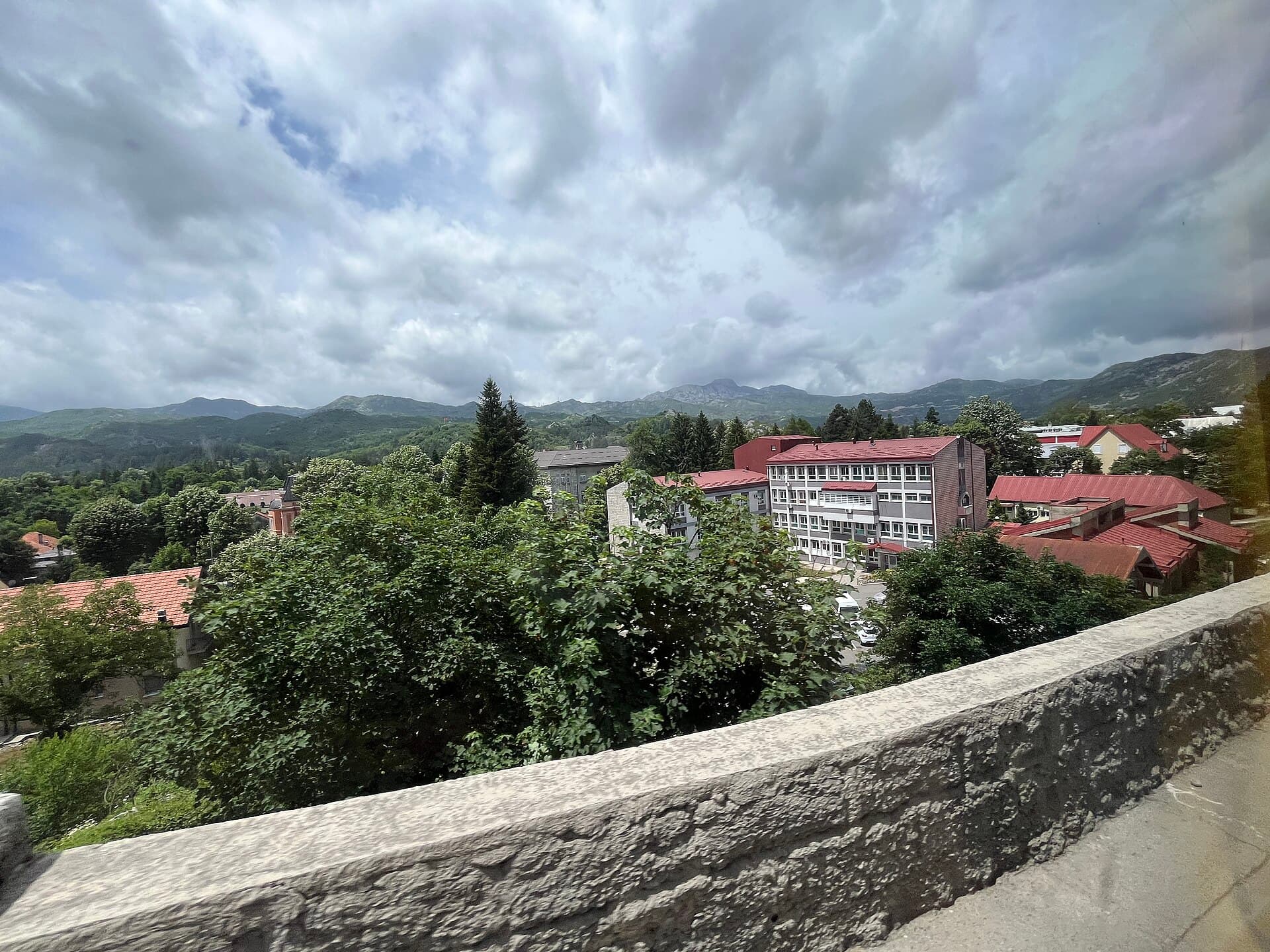
CivArmy · CC BY 4.0 · Wikimedia Commons
Cetinje sits on the main inland–coast road linking Podgorica, Cetinje and Budva. Driving distance from Podgorica is 37 km; Budva is roughly 35 minutes by car. Podgorica Airport (TGD) lies about 115 km from the coast via Cetinje, a drive of 1 h 30 min to 1 h 45 min, which allows a short stop in the town. FlixBus serves Cetinje with connections to 25 destinations including Podgorica, Kotor and Budva; scheduled Podgorica–Budva buses passing through Cetinje cover about 67 km in an average 1 h 28 min. Within the town, sights cluster tightly and are best covered on foot. Lipa Cave is about 10 minutes away by car, and Lovćen National Park trailheads are a short drive uphill.
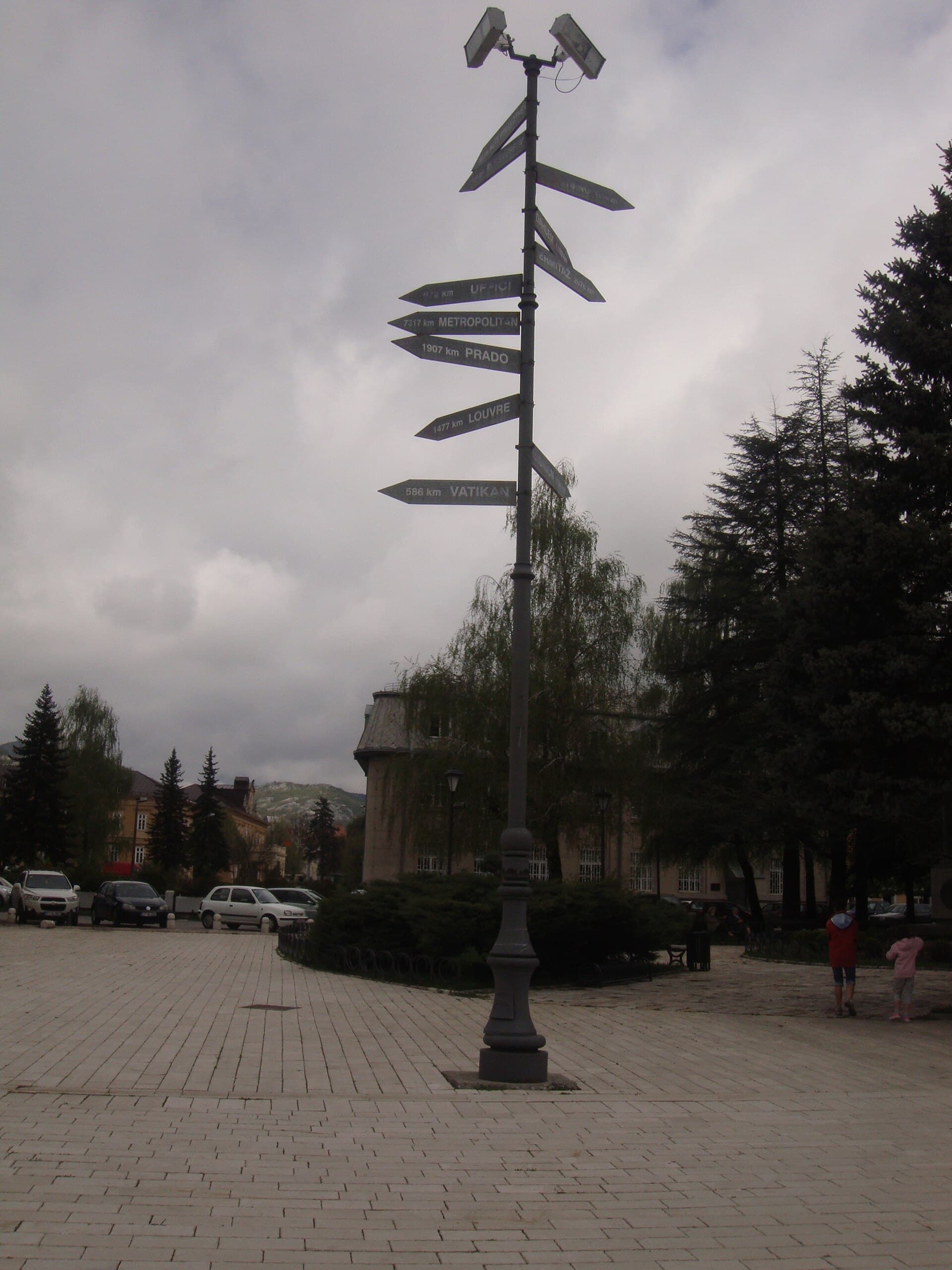
ines lukic · CC BY 3.0 · Wikimedia Commons
Museum prices come from the National Museum of Montenegro official price list: Museum of King Nikola €8 adult, €4 student; the Biljarda relief €5; Njegoš's birth house €2 in season. Lipa Cave costs €14.90 for adults, €8.90 for children aged 5–15, €1 for under-5s, and €39.90 for a family ticket, with each tour lasting one hour. Some sites, including Njegoš's birth house, open only seasonally, and no separate 2026 fee schedule or exact opening dates were published at the time of writing. Lovćen's higher trails and the mausoleum are most comfortable in late spring through early autumn; the park sits above 1,600 m at its peaks, so conditions differ sharply from the coast.
Our journeys
21 journeys planned by our team in Podgorica — from gentle coastal weeks to high-mountain crossings.
Build your own trip →8 days · Hiking
7 days · Hiking
8 days · Cycling
7 days · Cycling
8 days · Cycling
8 days · Hiking
8 days · Cycling
7 days · Cycling
7 days · Hiking
1 day · Cycling
1 day · Cycling
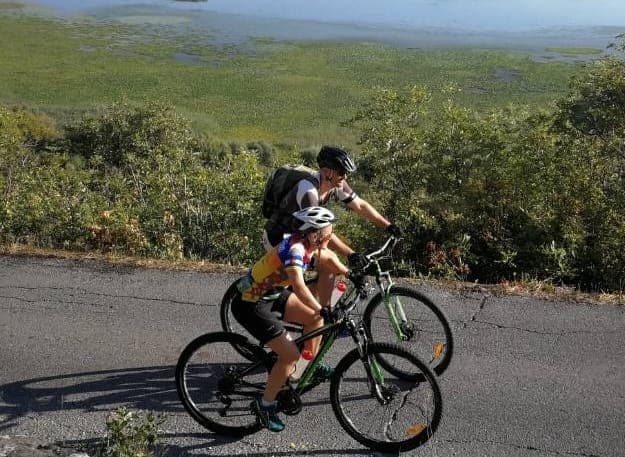
1 day · Cycling
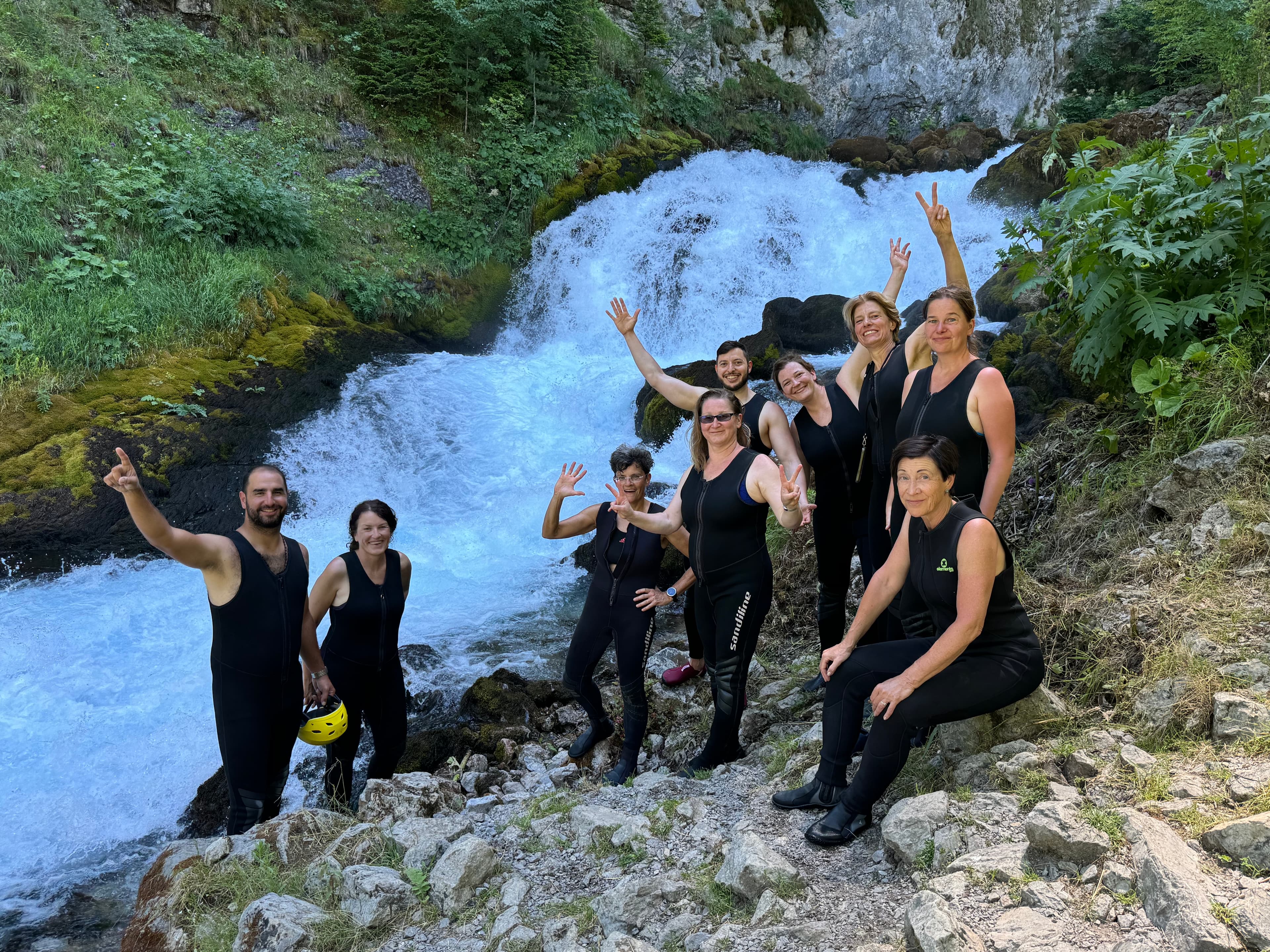
9 days · Cycling
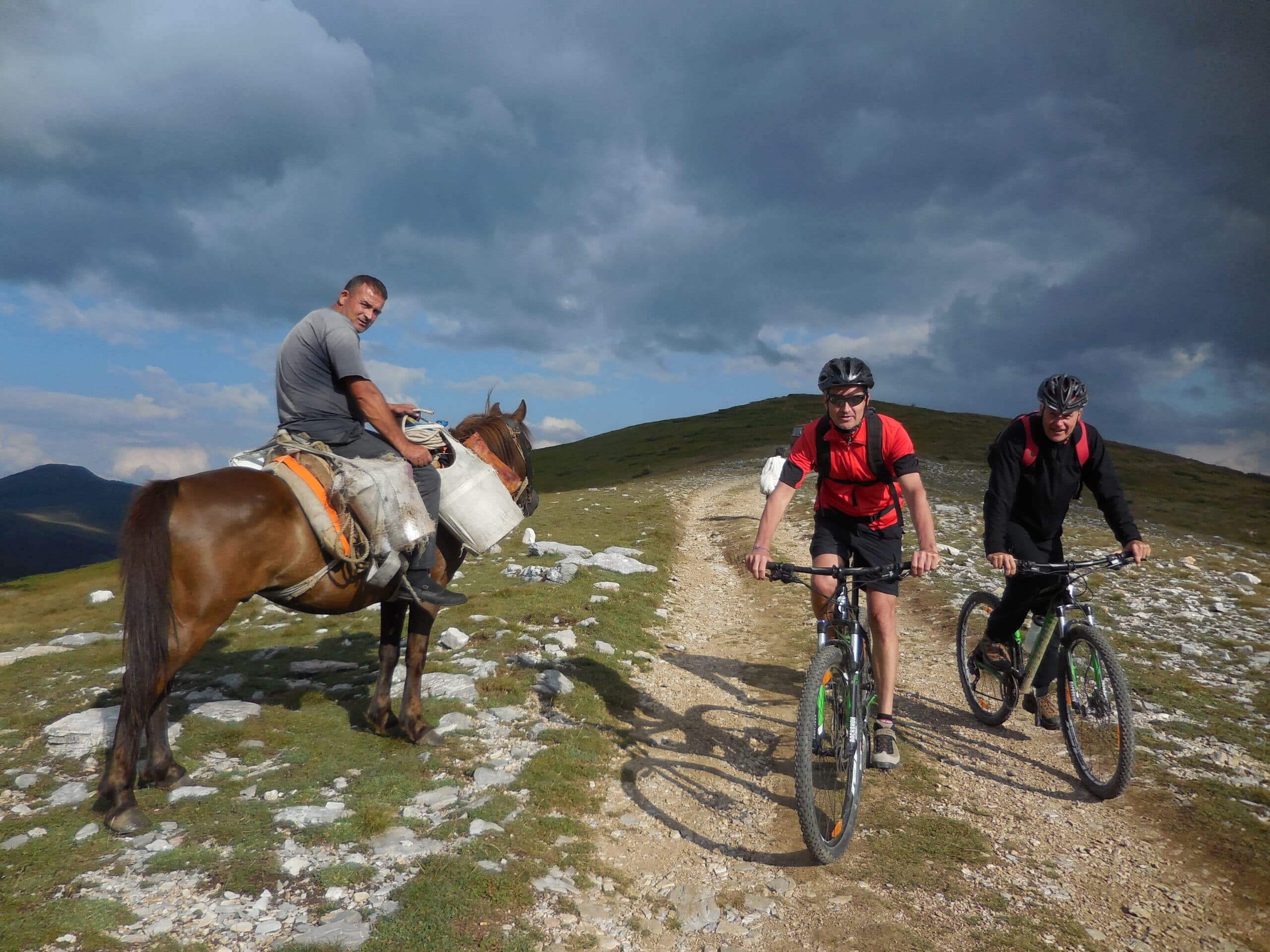
8 days · Cycling
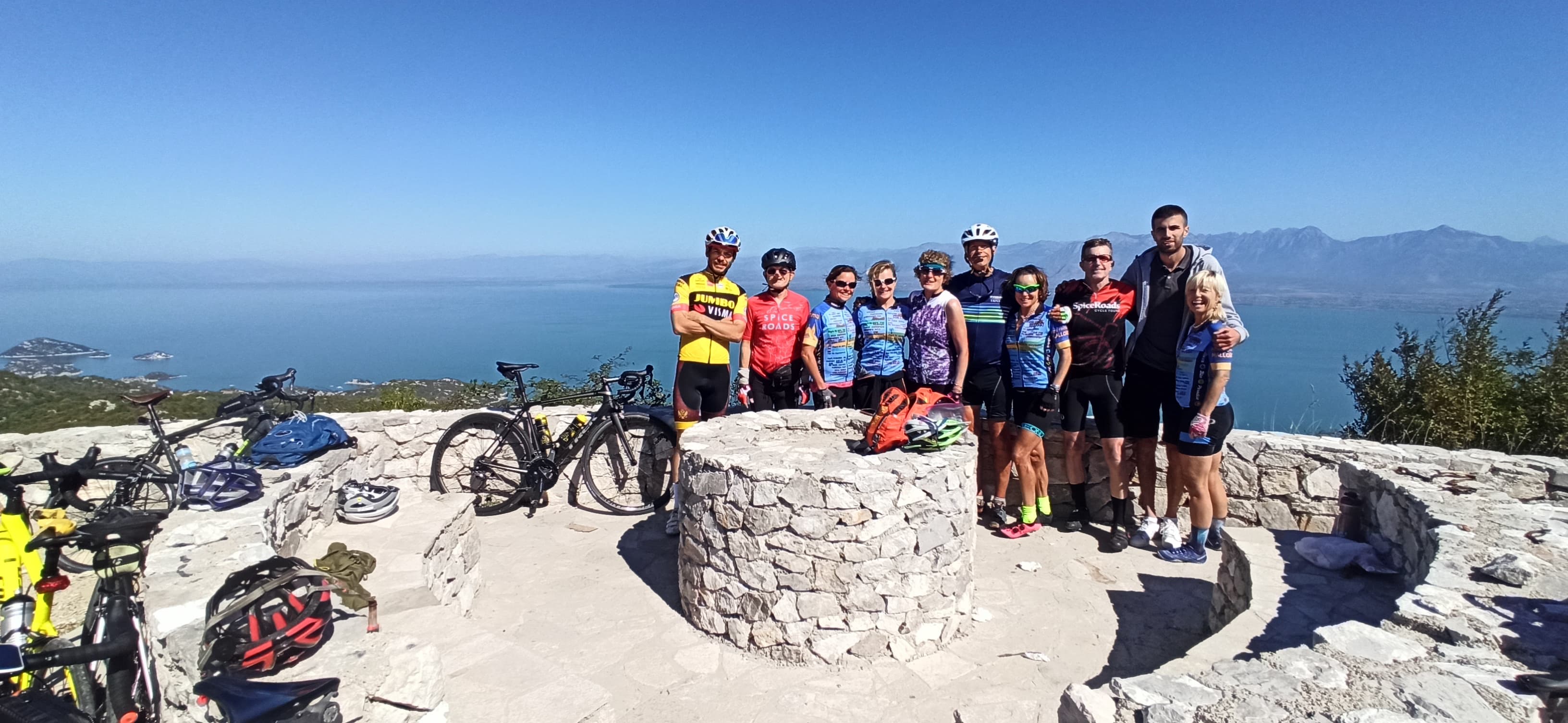
7 days · Cycling
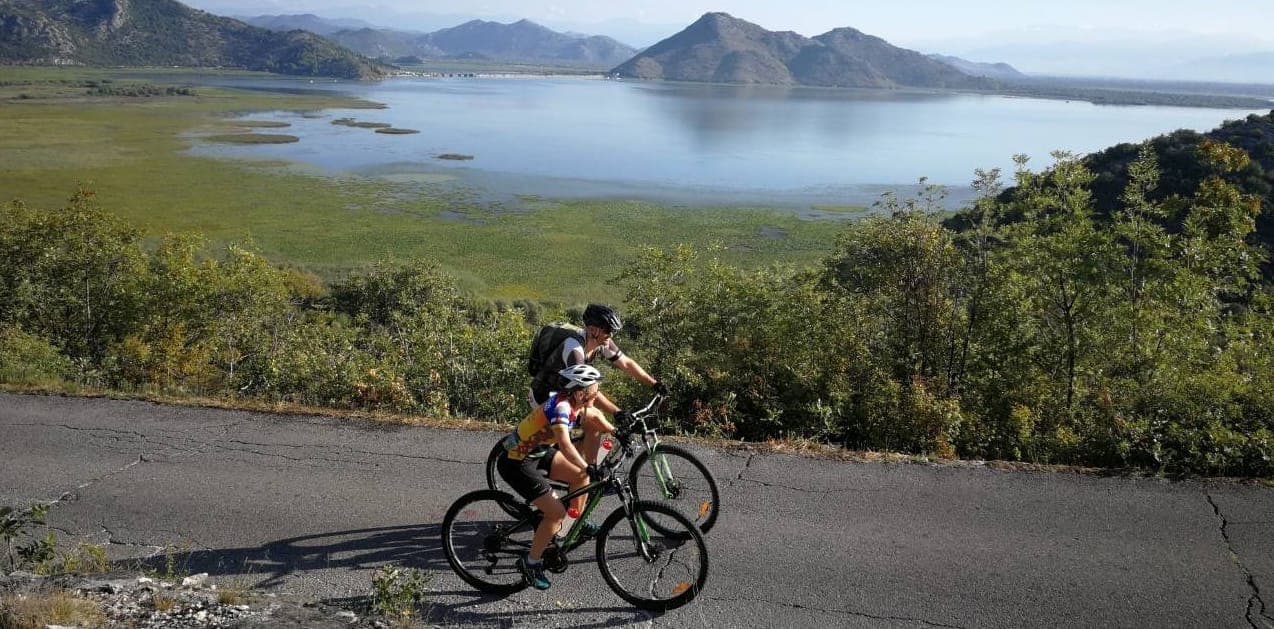
7 days · Cycling
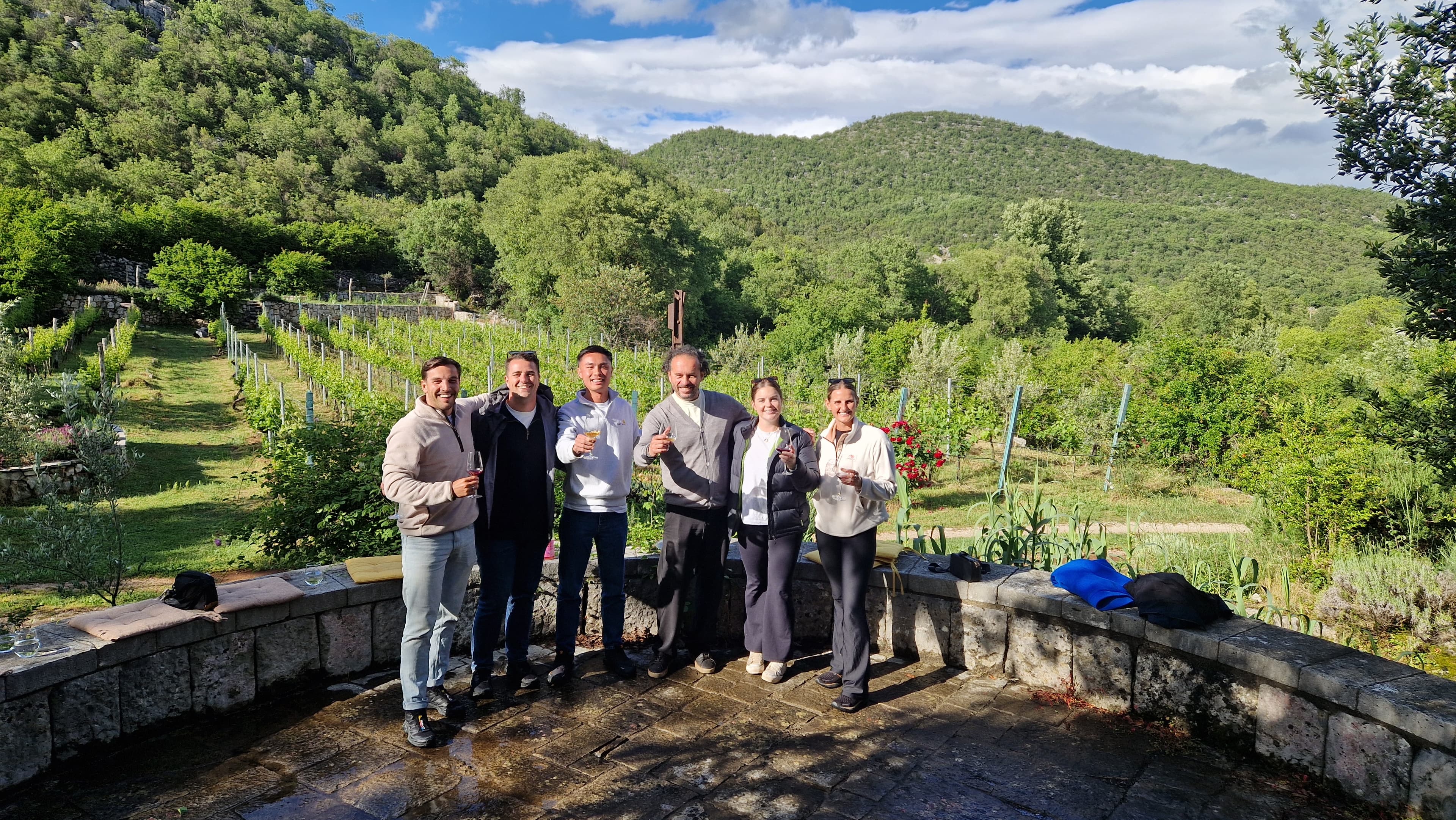
1 day · Multi-activity
from € 160,- / per person
Meet your guides
We live in Cetinje. We walk these trails, ride these roads and eat in these konobas every week. When you book with us, you’ll usually speak directly to one of the people who’ll be guiding you.
Meet the whole team →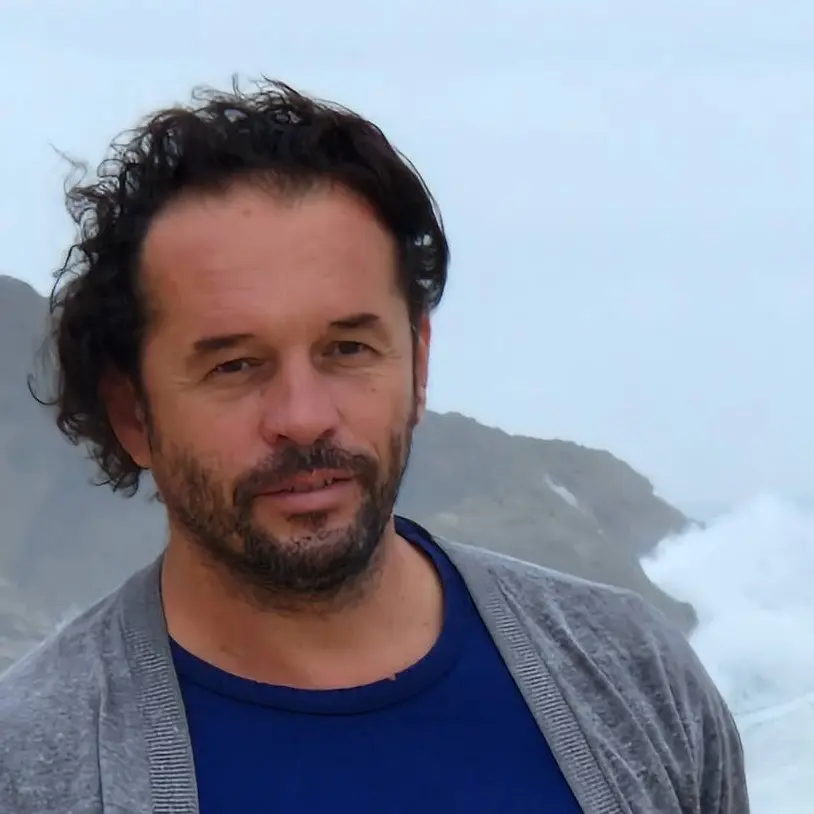
Management
Quality assurance, sales and communication.
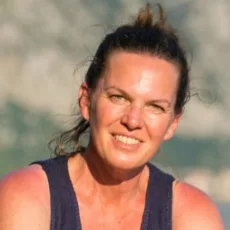
Management
Product development, sustainability and marketing.

Tour operations manager
Backoffice — keeps every trip running smoothly on the ground.

Reservations & group tour operations
Backoffice — bookings, group logistics and guest care.
Tell us roughly when, who's travelling and what kind of pace you like. We'll send back a draft itinerary within 1–2 days, no payment until you're happy with the plan.
Plan your trip