



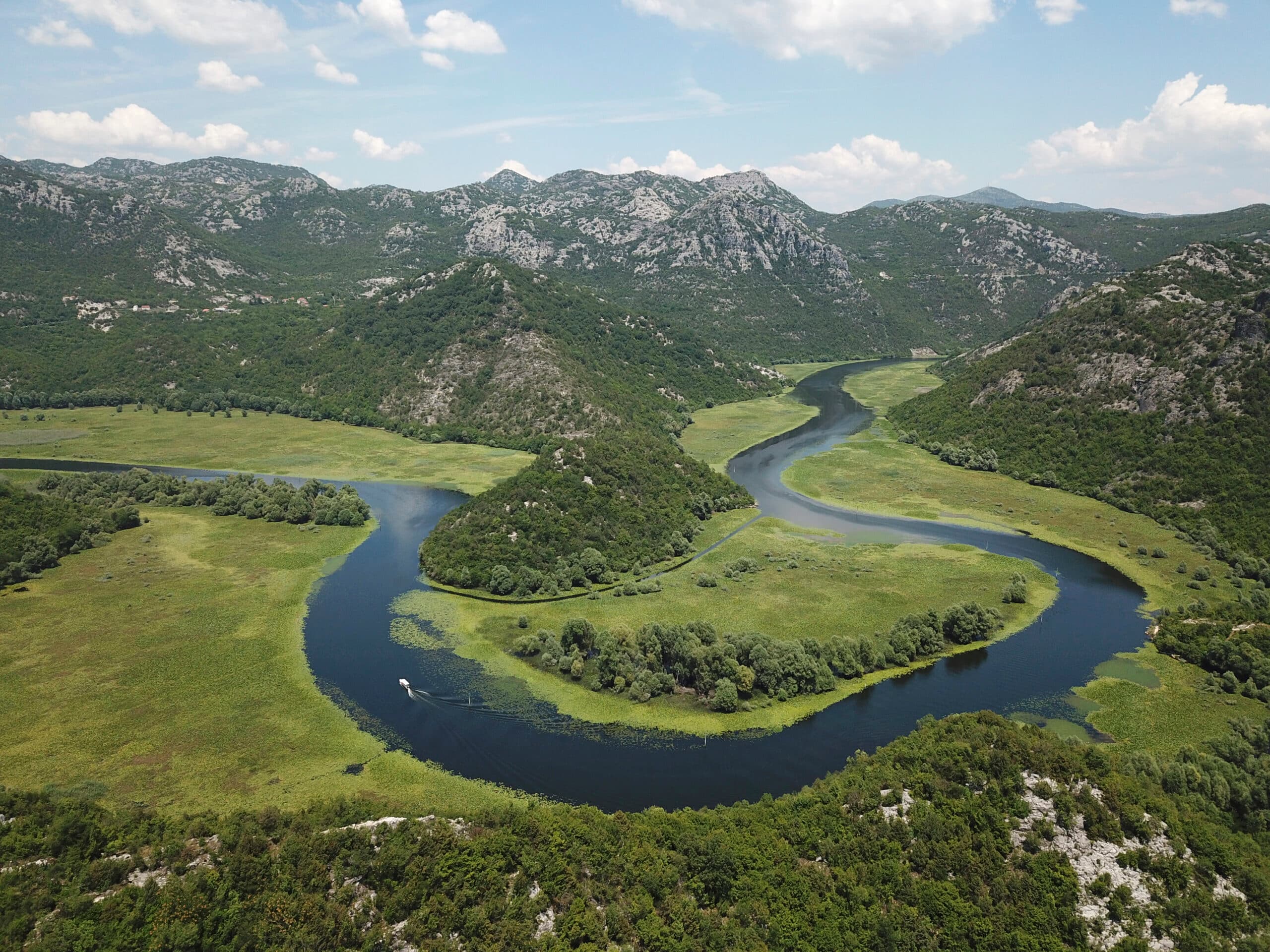

AlbaniaCroatiaMontenegroBosnia and Herzegovina
8 days · Cycling
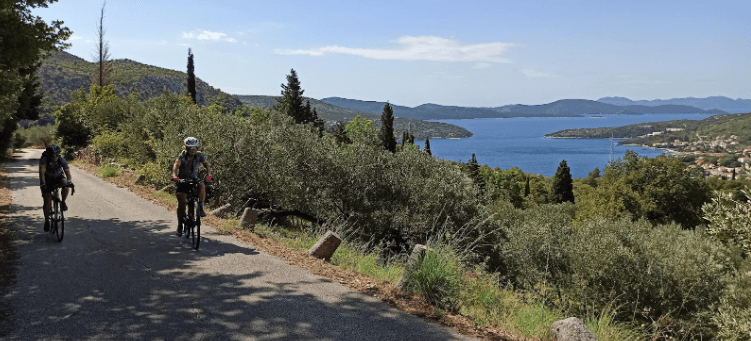
Road cycling adventure - Bosnia, Croatia, Montenegro and Albania
▲▲▲▲▲Moderate
Walking · Hiking · Cycling · Croatia
Walking, hiking and cycling holidays in Ston, self-guided or with a local guide. Ston sits at the base of the Pelješac peninsula in southern Dalmatia, 53km from Dubrovnik. Its 5.5km of walkable defensive walls form the longest complete fortress system in Europe, second worldwide only to the Great Wall of China. Below them lie 400,000 square metres of salt pans, the oldest still active in Europe, and Mali Ston Bay farms European flat oysters. Built by the Dubrovnik Republic from 1358, Ston was a planned town that funded a third of the republic's income through salt.
Why Ston
We've spent years walking, hiking and cycling across Ston in every season. The trips below are built around the routes that work — the quiet ones, the beautiful ones, the ones with great food at the end of the day.
If none of them quite fit, get in touch. We'll happily build you a private version, shaped around your interests, fitness and pace.
How we travel here
Walking
Coastal trails, village paths and slow days on foot, with time to stop.
Hiking
Mountain trails, hut-to-hut days and summit walks, graded honestly.
Cycling
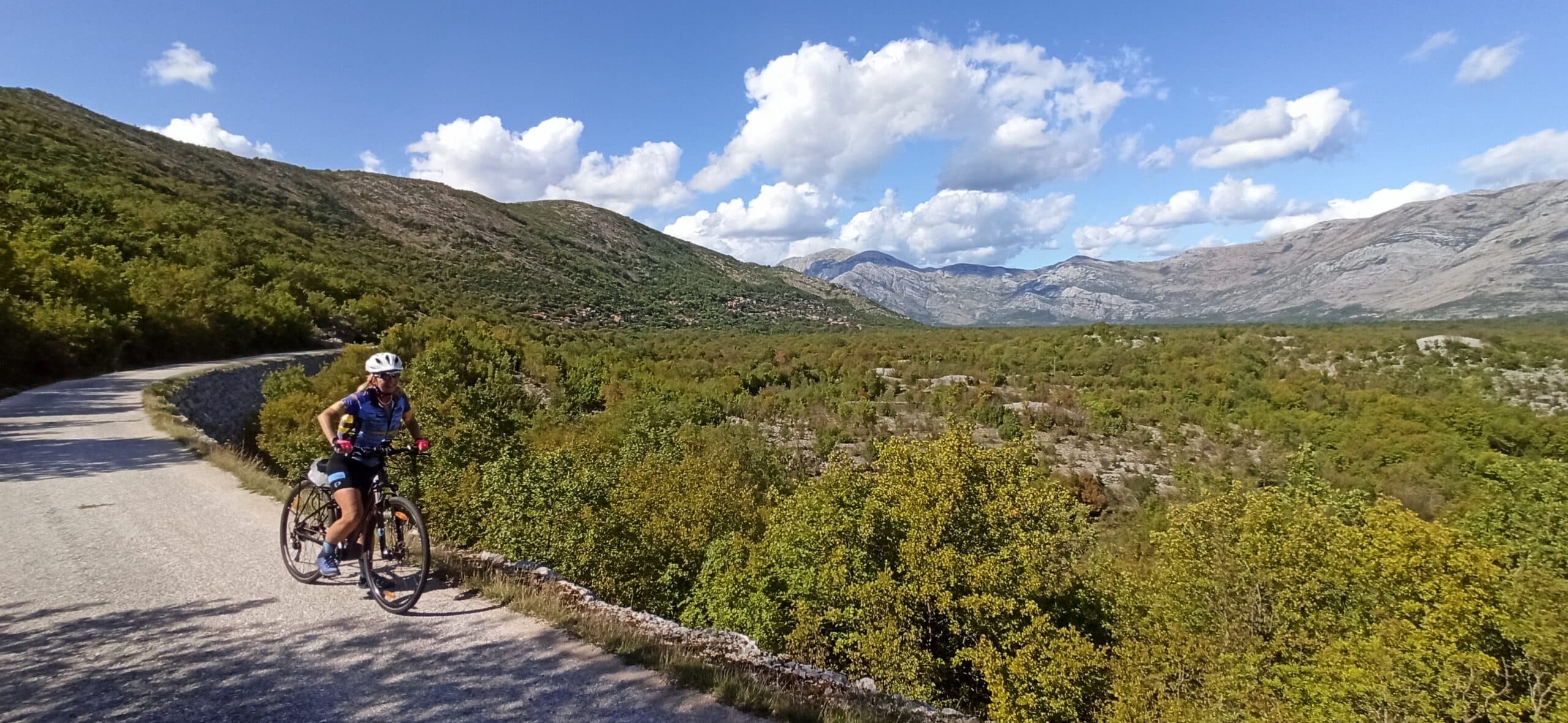
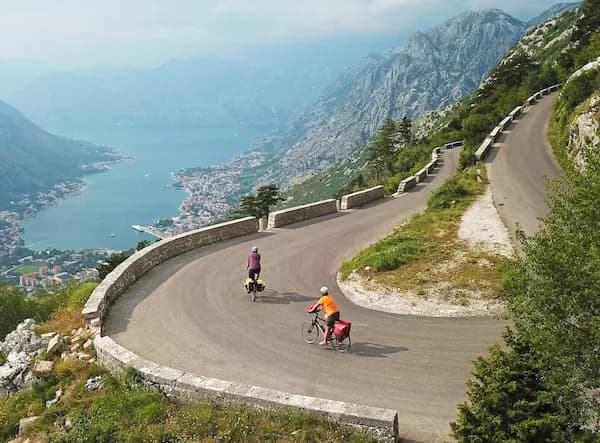
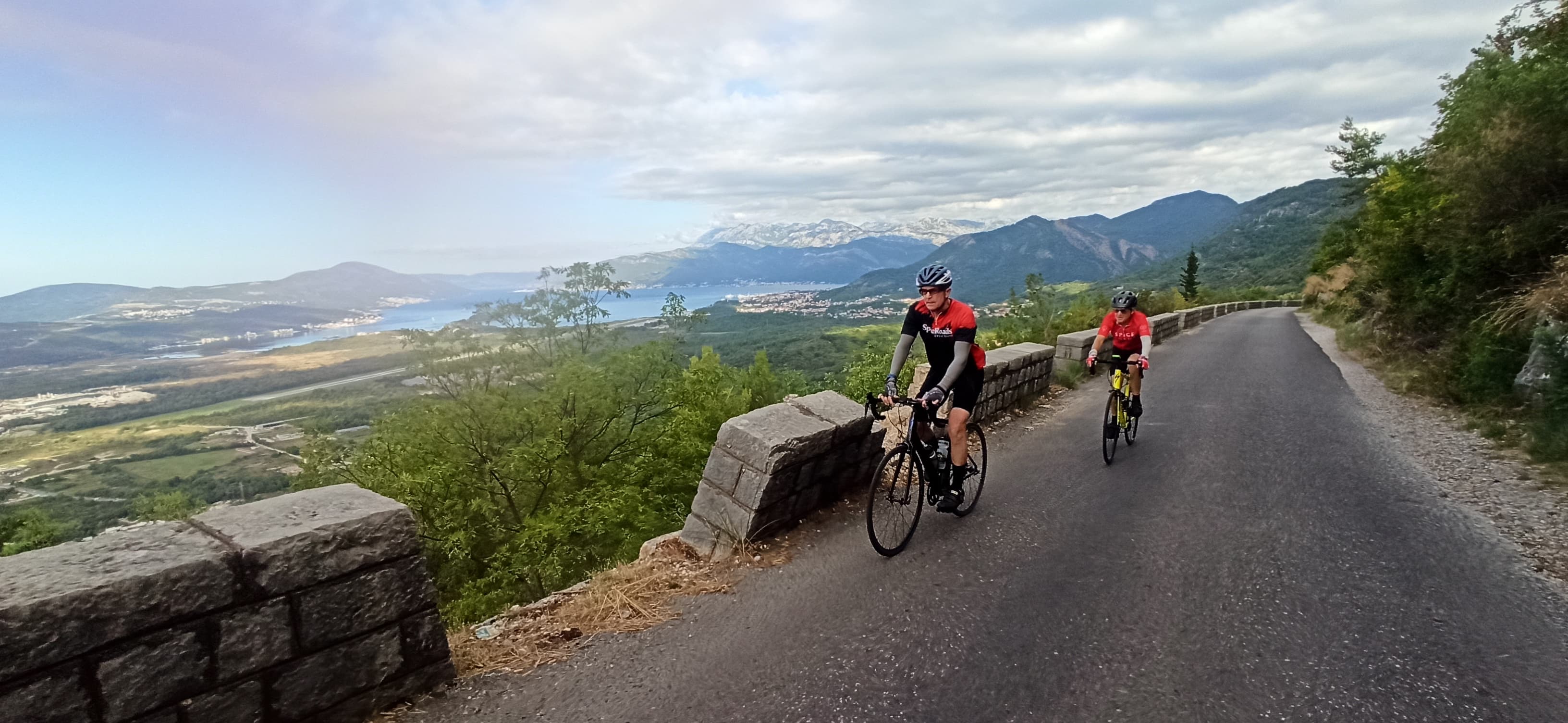
Quiet back roads and gravel routes — road, gravel and e-bike, with luggage moved between stays.
Travel guide
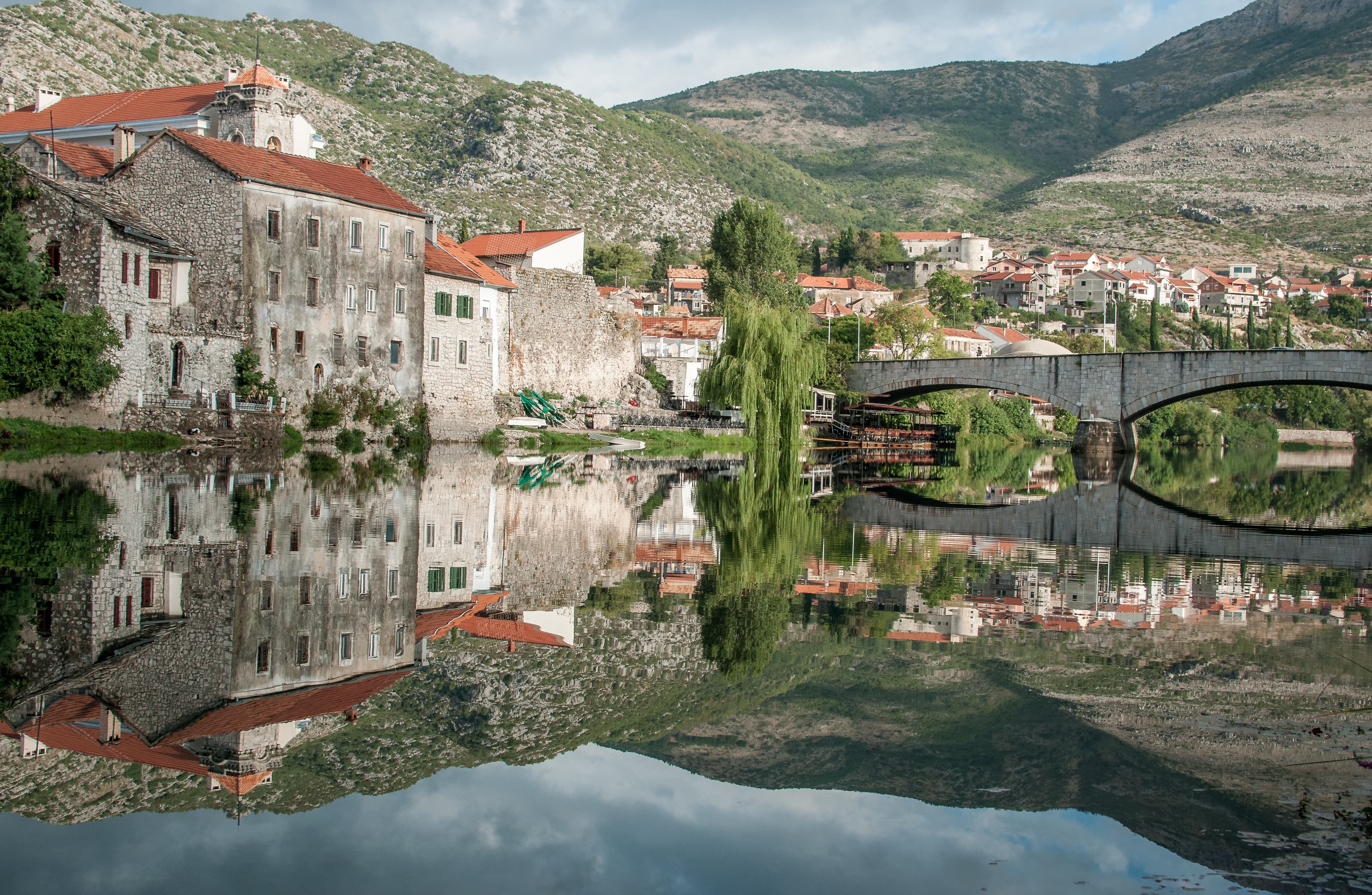
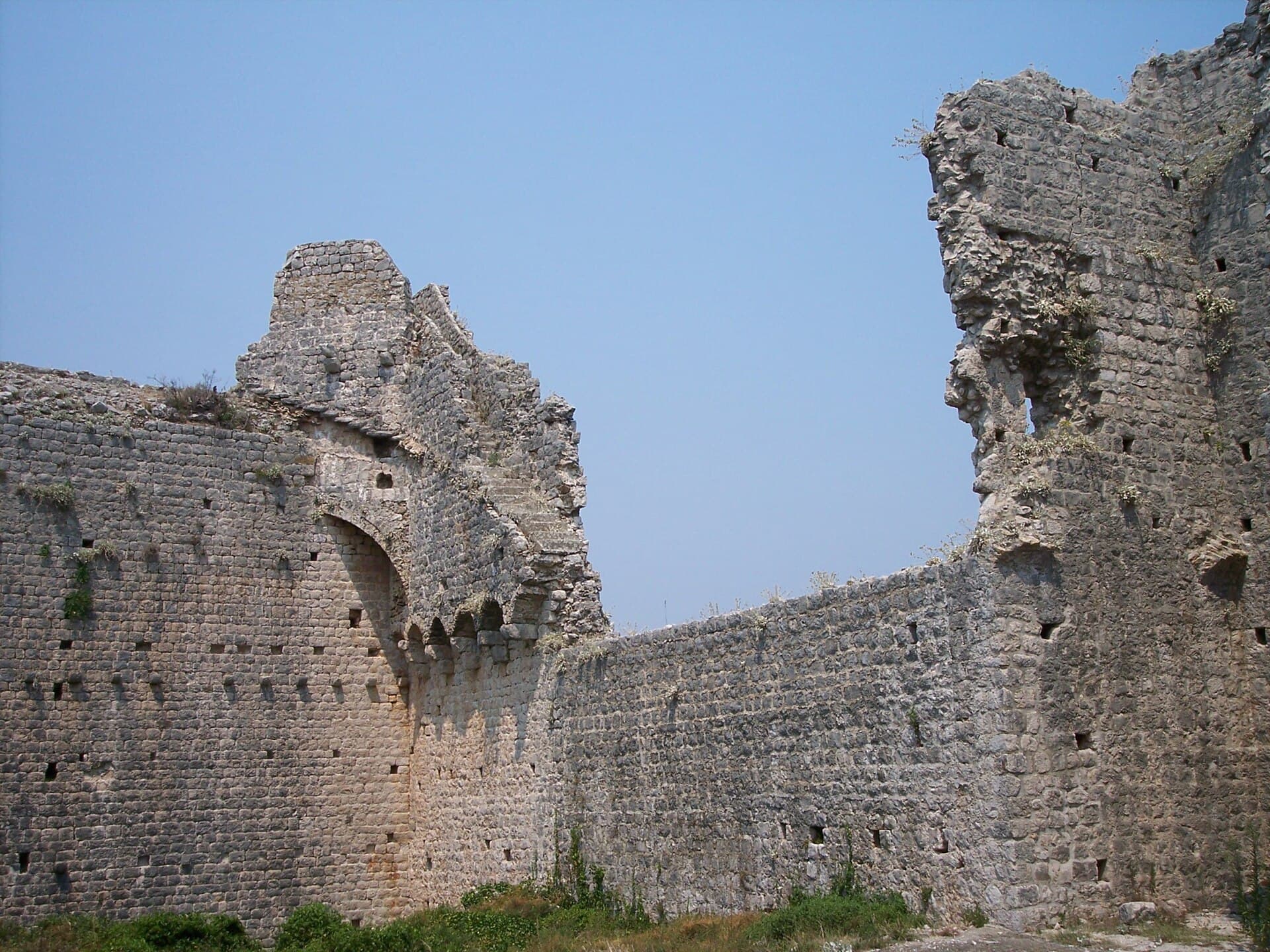
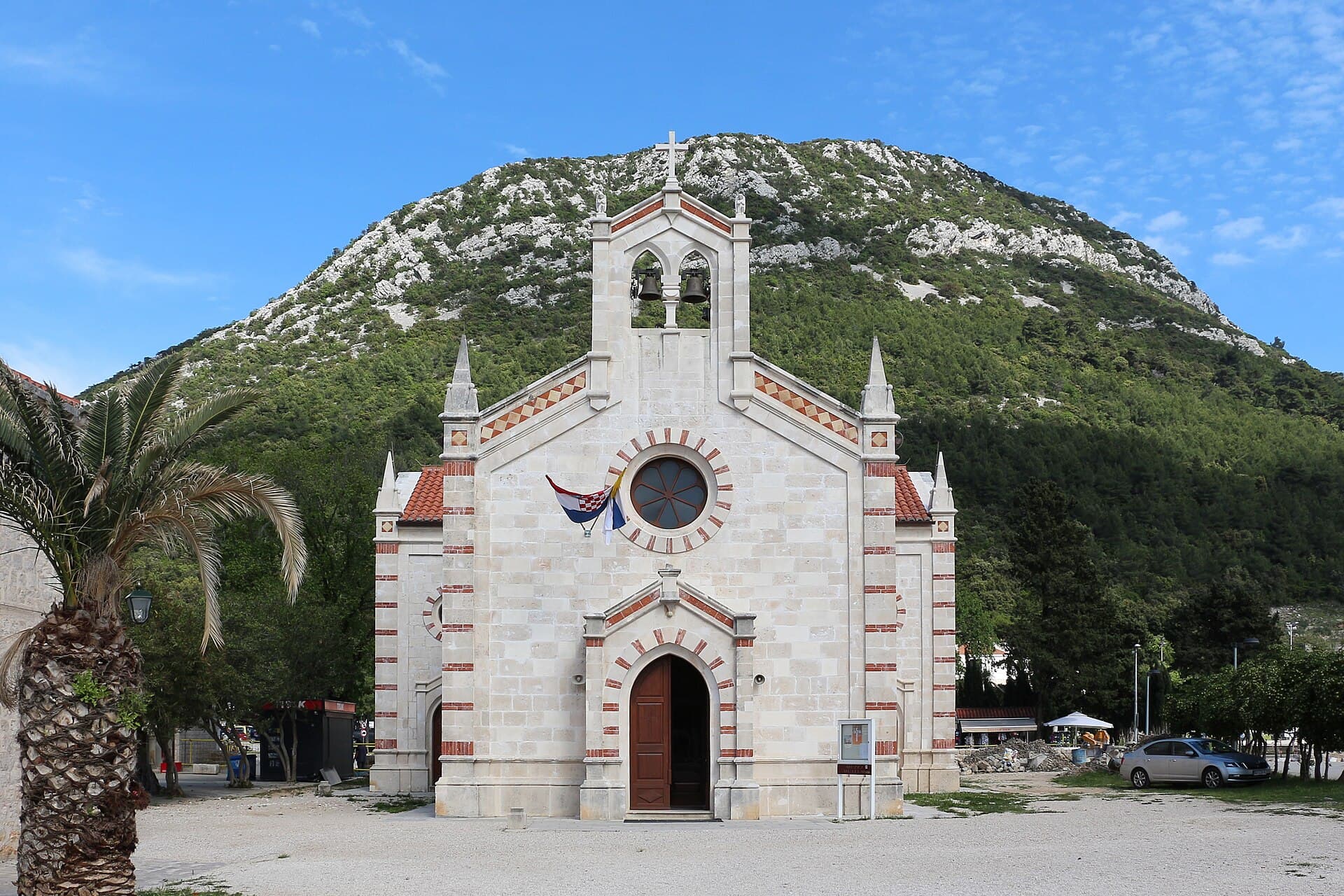
Ston is a town and municipality in Dubrovnik-Neretva County, at the neck of the Pelješac peninsula. It is not a national or nature park — its monument is the Walls of Ston. The walls connect two settlements: Ston, sometimes called Veliki Ston, and Mali Ston at the far end of the isthmus. Ston became part of the Dubrovnik Republic in 1333, and wall construction began in 1358, continuing through the 14th and 15th centuries. Originally over 7km long, the system today runs 5.5km, reinforced with about 40 towers and 5 fortresses. The centres are the Veliki Kaštio fortress in Ston, Koruna in Mali Ston, and the fort on Podzvizd hill at 224m. Ston was laid out as a miniature Dubrovnik, with its own Placa street, St Blaise's Church and Rector's Palace. Its main streets run 6m wide, the side streets 2m; the Field Gate dates from 1506, and water mains and sewers were built in 1581. Michelozzo and Giorgio da Sebenico worked on the walls.
The walls run 5.5km with about 40 towers and 5 fortresses, originally exceeding 7km. Three forts anchor the Ston section — Veliki Kaštio, Koruna and Podzvizd — with 41 towers, seven bastions and a water-filled moat. The Big Wall stretches 1,200m to Podzvizd; records say it was built in 18 months for 12,000 ducats. Podzvizd hill reaches 224m. Below sit the salt pans, spread over 400,000 square metres, worked since Roman times when the town was called Stagnum, meaning still water; the Ston diocese is recorded as far back as 877. Within the town, Ston follows a planned grid modelled on Dubrovnik, with a Placa street, St Blaise's Church and a Rector's Palace. Main streets measure 6m wide, the southern street 8m, and side streets 2m. The Field Gate (Poljska vrata) dates from 1506. The walls were built in limestone.
The Ston section of the walls can be walked in about 15 minutes; allow a further 30 minutes to continue up and over the hill to Mali Ston, climbing towards the Podzvizd fort at 224m. The full 5.5km circuit links Ston and Mali Ston across the isthmus. Footing is stone and steps, and the climb is exposed, so water and sun cover matter in summer. The salt pans below and Mali Ston Bay are visible for much of the ridge. For cycling and longer walking on the Pelješac peninsula around Ston,
László Szalai (Beyond silence) · Public domain · Wikimedia Commons
Ston lies 53km from Dubrovnik, roughly a 55-minute drive. The nearest airport is Dubrovnik (DBV), a road distance of about 71km. FlixBus runs from Dubrovnik five times a day, taking around 53 minutes, and Libertas Dubrovnik serves the route four times daily. There is no direct bus from Dubrovnik Airport to Ston; services route through Dubrovnik Central Bus Station and take about 2h 36m including transfers. Ston and Mali Ston sit at opposite ends of the isthmus, walkable via the wall circuit or by road.
Bernard Gagnon · CC BY-SA 4.0 · Wikimedia Commons
Adult wall tickets cost €10, children over 7 pay €5, and groups of 10 or more pay €8 per person. The walls are open daily from 08:00 to 18:00 (some sources list 18:30), and cards are accepted. The walls drew 60,690 paying visitors in the reported year. The salt harvest runs from April to September, when the pans are working; annual output is reported between 500 and around 2,000 tons. Summer brings heat and full sun on the exposed ridge, so early morning or late afternoon walking is easier. Spring and autumn are milder for the climb to Podzvizd.
Our journeys
2 journeys planned by our team in Podgorica — from gentle coastal weeks to high-mountain crossings.
Build your own trip →8 days · Cycling
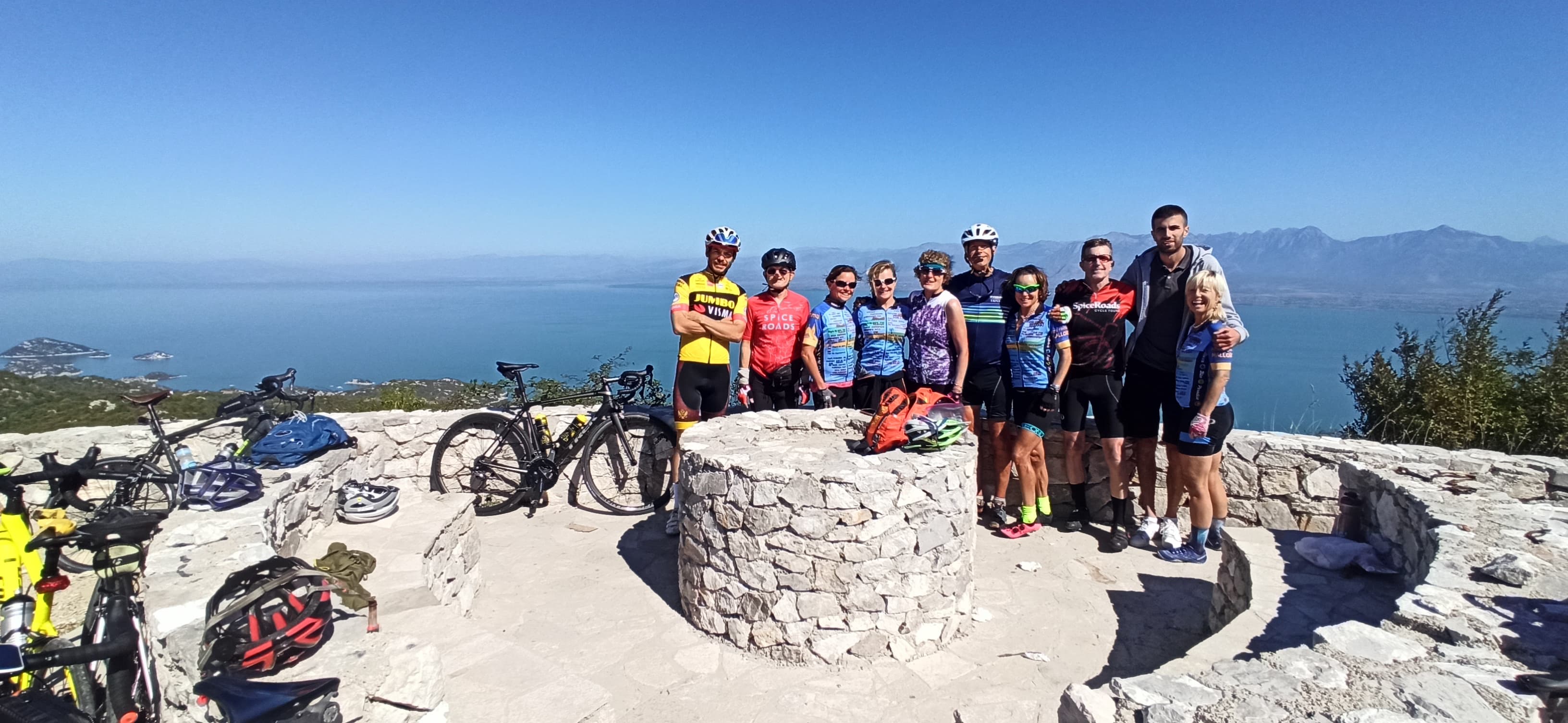
7 days · Cycling
Meet your guides
We live in Ston. We walk these trails, ride these roads and eat in these konobas every week. When you book with us, you’ll usually speak directly to one of the people who’ll be guiding you.
Meet the whole team →
Management
Quality assurance, sales and communication.

Management
Product development, sustainability and marketing.

Tour operations manager
Backoffice — keeps every trip running smoothly on the ground.

Reservations & group tour operations
Backoffice — bookings, group logistics and guest care.
Tell us roughly when, who's travelling and what kind of pace you like. We'll send back a draft itinerary within 1–2 days, no payment until you're happy with the plan.
Plan your trip