


Stories
Is Montenegro Safe to Visit? An Honest Answer From Locals
ByAngelika Temper-Jablan · · Updated · 7 min read
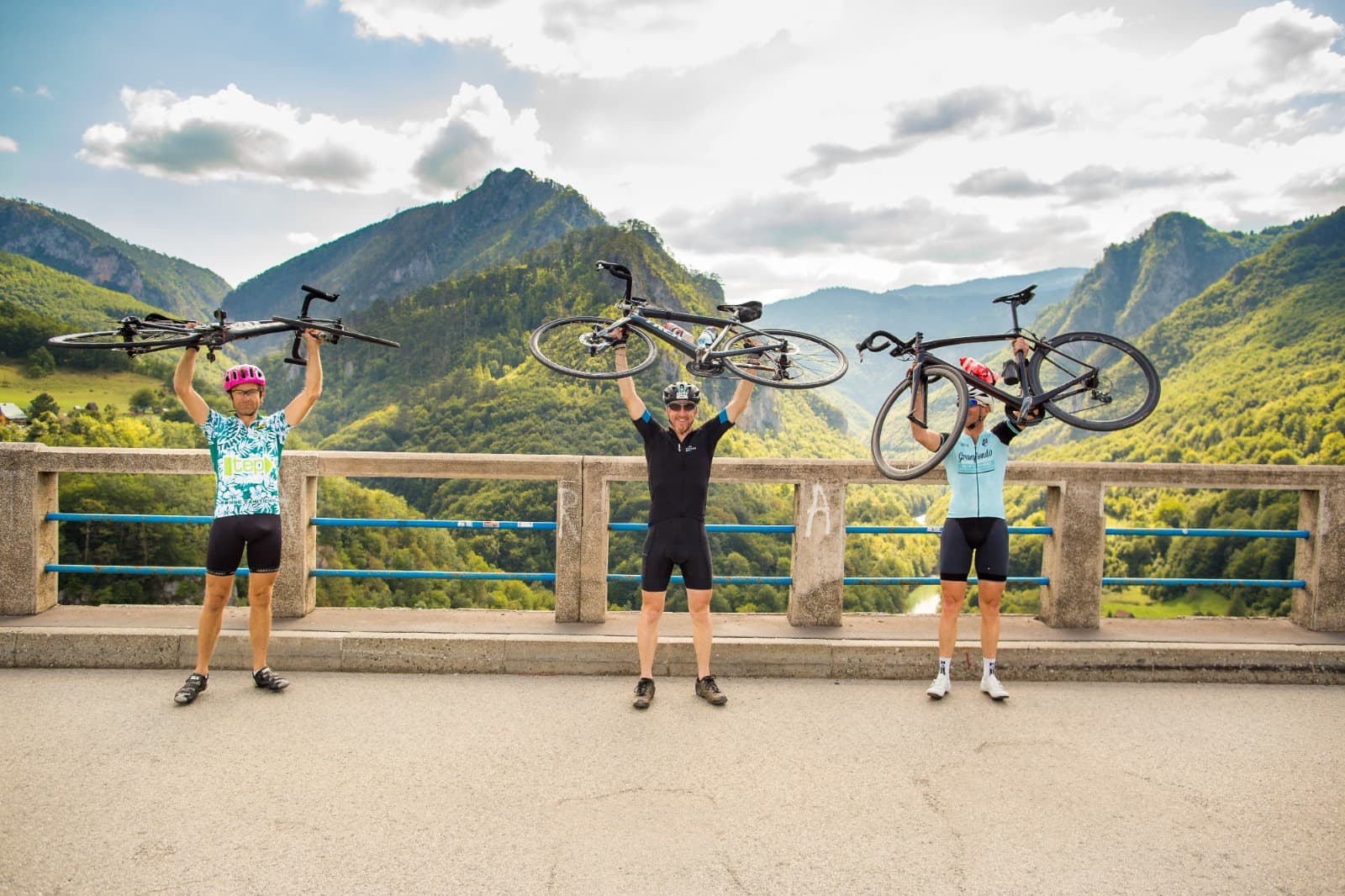
Yes. We live here, we guide here, and this is the practical safety picture — roads, trails, solo travel, tap water and the few things genuinely worth watching for.
Yes — Montenegro is a safe country to visit. We live and work here, we guide walking and cycling trips across the country, and the honest answer to the question in the title is that your biggest risks are a sunburn, a serpentine road taken too fast, and ordering a second plate of Njeguši prosciutto. Below is the practical breakdown travellers actually ask us about.
The short version
Montenegro ranks among Europe's calmer countries on the Global Peace Index, and major governments (the US, UK and Australia among them) keep it at their lowest advisory levels — 'exercise normal precautions'. Violent crime against tourists is rare. Petty theft exists in busy coastal towns in July and August, at about the level you'd expect of any Mediterranean resort area: watch your phone on the beach, don't leave bags visible in parked cars.
Is Montenegro safe for solo female travellers?
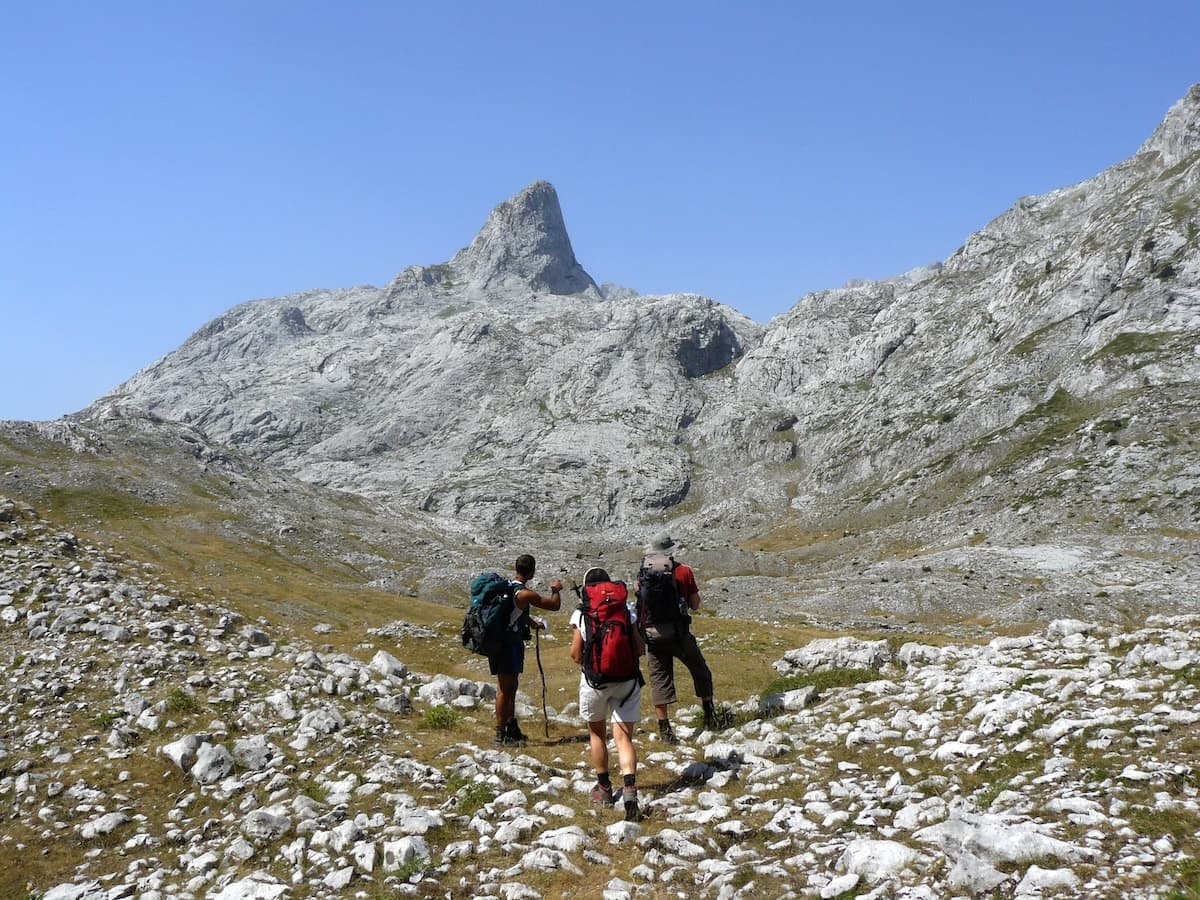
Broadly, yes — solo women make up a growing share of our guests and consistently tell us they felt comfortable, including in Podgorica and on intercity buses. The usual city rules apply after midnight in bar districts. Hiking solo on marked coastal trails is common; for the remote Prokletije range we'd suggest company for anyone, of any gender — that's about rescue access, not people.
Is it safe to drive here?
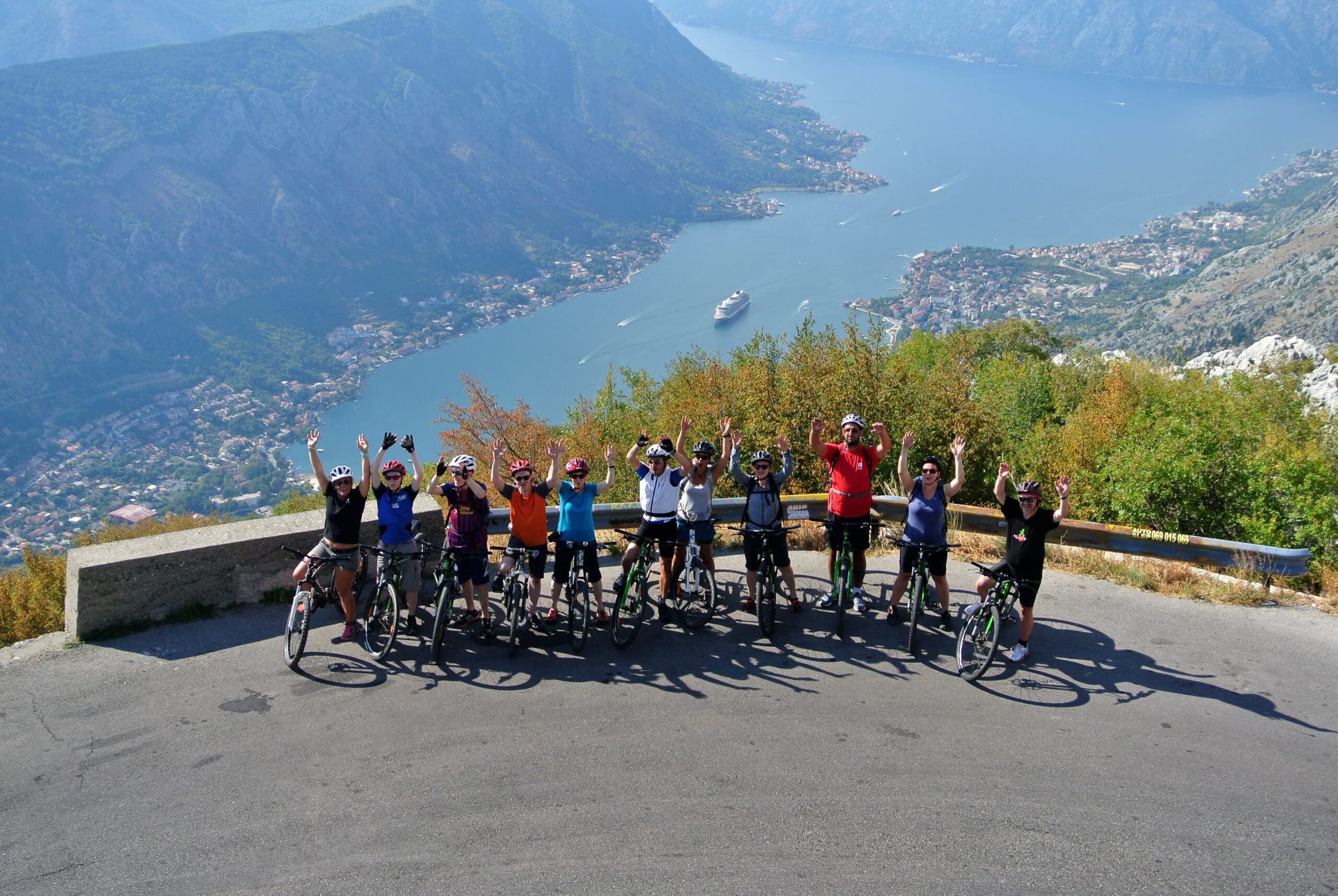
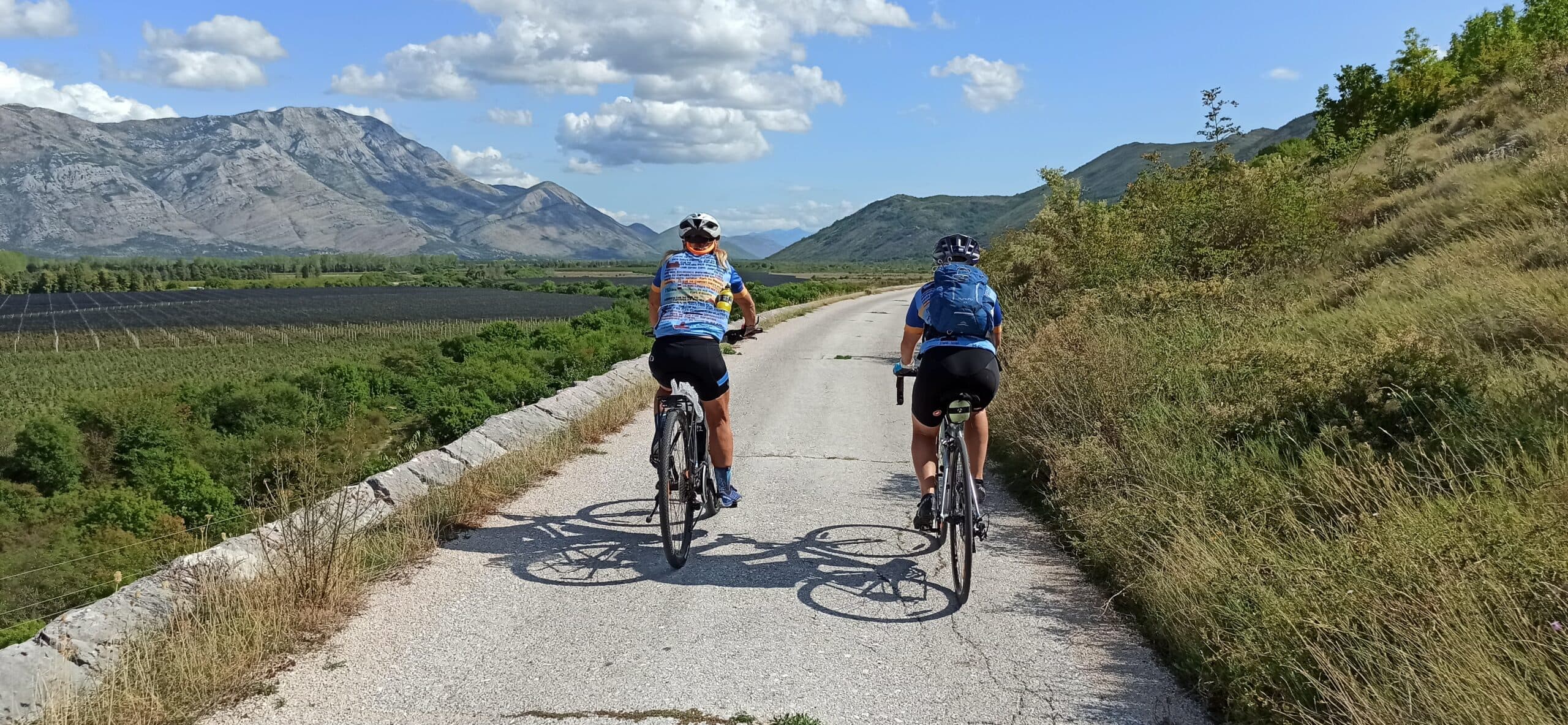
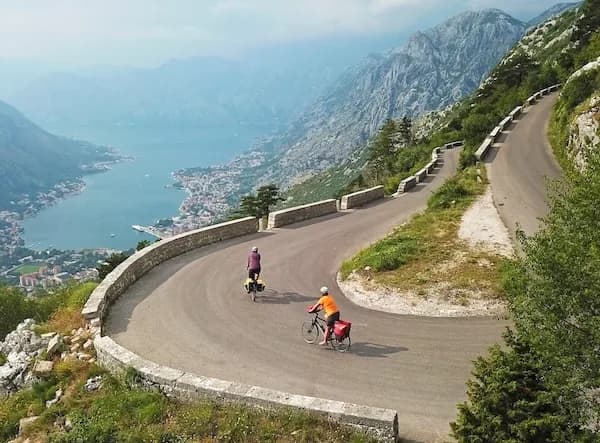
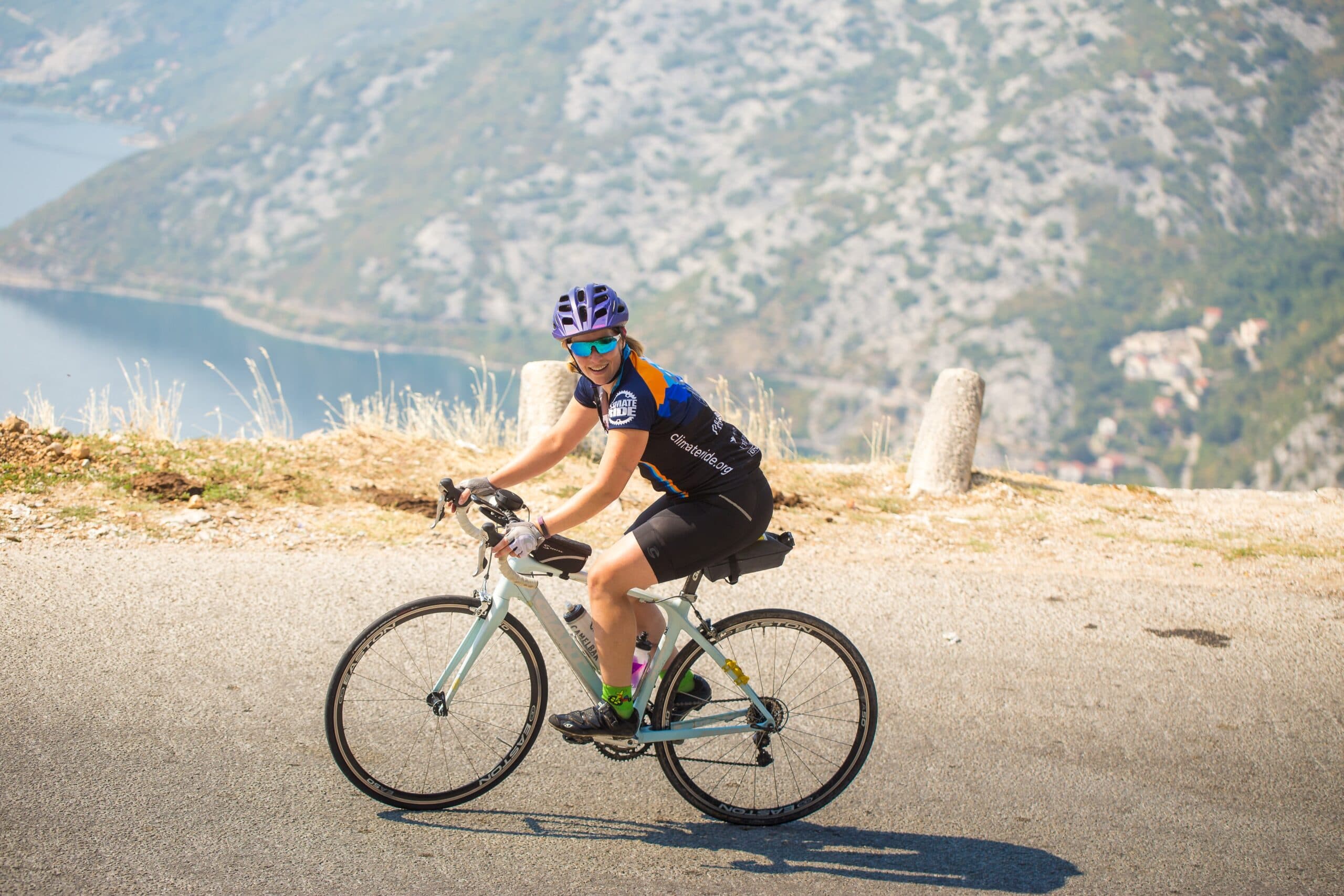
The honest answer: the roads demand attention, not fear. The Kotor–Lovćen serpentines and the older coastal road are narrow, and local overtaking can be optimistic. Drive them in daylight the first time, use the pull-offs to let faster cars pass, and allow double the time the map suggests. The new Bar–Boljare motorway sections are excellent. In winter, mountain routes to Žabljak and Kolašin need proper tyres and occasionally chains.
How safe is hiking?
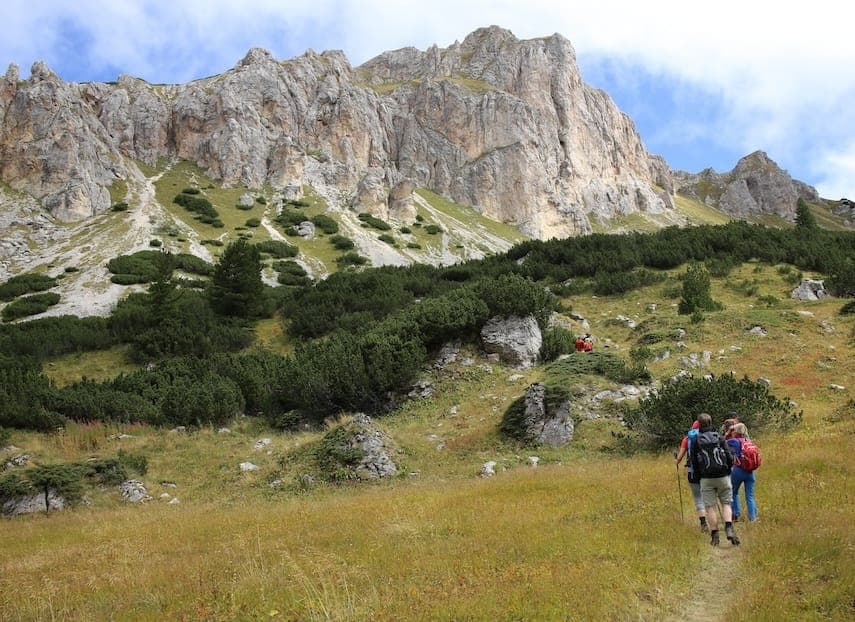
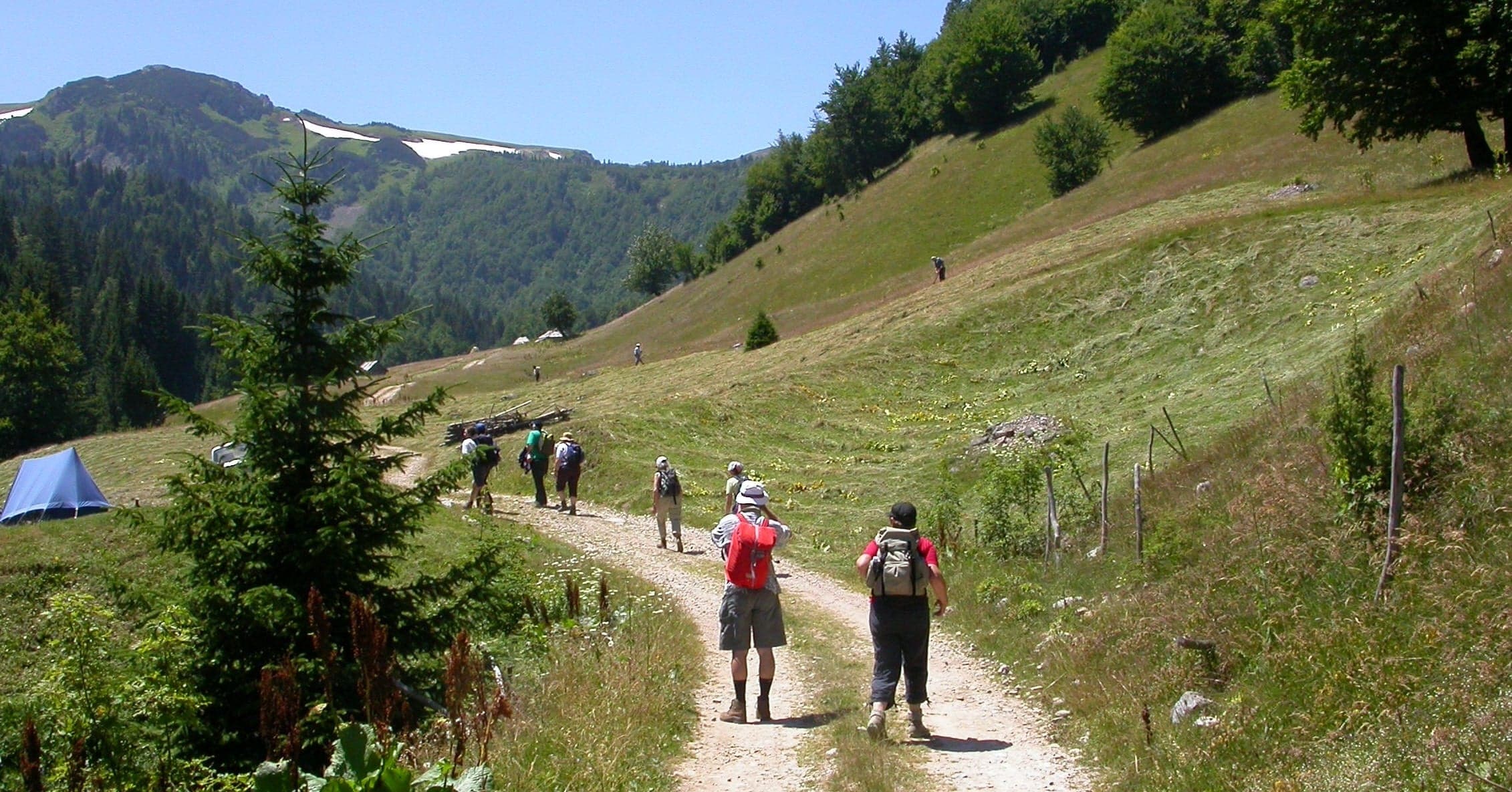
Trail safety here is about weather and remoteness, not crime. Coastal and Durmitor day-trails are well-marked; the genuine hazards are summer afternoon thunderstorms above 2,000 m, spring snowfields on north faces, and thin mobile coverage in Prokletije and Komovi. The mountain rescue service (dial 112) is real but small. We plan our own summits for the morning and are off the high ground by early afternoon in storm season — copy that habit and you've removed most of the risk.
Water, food, dogs, and the small stuff
Tap water is safe to drink virtually everywhere, including Podgorica and the mountain towns — carry a refillable bottle. Food hygiene standards are European-normal. Street dogs exist but are overwhelmingly placid; give shepherd dogs guarding flocks in the mountains a wide, calm berth. Taxis: use registered ones or ask your accommodation to call — the airport rank in Podgorica is fine, but agree the fare in Budva at 2 a.m.
Scams and money
Montenegro uses the euro, card acceptance is wide, and tourist-targeting scams are few. The ones we've actually seen: unofficial 'parking attendants' near beaches waving you into paid spots, inflated menus at a handful of cruise-adjacent Kotor restaurants (menus are posted — read before sitting), and occasional short-changing at busy kiosks. None of it is aggressive.
Wildfires, earthquakes and other rare events
Summer wildfires happen in dry years, mostly away from towns; they occasionally close hiking areas in August — a reason we keep plans flexible in high summer. The Adriatic is a seismic zone (the last major earthquake was in 1979) and building codes reflect it; it's not a factor in trip planning. There is no conflict-related risk: Montenegro is a NATO member and an EU candidate, and the wars of the 1990s are a generation in the past.
Safety questions our guests actually ask
Is Montenegro safe right now?
Yes. Major government travel advisories keep Montenegro at their lowest caution level — the same band as France or Italy. Tourism is roughly a third of the economy, and visitors are treated accordingly.
Is Montenegro safe at night?
Coastal towns and Podgorica are lively and generally safe in the evening. Use the same judgement as any European city after midnight in nightlife areas — Budva in August is a party town, and most incidents involve the party, not the locals.
Is the tap water safe to drink in Montenegro?
Yes, virtually everywhere — mountain-fed and good. Carry a refillable bottle; some village fountains along hiking trails are spring-fed and marked drinkable.
Is Kotor safe for cruise passengers?
Very. The old town is compact and heavily walked. Pickpocketing is the only realistic risk in peak crowds, and reading menu prices before sitting down solves the other classic complaint.
Is it safe to hike alone in Montenegro?
On marked coastal and Durmitor day-trails, yes, with normal precautions — tell someone your plan and check the afternoon storm forecast. For Prokletije and Komovi we recommend company or a guide: the terrain is remote and mobile coverage is patchy. If in doubt, ask us about a route — honest answers are free.
If you're weighing up a trip: come. Bring walking shoes. The country is calm, the mountains are extraordinary, and the things that go wrong here are the ordinary travel kind, not the scary kind. If you'd like a plan built around your dates, we'll draft one — no payment until you're happy with it.
Written by
Angelika Temper-Jablan
Product development, 3E Travel
Angelika looks after product development and sustainability at 3E Travel, a small team based in Podgorica that designs and guides walking, hiking and cycling journeys across Montenegro and the Western Balkans. The team walks or rides every route before recommending it — usually in more than one season.
