

Hiking
The Lipci Prehistoric Rock Drawings in the Bay of Kotor
ByThe 3E Travel team · · 6 min read
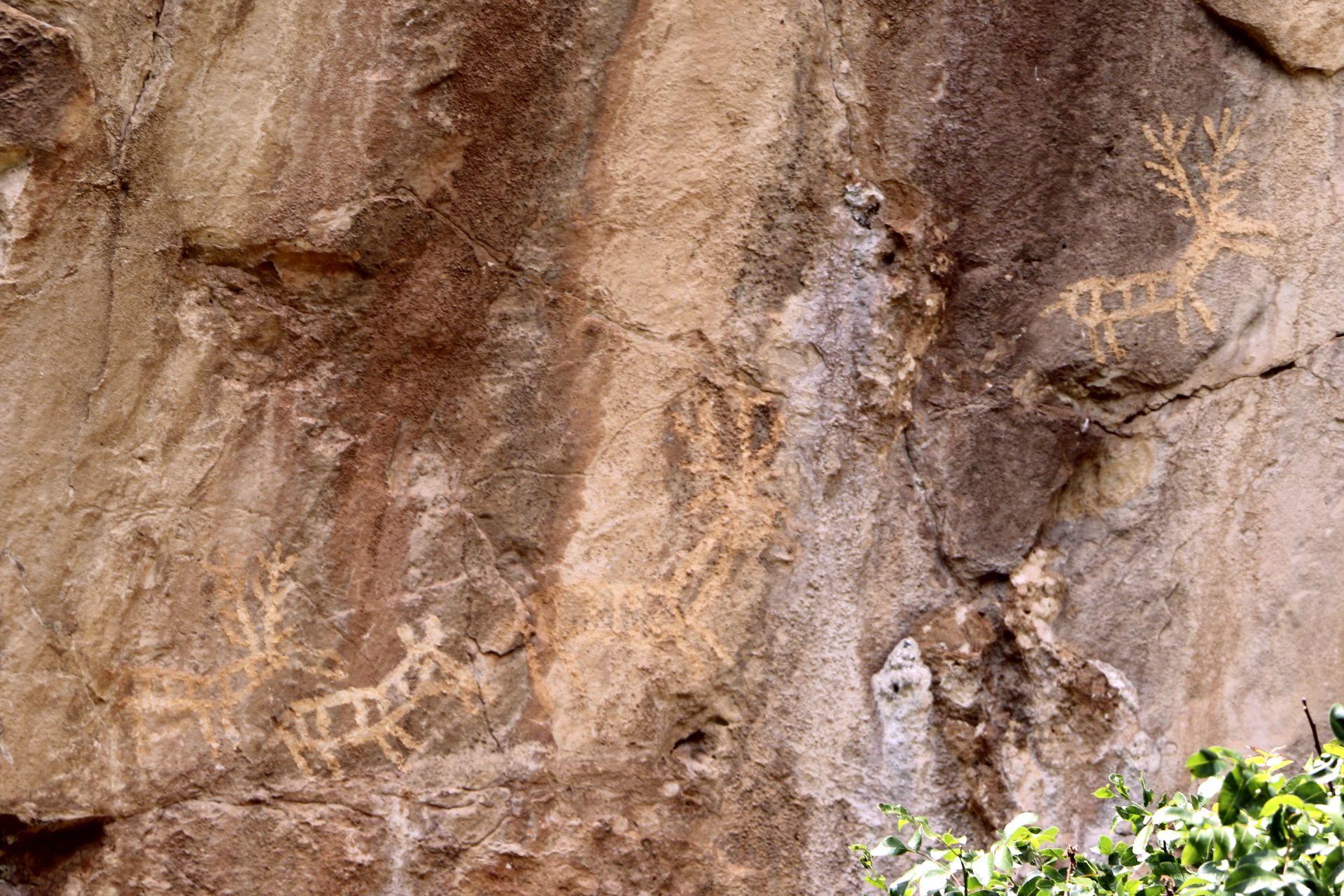
Five Bronze Age deer carved into a rock overhang above the quiet northern shore of the Bay of Kotor.
The Hunters of Lipci: A 3,000-Year-Old Story Hidden Above the Bay of Kotor
A short walk, an ancient rock face, and one of the Adriatic's oldest art
There's a moment, just above the little village of Lipci, when you stop and realise you're looking at something that by rights shouldn't still be here.
Etched into a pale limestone cliff, a stone's throw above the Bay of Kotor, are drawings made by human hands nearly 3,000 years ago. Two hunters on horseback, spears raised. Five stags and a single doe in full flight. A sun symbol. Geometric shapes nobody has fully decoded. They have outlasted earthquakes, empires and centuries of indifference. You stand beneath them, the Adriatic shimmering below, and the gap between their world and ours quietly closes in a way no museum display ever quite manages.
Whether you're the kind of traveller who lives for the next unmarked trail, or the kind who appreciates knowing that someone has thought of everything before you set off, this one is for you.
More than Venetian walls
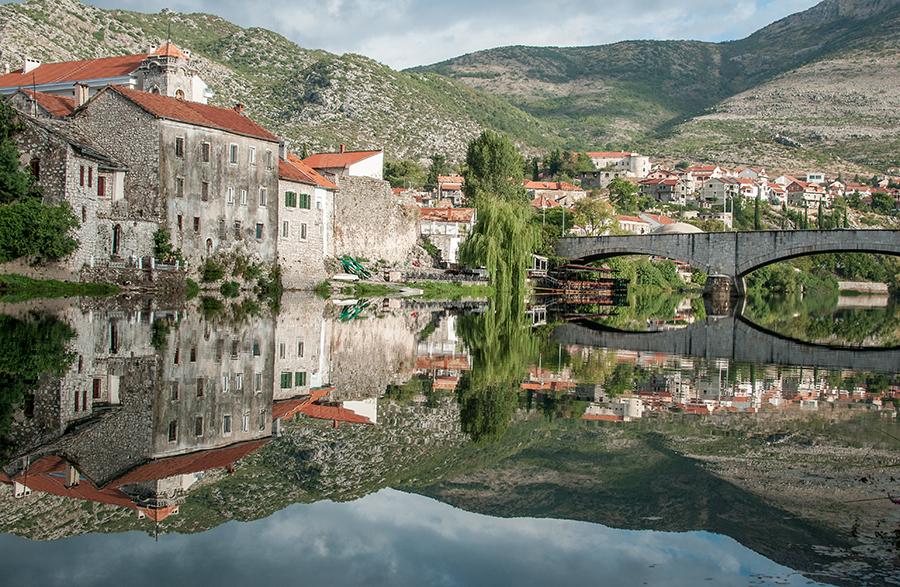
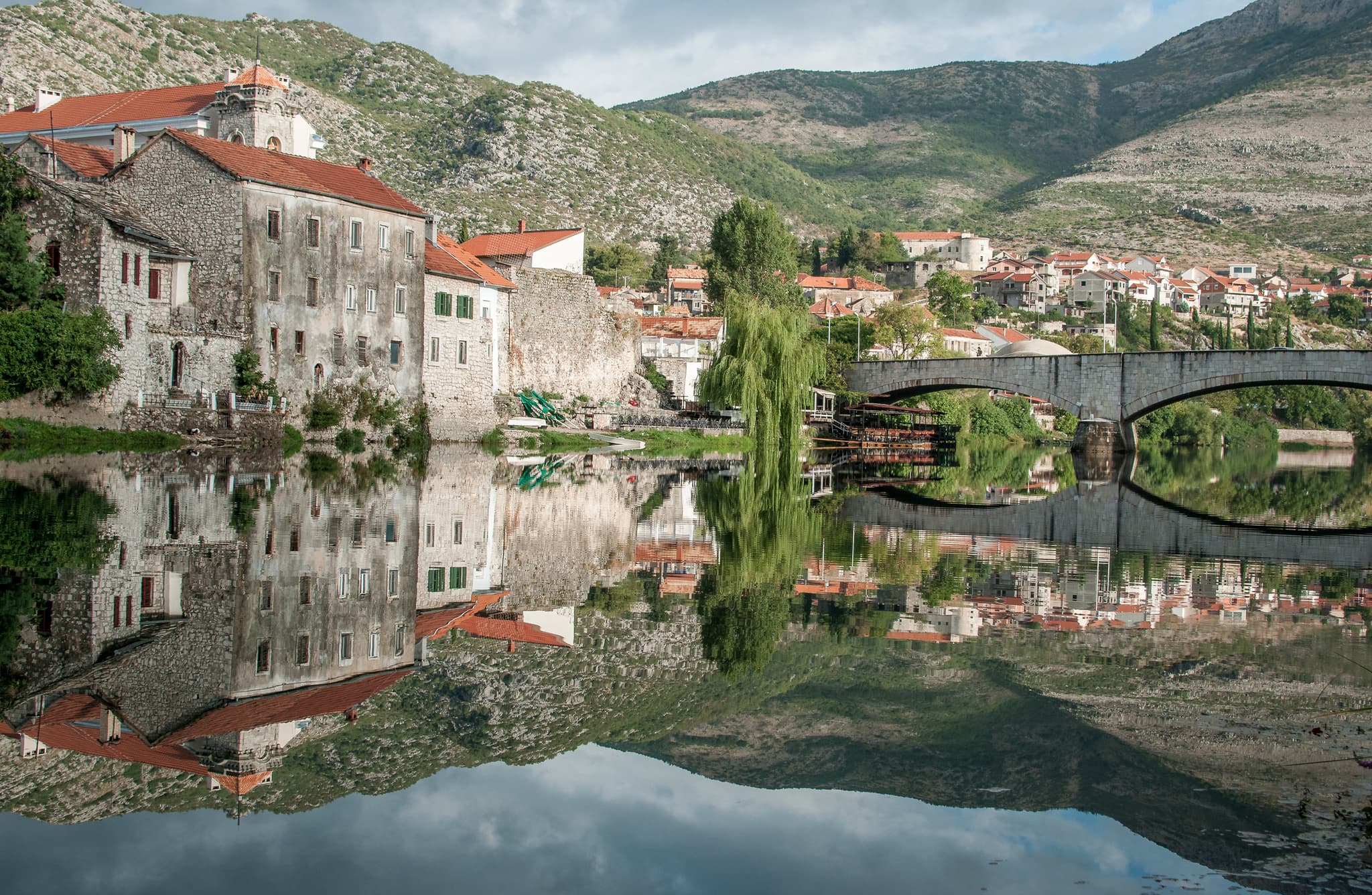
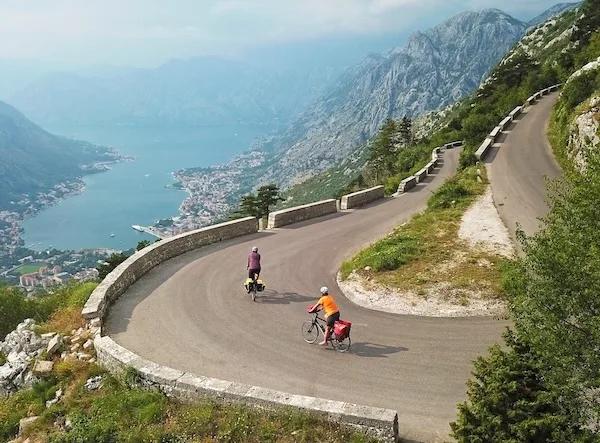
The Bay of Kotor is usually described through its Venetian palaces and medieval fortifications, and they deserve every bit of their fame. But people were drawn to this bay long before the Venetians arrived. The mountains that ring this actually a drowned river canyon rather than a fjord. It sheltered communities for millennia before anyone built a stone wall or traded salt.
The Lipci drawings are one of the most direct links we have to those people. They're not a ruin and they're not a reconstruction. They are the original marks, scratched with flint into the rock by people who knew this hillside the way you know your own street.
What you'll actually see
The drawings are dated to around the 8th century BC, which makes them the second-oldest rock art on the Adriatic coast and, according to local accounts, the most complete ensemble of prehistoric art in the Balkans. The best-known panel is a hunting scene: two riders closing in on a small herd of deer, one hunter mid-throw. The style is simple but anything but crude. The proportions of the animals and the sense of movement show people who had spent their lives watching deer.
Around the main scene you'll find a radiating sun motif and a scattering of geometric patterns. The geometric shapes are easy to spot at eye level; for the hunting scene, look up since it sits a couple of metres above the ground, slightly to one side. On a bright day the low-angled light makes all the difference, which is one more reason to go early.
What these images meant is still an open question. Perhaps a successful hunt worth remembering, perhaps a ritual, perhaps a way of saying this place is ours. That last impulse isn't so different from anything we do today.
A forgotten treasure, slowly rediscovered
For years Lipci was one of Montenegro's most overlooked sites. Marianne van Twillert, who writes the wonderful blog Living in Montenegro, described it back in 2016 as a "forgotten" treasure: a single tourist sign at the roundabout, then nothing. No markers, no information board, and an overgrown path that left plenty of disappointed visitors wondering whether they had walked past the drawings altogether.
Her article helped change that. Readers who followed her directions reported back over the following years, and things have gradually improved: the path has been cleared, small signs now point the way, and the site gets a little more of the attention it deserves. It's still refreshingly low-key. No ticket booth, no visitor centre, often nobody else there at all. Conditions on a site like this can change from season to season, which is exactly why local knowledge matters.
Getting there
Here's the good news for every fitness level: the drawings are only about a ten-minute walk from the coast road. They sit just south of Risan, near the roundabout where the road from Nikšić meets the coastal road. A narrow lane leads uphill past a few houses to the end of the asphalt, then a rocky footpath continues to a small cave with a stone wall in front. A few metres beyond it, the rock face opens up above you.
Short as it is, the path is uneven limestone, so proper footwear matters and between June and September a south-facing rock slope heats up fast by midday.
The real joy, though, is in turning Lipci into a longer day in this corner of the Bay:
Risan, a few minutes away, is one of the oldest continuously inhabited settlements on the eastern Adriatic. It was the seat of the Illyrian Ardiaei and later a Roman town, and its Roman mosaics which are sheltered under a modest roof in the centre. Morinj, just beyond Lipci, has a bakery, a couple of relaxed cafés and a small beach the perfect reward for a morning's exploring. Of if you fancy a delicious lunch or dining visit "Catovica Mlin" which is literally refreshingly located "above" of numberous wells. Perast, with its two tiny islands floating in the bay like punctuation marks, makes a calm, beautiful panoramic picture. Visit in the evening when day visitors left and and enjoy a great meal in one of the restaurants there.
After nearly two decades of designing tours in Montenegro and the wider Balkans, we've learned that the best adventures are the ones where you can still discover and enjoy a pioneering moment, because it is not that easy accessible and not found on instagram.
That means hand-picked, characterful places to stay in Perast or Risan; luggage that moves on without you; a pace set around you rather than a timetable; and e-bikes or private transfers for anyone who'd rather save their legs for the next viewpoint. Every itinerary is tailor-made, and thanks to more than 200 local partners which are family guesthouses, farmers, boat captains, winemakers, all the small details which make traveling exciting.
And places like Lipci treated with the respect they deserve: look closely, photograph freely, but never touch or trace the drawings. They have survived three thousand years; it's on all of us to make sure they survive the next three thousand.
Ready to meet the hunters of Lipci? Get in touch with our team and we'll tailor a Bay of Kotor adventure around you.
With thanks to Marianne van Twillert and her readers at Living in Montenegro, whose original article and on-the-ground updates helped put Lipci back on the map. https://montenegro-for.me/2016/05/the-forgotten-prehistoric-drawings-of-lipci/
Written by
The 3E Travel team