


Montenegro
8 days · Hiking
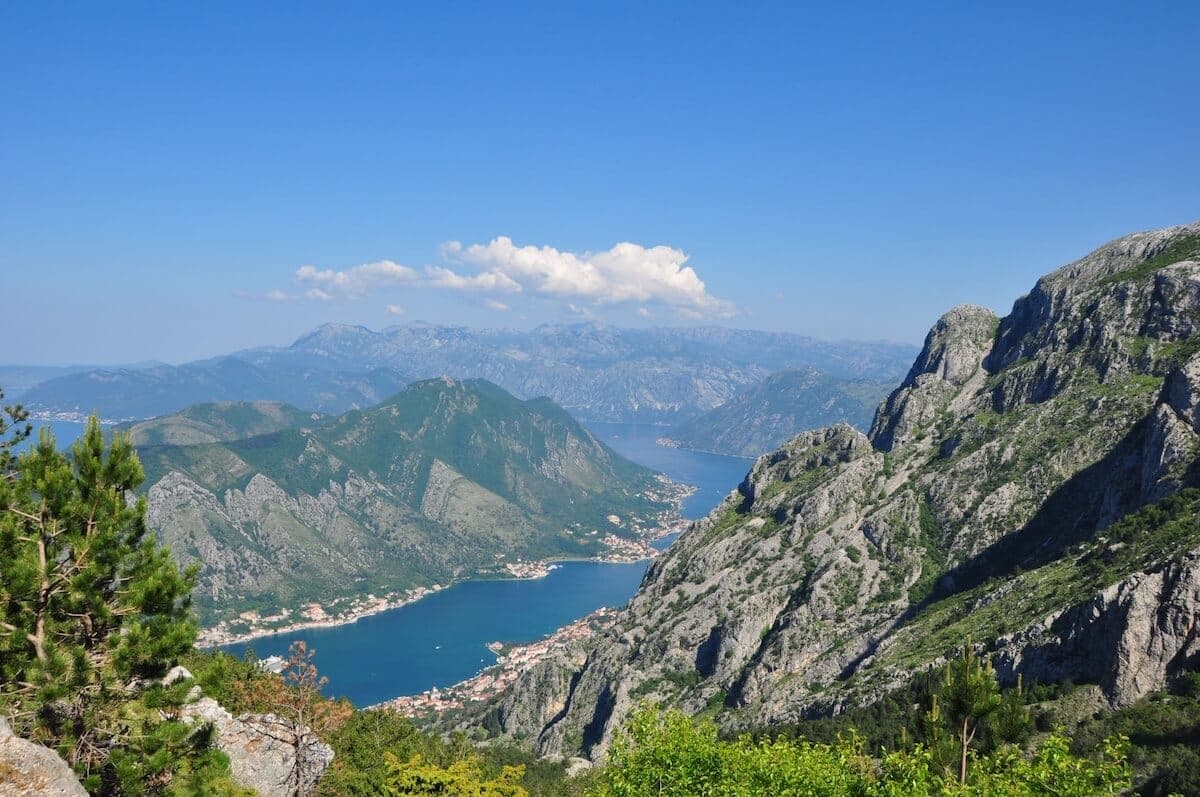
From the Bay of Kotor to Lake Skadar – Historical trade and military trails
▲▲▲▲▲Moderate
Walking · Hiking · Cycling · Montenegro
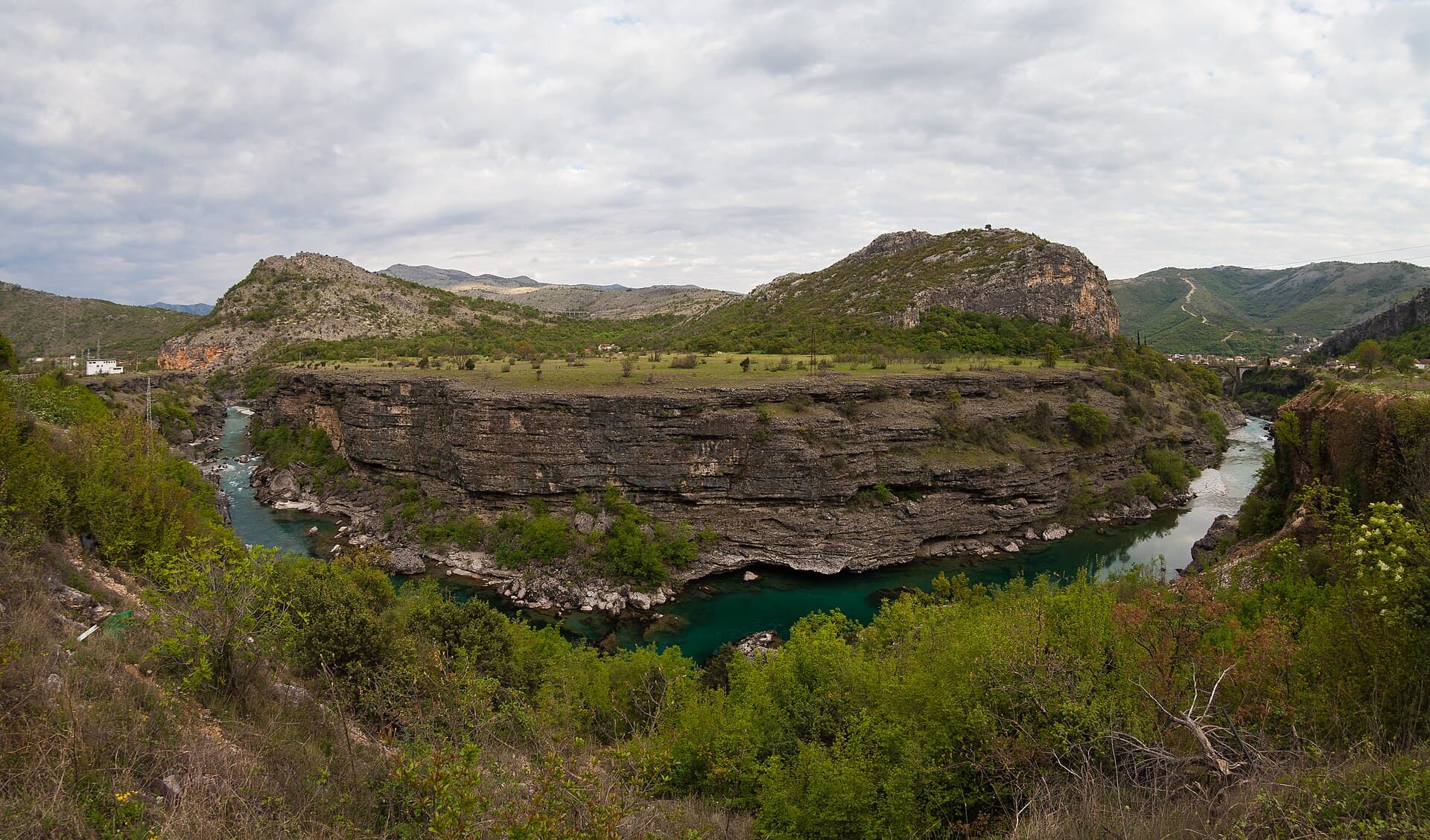
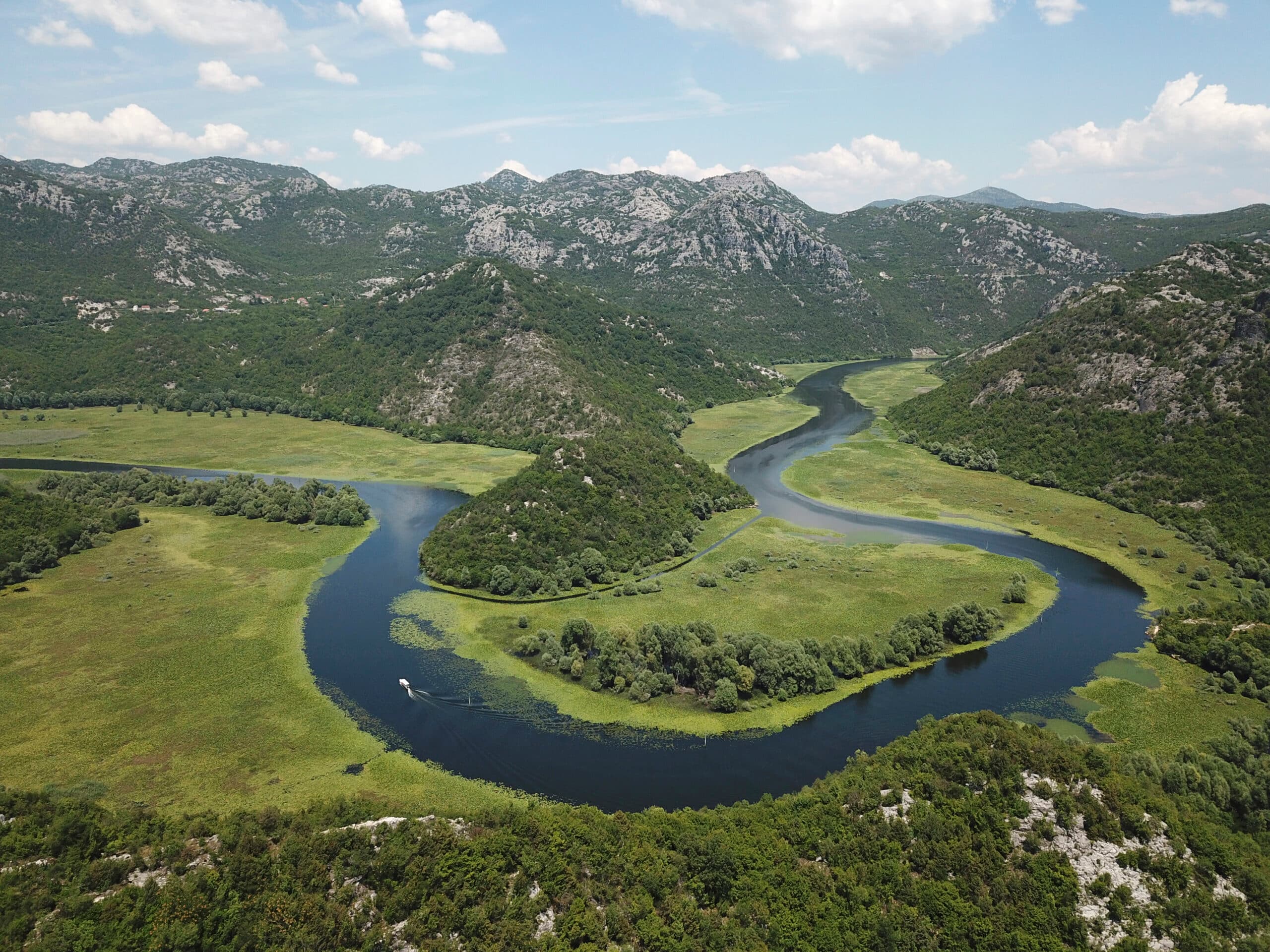
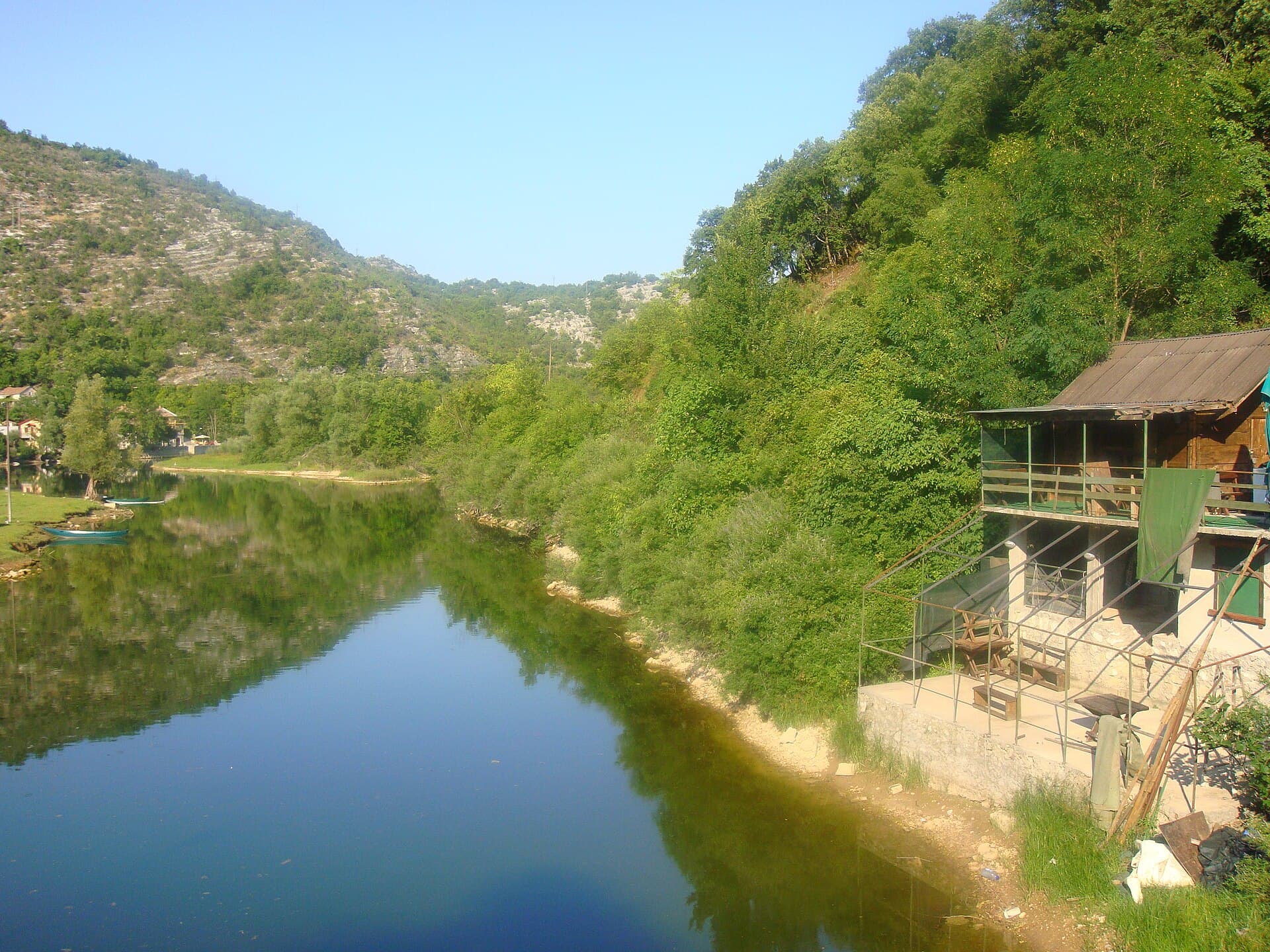
Walking, hiking and cycling holidays in Rijeka Crnojevića, self-guided or with a local guide. Rijeka Crnojevića is a village of roughly 175 people set on a horseshoe bend of the Crnojevića River, inside Lake Skadar National Park. It sits about 25 minutes from Podgorica and 20 from Cetinje, once Montenegro's busiest river port. The draw is a 43-metre stone bridge from 1853, the Pavlova Strana viewpoint over the river's loop, seasonal boat trips into the reedbeds, and a bird-rich wetland recognised internationally since 1989. It earns the journey for its quiet water, karst backdrop and layered history.
Why Rijeka Crnojevića
We've spent years walking, hiking and cycling across Rijeka Crnojevića in every season. The trips below are built around the routes that work — the quiet ones, the beautiful ones, the ones with great food at the end of the day.
If none of them quite fit, get in touch. We'll happily build you a private version, shaped around your interests, fitness and pace.
How we travel here
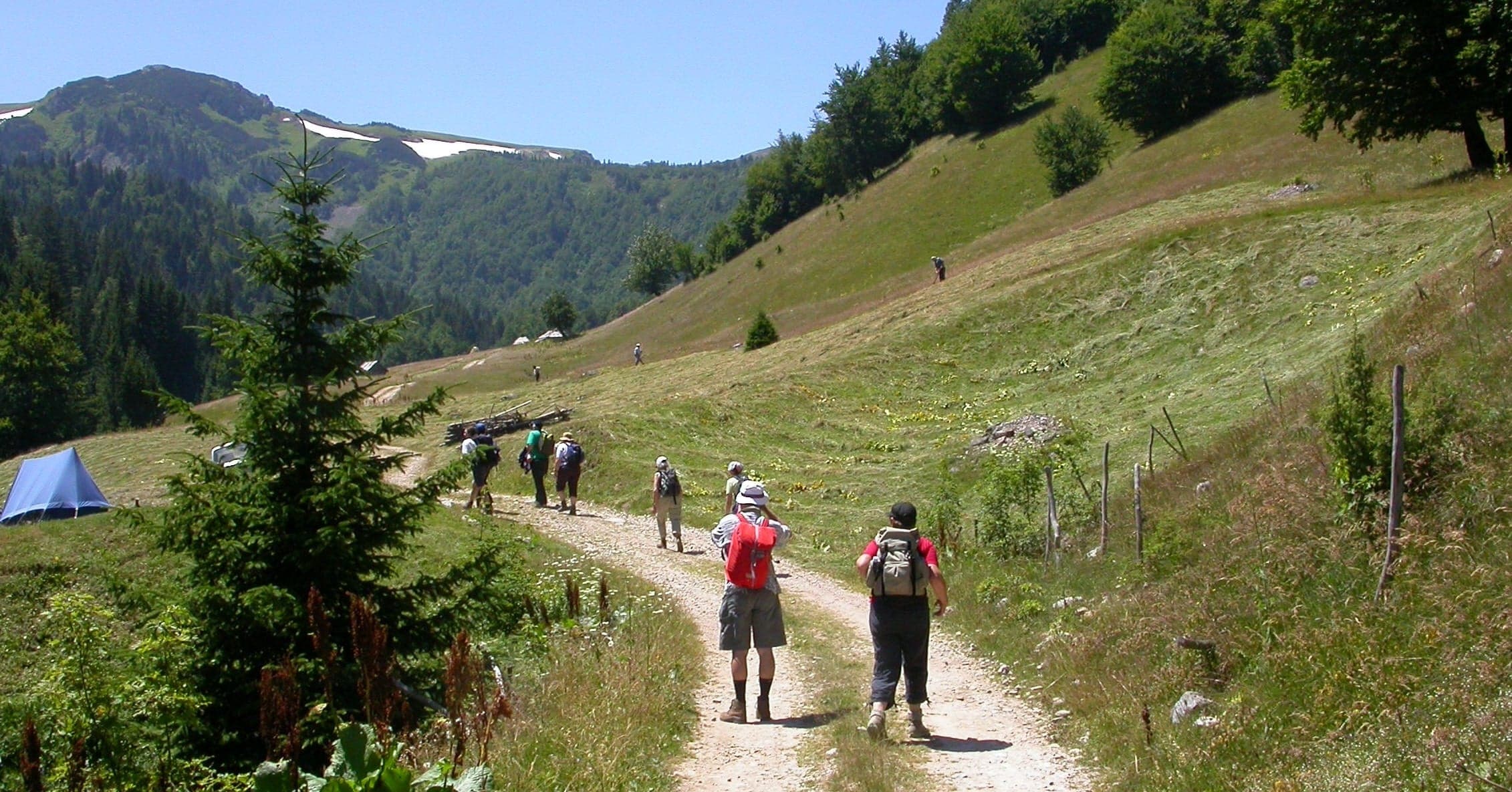
Walking
Coastal trails, village paths and slow days on foot, with time to stop.
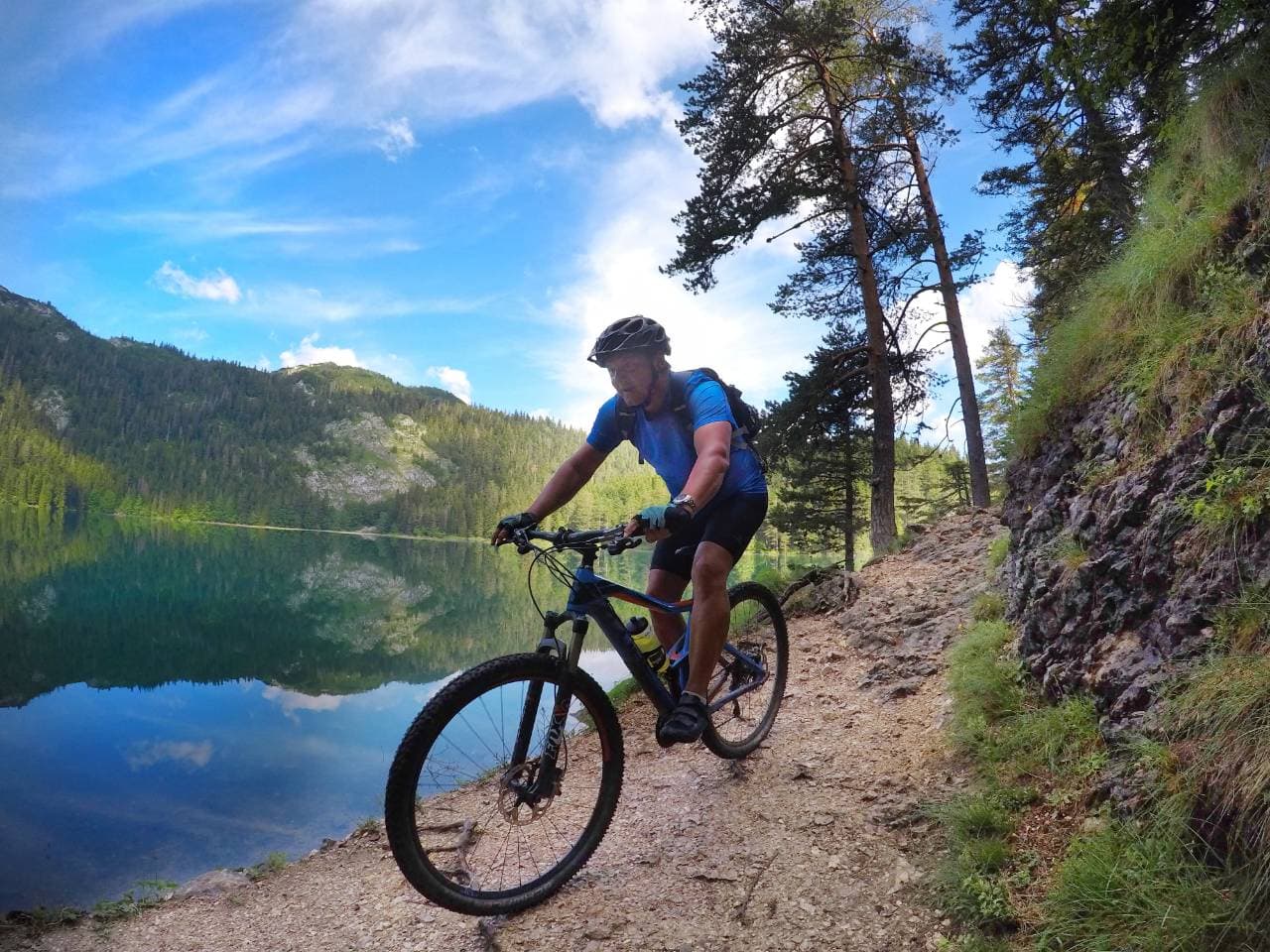
Hiking
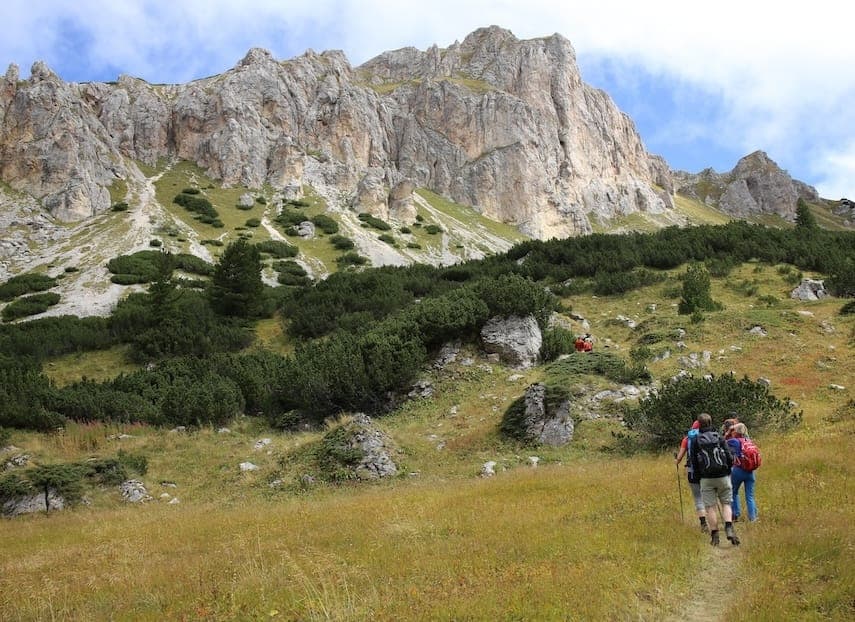
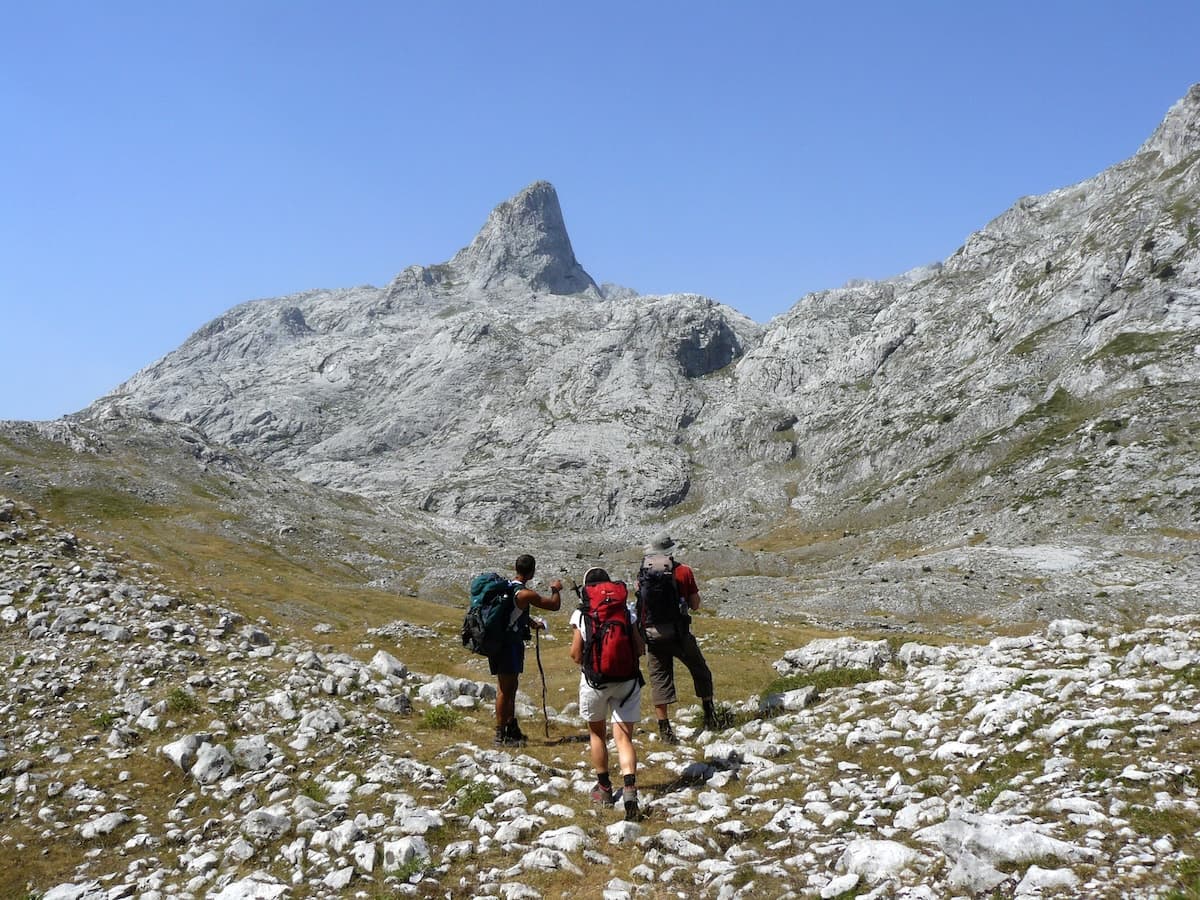
Mountain trails, hut-to-hut days and summit walks, graded honestly.
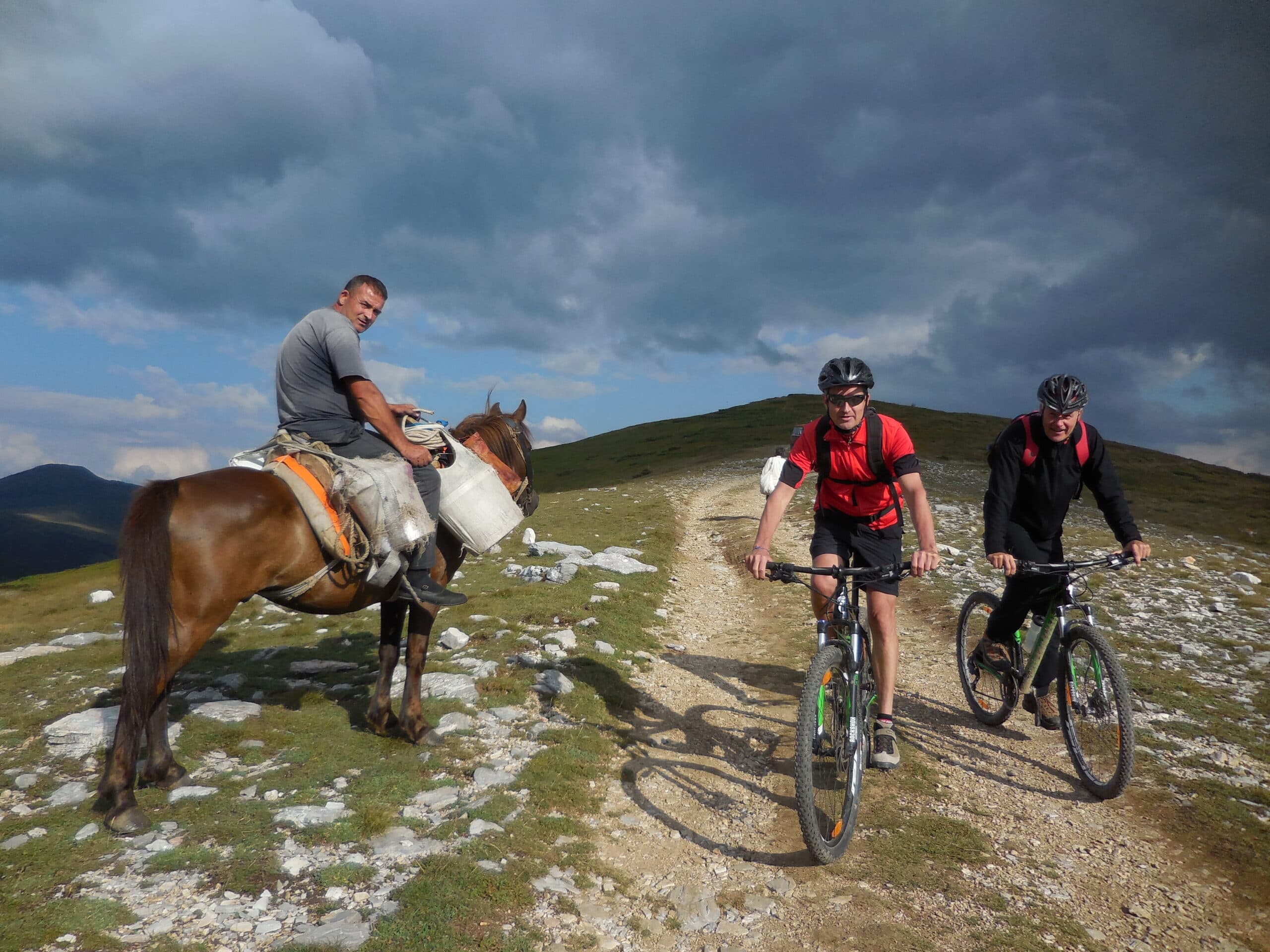
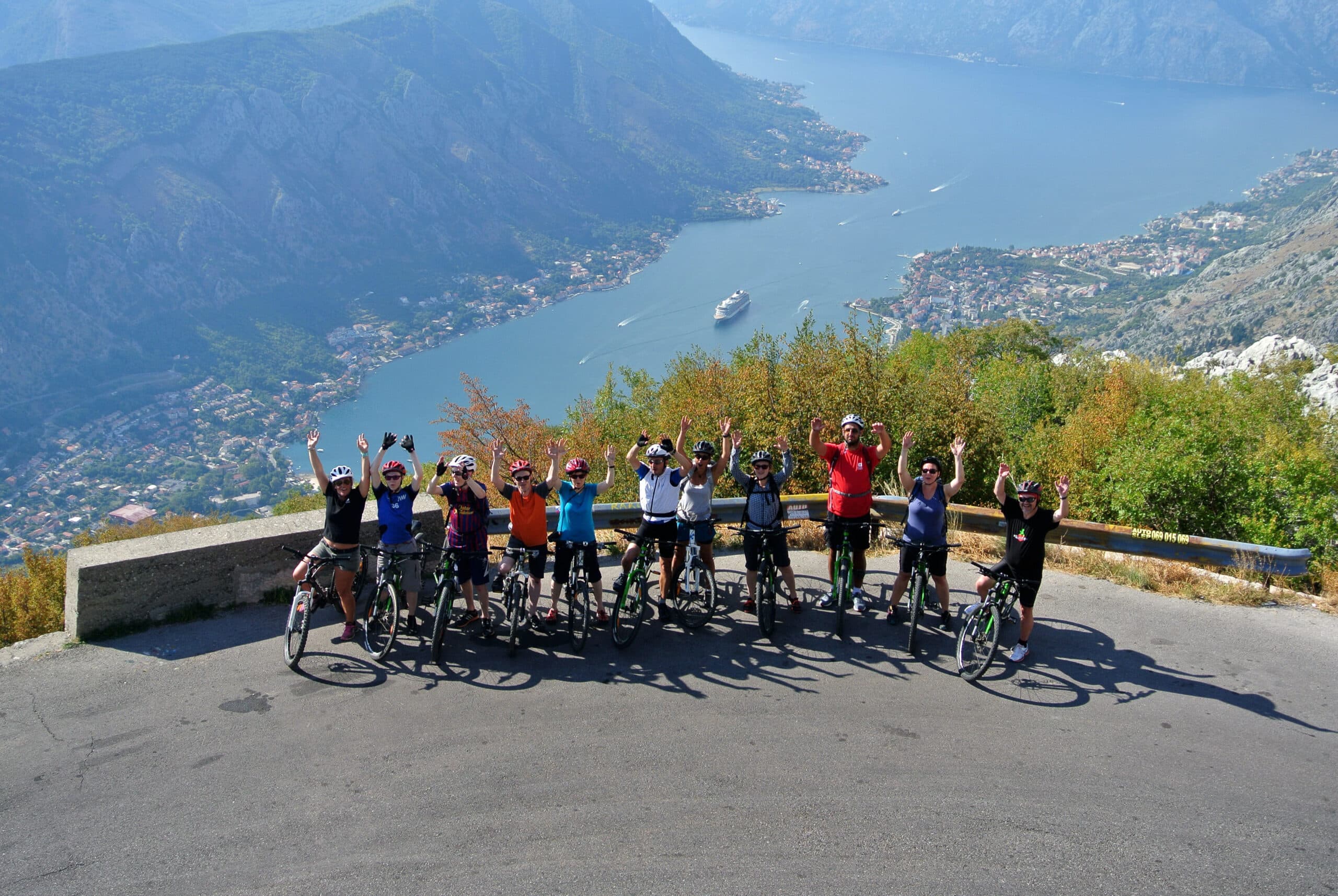
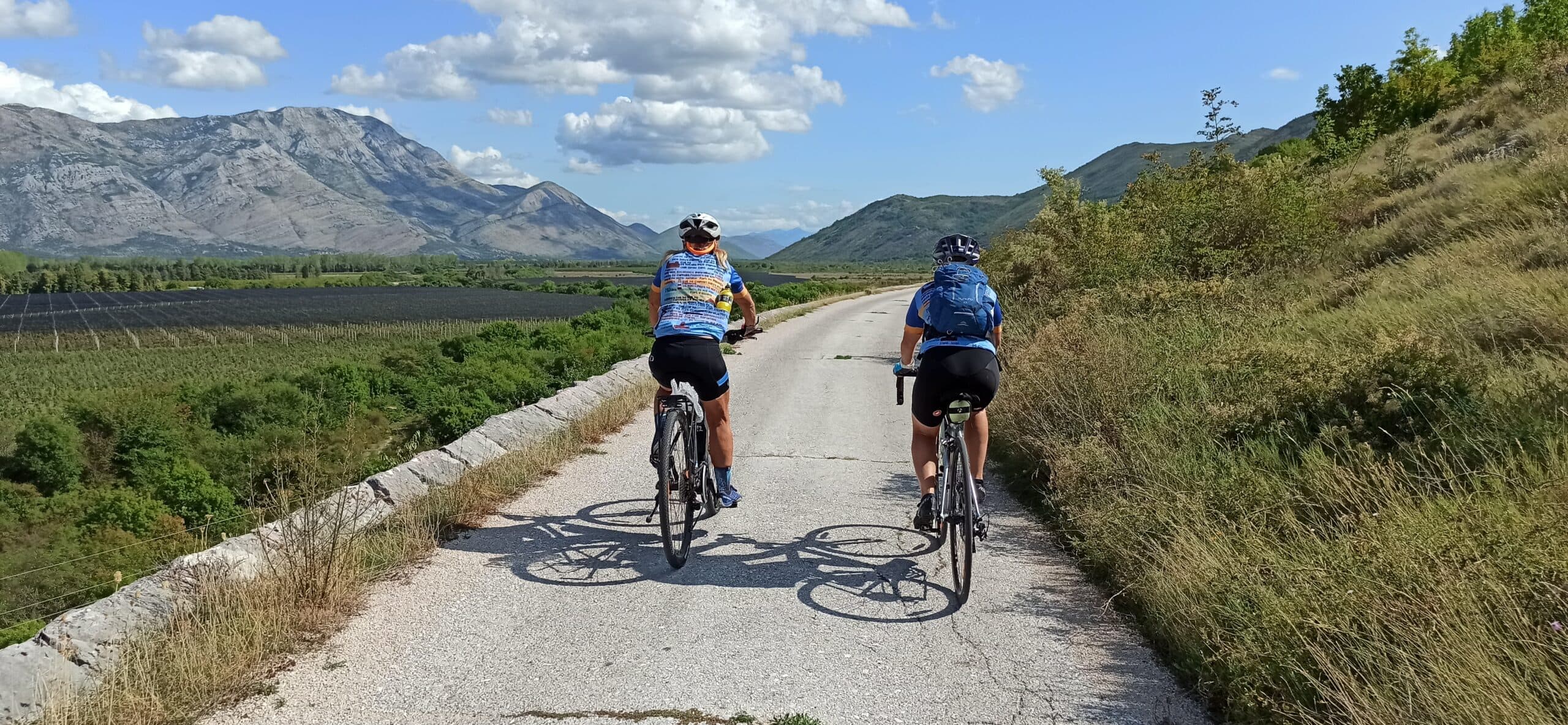
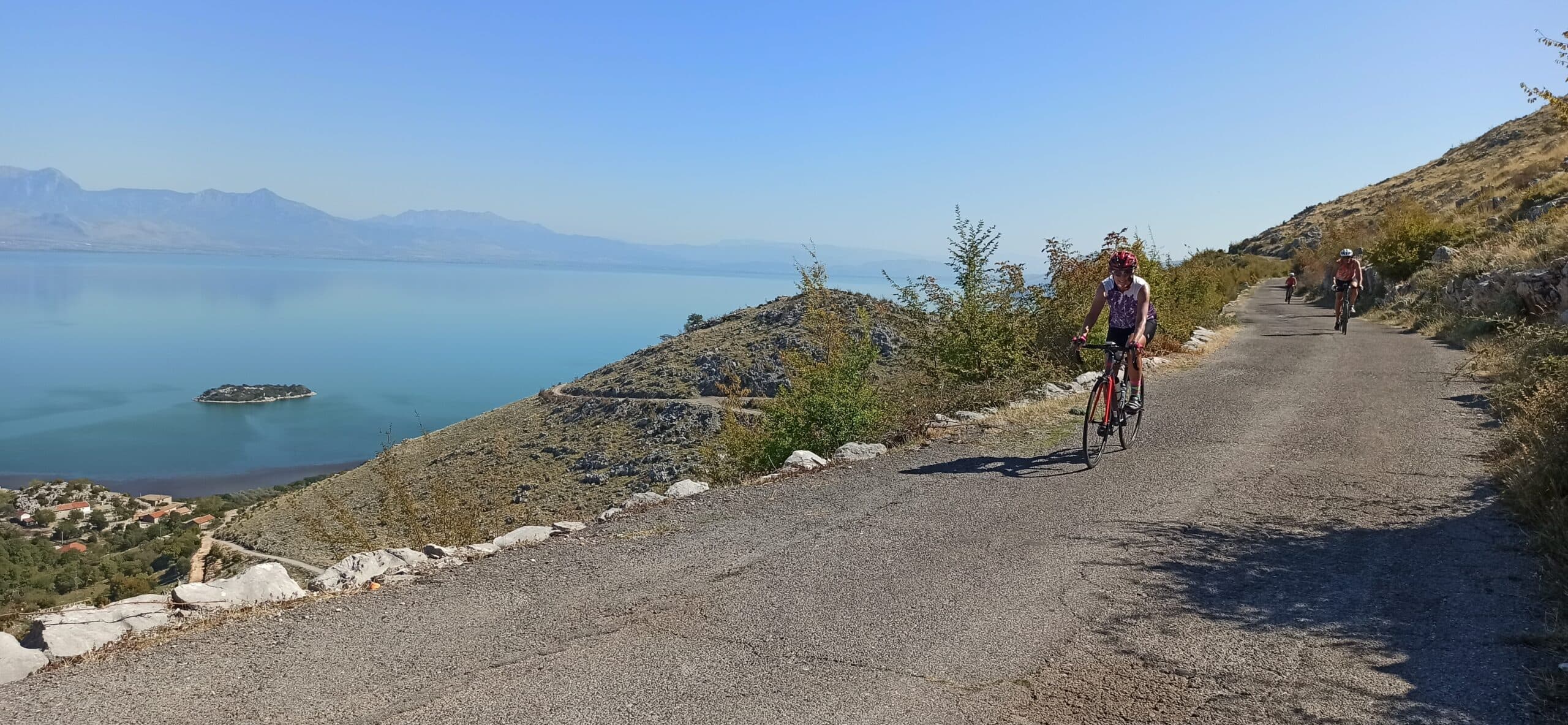
Cycling
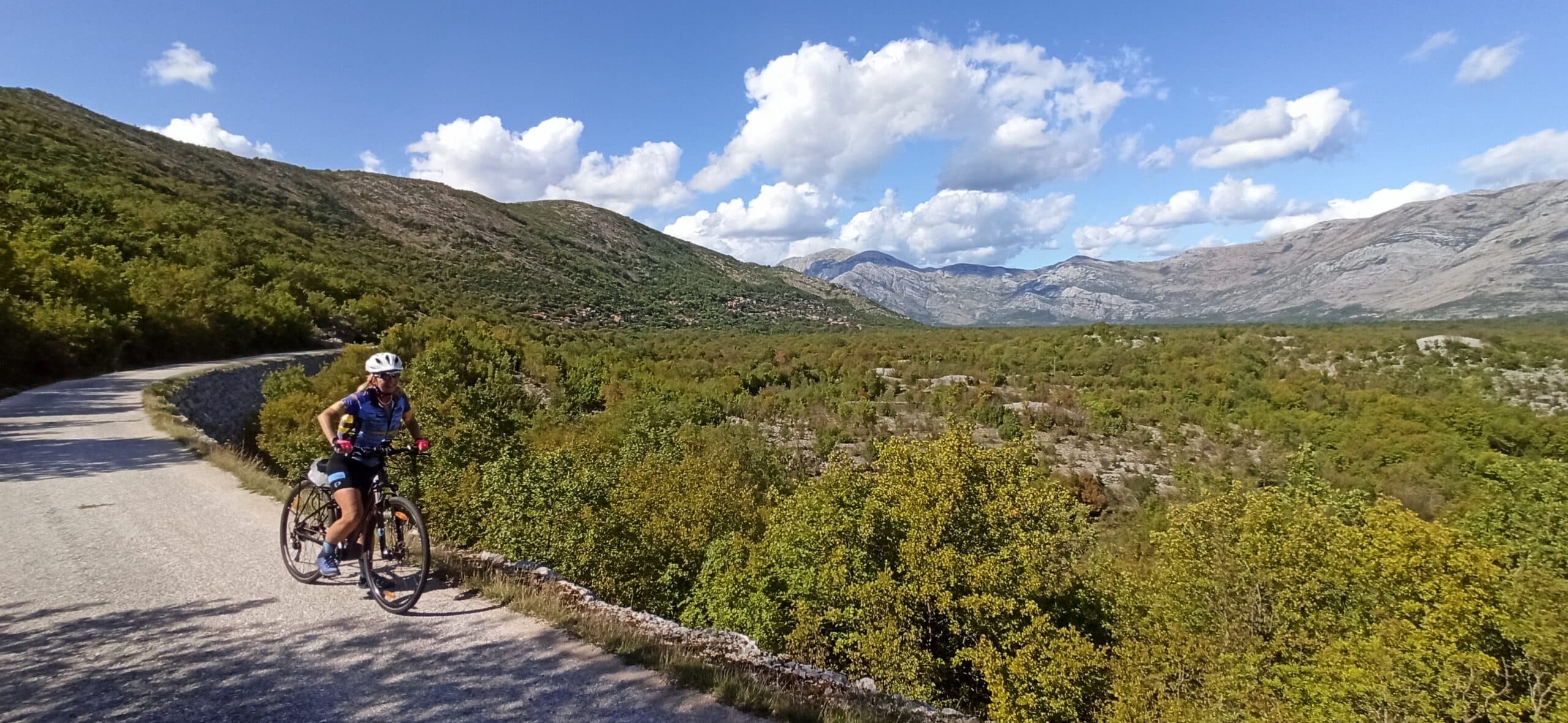
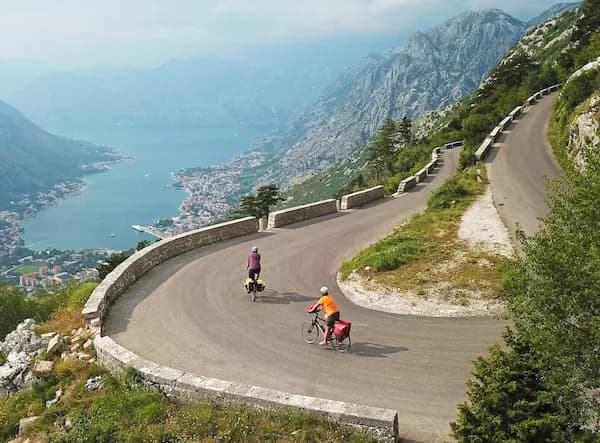
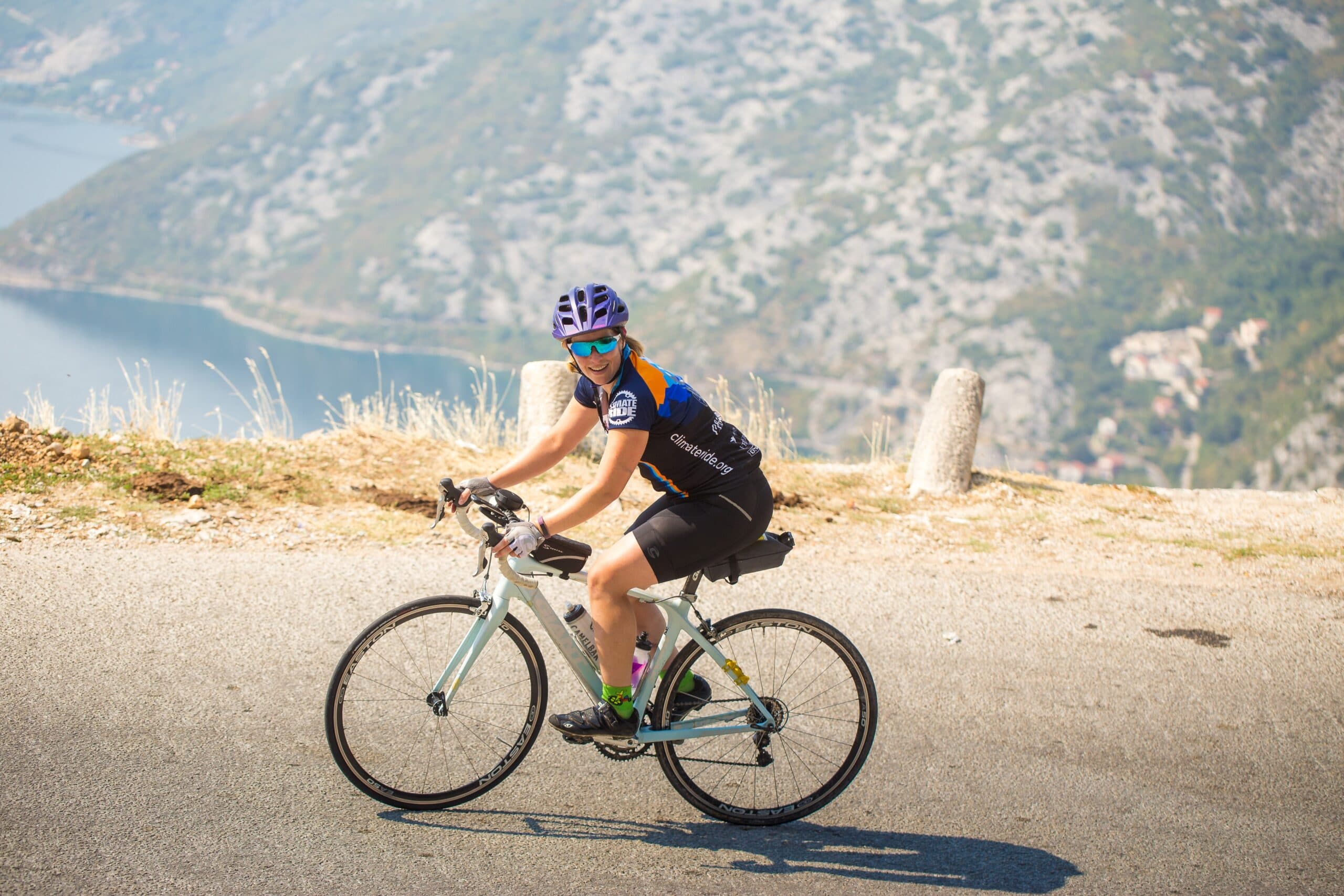
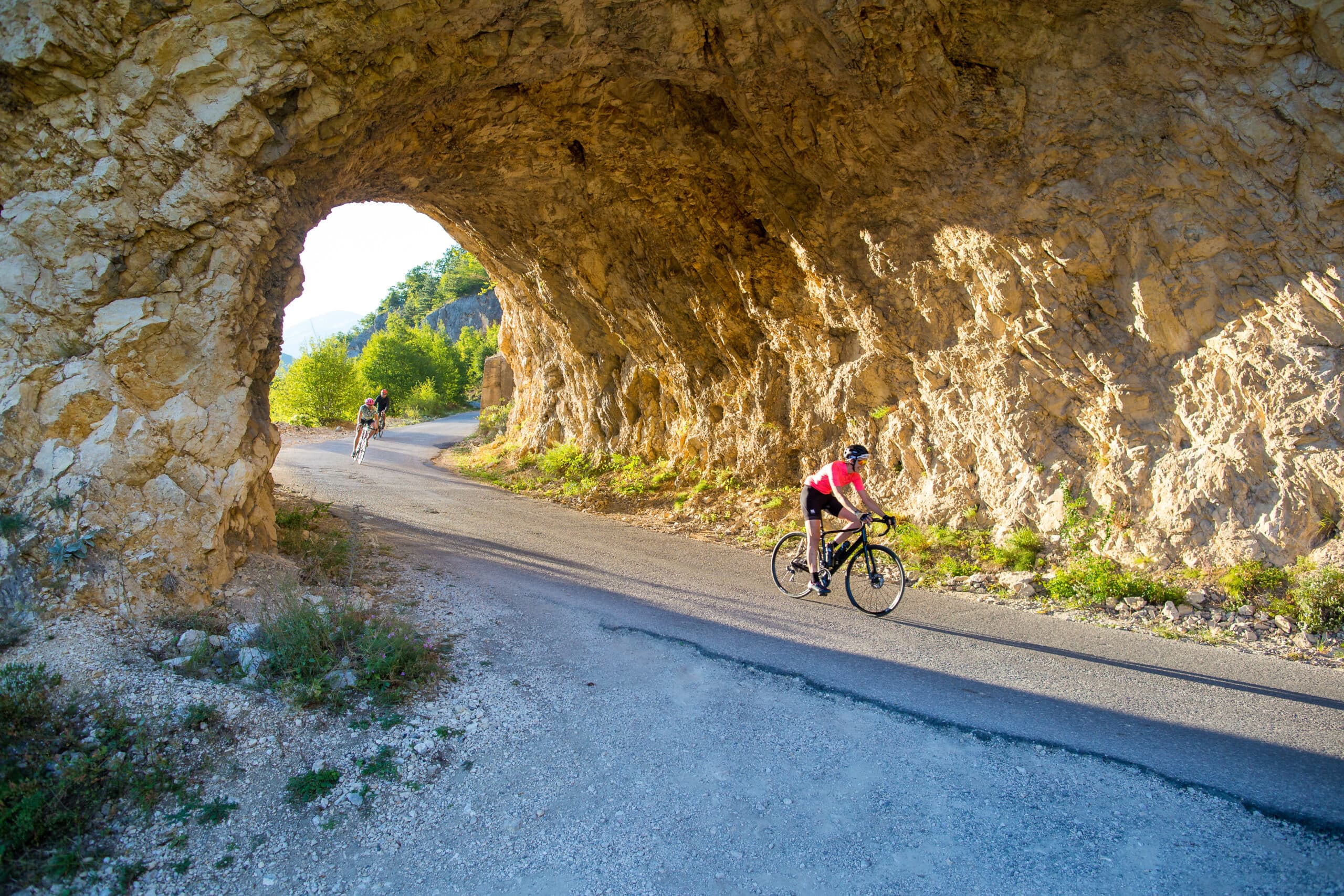
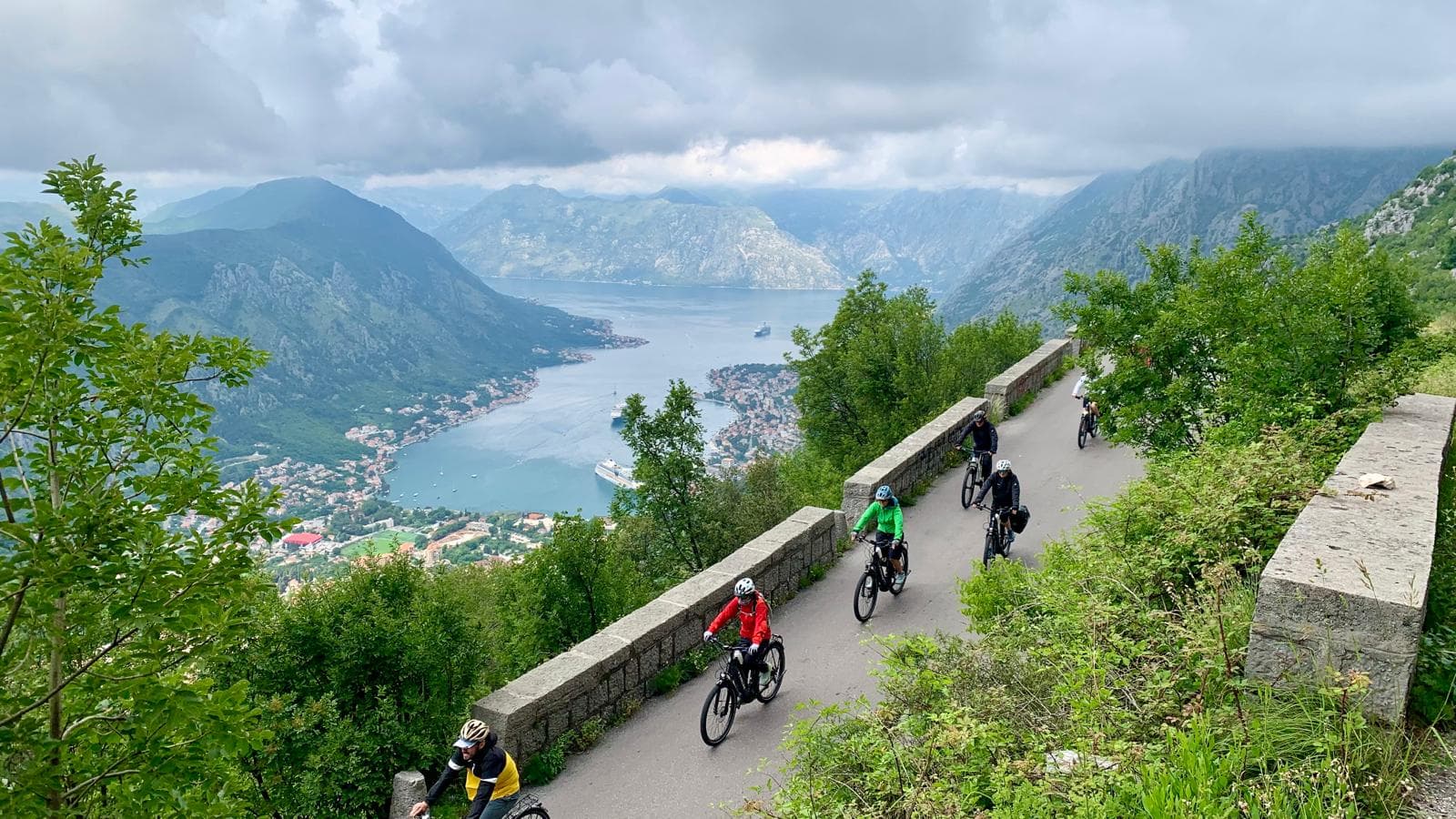
Quiet back roads and gravel routes — road, gravel and e-bike, with luggage moved between stays.
Travel guide
Rijeka Crnojevića lies in the northwest corner of Lake Skadar National Park, at roughly 42°21′N 19°02′E, administratively within the Old Royal Capital of Cetinje. The village itself holds no separate protected-area status; the surrounding park was proclaimed a National Park in 1983, gained IBA (Important Bird Area) status in 1989, and joined the Ramsar list of Wetlands of International Importance in 1995. The Montenegrin portion covers 40,000 hectares and takes in about two-thirds of the lake, whose water surface reaches 25,400 hectares. The lake runs up to 44 km long and 14 km wide, with a maximum depth of 8 m. At the start of the 15th century the site was tied to Ivan Crnojević, founder of Cetinje, and the hill above at Obod housed one of Europe's earliest Cyrillic printing houses (from 1493). Through the 19th and 20th centuries the village was Montenegro's largest port and a leading trade centre on Skadar's shores.
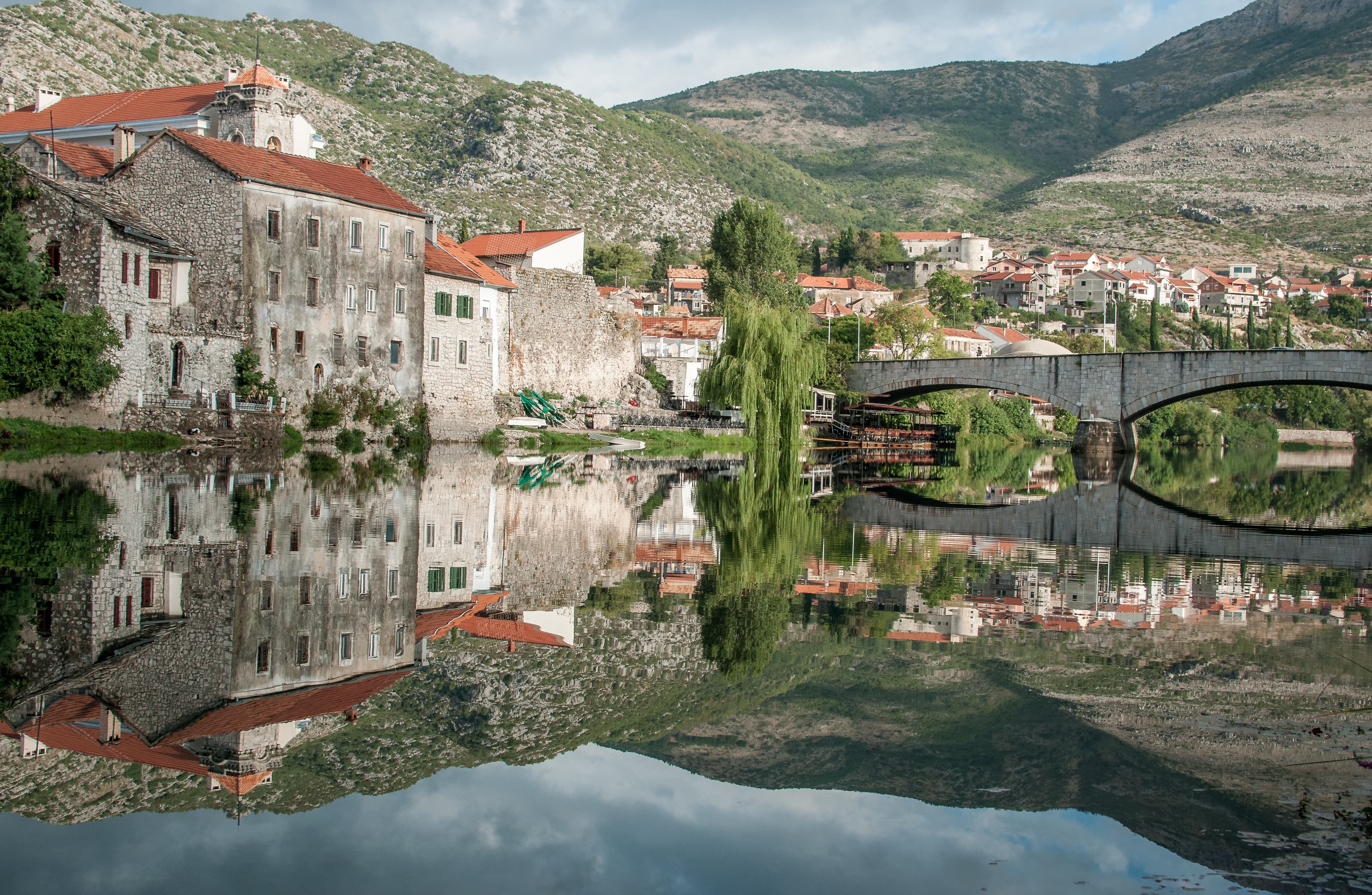
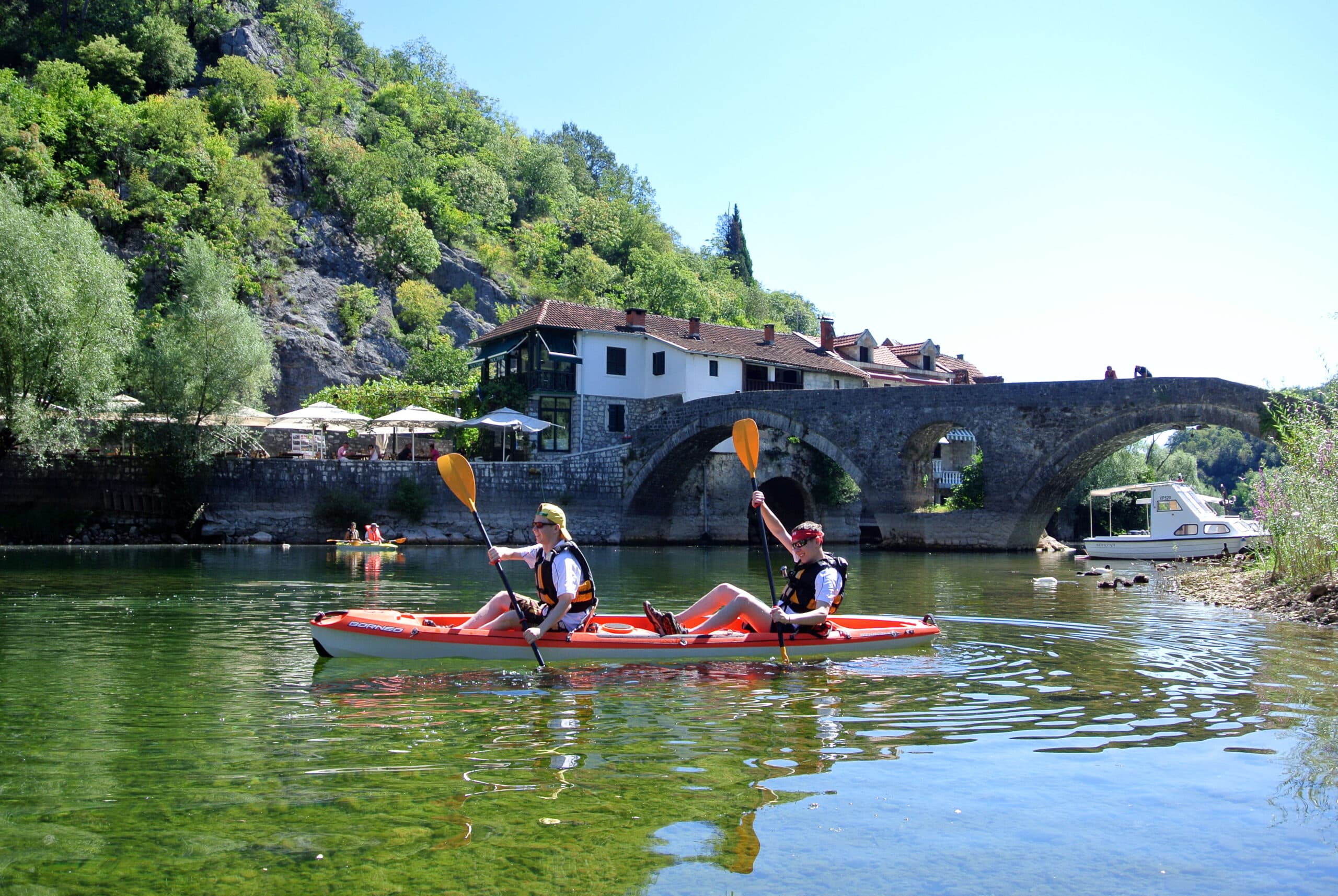
The centrepiece is the Old Bridge (Most na Rijeci Crnojevića), also called Danilo's Bridge, commissioned by Prince Danilo Petrović and opened in 1853. It is a limestone structure of three arches, 43 m long, its central arch raised to clear changing water levels and boat traffic. The bridge linked the village to the medieval town of Obod on the hilltop opposite, where Đurđe Crnojević launched a state printing house in 1493 — the second Cyrillic press in Europe. A plaque at the site records the first book, the Oktoih, begun in 1493 and completed on 4 January 1494; the press is listed as defunct in 1496. The best overview of the setting is Pavlova Strana, a roadside viewpoint on the Cetinje road with a small free car park and a short walk to the platform, looking down on the river's near-perfect horseshoe bend as it loops toward the open lake.
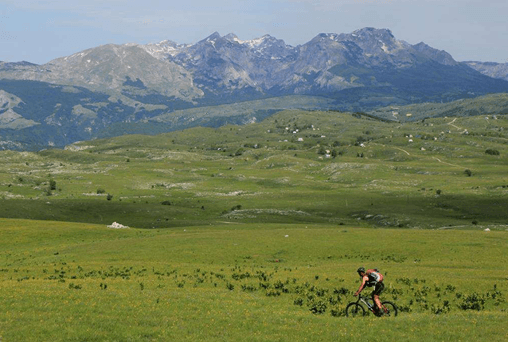
3E walks and rides every route it sells, and this corner of Lake Skadar National Park pairs quiet asphalt lanes with karst hills and the river's bends. The Cetinje–Podgorica road passes the marked turn for the village at the 16th kilometre from Cetinje, and Pavlova Strana sits beside that same road, reached on foot from its car park with no boat required. For water-level walking, the village quay and the Old Bridge give a compact circuit around the river bend. Distances toward Cetinje are short — about 17 km by car — which shapes the longer day options in the hills above the canyon.
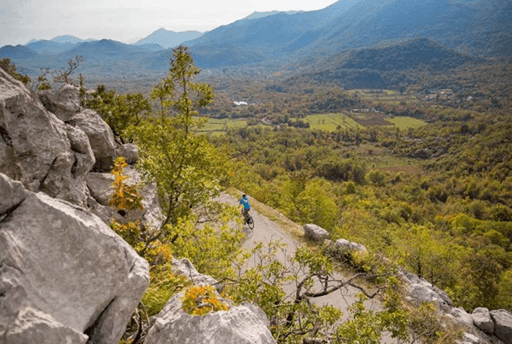
The nearest airport is Podgorica (TGD), 50 km and about 70 minutes away by transfer. There is no direct public transport to the village: buses and the railway reach Virpazar on the eastern side of the lake instead, so a car or private transfer is the practical way in. By road the village is roughly 25 minutes from Podgorica and 20 from Cetinje; the distance to Cetinje is about 17 km. From the coast, both Kotor and Budva are around 50 minutes over the mountains via Cetinje. Look for the signed turn on the Cetinje–Podgorica road at the 16th kilometre from Cetinje. Free public parking sits near the village entrance; in July and August, arrive before 11:00 to find a space.
Entry to Lake Skadar National Park is €5 per day in 2026 (the same daily rate as Durmitor; Biogradska Gora is €4). Boat trips leave from the village quay and run mostly from spring to autumn, typically lasting two to four hours depending on route and water levels — one operator's two-hour full tour runs at €125, threading the reeds before reaching the lily pads of the open lake and passing sunken trade boats. Water level matters for both boats and views: it peaks around 9.8 m in the wet season and does not fall below 4.7 m, with the lake spreading to some 530 km² at its highest. Peak visitor months are July and August, when early arrival eases parking. Spring and autumn suit birdwatching and quieter water.
Our journeys
21 journeys planned by our team in Podgorica — from gentle coastal weeks to high-mountain crossings.
Build your own trip →8 days · Hiking
7 days · Hiking
8 days · Cycling
7 days · Cycling
8 days · Cycling
8 days · Hiking
8 days · Cycling
7 days · Cycling
7 days · Hiking
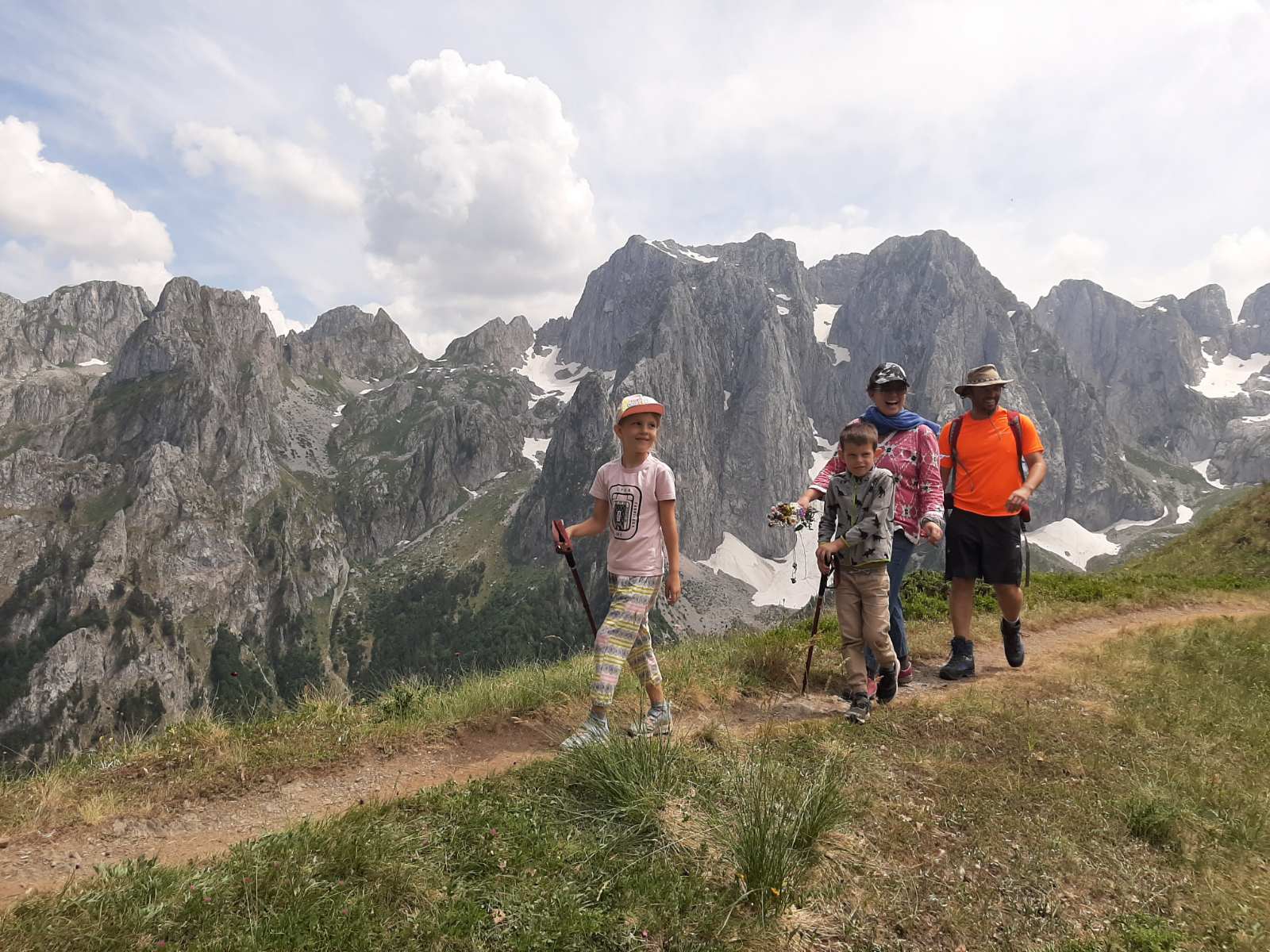
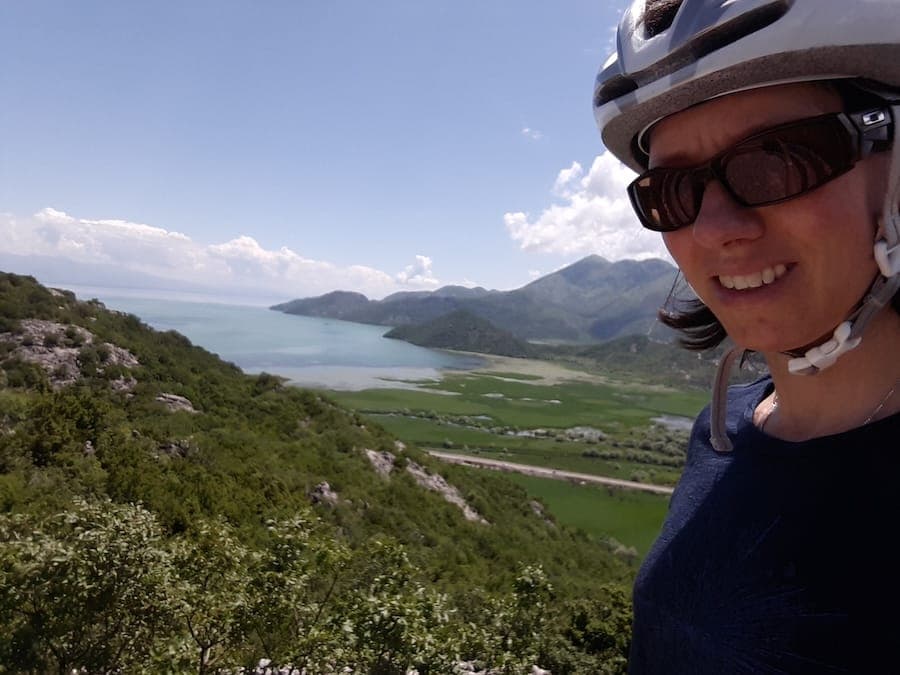
1 day · Cycling
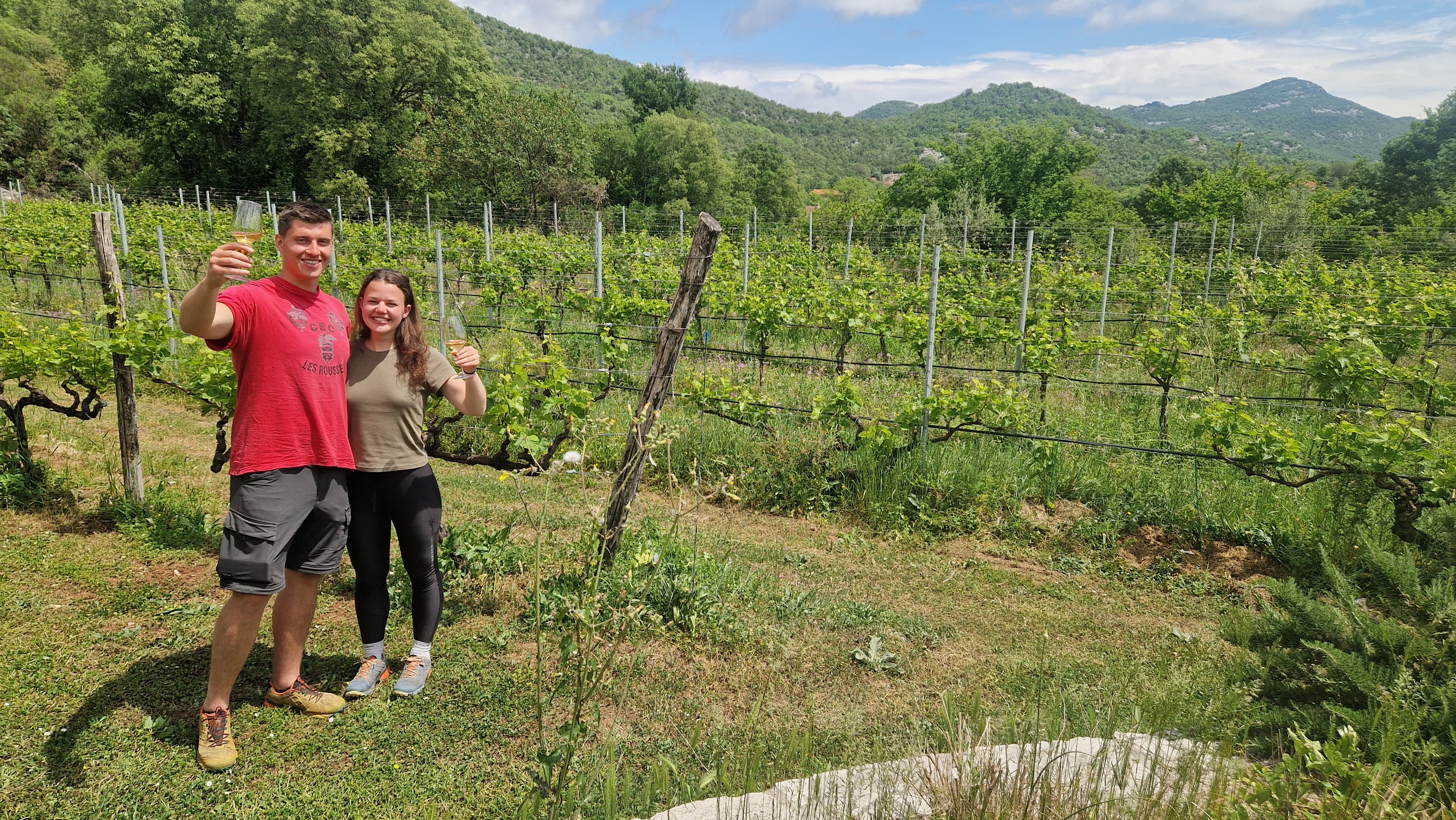
1 day · Cycling
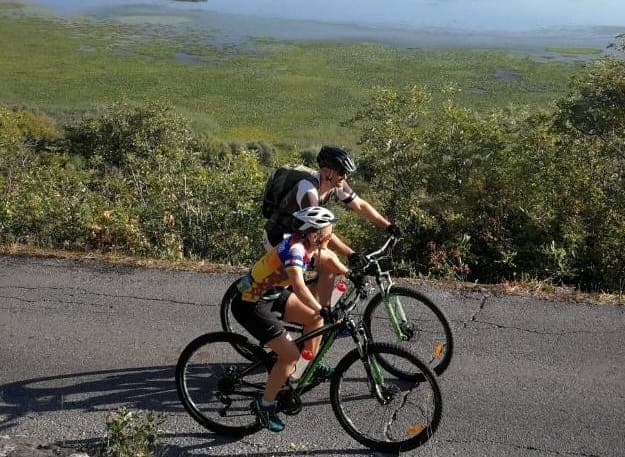
1 day · Cycling
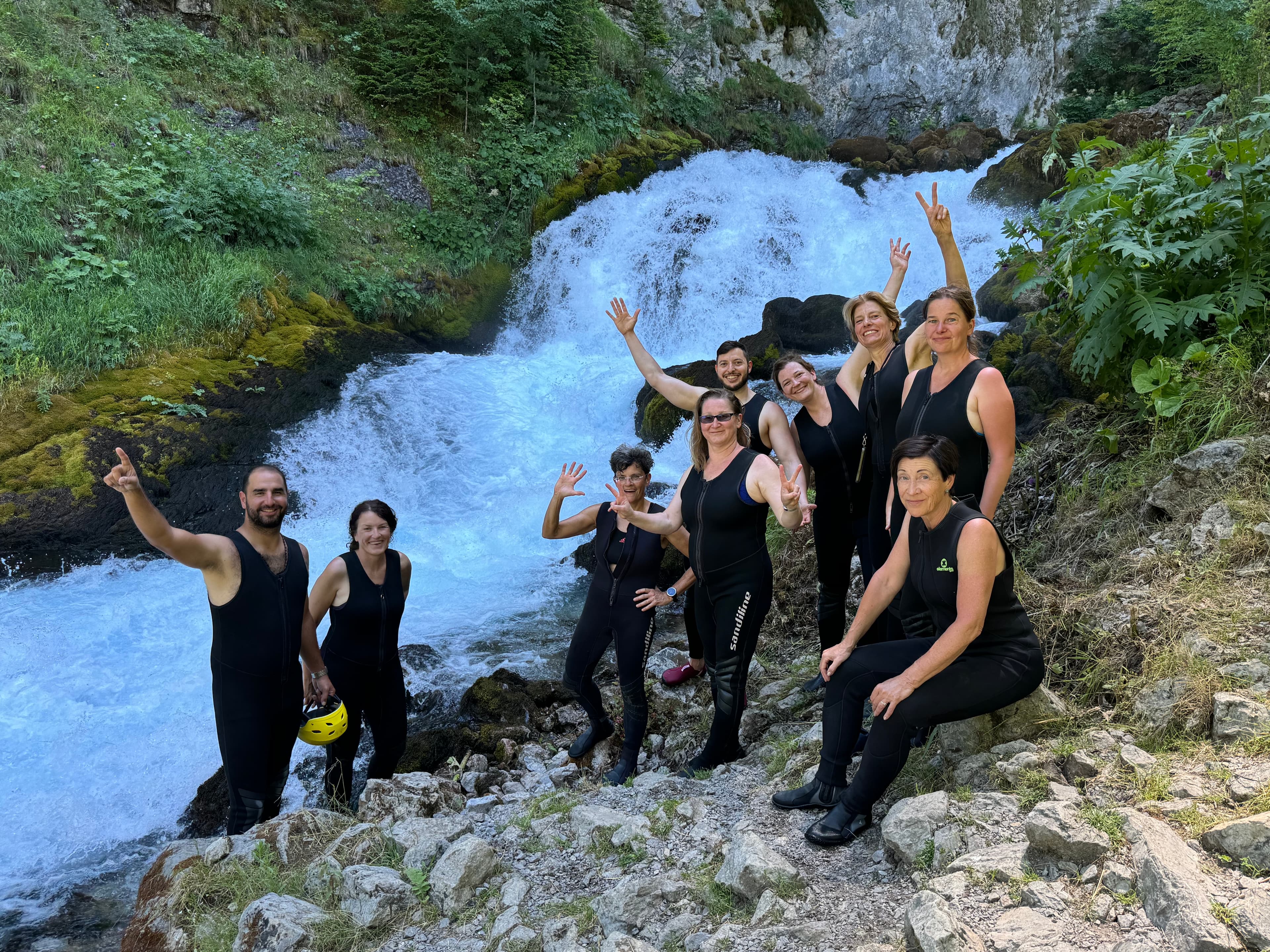
9 days · Cycling
8 days · Cycling
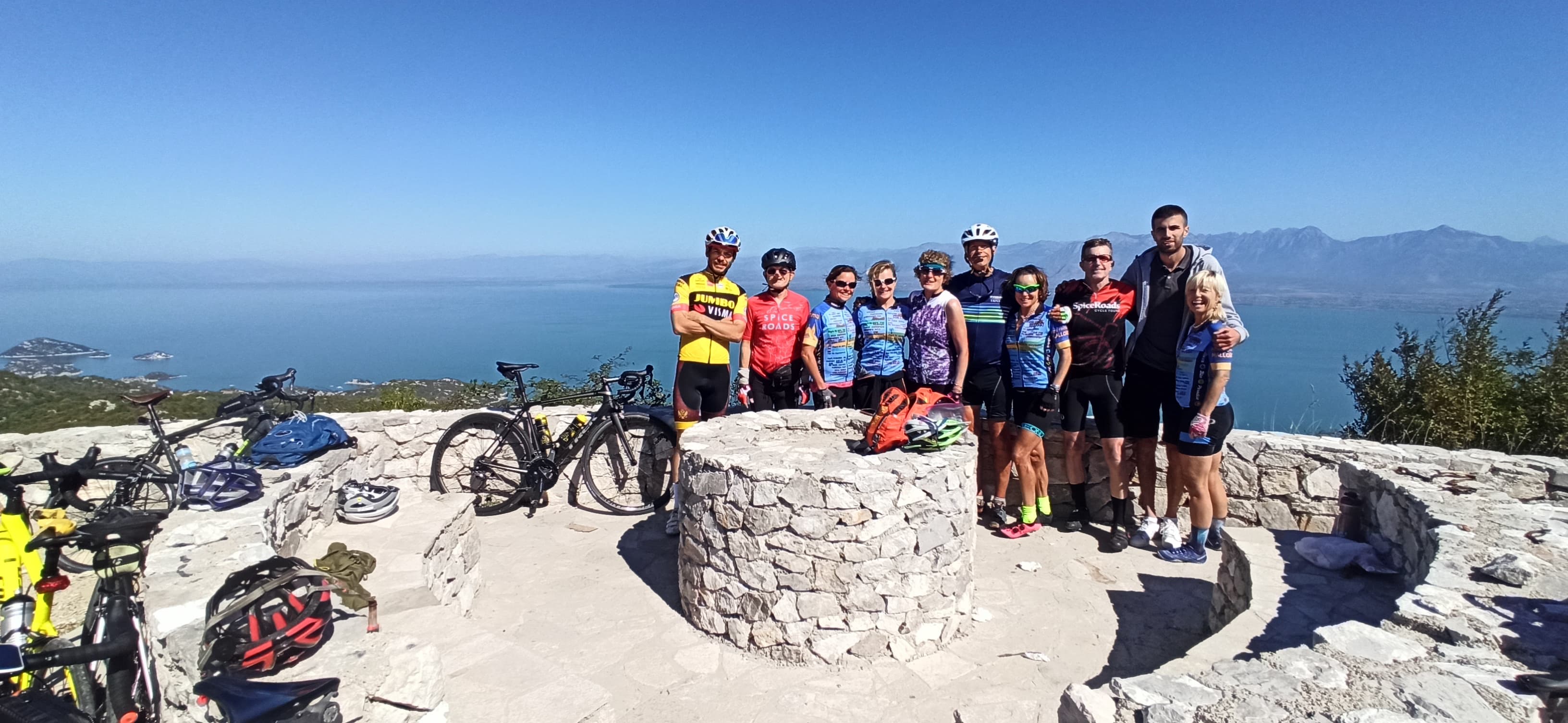
7 days · Cycling
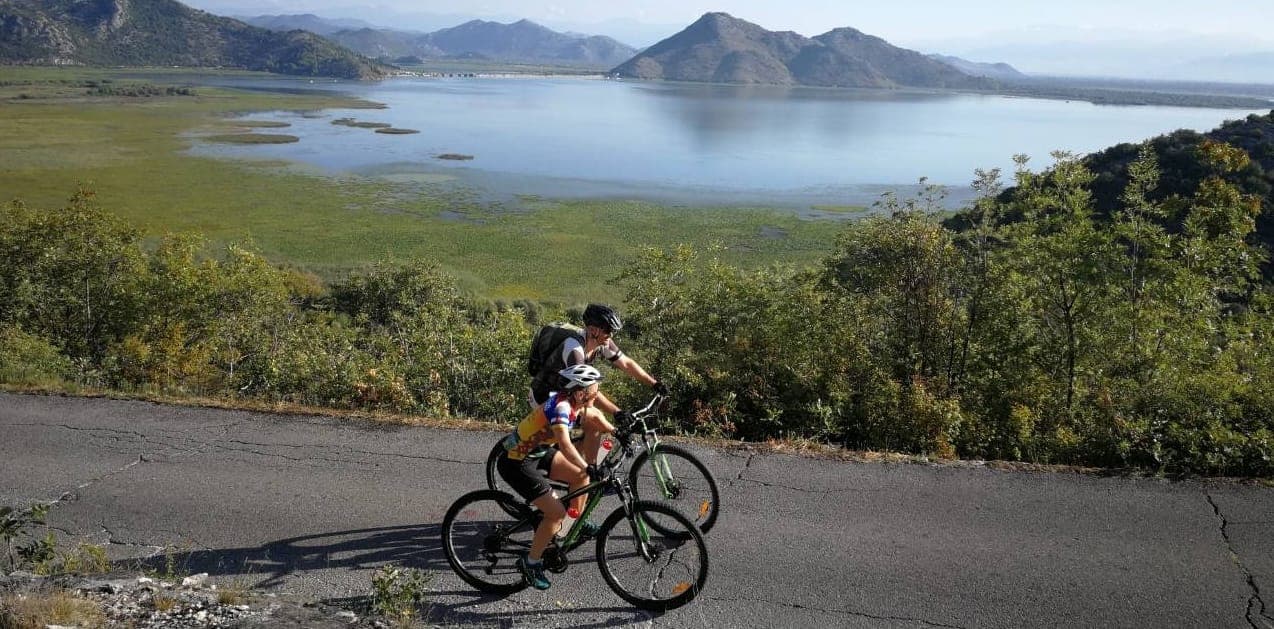
7 days · Cycling
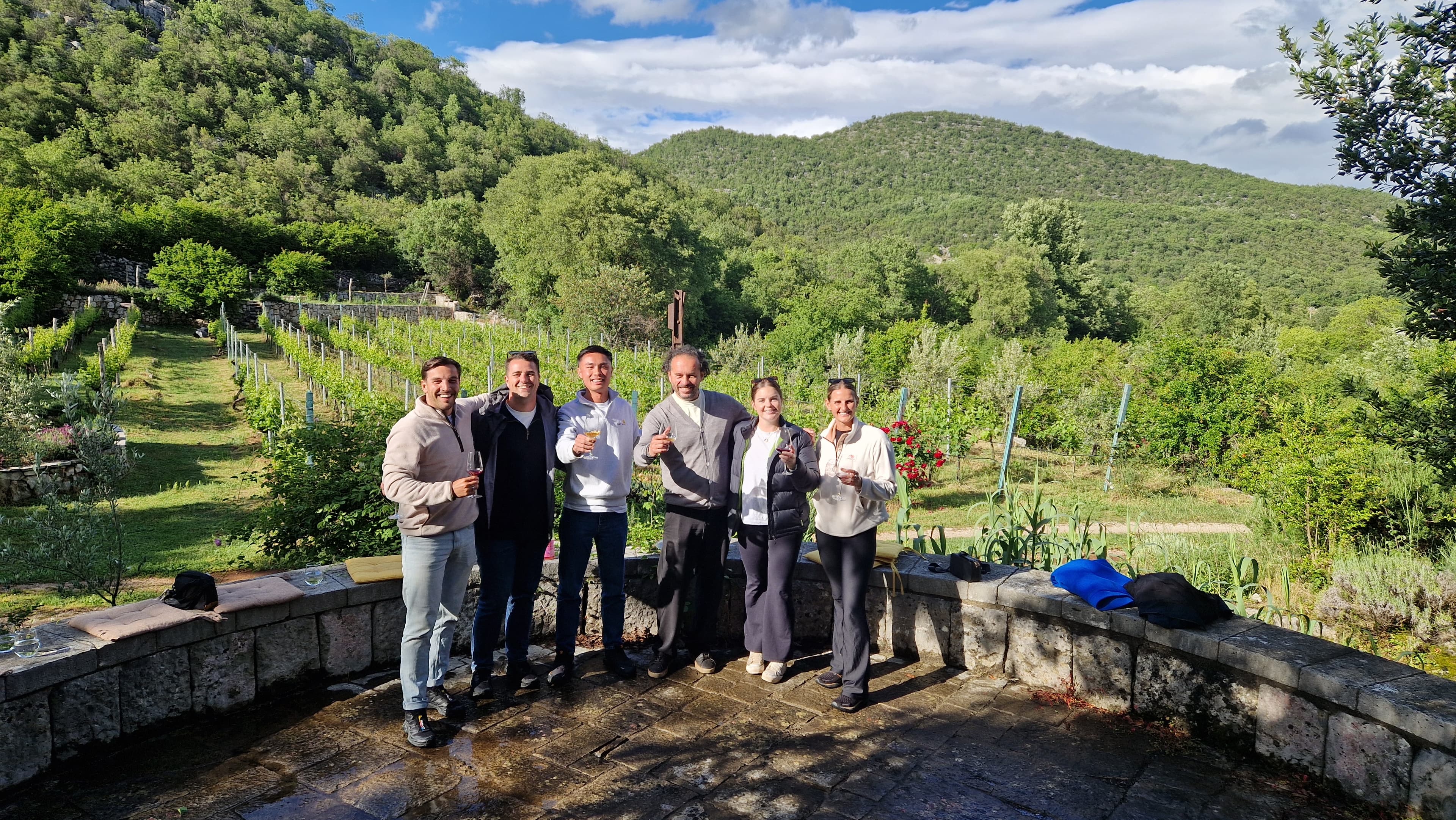
1 day · Multi-activity
from € 160,- / per person
Meet your guides
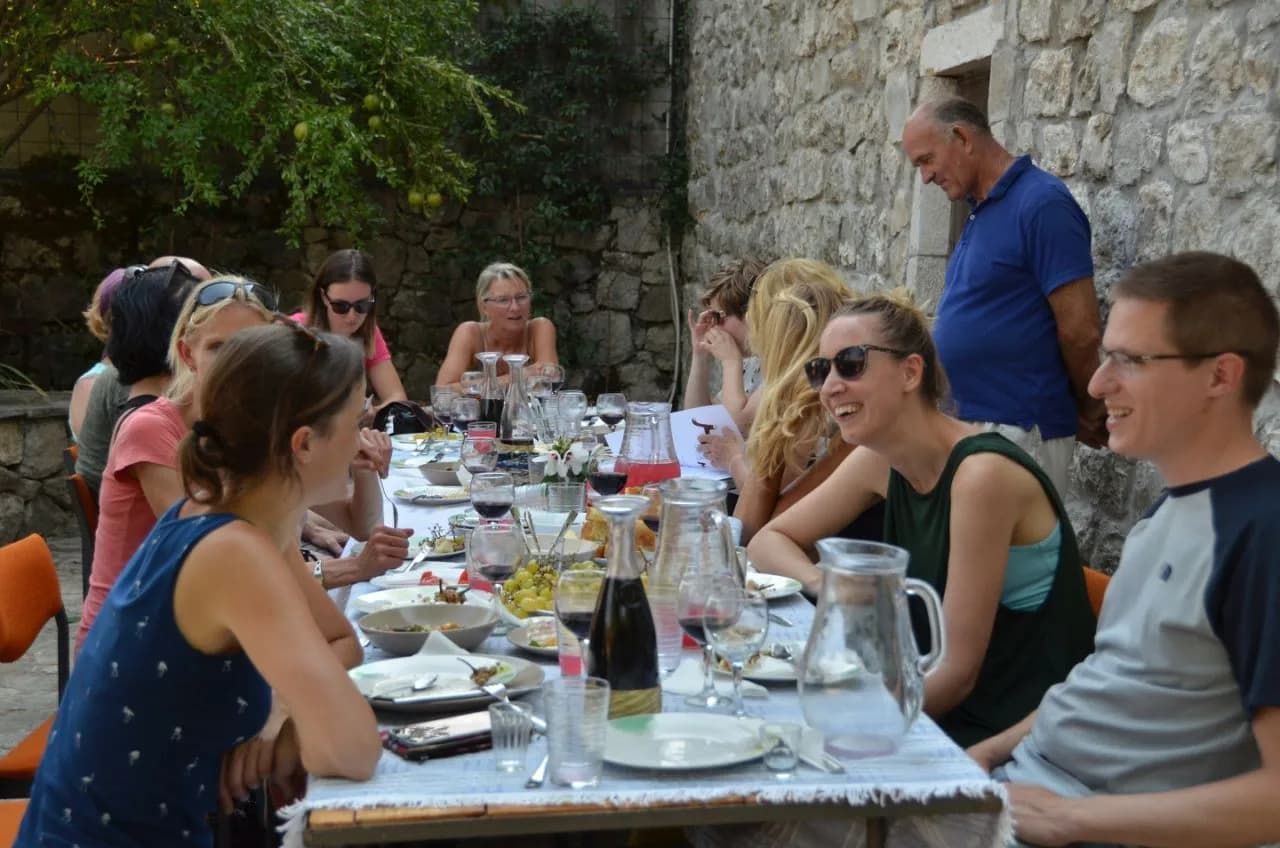
We live in Rijeka Crnojevića. We walk these trails, ride these roads and eat in these konobas every week. When you book with us, you’ll usually speak directly to one of the people who’ll be guiding you.
Meet the whole team →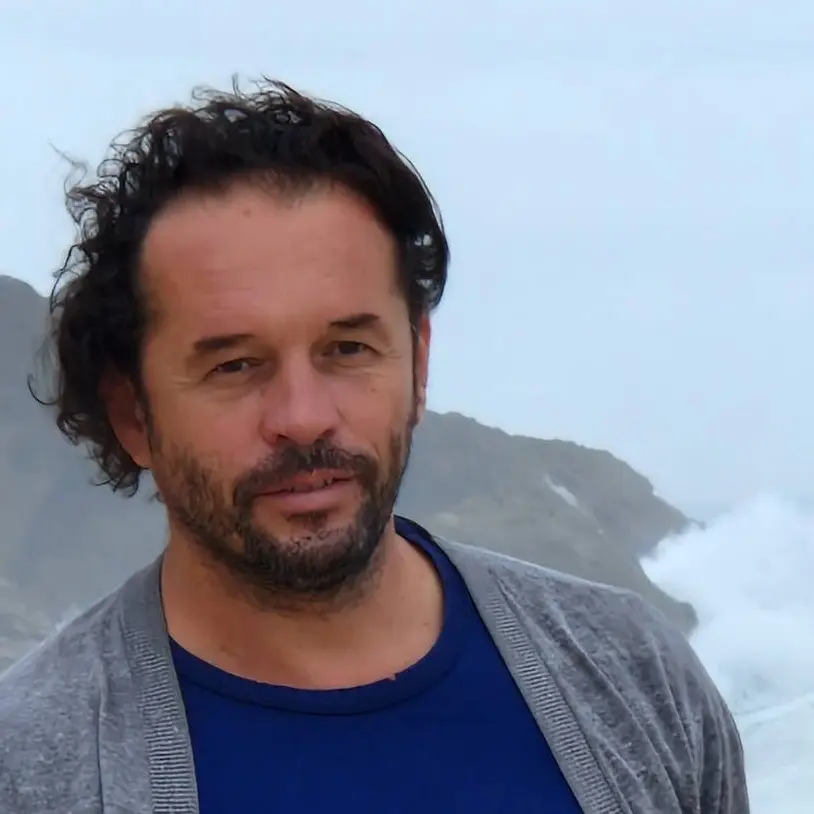
Management
Quality assurance, sales and communication.

Management
Product development, sustainability and marketing.
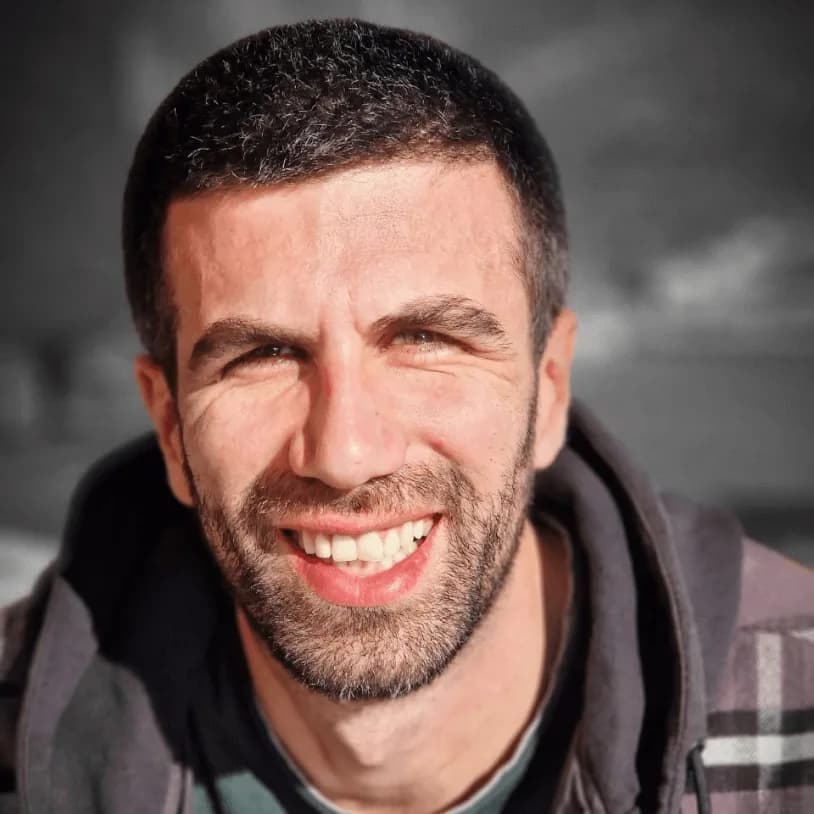
Tour operations manager
Backoffice — keeps every trip running smoothly on the ground.

Reservations & group tour operations
Backoffice — bookings, group logistics and guest care.
Tell us roughly when, who's travelling and what kind of pace you like. We'll send back a draft itinerary within 1–2 days, no payment until you're happy with the plan.
Plan your trip