


Montenegro
8 days · Hiking
From the Bay of Kotor to Lake Skadar – Historical trade and military trails
▲▲▲▲▲Moderate
Walking · Hiking · Cycling · Montenegro
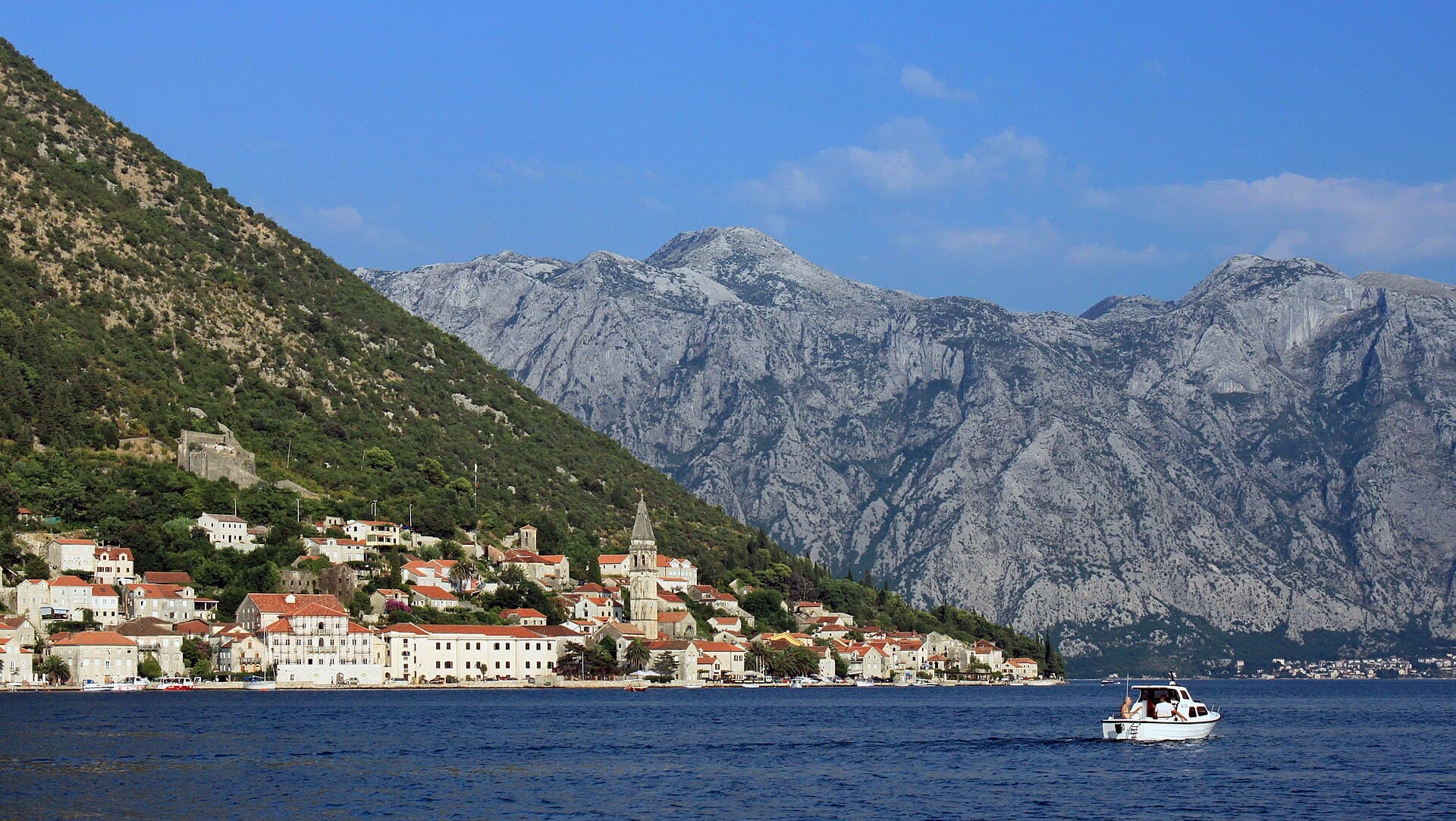
Walking, hiking and cycling holidays in Perast, self-guided or with a local guide. Perast is a small maritime town on the inner Bay of Kotor, part of the UNESCO-listed Kotor region since 1979. Around 349 people live along a single waterfront street backed by St Elijah's hill, with 16 to 19 Venetian palaces, a 55-metre bell tower and two islets offshore. It earns the journey for concentration: a century of shipping wealth compressed into a few hundred metres of stone, 9 miles from Kotor and reachable in under 20 minutes.
Why Perast
We've spent years walking, hiking and cycling across Perast in every season. The trips below are built around the routes that work — the quiet ones, the beautiful ones, the ones with great food at the end of the day.
If none of them quite fit, get in touch. We'll happily build you a private version, shaped around your interests, fitness and pace.
How we travel here
Walking
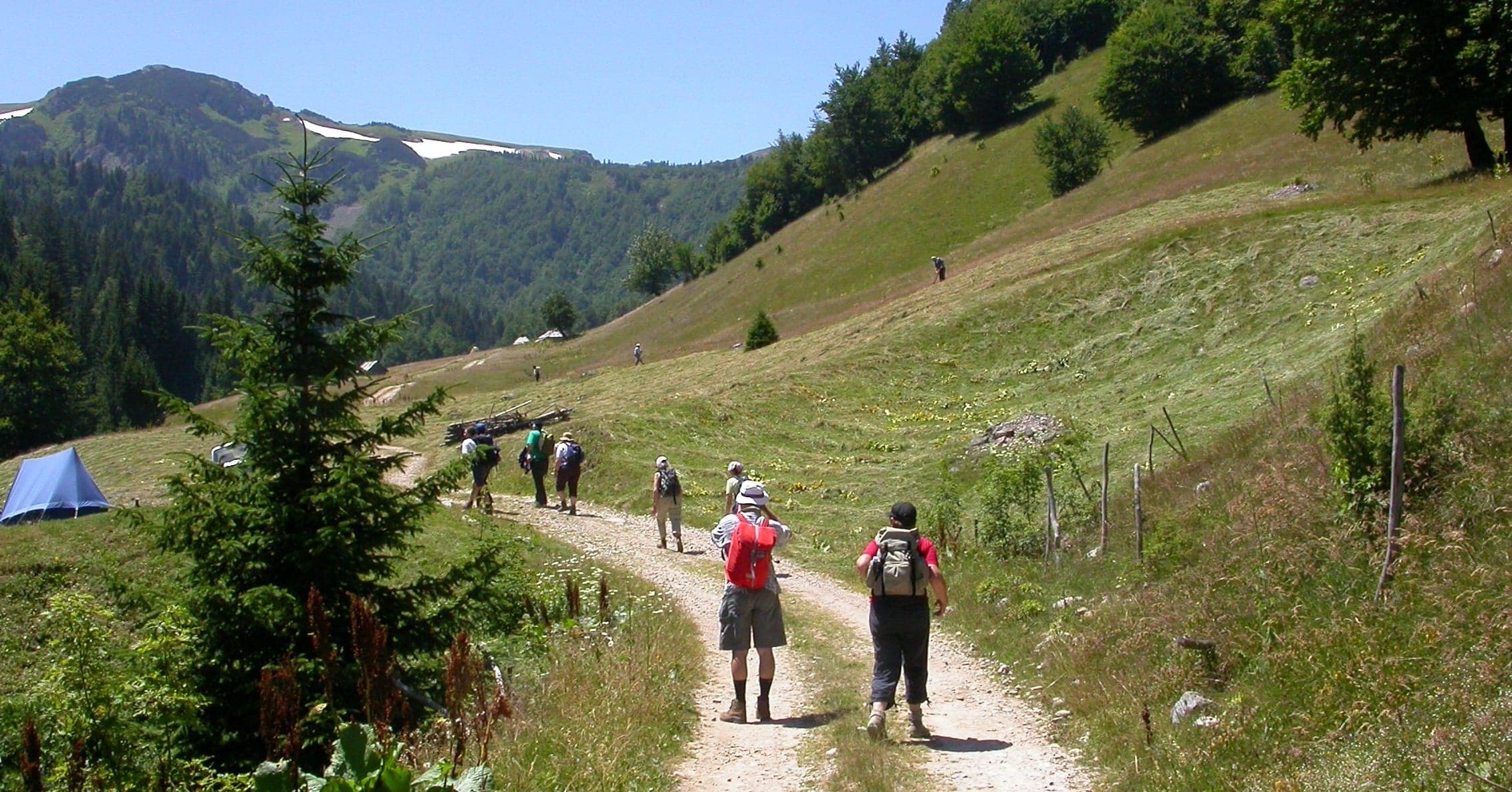
Coastal trails, village paths and slow days on foot, with time to stop.
Hiking
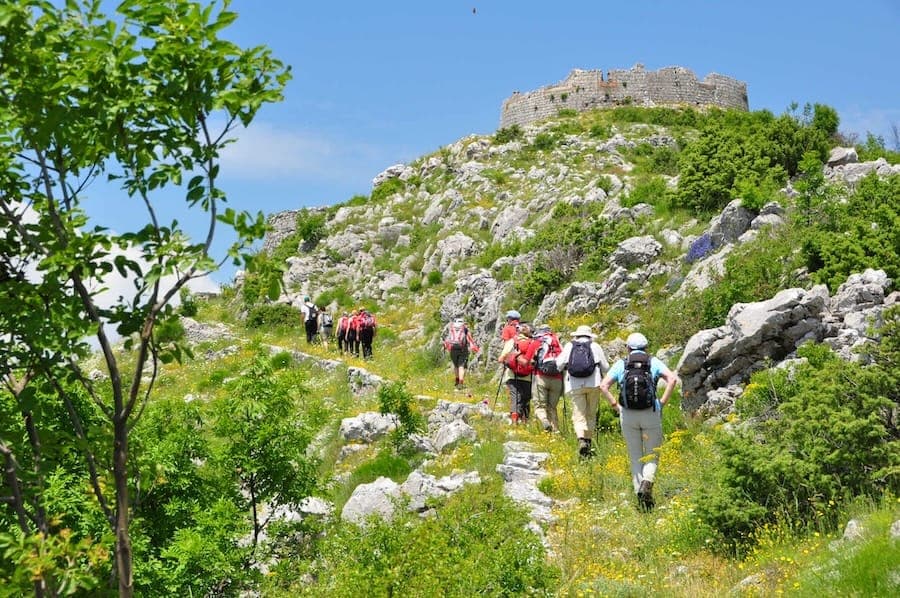
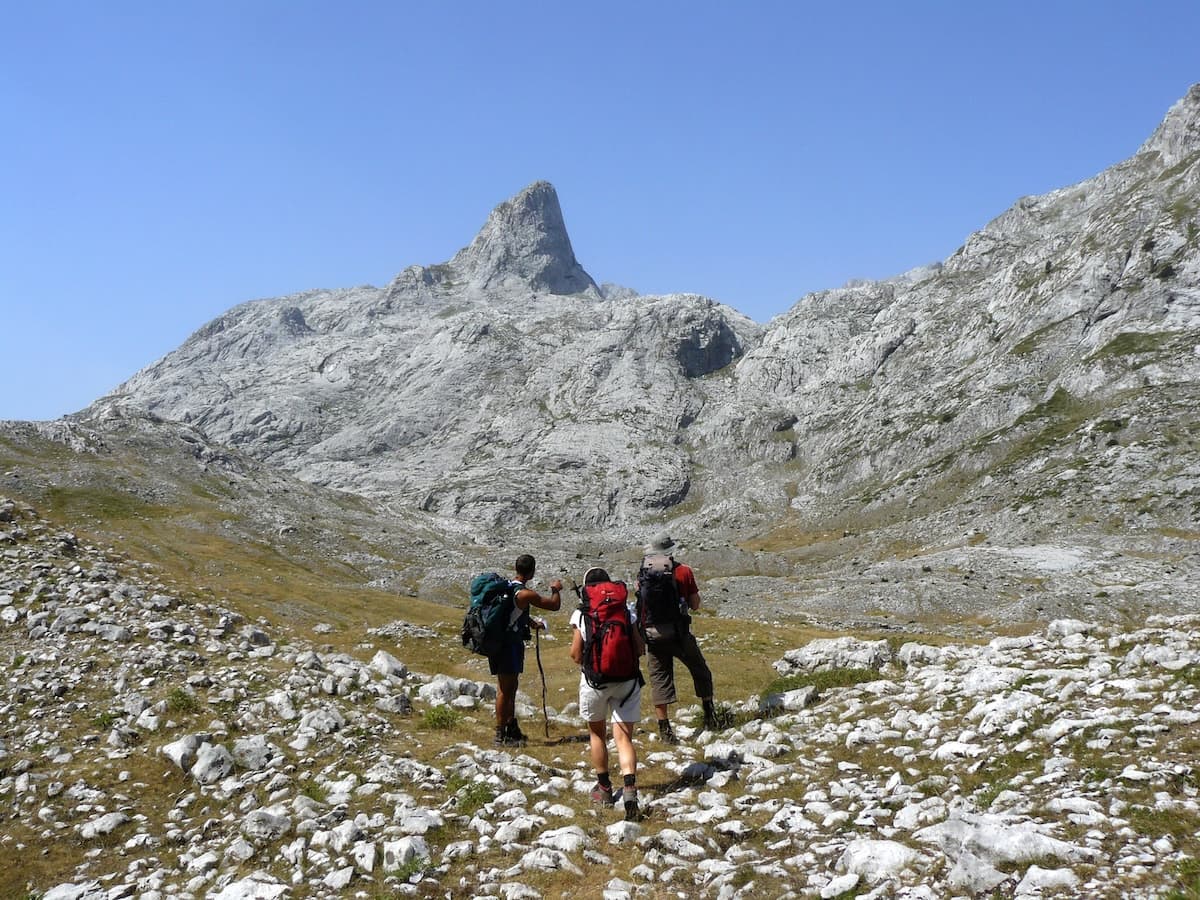
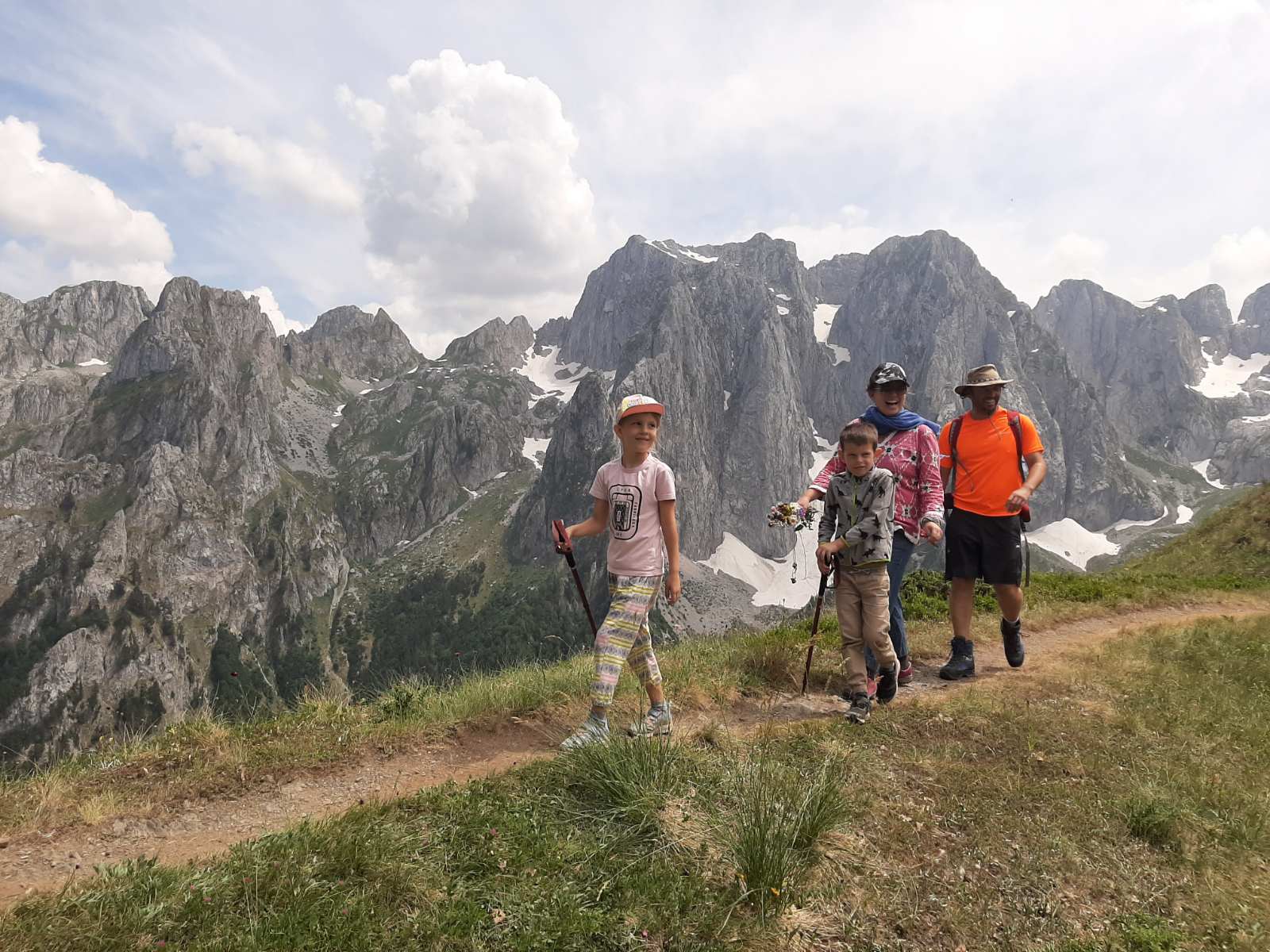
Mountain trails, hut-to-hut days and summit walks, graded honestly.
Cycling
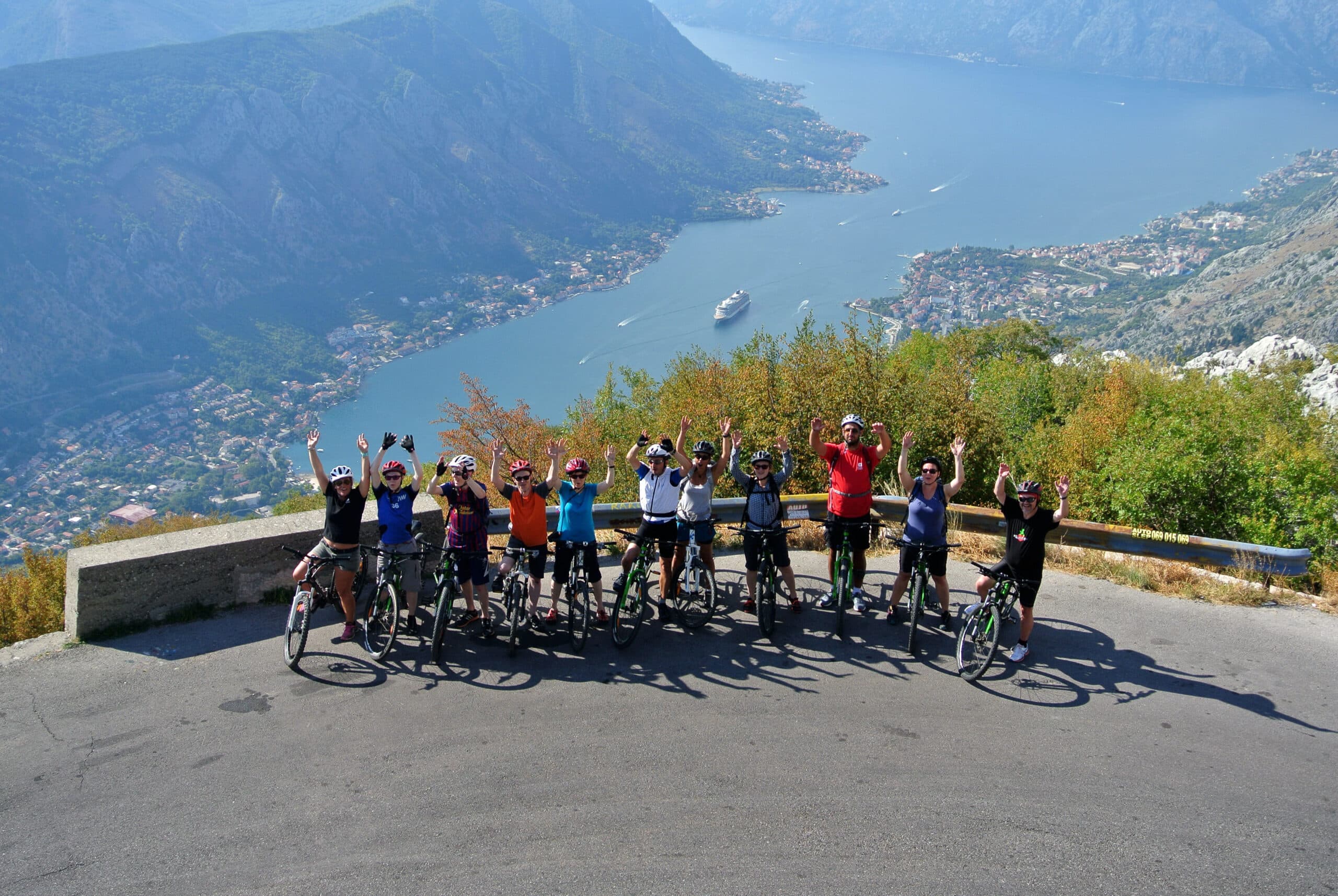
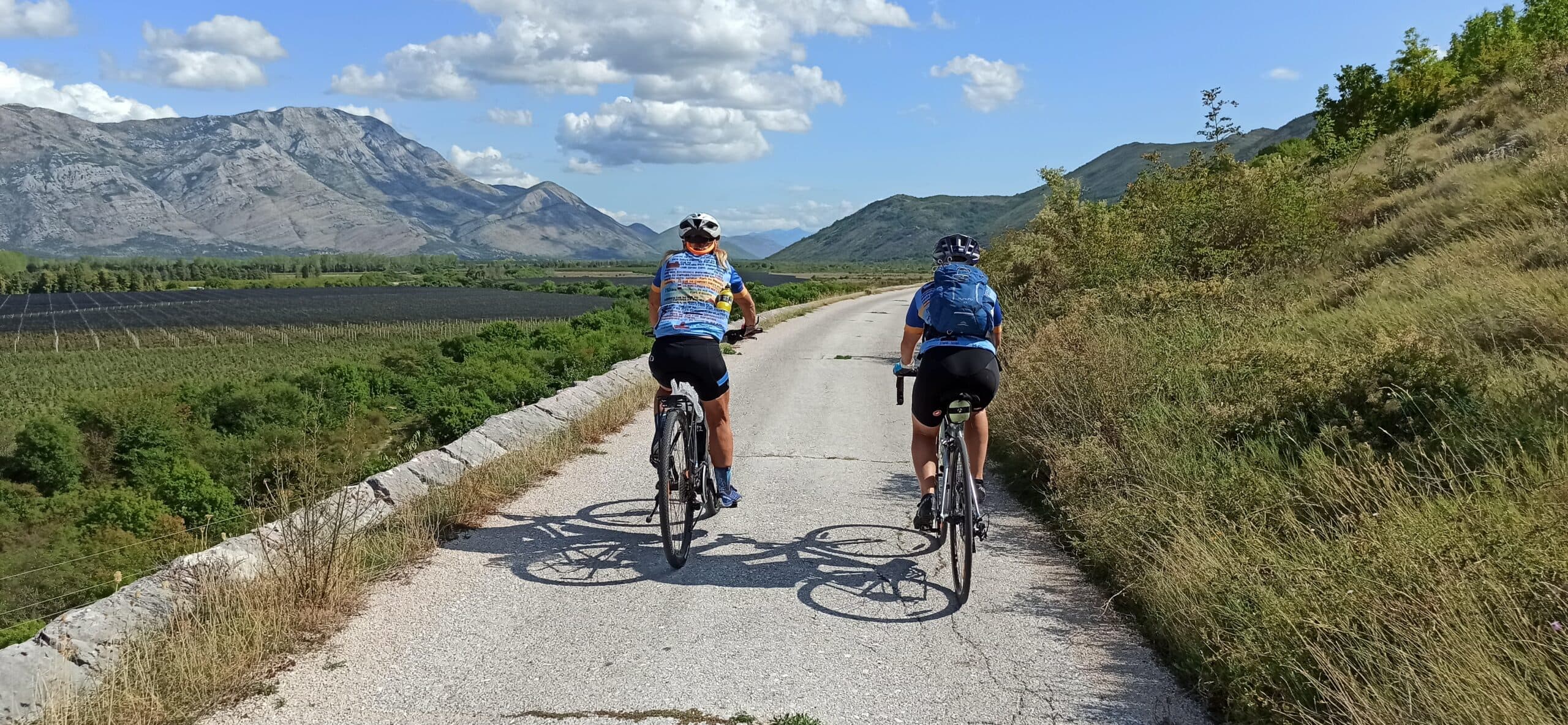
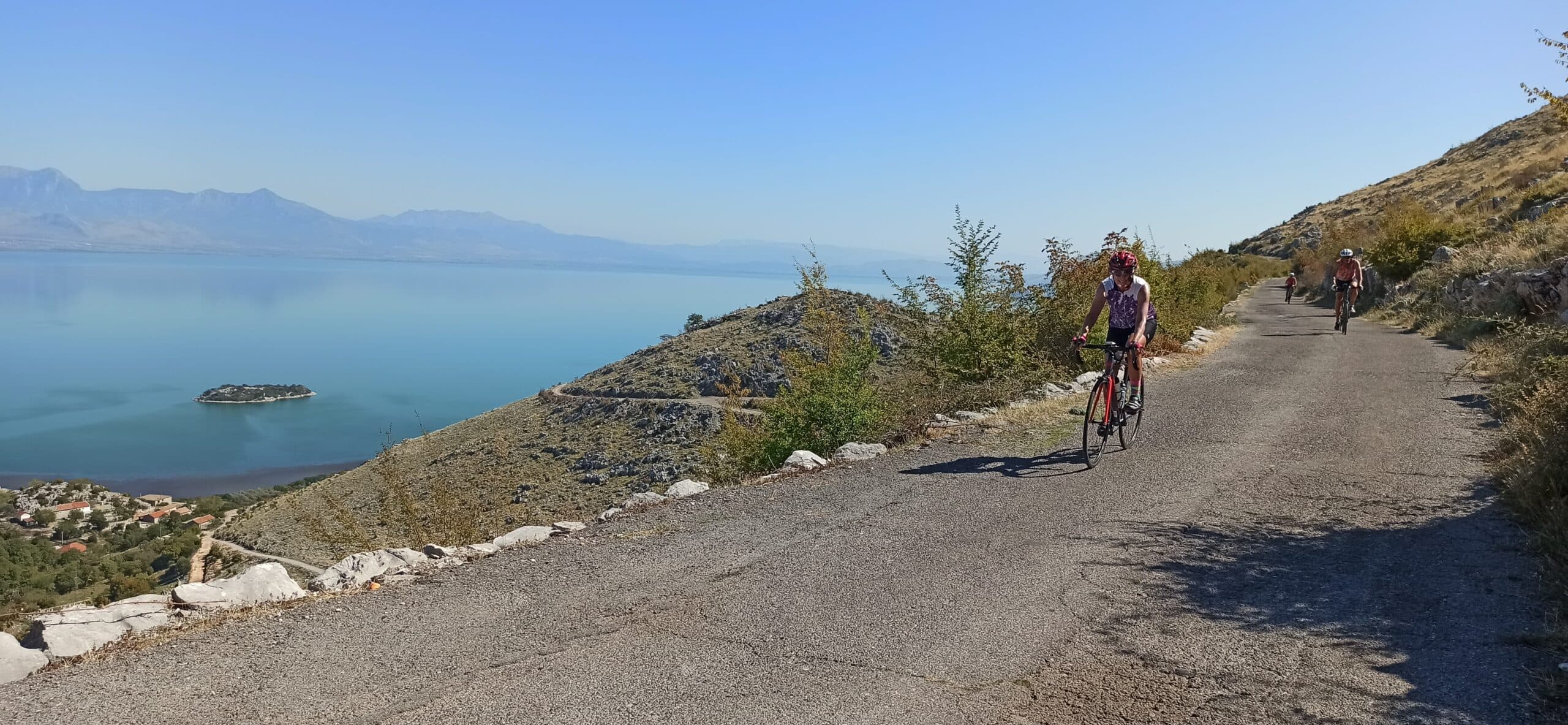
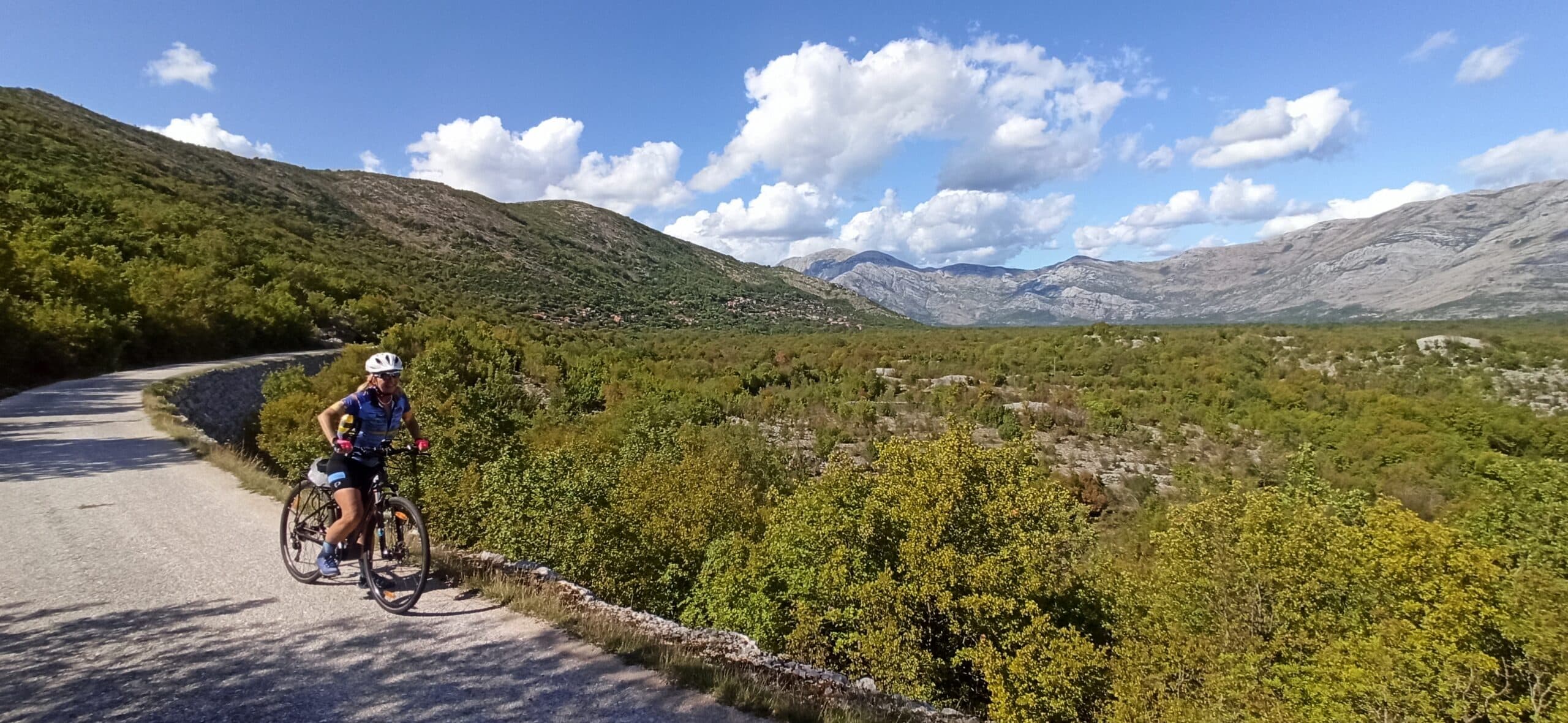
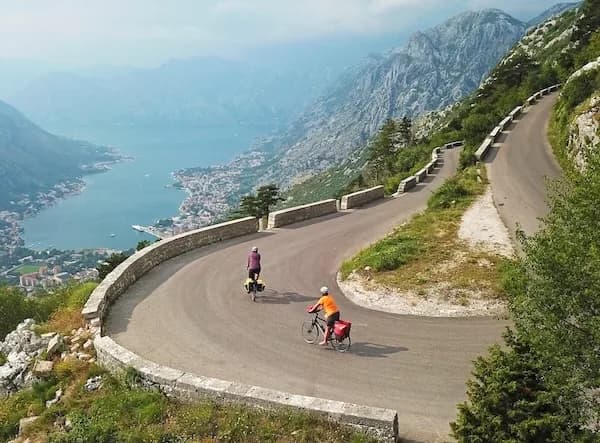
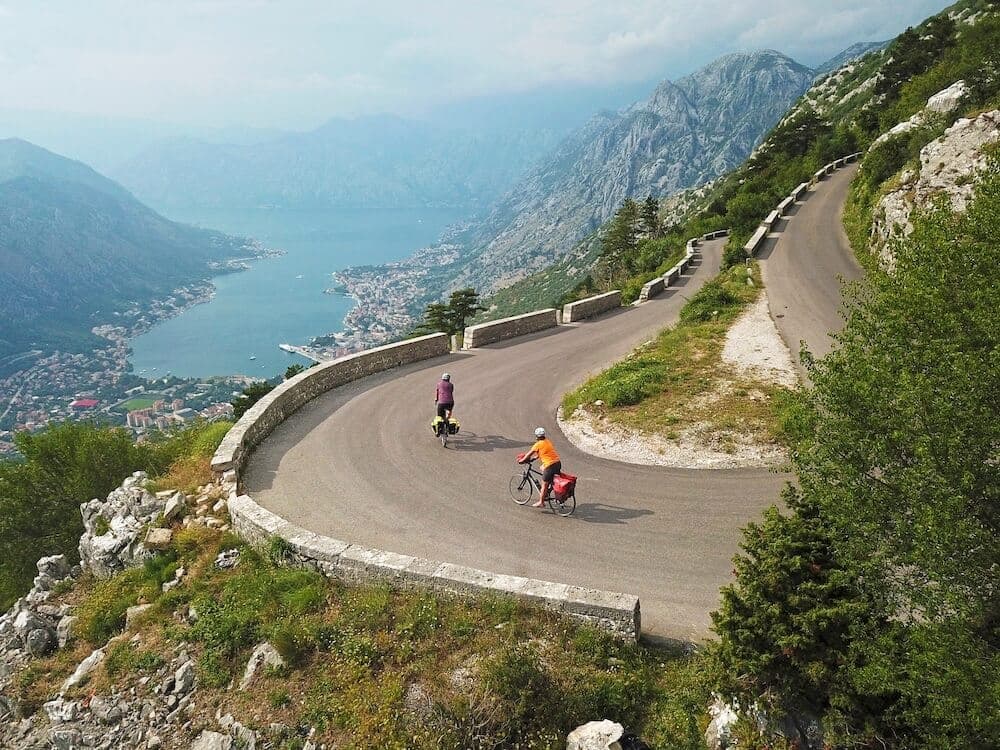
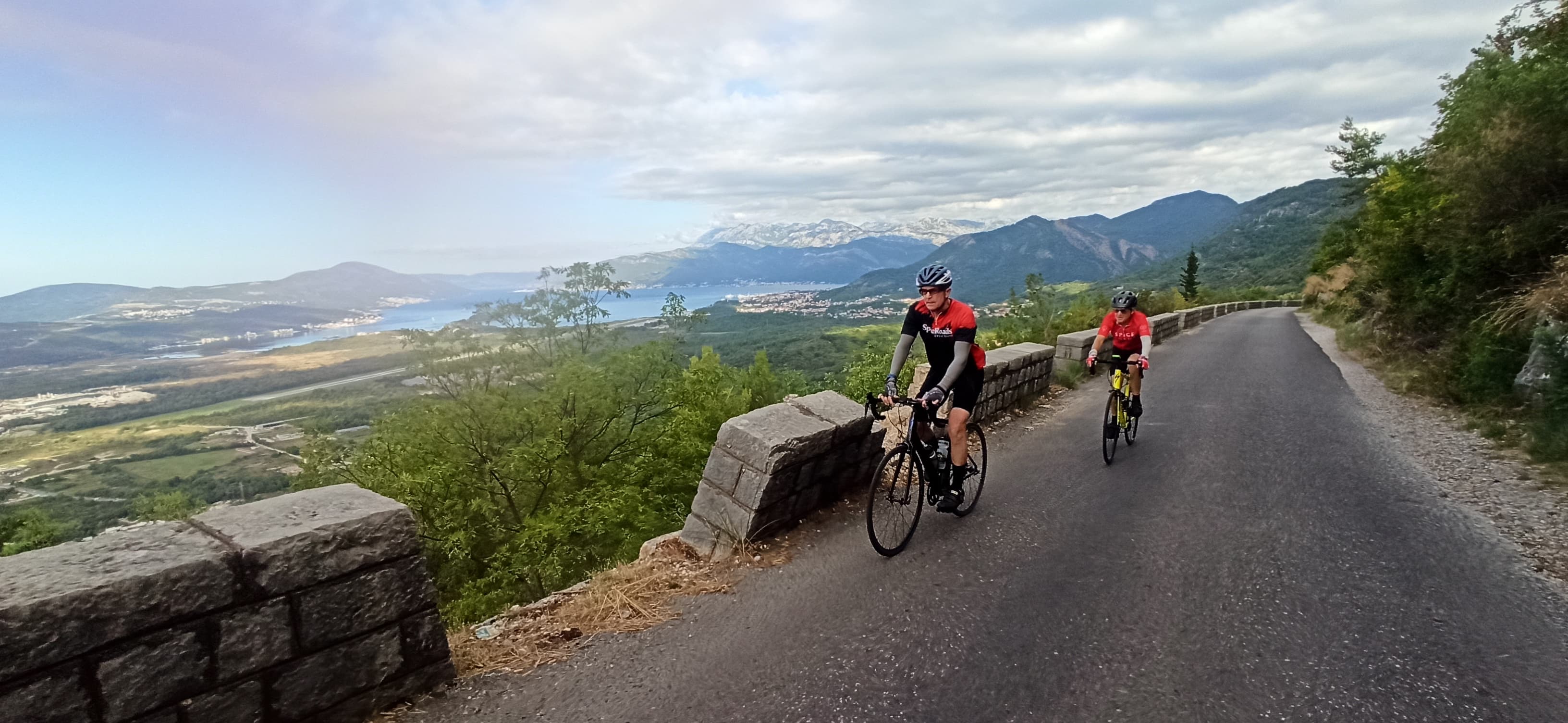
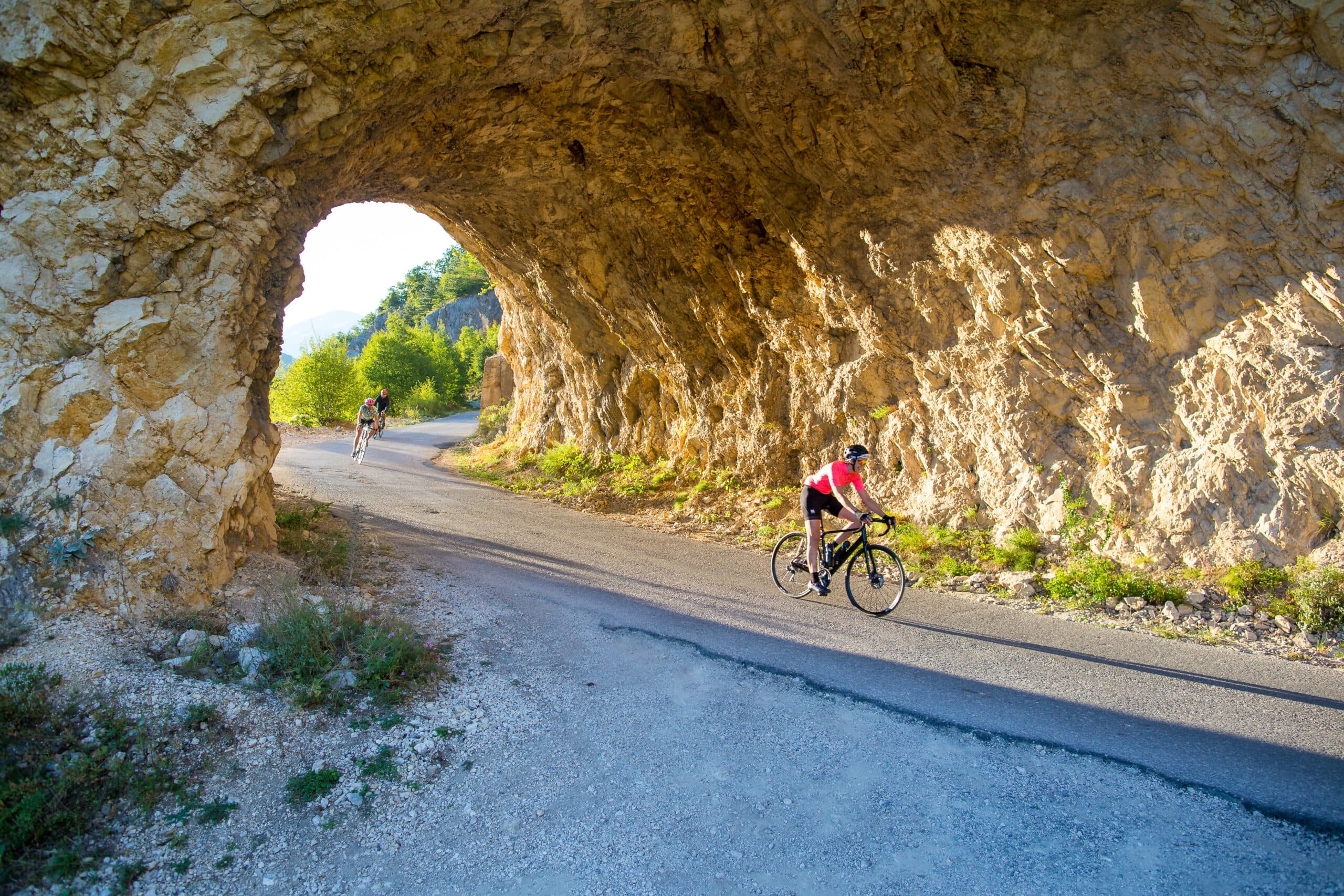
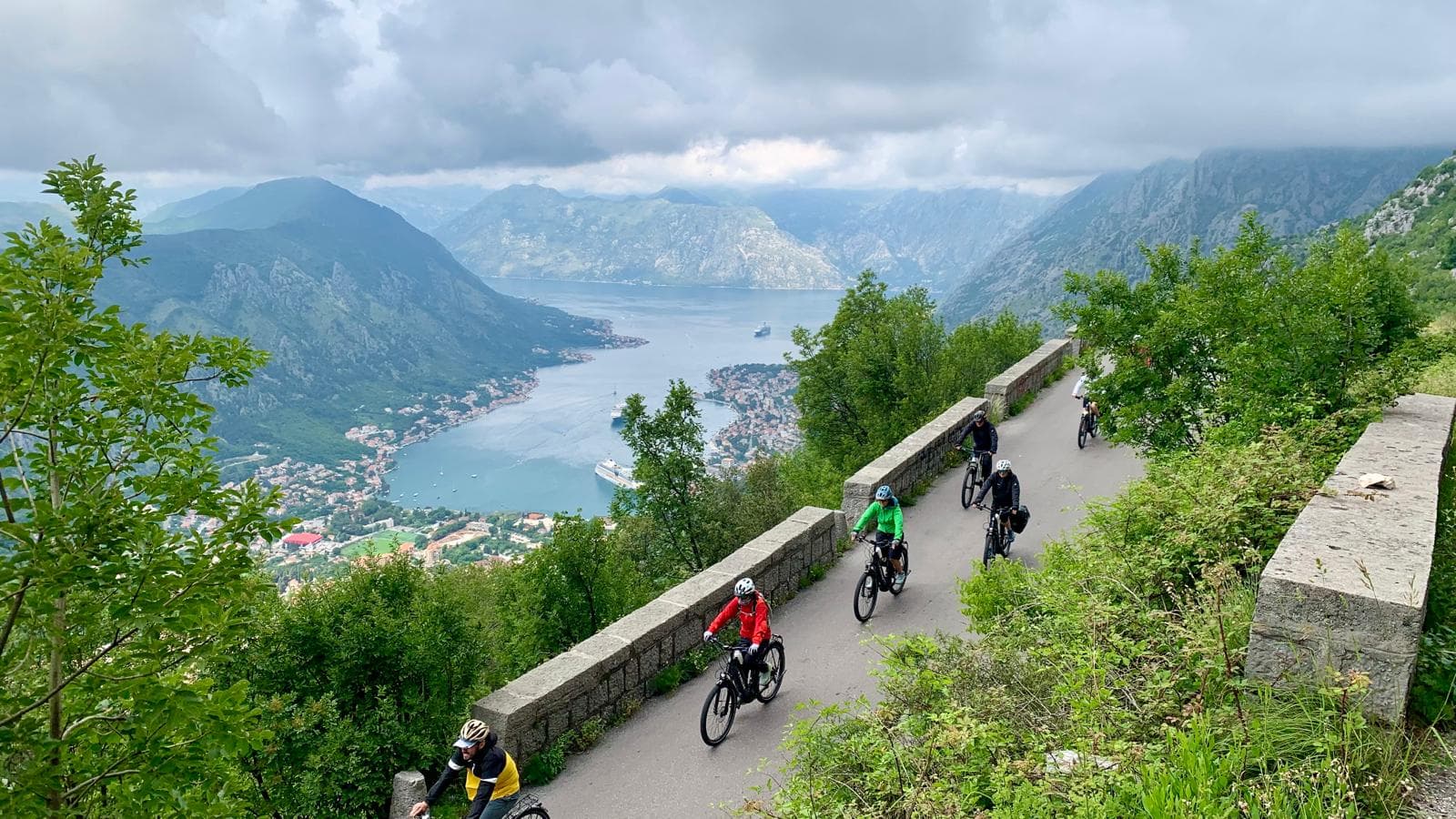
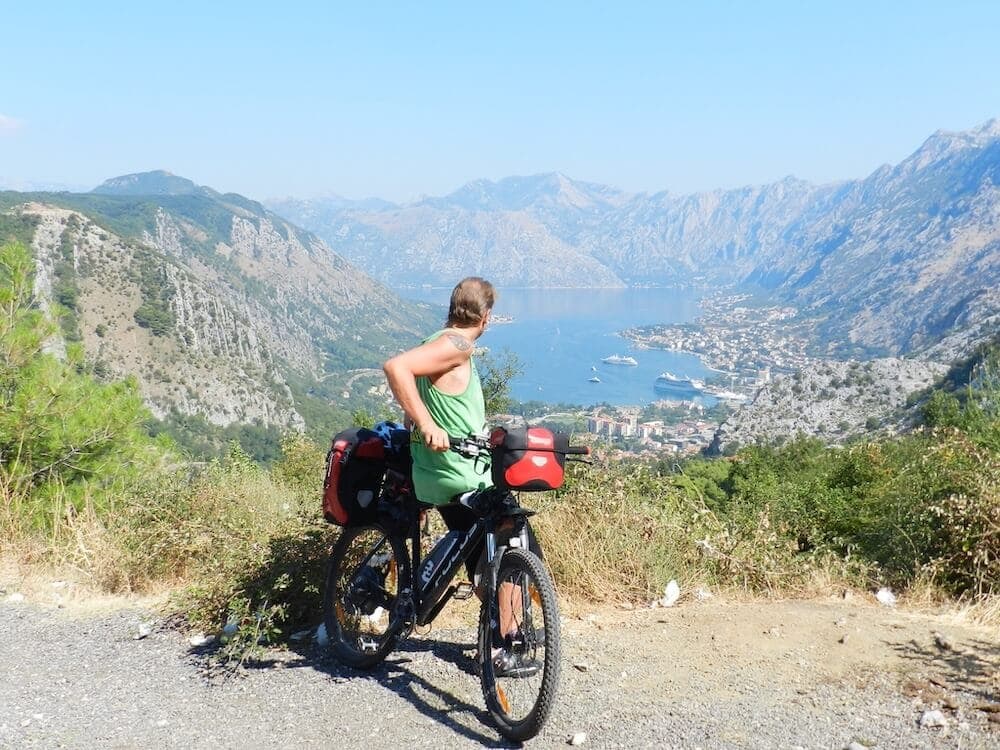
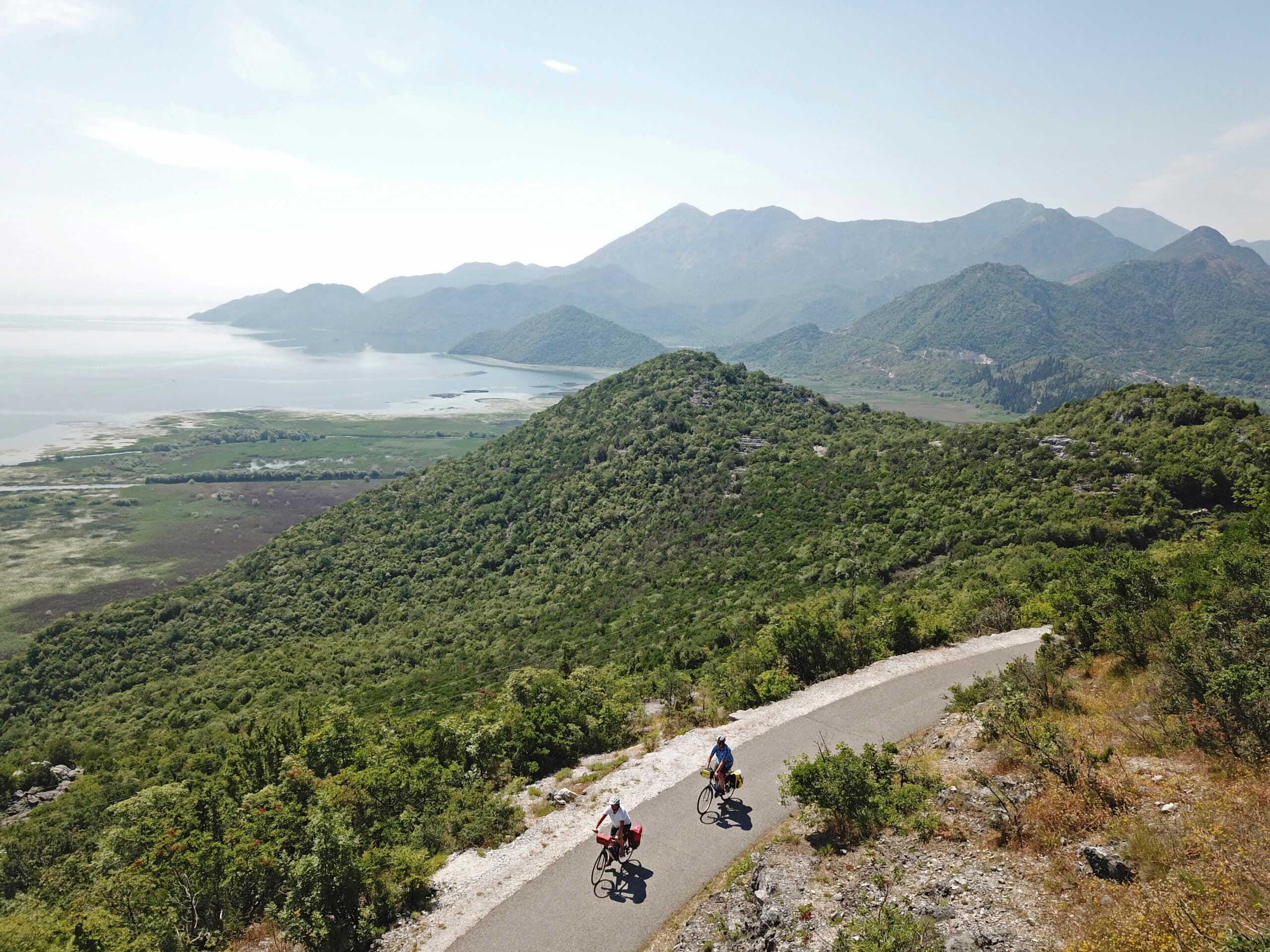
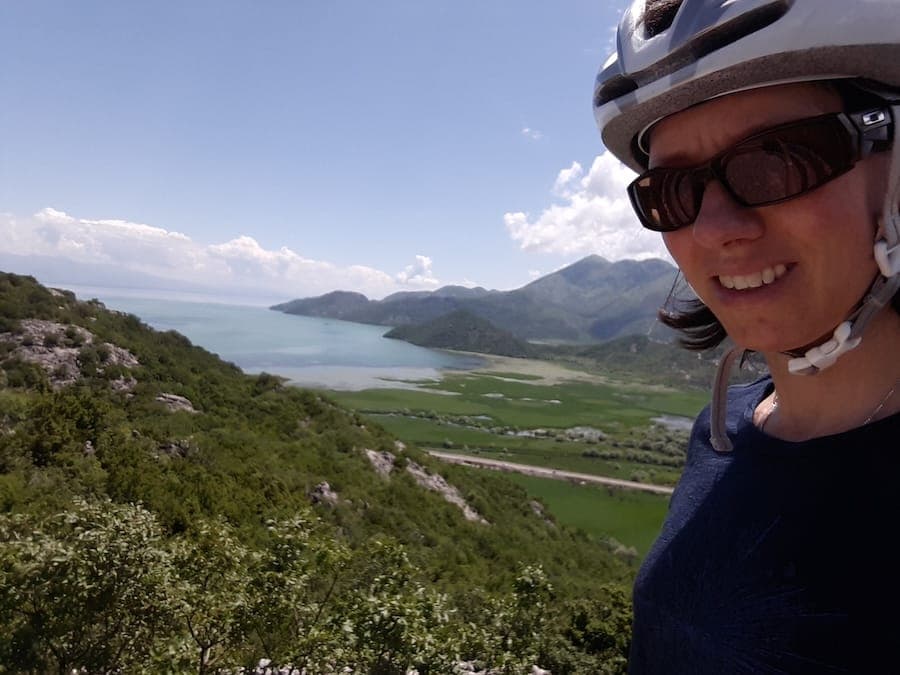
Quiet back roads and gravel routes — road, gravel and e-bike, with luggage moved between stays.
Travel guide
Perast sits northwest of Kotor on the inner Bay of Kotor, at sea level below St Elijah's hill. It forms one component of the UNESCO World Heritage Site "Natural and Culturo-Historical Region of Kotor," inscribed in 1979 at the 3rd Session and extended in 2012 and 2015. The whole property covers 14,600 hectares, with a 36,491-hectare buffer zone and mountains rising to nearly 1,500 metres around the two bays. The town has no separate designation, no park fee and no trails of its own. At its 18th-century Venetian peak, Perast held 1,643 residents, four shipyards and a fleet of roughly one hundred ships. It was the last city of the Republic of Venice to lower the Venetian flag, in 1797, then passed through Austrian, Russian and French rule before returning to Austria. The population fell to 430 by 1910 and stands at about 349 today. Two islets, Our Lady of the Rocks and Sveti Đorđe, lie offshore.
Our Lady of the Rocks (Gospa od Škrpjela) is an artificial islet of 0.38 hectares, built up over centuries after seamen found an icon of the Madonna and Child on 22 July 1452 and laid a rock in the bay after each safe voyage. Its church was renovated in 1722 and holds a 15th-century icon by Lovro Dobričević and a Carrara marble altar by the Genovese sculptor Antonio Capelano. Sveti Đorđe island carries a Benedictine monastery from the 12th century and the old nobility graveyard; French forces held it until British and Sicilian ships took it on 14 October 1813. On the mainland, the church of St Nicholas dates from 1616, its 55-metre bell tower from 1691; the adjoining museum holds 68 paintings by Perast Baroque artist Tripo Kokolja. Bujović Palace, built in 1694 for Venetian captain Vicko Bujović, now houses the Perast Museum among the town's 16 to 19 palaces.
Perast itself is a single waterfront street below St Elijah's hill, so time here is spent on foot, at the pace of a small town of about 349 people. There are no marked trails or cycle routes attributable to the town, and the surrounding mountains that rise to nearly 1,500 metres sit within the wider inscribed Kotor region rather than Perast proper. Walking the full waterfront past the palaces, St Nicholas and the two churches takes well under an hour; the main bus station is 400 metres south of the old town, with a Riva stop directly in front of the walls. For guided walking or cycling that links Perast into the broader Bay of Kotor, and for how it fits a longer itinerary, Boats to the islets leave from the waterfront.
Perast lies 9 miles from Kotor, about a 19-minute drive along the coastal road on the E80/E65 corridor. The Blue Line bus from Kotor costs €2.00 and takes 35 minutes, running roughly hourly; it uses the station 400 metres south of the old town, with a Riva stop at the walls. Tivat Airport (TIV) is 21 km from the town centre, a drive of about 28 minutes over 13.4 miles. Dubrovnik Airport (DBV) is 56 km away, roughly 1 hour 12 minutes by road, and Podgorica Airport (TGD) is 101 km distant. There is no vehicle entry fee, as Perast is an open town. Access to the islets is by boat from the waterfront. Within Perast, movement is on foot along the waterfront street; the compact layout means most sites sit within a few hundred metres of each other.
Perast has no town entrance fee. The only site charges are the boat islet and the museums. Entry to Our Lady of the Rocks church and museum is around €1. The Perast Town Museum in Bujović Palace charges a standard individual ticket of around €8, with reduced rates for children and groups; its published visiting hours begin from 15 April. A combined ticket covering the Roman Mosaics at Risan and the Perast City Museum costs €12.00. For exact 2026 opening hours, boat departure times and current island fees, check the official Muzeji Kotor schedule before travelling. The Fašinada custom falls each year at sunset on 22 July, when residents take boats out and throw rocks into the sea to widen Our Lady of the Rocks; it is the town's fixed date if you want to see the tradition that built the islet.
Our journeys
21 journeys planned by our team in Podgorica — from gentle coastal weeks to high-mountain crossings.
Build your own trip →8 days · Hiking
7 days · Hiking
8 days · Cycling
7 days · Cycling
8 days · Cycling
8 days · Hiking
8 days · Cycling
7 days · Cycling
7 days · Hiking
1 day · Cycling
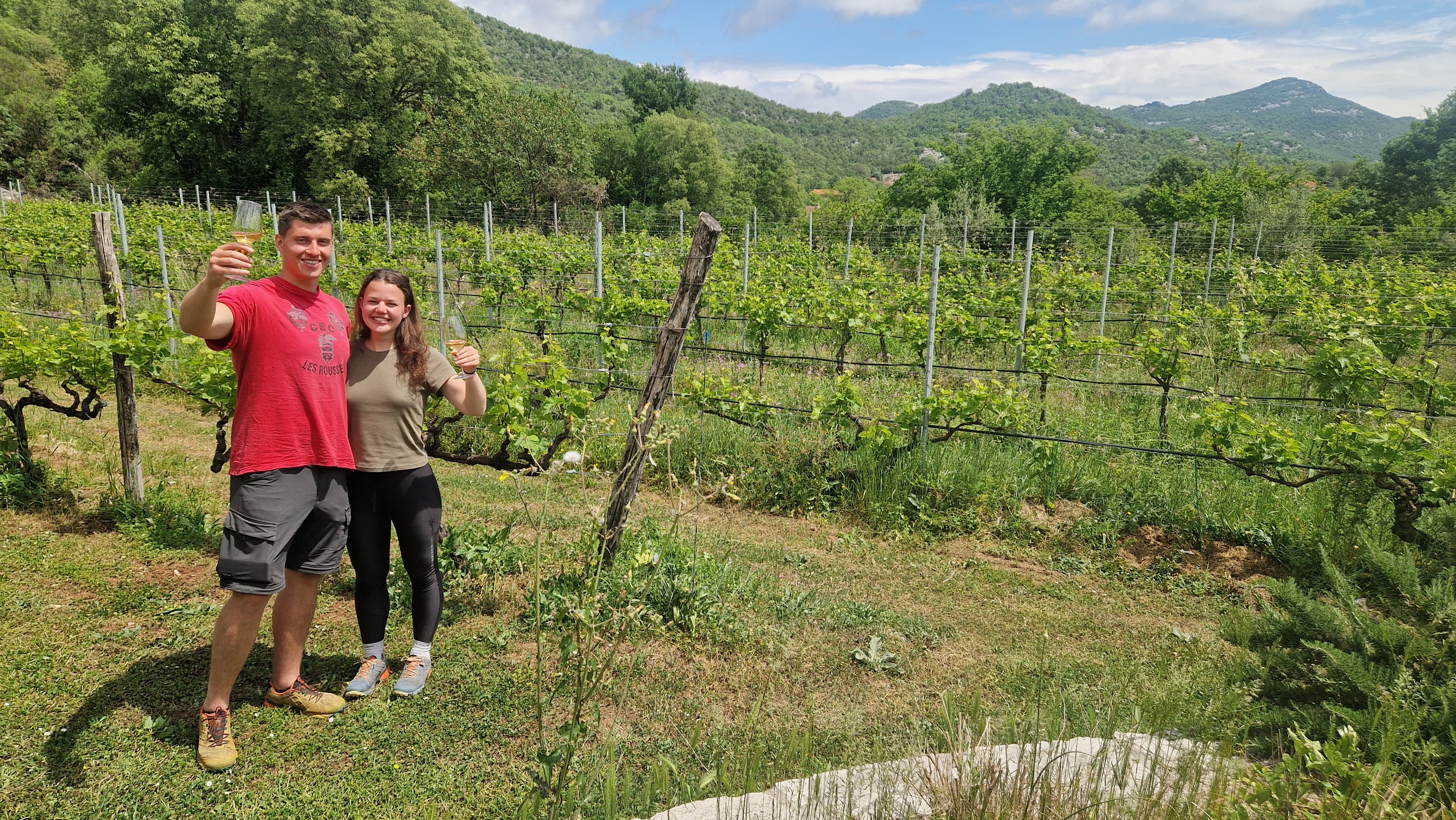
1 day · Cycling
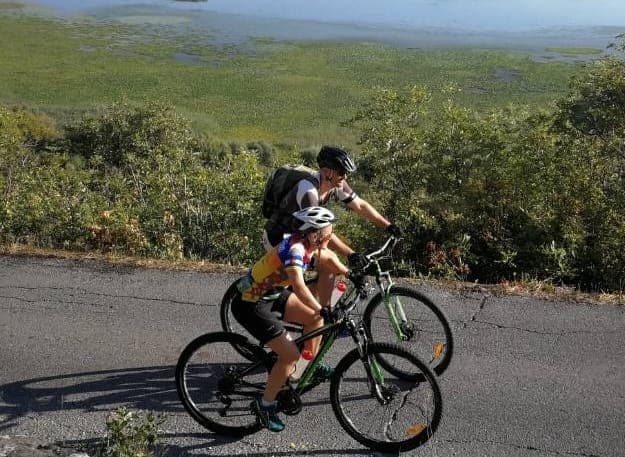
1 day · Cycling
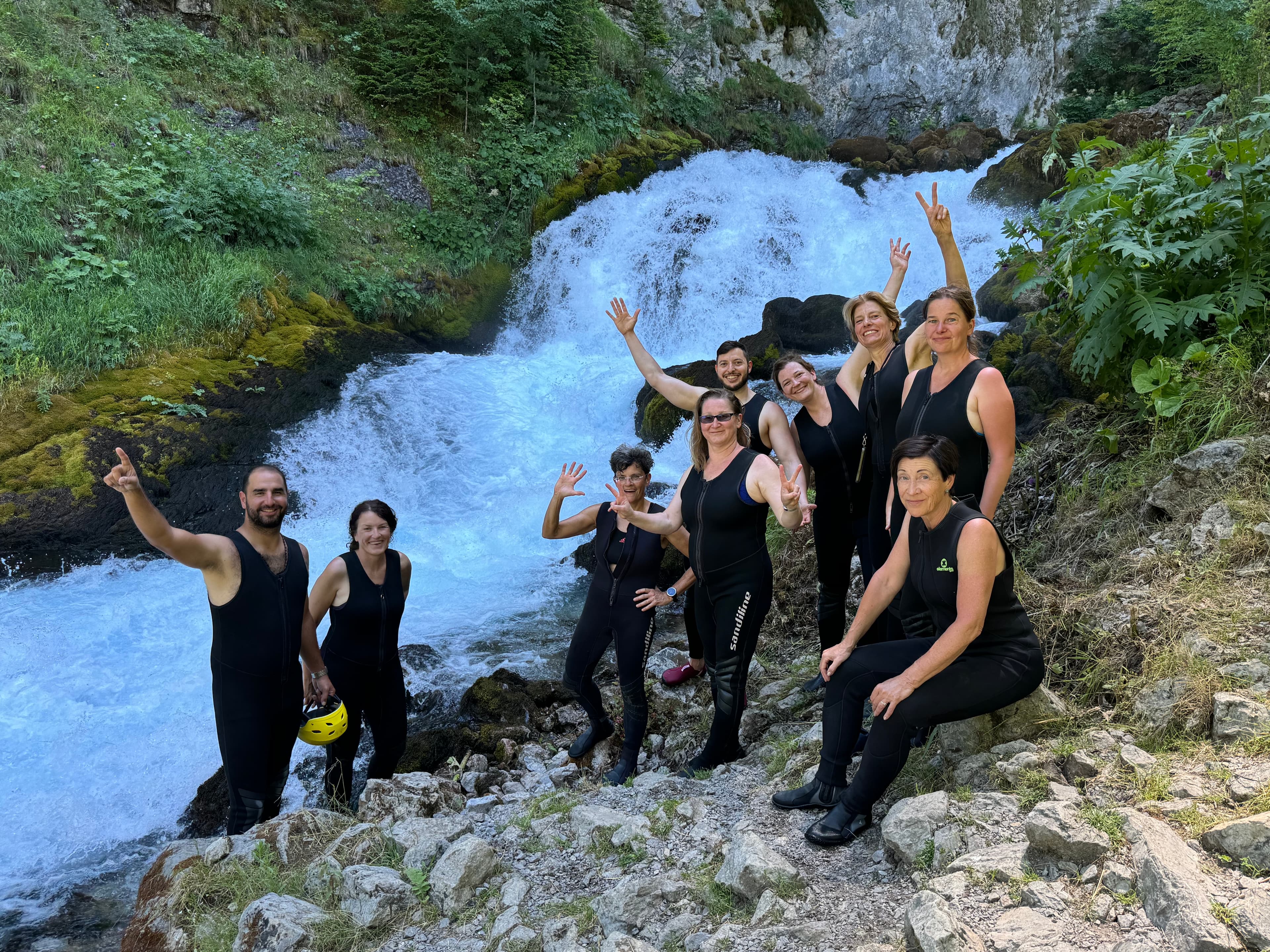
9 days · Cycling
8 days · Cycling
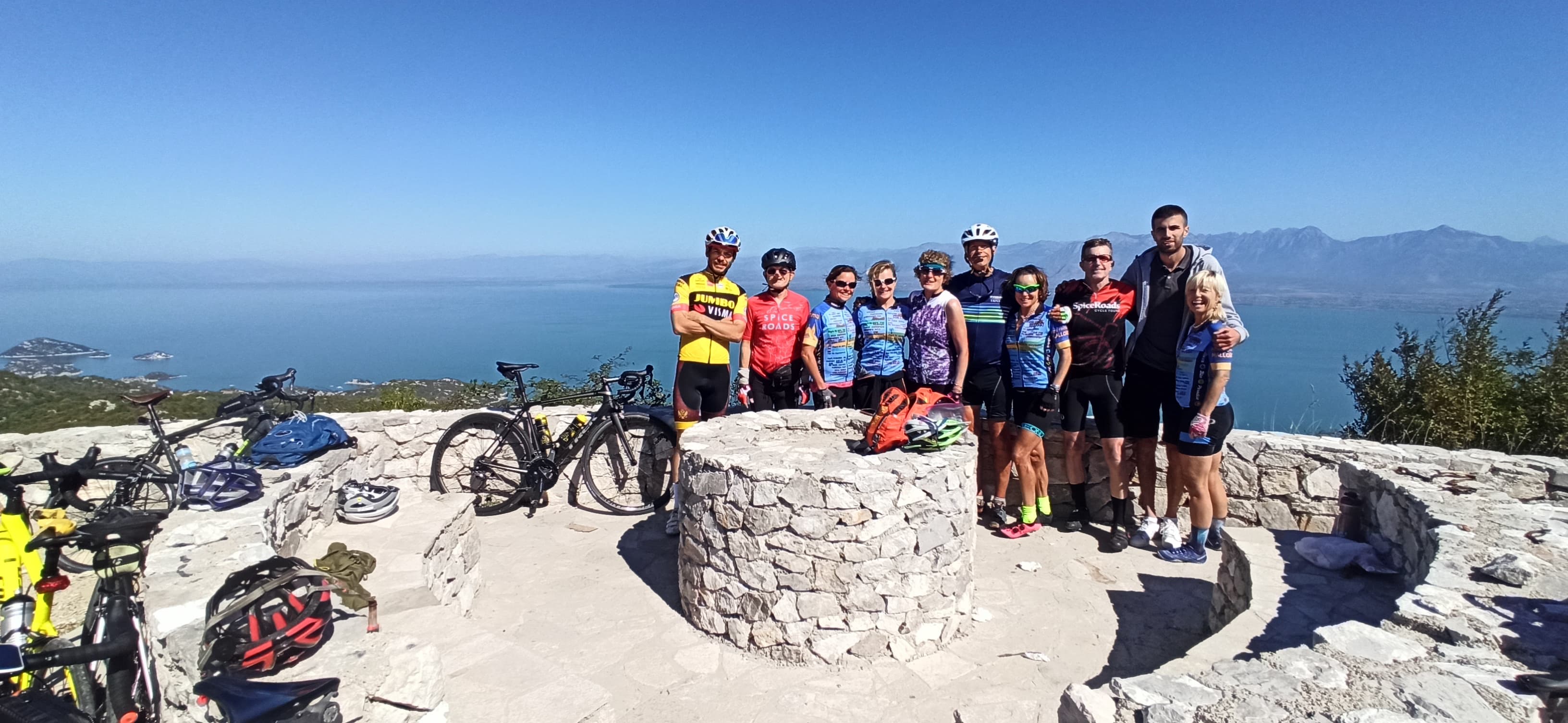
7 days · Cycling
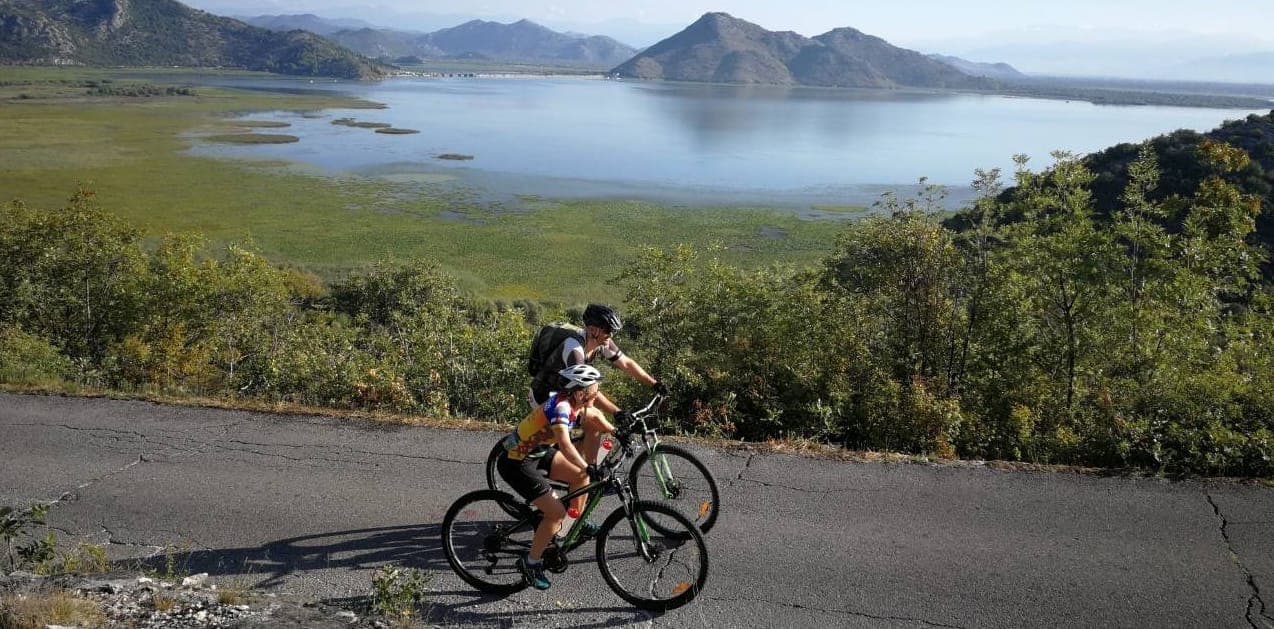
7 days · Cycling
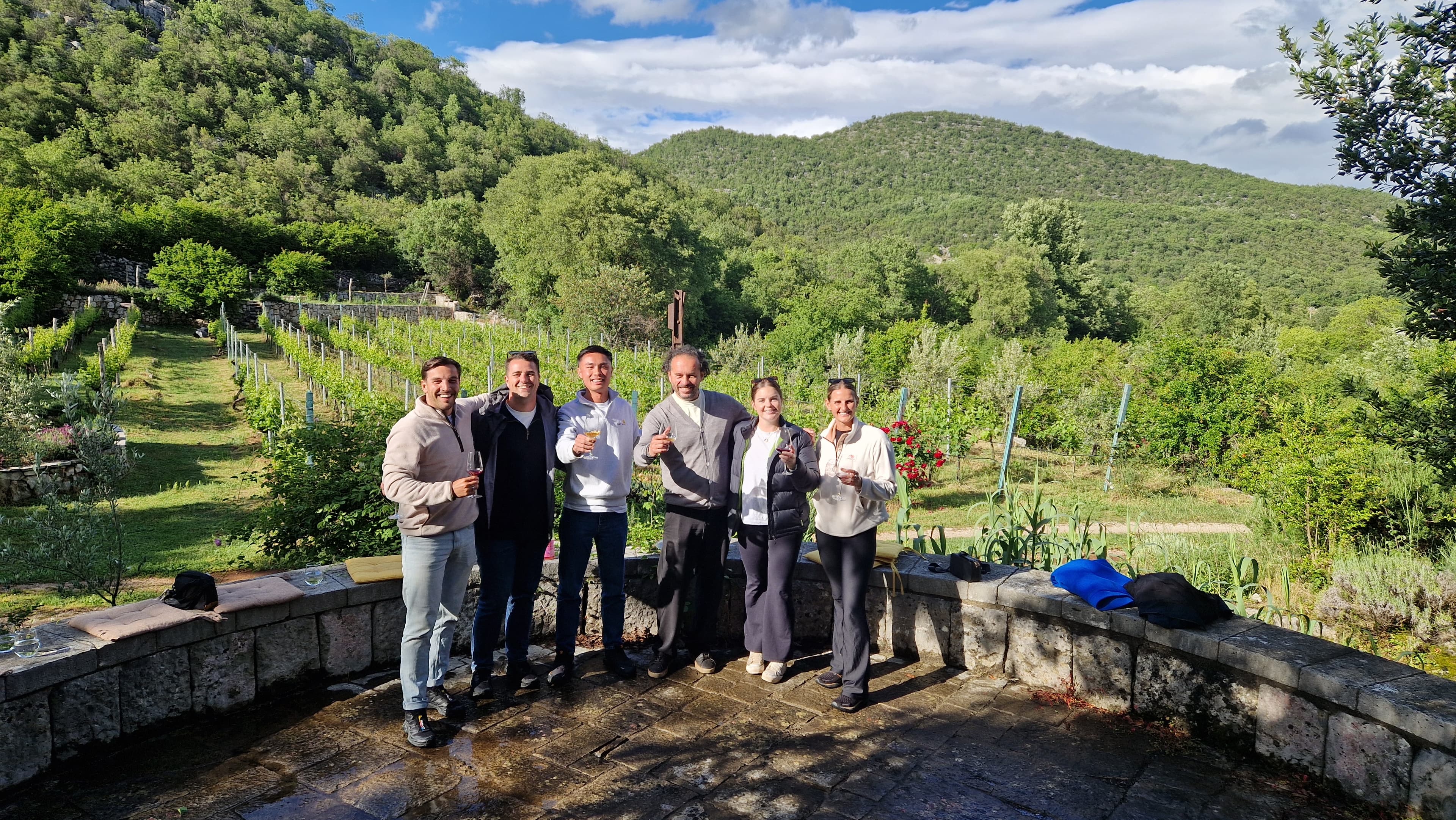
1 day · Multi-activity
from € 160,- / per person
Meet your guides
We live in Perast. We walk these trails, ride these roads and eat in these konobas every week. When you book with us, you’ll usually speak directly to one of the people who’ll be guiding you.
Meet the whole team →
Management
Quality assurance, sales and communication.

Management
Product development, sustainability and marketing.

Tour operations manager
Backoffice — keeps every trip running smoothly on the ground.

Reservations & group tour operations
Backoffice — bookings, group logistics and guest care.
Tell us roughly when, who's travelling and what kind of pace you like. We'll send back a draft itinerary within 1–2 days, no payment until you're happy with the plan.
Plan your trip