



Food
The Njeguši Pršut and Cheese Stop on the Cetinje–Lovćen Route: When It's Open, What to Buy, What to Skip
ByThe 3E Travel team · · 7 min read

Njeguši sits at about 900 m between Cetinje and Kotor. Here's when the family kitchens actually open, how the ham is aged, and which roadside stalls to drive past.
Njeguši is 16 km from Cetinje, about a 23-minute drive, and it's the one stop on the Lovćen loop worth building your timing around. The village sits near 900 m on the slopes of Mount Lovćen, has fewer than 200 permanent residents, and no souvenir arcade or coach park. What it has is ham. We stop here on tours, and the single most useful thing I can tell you is this: get there before 11 am or after 2:30 pm, and buy from a kitchen with a visible drying kiln, not the identical roadside tables.
When the main kitchen is actually open
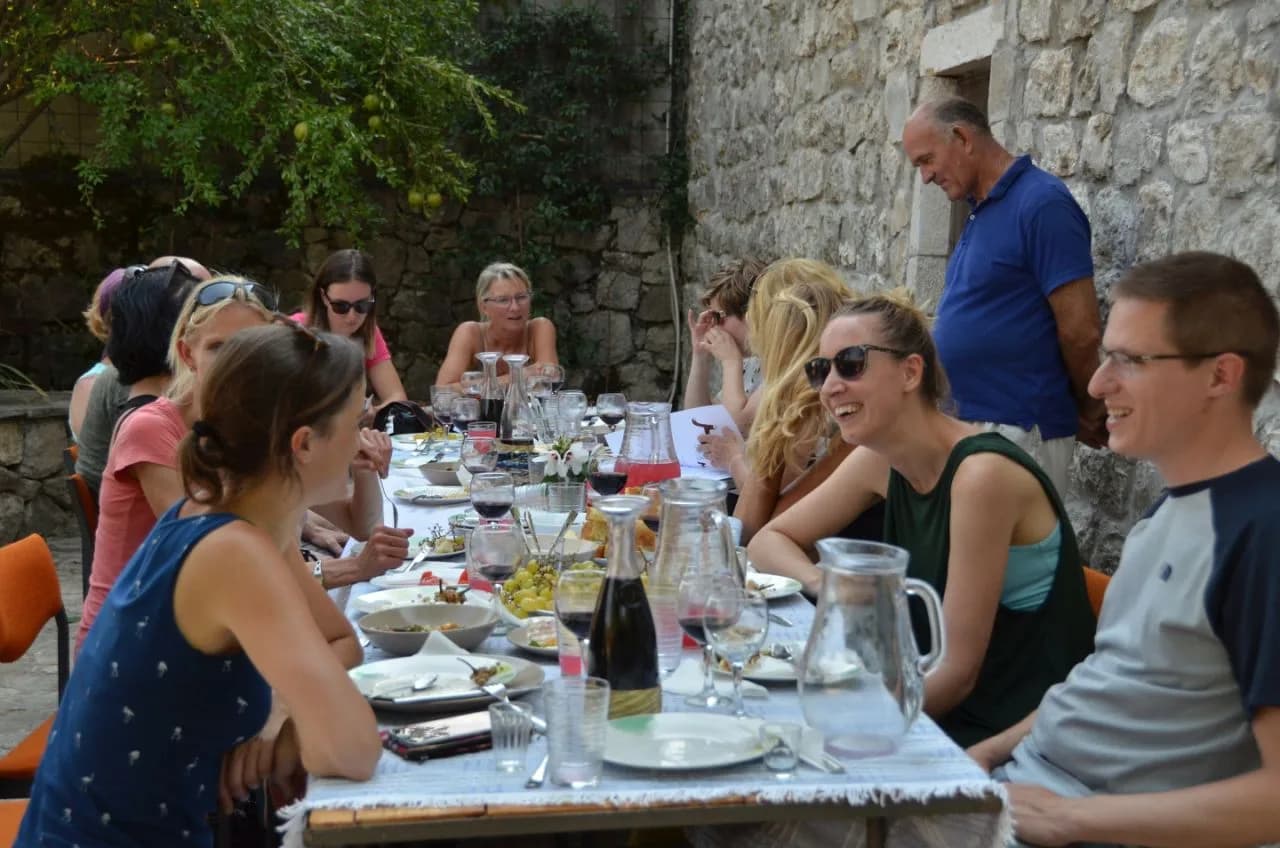
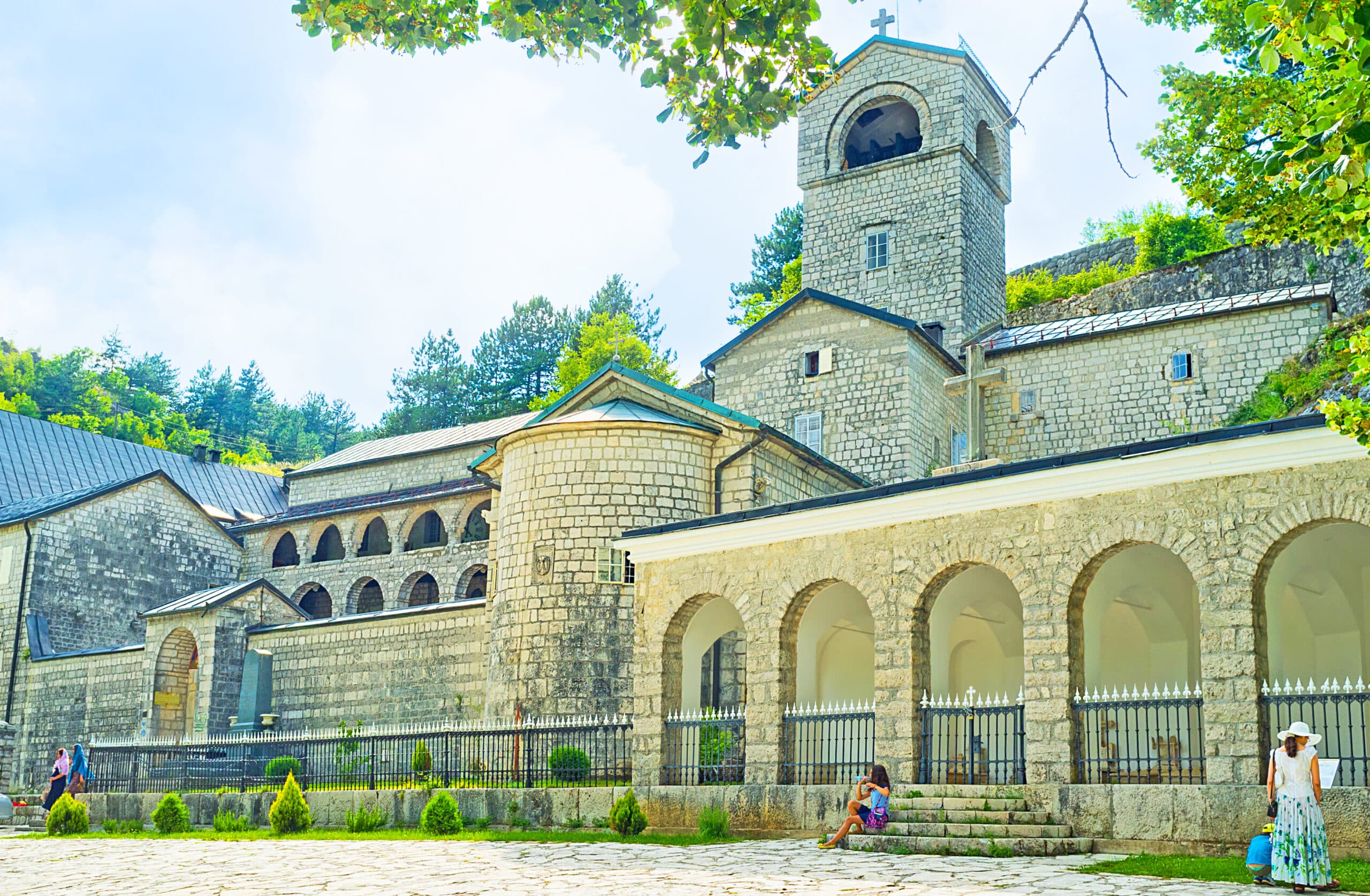
The anchor stop is Kafana Kod Pera na Bukovicu, a family place established in 1881 — the oldest continuously operating eatery of its kind in Montenegro. It has three terraces shaded by elm, lime and cherry trees and seats up to 220. There's an old drying kiln on site, so you can watch how the meat is handled while you eat.
Hours are where people get caught out. One listing shows daily 7:00–23:00, another shows 7:00–19:00. In practice that split matters most in the shoulder and winter months, when the shorter hours are more likely. If you're arriving late in the day or outside summer, phone ahead on +382 69 055 021. Other kitchens in the village — Kafana Porto, Restoran Zora, Konoba Batrićević and the roadside Nevjesta Jadrana snack stop on the P1 — tend to open around 11:00 and close 21:00–22:00, so they're no help for an early breakfast stop.
Why the ham costs what it costs
Njeguški pršut is a protected name — only ham cured in these villages may carry it, and production is documented here since at least 1838. The calendar is strict. Fresh legs come in only between 15 November and 15 February, the coldest months. Each is rubbed with sea salt for about three weeks, then pressed for roughly three more. After that it's lightly smoked over beech and hung to dry in the mountain wind for about three months, then matured — the rules demand at least nine months total, and most hams run close to a year.
The price makes sense once you see the shrinkage. An 11 kg raw leg finishes at a minimum of 6 kg, losing almost half its weight over that year. The microclimate is the whole point: cold air spilling off Lovćen meets milder currents rising from the Bay of Kotor, which is exactly the swing that cures ham well. Pair it with njeguški sir — a firm cow-and-sheep cheese, matured and often kept in oil. Buy a wedge still in oil if you can; it travels better.
Getting there, and the summit beyond
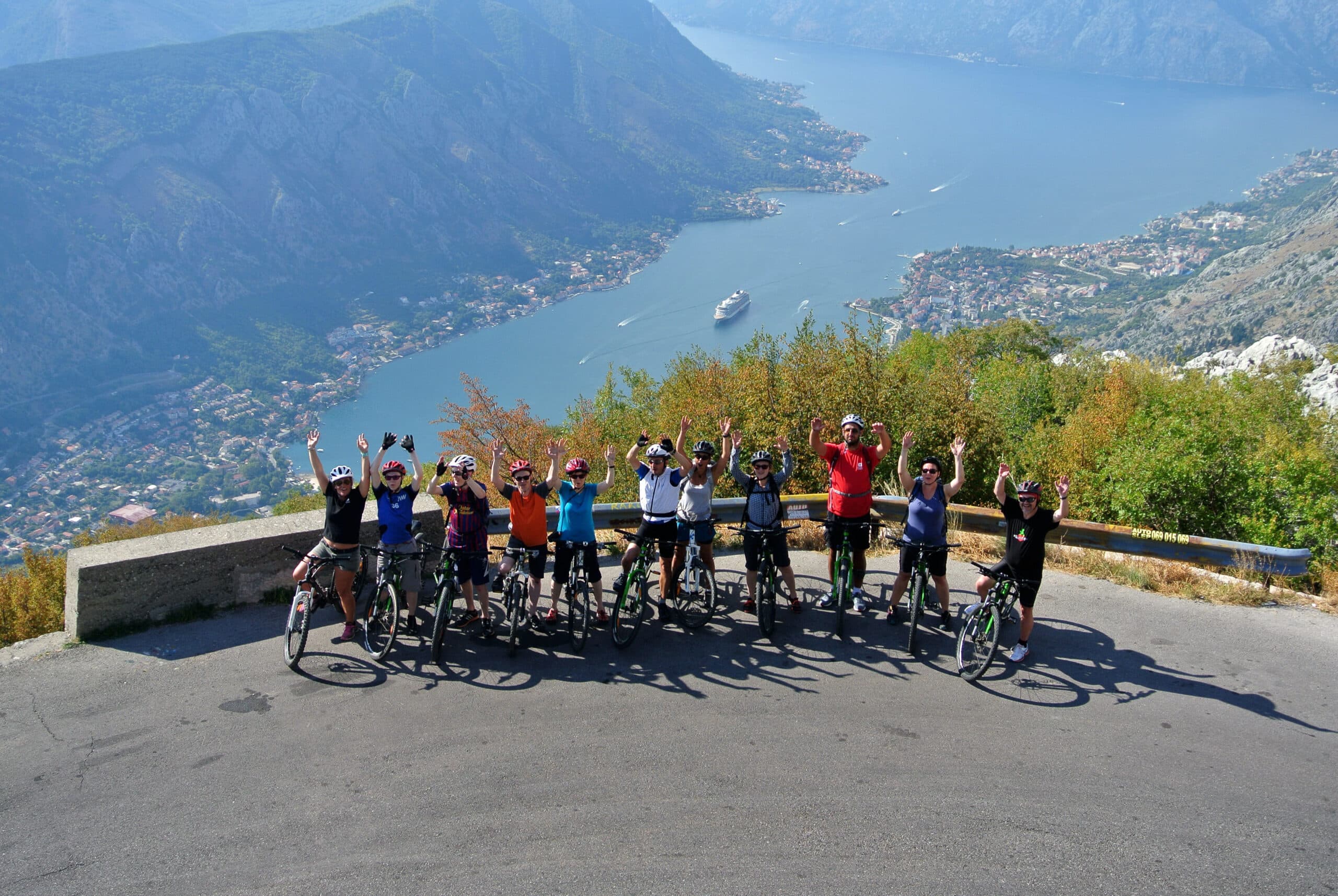
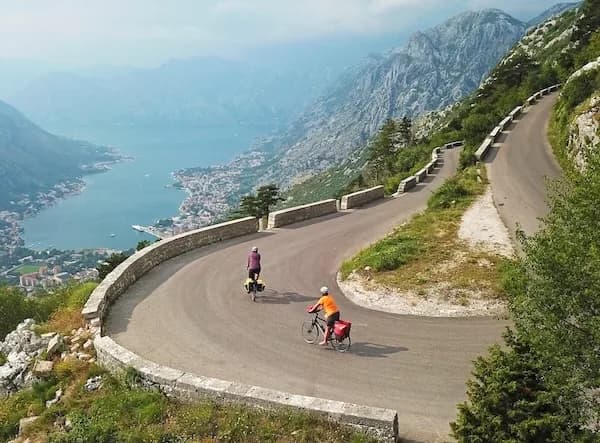
Most people fold Njeguši into a Lovćen day. From Kotor old town it's about 15 km and 30–40 minutes up the serpentine — 25 numbered hairpin bends built by the Austro-Hungarians in the late 19th century, climbing nearly 900 m from the bay. From Cetinje it's the gentler 16 km. Above the village is the Njegoš Mausoleum on the Lovćen summit, with 461 steps inside the tunnel to the chamber.
2026 Lovćen access and fees (cash preferred at park and mausoleum gates)
| Item | Price | Hours / notes |
|---|---|---|
| Lovćen National Park entry | €4 per person | Buy at the gate; no online sales |
| Njegoš Mausoleum (adult) | €8 | Apr–Oct 8:00–20:00 (last entry 19:00); Nov–Mar 9:00–16:00 (last entry 15:00) |
| Mausoleum child 7–18 | €4 | Under 7 free |
| Parking | €2 per car | At the mausoleum car park |
| Kotor Cable Car (return) | €20 adult / €5 child | 9:00–20:00 (Tue from 10:30); closed mid-Oct–late Apr; 11-min ride |
The cable car opened in summer 2023 and carried over 400,000 people across its six-month 2025 season. It's an 11-minute ride and does not start in Kotor town itself. If you take it, you skip the village entirely — which is reason enough to drive the serpentine at least one way and stop for ham.
Timing the stop like a guide
A roadside stop to buy pršut and cheese and stretch your legs needs about an hour. A full tasting lunch at Kod Pera runs 1.5–2 hours. The crush at the kitchen is 11:00–14:00 in high season, because that's when every day tour lands at once. On our runs we aim to be seated before 11:00 or push lunch to after 14:30. Spring through autumn is the window; in winter the park roads close often with snow and ice, and the mausoleum shuts during storms.
One free extra while you're in the village: Petar II Petrović-Njegoš was born here in the only two-storey house in Njeguši, now a small museum. It takes ten minutes and it's a decent counterweight to a plate of cured pork.
What are the opening hours of the Njeguši cheese and pršut stop?
Kafana Kod Pera na Bukovicu opens at 7:00. Closing is listed as either 19:00 or 23:00 depending on season, so call +382 69 055 021 in the shoulder and winter months. Other village kitchens open around 11:00 and close 21:00–22:00.
How much is a pršut and cheese tasting in Njeguši?
A tasting plate of pršut, njeguški sir and olives runs €15–20 per plate. If you're ordering a full lunch, skip the separate plate — the same items come on your main board.
How long is the drive from Cetinje to Njeguši to Lovćen?
Cetinje to Njeguši is 16 km, about 23 minutes. From Njeguši it's a short further climb to the Lovćen summit and mausoleum. From Kotor, it's 15 km and 30–40 minutes up the 25 hairpin bends.
Can I buy pršut to take home, and will it keep?
Yes. A whole or part leg of Njeguški pršut keeps well because it's fully cured — at least nine months, usually close to a year. Buy cheese kept in oil for travel. Buy from a producer with a visible kiln rather than a roadside table.
Do I need to book Lovćen tickets in advance?
No. Park entry (€4) and mausoleum entry (€8 adult) can't be bought online — you pay at the gate and the mausoleum as you arrive. Bring cash. Parking is €2 per car.
If you only have one hour, spend it like this: arrive at 10:30, buy a wedge of cheese in oil and 200 g of sliced pršut, look into the kiln, walk to the Njegoš birth-house, and be back on the road before the tour buses fill the terraces. The ham will outlast your trip home.
Written by
The 3E Travel team