
Published on January 23, 2026
Montenegro weather in January shapes your travel experience more than any other winter month. You arrive during the quietest period of the year, when landscapes slow down and daily life follows winter rhythms. This guide explains what you actually face when you travel at this time, without exaggeration or assumptions. You learn how conditions vary by region, what activities remain realistic, and how to plan your days with confidence. The focus stays on practical details that help you decide if January fits your travel goals.
January in Montenegro brings contrast rather than uniform conditions. The coast feels mild but wet. The mountains turn cold and snowy. Cities move at a slower pace, with fewer visitors and shorter days. You benefit from clear expectations and flexible planning. This article supports that approach by describing conditions you can rely on rather than idealized scenarios.
General Overview of Montenegro Weather in January
Montenegro weather January reflects full winter conditions, though intensity changes by location. You experience the coldest average temperatures of the year across the country. Daylight hours shorten, with sunrise after 7 a.m. and sunset before 5 p.m. Weather systems from the Adriatic and inland Europe meet here, which explains the frequent changes you notice.
Along the coast, average daytime temperatures usually range between 8°C and 13°C. Nights feel cooler and often damp. Rain falls regularly, especially during longer weather fronts. Snow remains rare at sea level, though it can happen during cold spells. Inland regions feel colder, with daytime temperatures often between 0°C and 7°C. Mountain areas stay well below freezing for long periods.
January also brings higher humidity, especially near the sea. You feel this most during overcast days with light rain. Winds can strengthen during passing storms, particularly the bora wind in exposed areas. This wind lowers perceived temperatures and affects ferry schedules. You should expect occasional travel delays, though roads usually remain open outside mountain passes.
The advantage of Montenegro weather January lies in predictability. Winter patterns dominate, which makes planning easier if you prepare properly. Tourist crowds remain minimal, allowing you to move freely through towns and national parks. Accommodation prices drop, and availability increases. Restaurants and cafes stay open in cities, though hours shorten in smaller places.
You should not expect beach weather or high-altitude hiking conditions. Instead, you plan around urban exploration, winter sports, and short nature walks. January rewards travelers who accept seasonal limits and adjust expectations accordingly. If you value calm environments and authentic local routines, this month supports that style of travel well.
Coastal Montenegro Weather in January
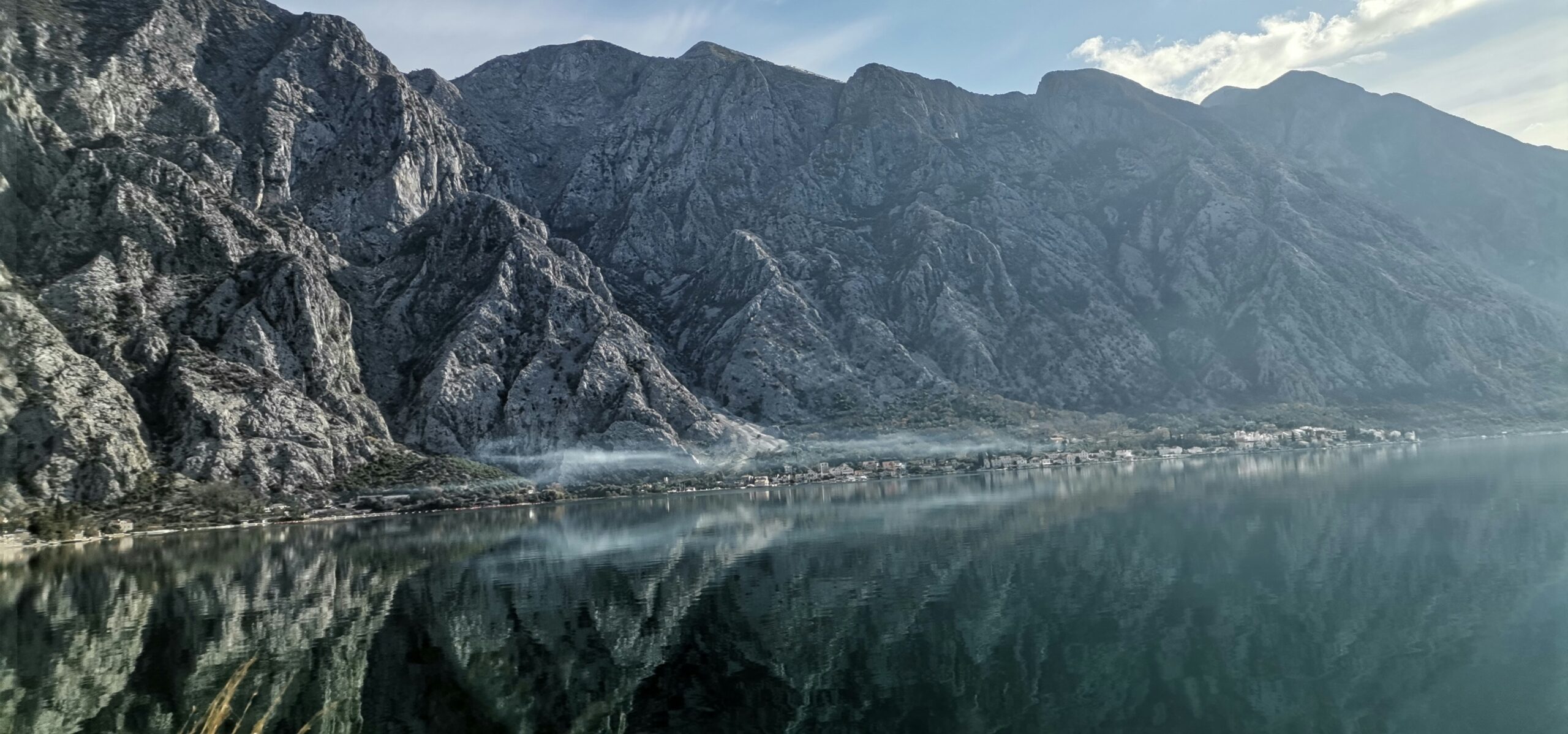
The coast experiences the mildest Montenegro weather January offers. Towns such as Kotor, Budva, and Herceg Novi stay above freezing most days. You walk comfortably during midday hours with proper layers. Temperatures drop in the evening, especially near the water.
Rain defines coastal weather in January. You should expect frequent rainy days, often lasting several hours. Heavy rain usually arrives in waves rather than constant drizzle. Storms can feel intense but pass relatively quickly. The sea turns rough during these periods, which affects boat traffic. Swimming remains unrealistic due to water temperatures around 13°C.
Cloud cover dominates many days, though clear periods appear between systems. When skies clear, visibility improves dramatically. Mountain backdrops around the Bay of Kotor look sharp after rainfall. Photographers appreciate these moments for their clarity and contrast.
Humidity stays high throughout the month. You feel cooler than the thermometer suggests, especially during windy conditions. The bora wind can arrive suddenly, bringing dry air and strong gusts. It clears skies but lowers temperatures quickly. You should secure outdoor items and plan sheltered routes during these episodes.
Despite the weather, coastal towns remain functional. Cafes operate year-round, and museums stay open. You can explore old towns without crowds, even on weekends. Walking routes stay accessible, though you need waterproof footwear due to wet stone surfaces. Coastal trails may feel muddy after rain.
January suits travelers who enjoy slow exploration. You spend time indoors between walks, visiting galleries or enjoying local food. Montenegro weather January on the coast does not support fast-paced itineraries. Instead, it encourages flexible daily planning based on short-term forecasts. When you adapt to that rhythm, the coast remains rewarding even in winter.
Inland and Mountain Weather in January
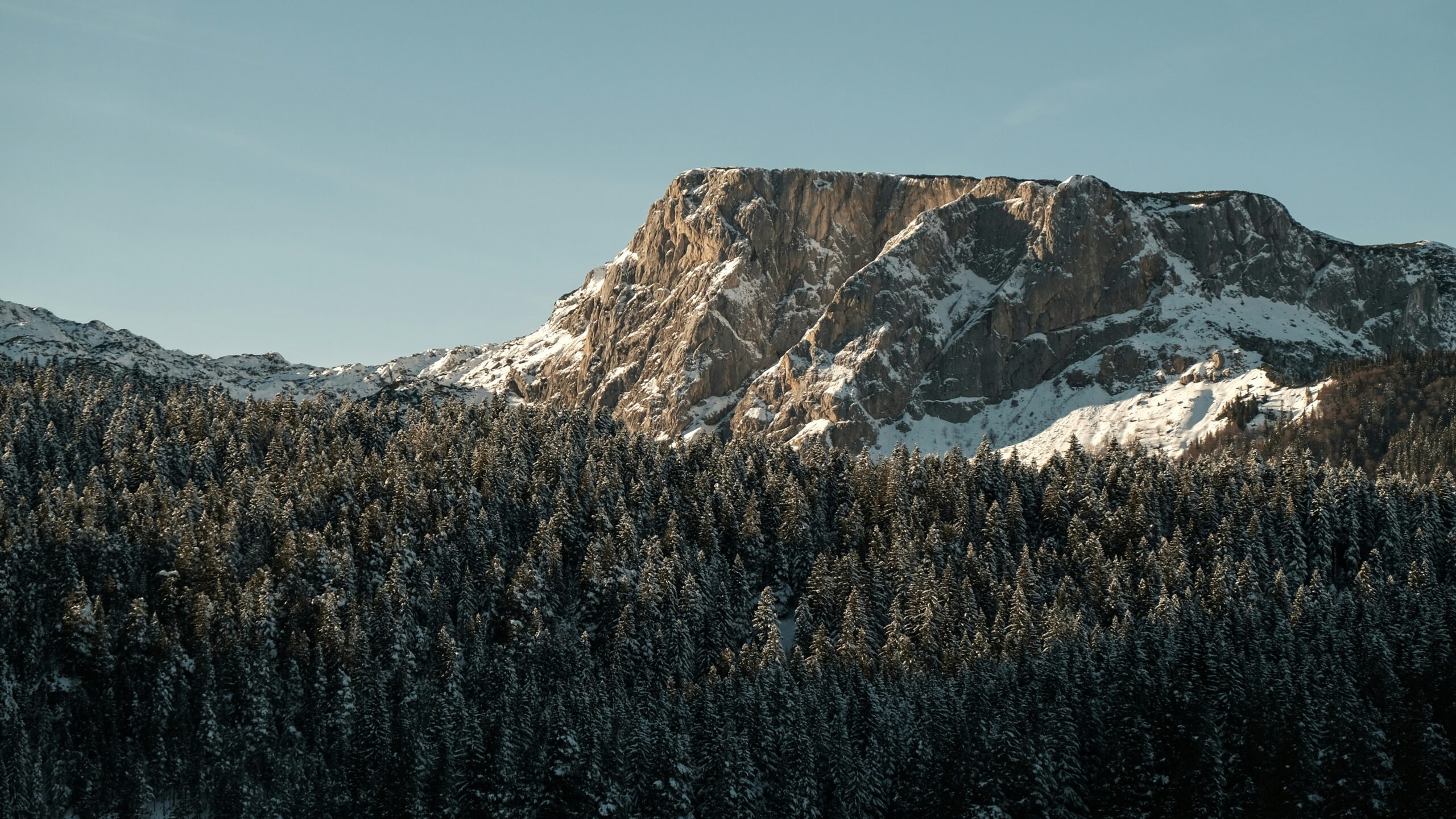
Inland regions experience the most demanding Montenegro weather January conditions. Areas around Žabljak and the Durmitor range remain firmly in winter. Snow covers the ground for most of the month. Daytime temperatures often stay below freezing, especially at higher elevations.
Snowfall varies year to year but remains consistent enough to support winter tourism. You can expect fresh snow events followed by cold, stable periods. Roads remain cleared, though mountain passes may close temporarily after heavy snowfall. You should always check conditions before driving.
Temperatures in mountain towns often range from -5°C to 2°C during the day. Nights drop significantly lower. Clear skies at night bring sharp cold but also excellent visibility. During the day, sunlight feels pleasant when winds remain light. You need proper winter clothing to stay comfortable outdoors.
Central Montenegro, including areas near Podgorica, experiences mixed conditions. Snow appears occasionally but melts quickly. Rain replaces snow during warmer spells. Temperatures fluctuate between 5°C and 10°C. Fog can form in valleys during calm mornings.
Mountain weather supports winter sports better than coastal sightseeing. Ski resorts operate when snow conditions allow. Cross-country skiing and snowshoeing remain popular in national parks. Hiking remains limited to low-risk routes with local guidance. You should avoid unmarked trails due to avalanche risk.
January demands respect for conditions inland. Travel remains safe when you plan conservatively and follow local advice. Weather forecasts remain reliable several days ahead. Montenegro weather January in the mountains rewards preparation rather than spontaneity. When you respect that balance, winter landscapes become the highlight of your trip.
Activities That Fit Montenegro Weather in January
Montenegro weather January shapes which activities make sense. You focus on experiences that align with winter conditions rather than fighting them. Cultural exploration becomes more enjoyable without crowds. Museums, historical towns, and monasteries remain open and quiet.
Urban walking works best during midday hours. You plan routes with indoor stops to warm up. Old towns offer sheltered streets that reduce wind exposure. January light supports photography, especially after rain clears the air. You capture details without interruption from tour groups.
Winter sports dominate mountain regions. Skiing and snowboarding operate when conditions allow. Snowshoeing offers a slower alternative that suits beginners. Guided tours provide equipment and safety support. You avoid solo activities in remote areas due to winter risks.
Food experiences gain importance during this month. You spend more time in traditional restaurants and cafes. Hearty winter dishes appear on menus, reflecting seasonal availability. You enjoy longer meals rather than quick stops. Local wines and rakija complement cold evenings.
Nature remains accessible in controlled ways. Short walks around lakes and viewpoints work during clear days. National parks stay open, though services reduce. You should confirm visitor center hours before arrival. Wildlife sightings increase due to quieter surroundings.
January also supports wellness-focused travel. Spas and wellness centers operate year-round. You combine outdoor cold with indoor warmth for balance. Montenegro weather January encourages this slower, restorative travel style. When you adjust expectations, activities remain fulfilling and varied.
What to Pack and How to Prepare for January Travel
Packing correctly defines your comfort during Montenegro weather January. You prioritize layers over single heavy items. Waterproof outerwear matters more than insulation alone. Rain appears frequently, especially near the coast.
You should pack a waterproof jacket with a hood and sealed seams. Insulated layers work best when removable. Thermal base layers help in both coastal and mountain regions. You add a warm sweater or fleece for evenings. Gloves and a hat remain useful even by the sea.
Footwear requires special attention. Waterproof shoes with good grip reduce slipping on wet stone streets. Snow boots become necessary in mountain towns. You avoid smooth soles, which struggle on icy surfaces. Extra socks help manage moisture.
Accessories improve daily comfort. A compact umbrella works in cities but fails in strong wind. A scarf protects against wind chill. Sunglasses remain useful during clear days, especially on snow.
Travel planning also matters. You build flexibility into your itinerary. Weather changes may alter driving plans or outdoor activities. You check forecasts daily and adjust accordingly. Renting a car with winter tires becomes essential for inland travel.
January rewards preparation rather than minimalism. When you pack thoughtfully, Montenegro weather January feels manageable and even pleasant. You spend less energy coping with discomfort and more time enjoying your surroundings. This approach aligns well with slower, experience-focused travel.