
Published on January 23, 2026
Montenegro weather in February remains winter-focused, though gradual changes become noticeable. Average temperatures rise slightly compared to January. Daylight extends by nearly one hour over the course of the month. You feel this change most in the afternoons, when light lasts longer and temperatures stabilize.
Across the country, February temperatures range between 5°C and 15°C depending on location and altitude. Coastal regions experience daytime highs near 12°C to 15°C during mild periods. Inland cities often stay cooler, with averages between 6°C and 10°C. Mountain areas remain below freezing most days.
Precipitation remains common, especially near the Adriatic coast. Rainfall continues to be higher than the annual average. Snowfall still occurs inland and in the mountains, though accumulation becomes less predictable at lower elevations. You may see rain in the morning and snow in the hills the same day.
Wind continues to influence how temperatures feel. The bora wind still appears, bringing sudden drops in temperature and clearer skies. Humidity remains noticeable along the coast, especially during overcast periods. These conditions affect comfort more than raw temperature numbers suggest.
February maintains low tourist numbers. Many coastal towns feel calm, even on weekends. Accommodation availability stays high, and prices remain lower than in spring. Restaurants and services operate mainly in larger towns and cities. Smaller coastal villages may feel very quiet.
Montenegro weather in February suits travelers who prefer unhurried exploration. You plan activities around weather windows rather than full-day schedules. When you accept that rhythm, February becomes a stable and rewarding travel month.
Coastal Montenegro Weather in February
Along the Adriatic coast, Montenegro weather in February feels milder than inland regions. Towns such as Kotor, Budva, and Herceg Novi rarely experience freezing temperatures. Daytime conditions support comfortable walking when you dress appropriately.
Average daytime temperatures range from 10°C to 15°C. Nights cool down to around 6°C or lower during cold spells. Rain remains frequent, though slightly less intense than in January. You still encounter several rainy days each week, often tied to passing weather systems.
Cloud cover dominates many days, but clear intervals appear more often than in mid-winter. After rainfall, air clarity improves significantly. Coastal mountains and bay reflections become visually striking. Photographers often appreciate February for this reason.
Sea conditions remain rough at times. Strong winds can disrupt ferry services and coastal boat tours. Swimming remains unrealistic, as sea temperatures stay around 13°C. Beaches feel empty, serving more as scenic walking routes than leisure areas.
Humidity continues to influence comfort levels. Damp air combined with wind can make temperatures feel colder than expected. You benefit from windproof outer layers, especially during coastal walks. Old towns provide shelter through narrow streets and stone buildings.
Despite winter conditions, coastal towns function well. Museums, cafes, and historical sites stay open year-round. You enjoy visiting landmarks without queues or crowd pressure. February suits slow-paced coastal exploration rather than packed itineraries. Montenegro weather in February supports that calm approach consistently.
Inland and Mountain Weather in February
Inland regions reflect more variable Montenegro weather in February. Central areas around Podgorica experience mixed winter conditions. Rain dominates most days, though snow appears during colder spells. Temperatures typically range between 6°C and 12°C during the day.
Fog often forms in river valleys during calm mornings. Visibility improves by midday as temperatures rise slightly. These patterns affect driving conditions, especially early in the day. Roads remain open, though wet surfaces demand attention.
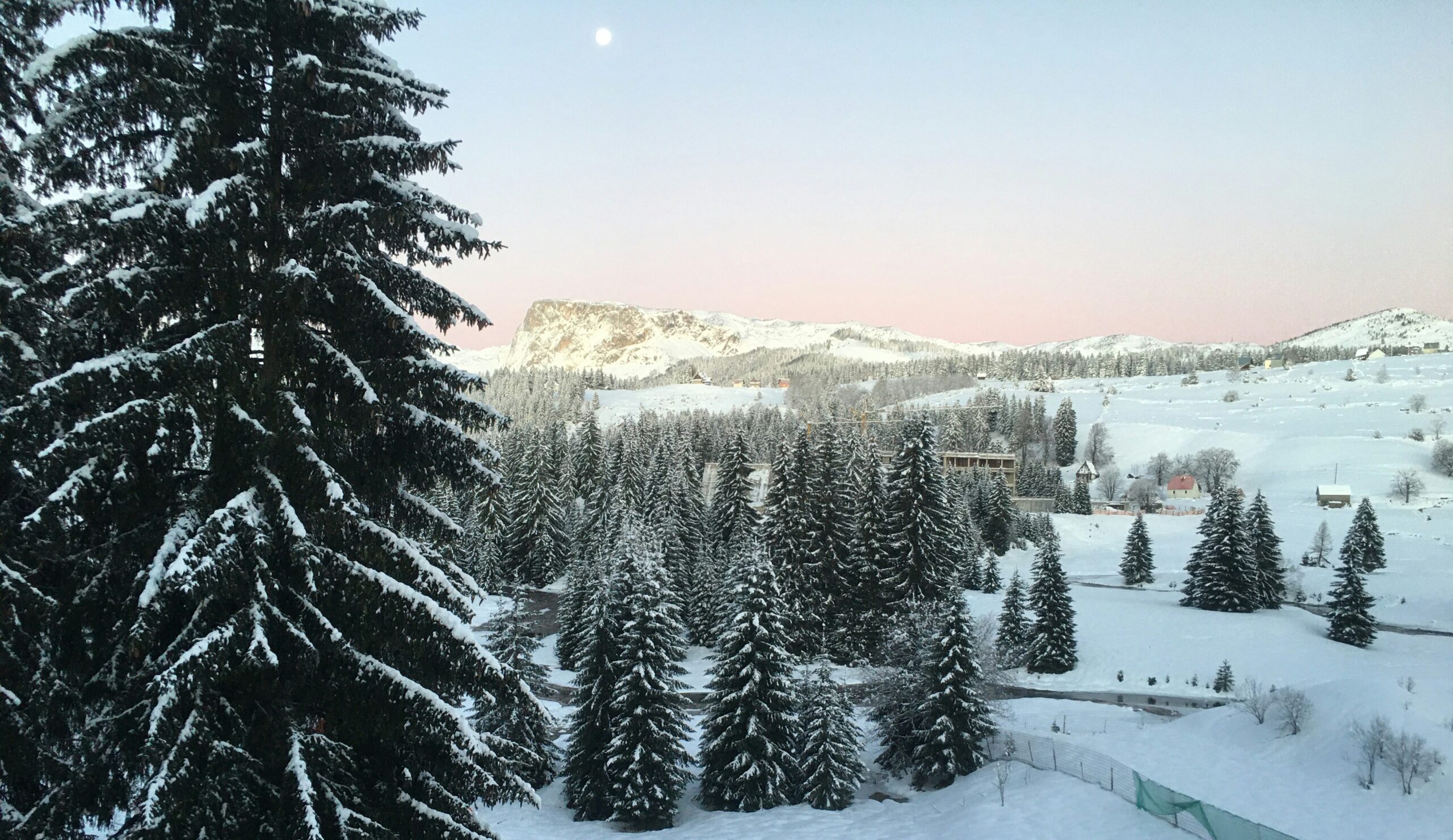
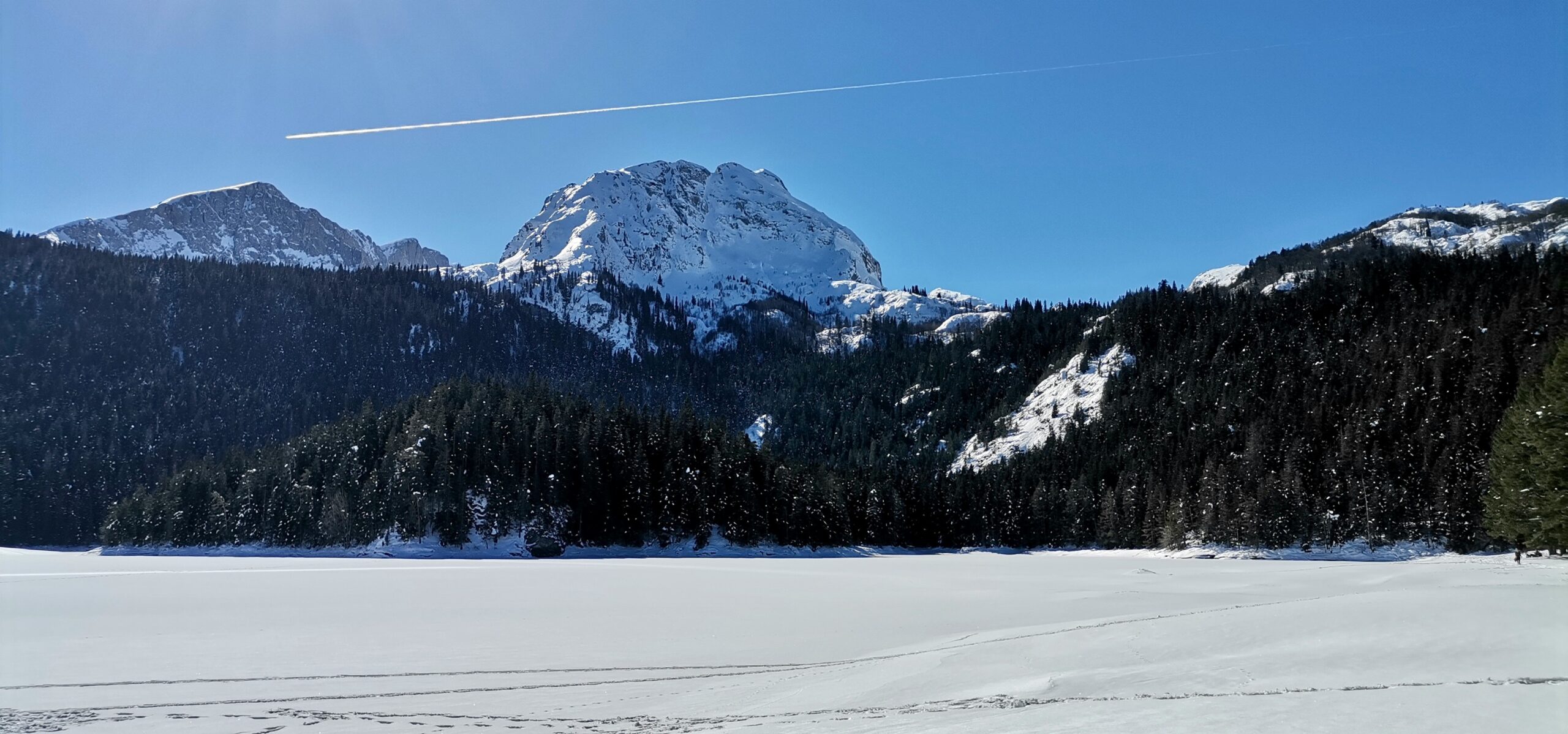
Mountain regions remain fully in winter mode. Areas near Žabljak continue to hold consistent snow cover. Daytime temperatures often stay below freezing. Nights become very cold under clear skies.
Snowfall frequency decreases slightly compared to January, but accumulation remains sufficient for winter sports. Ski resorts continue operating when conditions allow. Snow stability improves as the season progresses, though avalanche risks remain in unmonitored areas.
February weather inland requires planning. You should monitor forecasts closely, especially if traveling between regions. Mountain passes may close temporarily after snowfall, though authorities clear major routes quickly. Winter tires remain essential for inland driving.
Montenegro weather in February inland rewards travelers who plan regionally rather than nationally. You choose either coastal calm or mountain winter rather than trying to combine too much. This approach reduces weather-related stress and improves overall travel flow.
Activities That Match Montenegro Weather in February
Montenegro weather in February supports a narrower but still meaningful range of activities. Cultural exploration remains one of the strongest options. You visit historical towns, museums, and religious sites without crowds. February allows deeper engagement with places rather than surface-level sightseeing.
Walking tours work best during late morning and early afternoon. You plan routes that include indoor stops for warmth. Old towns provide sheltered environments that reduce wind exposure. February light supports photography, especially during clear coastal days.
Winter sports continue to define mountain regions. Skiing and snowboarding remain available when snow conditions permit. Snowshoeing offers a slower alternative that suits varied fitness levels. Guided winter walks provide safety and local insight.
Food-focused travel becomes more prominent. Traditional restaurants serve seasonal dishes suited to colder weather. You spend more time indoors enjoying longer meals. Local markets operate year-round, though selection narrows to winter produce.
Nature experiences remain possible but limited in scope. Short walks around viewpoints and lakes work during stable weather. National parks stay open with reduced services. You should always confirm access conditions in advance.
February also suits wellness-oriented travel. Spas and thermal facilities operate regardless of season. You combine outdoor cold with indoor warmth for balance. Montenegro weather in February naturally encourages this slower, restorative pace.
What to Pack and How to Prepare for February Travel
Packing properly defines your comfort during Montenegro weather in February. You prepare for variable conditions rather than extreme cold alone. Layering remains essential across all regions.
You should bring a waterproof jacket with wind protection. Insulated mid-layers allow adjustment during the day. Thermal base layers help during colder mornings and evenings. A warm sweater or fleece works well indoors and outdoors.
Footwear deserves careful selection. Waterproof shoes with good traction handle wet streets and muddy paths. Snow boots become necessary for mountain travel. Extra socks help manage moisture and temperature changes.
Accessories improve daily comfort. Gloves and hats remain useful, especially inland. A scarf protects against wind chill. Sunglasses help during bright days, particularly near snow-covered areas.
Travel preparation extends beyond packing. You build flexibility into your itinerary. Weather shifts may change plans with little notice. You check forecasts daily and remain open to adjusting activities.
Driving requires attention to seasonal conditions. Winter tires remain mandatory in many regions. You allow extra travel time between destinations. February rewards careful planning rather than tight schedules.
Montenegro weather in February becomes manageable and even enjoyable when you prepare thoughtfully. Proper clothing and realistic expectations allow you to focus on experiences rather than discomfort.
Is February a Good Time to Visit Montenegro?
February suits a specific type of traveler. You value quiet environments, flexible plans, and seasonal authenticity. You prefer fewer visitors over guaranteed sunshine. Montenegro weather in February supports that mindset well.
You experience the country without summer pressure or spring crowds. Prices remain lower, and availability stays high. Local life continues at its natural pace. You observe daily routines without performance for tourism.
Weather remains the main limiting factor. You accept rain, cold, and occasional disruptions. In return, you gain space, calm, and deeper engagement. February works best when you focus on fewer regions rather than covering the whole country.
If your priorities include beach time or extensive hiking, February may not suit you. If you enjoy cultural depth, winter landscapes, and slower travel, this month aligns well with your goals. Montenegro weather in February offers stability within winter boundaries.