
Published on February 12, 2026
If you are planning an active holiday, Hiking in Montenegro: The Complete Guide for 2026 will help you prepare with clarity and confidence. Montenegro offers a rare combination of coastal mountains, deep canyons, glacial lakes, and high alpine peaks within short driving distances. You can hike above the Adriatic Sea in the morning and reach remote mountain trails by afternoon.
Hiking in Montenegro suits different experience levels. You will find short panoramic walks, demanding summit ascents, and multi-day trekking routes. The country’s compact size allows you to combine several regions in one itinerary. Well-marked trails in national parks make independent hiking possible, while guided tours provide added safety and local knowledge.
In 2026, hiking infrastructure continues to improve. Mountain lodges operate seasonally, trail markings are maintained in major parks, and digital maps support route planning. However, terrain remains rugged in many areas. Preparation and realistic route selection remain essential.
This guide explains where to hike, when to go, how to prepare, and what to expect. You will gain practical insight to plan a safe and rewarding hiking experience in Montenegro.
Why Choose Montenegro for Hiking in 2026
Montenegro stands out for its geographic diversity. Within a relatively small territory, you will encounter limestone cliffs, alpine meadows, dense forests, and dramatic river canyons. This concentration of landscapes allows you to experience significant variation without long travel days.
The country includes five national parks, each offering distinct hiking conditions. Trails range from well-maintained paths to remote mountain routes. You can select half-day walks or commit to multi-day treks depending on your schedule and fitness.
Tourism numbers remain moderate compared to larger European hiking destinations. Even during peak summer months, many mountain areas feel uncrowded. You often share trails with small groups rather than large tour buses. This creates a more peaceful atmosphere in nature.
Montenegro’s vertical relief adds challenge and reward. Elevation gains can be steep, but panoramic views compensate for effort. Clear days provide wide vistas over mountain ranges and glacial lakes.
Accessibility also supports hiking travel. International visitors usually arrive via Podgorica or Tivat airports. From there, you can reach mountain regions within two to three hours by car. This proximity allows you to maximize hiking time.
If you want varied terrain, manageable travel distances, and authentic landscapes, hiking in Montenegro in 2025 offers a balanced choice.
Durmitor National Park: High Mountain Hiking
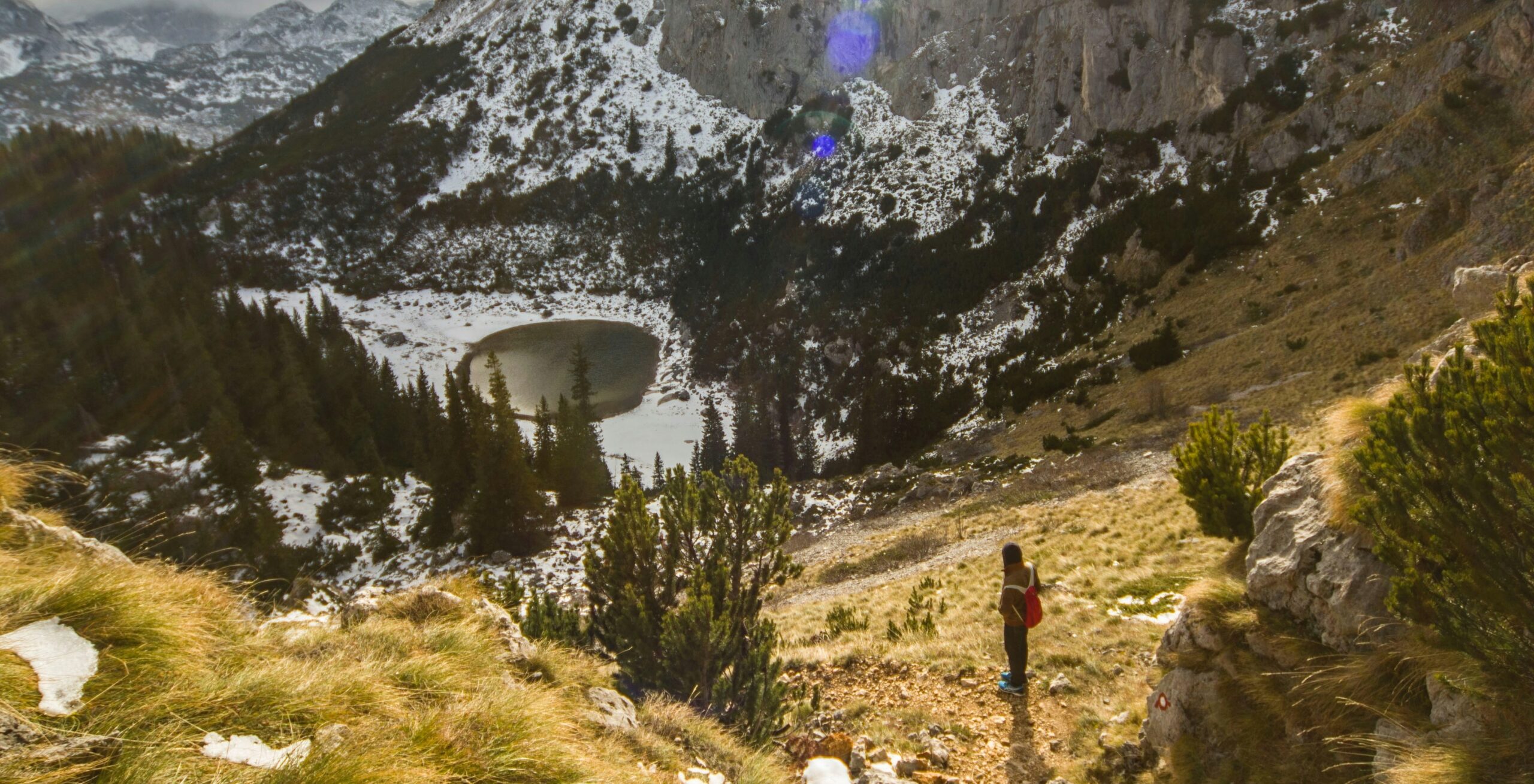
Durmitor National Park offers some of the most dramatic alpine scenery in the Balkans. Located in northern Montenegro, the park features limestone peaks, deep valleys, and glacial lakes. The main base for hikers is the town of Žabljak, which sits at high elevation.
The park includes marked trails for different difficulty levels. Short routes circle Black Lake, making them suitable for relaxed walking. Longer routes lead toward higher summits and remote valleys. Terrain often includes rocky sections and steep ascents.
The highest peak, Bobotov Kuk, reaches 2,523 meters. This summit hike requires good fitness and stable weather conditions. You should start early and monitor forecasts carefully. In early summer, snow may remain on higher sections.
Durmitor also borders the Tara River Canyon, one of Europe’s deepest canyons. While canyon rafting attracts many visitors, hiking viewpoints above the canyon provide impressive perspectives.
Summer months from June to September offer the most stable hiking conditions. However, afternoon thunderstorms can develop quickly. Proper footwear and layered clothing remain essential even during warm periods.
If you seek high mountain terrain and expansive views, Durmitor provides one of the most rewarding hiking environments in Montenegro.
Prokletije National Park: Remote and Wild Trails
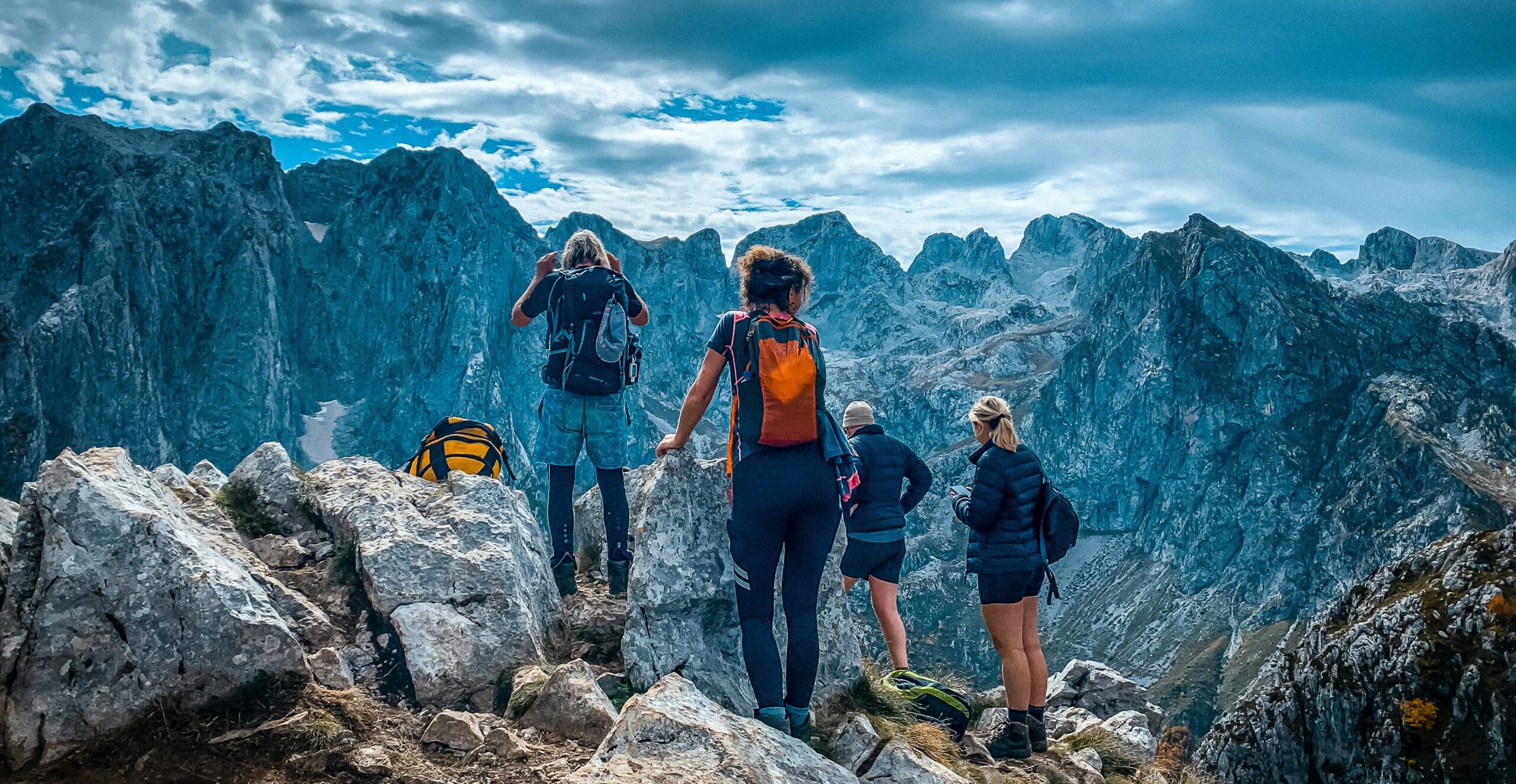
Prokletije National Park lies in the eastern part of the country near the Albanian border. The name Prokletije translates to “Accursed Mountains,” reflecting the dramatic and rugged landscape. This region feels more remote than other parks.
Sharp peaks, steep valleys, and alpine meadows define the terrain. Trails here often involve significant elevation gain. You should expect fewer facilities and limited signage in some sections. Hiring a local guide can increase safety and navigation confidence.
Popular hikes include routes to glacial lakes and high mountain passes. Clear days offer panoramic views across multiple countries. Wildlife remains present in the area, although encounters are rare.
The hiking season typically runs from late June to September. Snow lingers on higher passes into early summer. Weather can change quickly, especially in exposed areas.
Prokletije suits experienced hikers who value solitude. You will meet fewer visitors compared to Durmitor. The environment feels untamed and expansive.
If you prefer remote landscapes and challenging terrain, Prokletije offers a distinctive hiking experience in Montenegro.
Coastal and Bay of Kotor Hiking
Bay of Kotor combines mountain trails with Adriatic views. This region allows you to hike above sea level while staying close to coastal towns. The terrain consists of limestone ridges and historic footpaths.
One well-known route climbs the old fortress walls above Kotor. Stone steps lead to panoramic viewpoints over the bay. Although short, the ascent feels steep. Early morning or late afternoon provides cooler temperatures.
Longer trails connect villages above the bay. You can hike between traditional settlements and enjoy views of islands and fjord-like inlets. Spring and autumn offer ideal conditions due to milder temperatures.
Summer hiking remains possible but requires early starts. Temperatures along the coast can exceed 30°C. Carry sufficient water and sun protection.
The coastal region suits travelers who want moderate hikes without full alpine exposure. You can combine hiking with cultural visits and seaside relaxation.
If you stay near the coast, adding at least one panoramic mountain walk enhances your overall Montenegro experience.
Biogradska Gora and Forest Trails
Biogradska Gora National Park protects one of Europe’s remaining primeval forests. Located between the Tara and Lim rivers, this park offers a different hiking atmosphere compared to high alpine regions.
Dense forest surrounds Biograd Lake, creating shaded walking paths. The main lakeside trail suits most fitness levels. You can complete a circular walk in a few hours without steep ascents.
For more demanding routes, trails climb toward mountain ridges and alpine pastures. These sections involve moderate elevation gain and reward you with open views above the forest canopy.
Biogradska Gora works well for travelers seeking quieter forest environments. The park’s ecosystem includes diverse plant species and birdlife. Summer temperatures feel cooler under tree cover.
This region complements higher mountain parks. You can combine forest hikes with visits to Durmitor or Prokletije within a broader itinerary.
If you value biodiversity and gentle forest trails, Biogradska Gora offers a balanced hiking setting.
When to Go Hiking in Montenegro in 2026
Timing strongly influences your hiking experience. The main hiking season runs from May to October. Conditions vary by elevation and region.
In May and early June, snow may remain on higher mountain trails. Lower elevation hikes remain accessible. Spring brings blooming meadows and flowing rivers.
July and August provide the most stable weather in high mountains. Afternoon storms remain possible. Coastal and lowland hikes become hot during midday hours.
September often delivers clear skies and moderate temperatures. Many hikers consider early autumn ideal for longer treks. Crowds decrease after peak summer.
October offers quieter trails but shorter daylight hours. Higher elevations may experience early snowfall. Checking weather forecasts becomes critical.
Winter hiking requires specialized equipment and experience. Snow covers mountain regions from November to April. Only lower coastal trails remain consistently accessible during colder months.
For 2026 planning, monitor local weather updates and park advisories. Choosing the right season improves safety and comfort.
Practical Tips for Hiking in Montenegro
Preparation ensures a safer and more enjoyable experience. Trail markings exist in national parks but may fade in remote areas. You should carry offline maps or GPS devices.
Footwear remains critical. Choose sturdy hiking boots with good ankle support. Rocky limestone terrain can feel unstable in places. Trekking poles help on steep descents.
Water sources are not always available on trails. You should carry sufficient water, especially in summer. Sun exposure can be intense at higher elevations.
Weather can change quickly in mountain areas. Bring layered clothing and a lightweight waterproof jacket. Even summer mornings can feel cool above 1,500 meters.
Respect local regulations in protected areas. Stay on marked trails to preserve fragile ecosystems. Avoid disturbing wildlife and carry out all waste.
If you lack alpine experience, consider hiring certified local guides. Guided hikes provide navigation support and insight into regional history and geology.
By planning carefully and respecting natural conditions, you will experience hiking in Montenegro as both rewarding and manageable.
Multi-Day Hiking and Regional Connections
Montenegro connects to longer trekking networks across the Balkans. Sections of the Peaks of the Balkans trail pass through Prokletije. These routes link Montenegro with Albania and Kosovo.
Multi-day hikes require logistical planning. You need to arrange accommodation in mountain huts or village guesthouses. Booking in advance during summer months is advisable.
Carrying a lighter pack improves comfort on steep terrain. Some operators provide luggage transfers between villages. This allows you to focus on hiking rather than heavy loads.
Multi-day routes expose you to traditional mountain culture. You pass shepherd huts and seasonal pastures. Local hospitality adds cultural depth to physical challenge.
If you seek extended adventure in 2026, Montenegro offers compact but demanding multi-day options.
Final Thoughts on Hiking in Montenegro in 2026
Hiking in Montenegro in 2026 offers diversity within short distances. You can explore alpine peaks, forest lakes, and coastal ridges in one itinerary. Terrain ranges from gentle walks to demanding summit ascents.
You should match your route to your fitness and experience level. Careful seasonal planning improves safety and comfort. National parks provide structured access, while remote areas require stronger navigation skills.
Montenegro rewards preparation and flexibility. Weather patterns shift quickly in mountainous terrain. Proper equipment and early starts improve your hiking days.
If you value varied landscapes and authentic outdoor experiences, Montenegro presents a strong option for your next active holiday. With thoughtful planning, you can build a balanced hiking journey across coast, forest, and high mountain terrain.