
Montenegro offers something truly special for hikers. Most places make you choose between mountains or sea. But here, you get both at the same time. Montenegro’s coastal mountain trails give you the best of two worlds. You’ll climb through pine forests and rocky peaks. Then suddenly, the deep blue Adriatic Sea spreads out below you.
These trails are different from anything else in Europe. The mountains rise straight from the sea. In some places, you can hike from sea level to over 1,700 meters in just a few hours. The views change as you climb. First, you see fishing villages and beaches. Then olive groves and stone houses. Finally, wild peaks and deep valleys.
The contrast is what makes these trails special. One moment you’re smelling salt air and hearing waves. The next, you’re breathing mountain air and listening to wind through the trees. It’s like hiking through different countries on the same day.
The Magic of Coastal Mountain Hiking in Montenegro
The Dinaric Alps meet the Adriatic Sea in Montenegro. This creates a landscape you won’t find anywhere else. Notably, the mountains don’t gradually slope down to the water. Instead, they drop straight into the sea. In fact, some peaks rise over 1,800 meters just a few kilometers from the coast.
This geography makes for incredible hiking. You start your day at sea level. Then, by lunch, you might be at 1,000 meters looking down at islands and bays. Moreover, the Mediterranean climate means you can hike these trails most of the year. Even in winter, the lower elevations stay mild.
The trails themselves tell Montenegro’s story. Ancient trade routes wind through the mountains. Additionally, stone paths built by shepherds connect villages that are hundreds of years old. Fortress walls from medieval times still mark some ridges. Overall, every step connects you to centuries of history.
Wildlife adds another layer to these hikes. You might see golden eagles soaring over the peaks. Also, wild boar tracks cross the trails in forested areas. And the plant life changes dramatically with elevation. Mediterranean herbs give way to alpine flowers as you climb higher.
A local travel specialist knows which trails offer the best combination of sea and mountain views. They also understand how weather patterns work here. The coast might be sunny while the peaks are cloudy. Or storms might hit the mountains while the sea stays calm. This local knowledge makes all the difference for planning your hiking days.
Best Coastal Mountain Trails by Region
Bay of Kotor Area
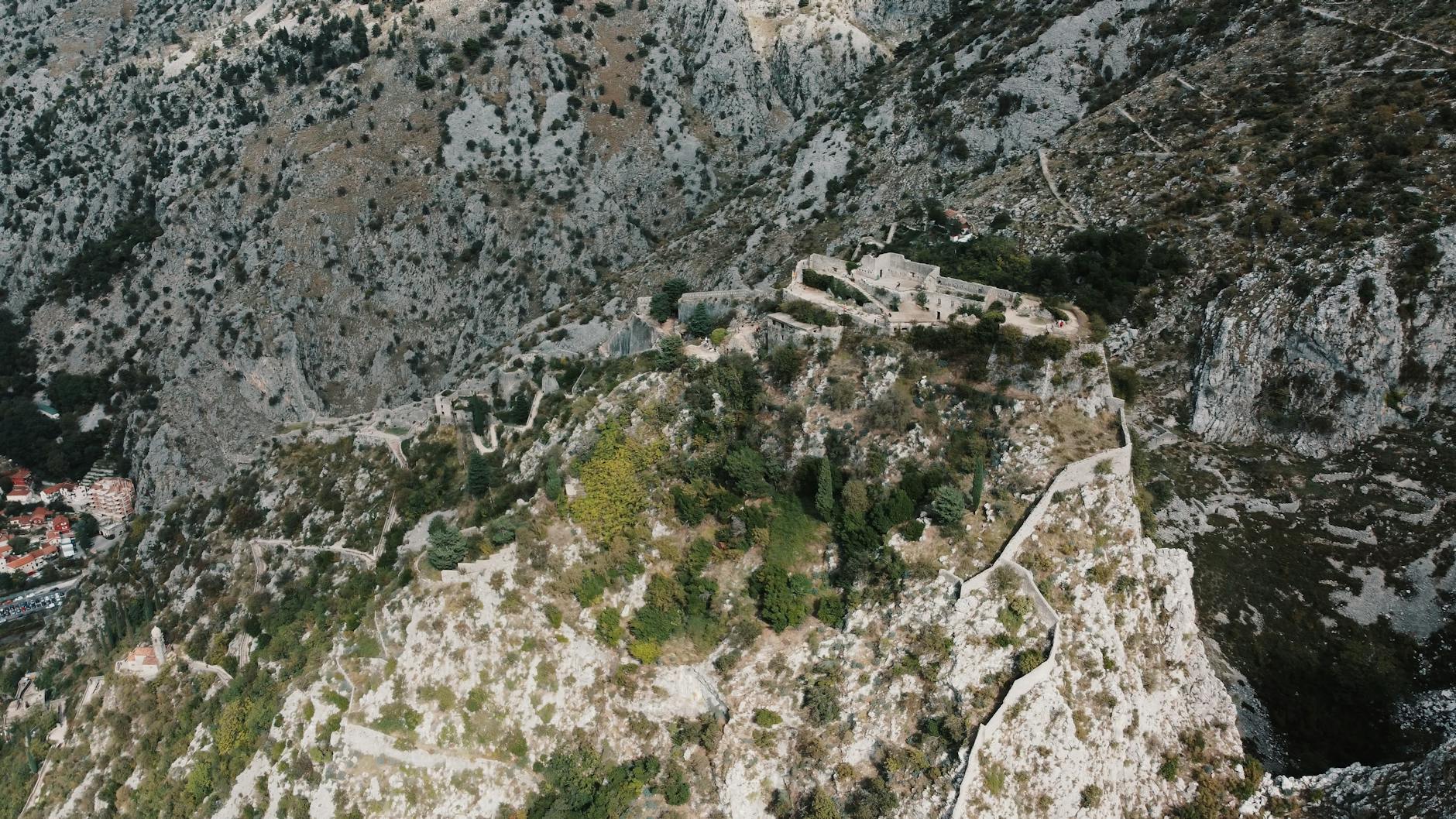
The Bay of Kotor sits between steep mountains and the sea. This creates some of Montenegro’s most famous coastal mountain trails. The bay itself looks like a fjord. But instead of cold northern waters, you get warm Mediterranean seas.
The Ladder of Cattaro trail is the most popular hike here. It follows an old Austrian military path up the mountainside. The trail starts right in Kotor’s old town. Within an hour, you’re high above the bay with views that stretch for miles.
This trail gains about 1,200 meters of elevation. The path is well-marked with stone steps and switchbacks. Along the way, you pass ruins of old fortifications. Then, the final destination is the fortress of St. John. From there, the entire Bay of Kotor spreads out below you.
The Kotor to Lovćen hike takes things further. This full-day trek connects the coast to Montenegro’s most famous mountain. You start at sea level in Kotor. By the end, you’re at 1,749 meters on Lovćen’s peak. The trail covers about 15 kilometers and takes 6-8 hours.
For families, there are easier options around the bay. Short trails lead to viewpoints above Perast and Risan. These give you the coastal mountain experience without the long climbs. Most take 1-2 hours and offer great photo opportunities.
Budva Riviera Mountains
The mountains behind Budva offer a different kind of coastal hiking. These trails are less crowded than those around Kotor. Yet the views are just as good. The Budva Riviera stretches along the coast below. Islands dot the horizon. And on clear days, you can see all the way to Italy.
The trail to Gradište Hill is perfect for sunset hikes. It starts just outside Budva and climbs through olive groves and pine forests. The path is gentle enough for most fitness levels. At the top, you get 360-degree views of the coast and mountains.
Bečići and Rafailovići have trails that lead into the coastal range. These paths follow old shepherd routes through the hills. You’ll pass stone houses and terraced fields. As you go higher, the terrain gets wilder. Eventually, you reach ridges with views of multiple bays and headlands.
A local specialist can arrange these hikes to avoid the heat of midday. They also know which trails have the best wildflowers in spring. Or where to find the clearest views after rain has cleared the air.
Orjen Mountain: The Coastal Giant
Orjen Mountain dominates the landscape between Montenegro and Bosnia. At 1,895 meters, it’s the highest peak in the coastal Dinaric Alps. The mountain rises directly from the Bay of Kotor. This makes it one of Europe’s most dramatic coastal peaks.
Hiking Orjen gives you the ultimate coastal mountain experience. The trails start near sea level. Within hours, you’re on high plateaus with alpine meadows. The contrast is extreme. You can see palm trees and Mediterranean vegetation at the bottom. Then find snow and mountain flowers at the top.
The Orjen plateau is unique in the Balkans. It’s a high-altitude karst landscape with deep holes and underground rivers. The rock formations look almost alien. Yet the views of the Adriatic are pure magic. On clear days, you can see the Italian coast across the water.
Several trails cross Orjen’s plateau. The most popular route starts from Crkvice village. This path leads to Zubacki Kabao, Orjen’s highest point. The hike takes 4-6 hours depending on your pace. The terrain is rocky but not technical.
Weather on Orjen changes quickly. The mountain creates its own climate system. It can be sunny at sea level while storms rage on the peaks. That’s why a travel specialist understands these patterns. They can time your hike for the best conditions and clearest views.
Lovćen National Park: History Meets Heights
Lovćen National Park combines coastal mountain hiking with Montenegro’s most important historical site. The park sits on a high plateau between the coast and the interior. From here, you can see the Adriatic Sea on one side and mountain ranges on the other.
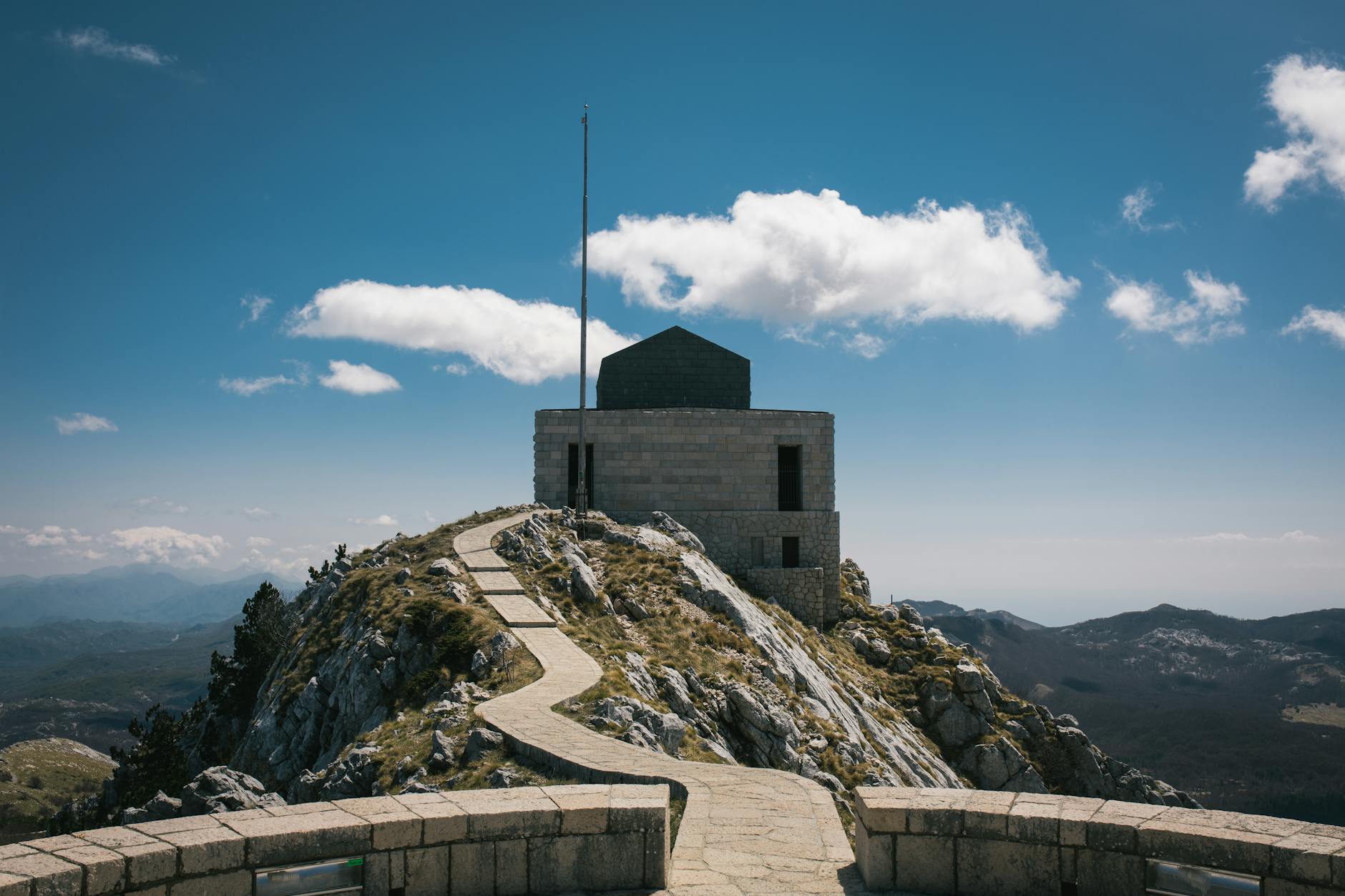
The park’s trails wind through diverse landscapes. Dense forests cover the lower slopes. Higher up, rocky peaks and meadows dominate. The highest point is Jezerski Vrh at 1,749 meters. This is where Montenegro’s founder, Petar II Petrović-Njegoš, is buried in a mausoleum.
The trail to the mausoleum is the park’s most popular hike. It starts from the parking area and climbs about 400 meters over 2 kilometers. The path is paved but steep. At the top, you get incredible views in all directions. The Bay of Kotor lies to the southwest. Lake Skadar stretches to the southeast. And mountain peaks fill the northern horizon.
Longer trails explore Lovćen’s backcountry. These paths follow old shepherd routes through the mountains. You’ll see traditional stone houses called katuns. These were summer homes for families who moved their livestock to high pastures. Many are still used today.
The park has trails for all levels. Families can enjoy short walks to viewpoints. Meanwhile, serious hikers can tackle multi-day treks across the plateau. The variety makes Lovćen perfect for groups with different abilities.
Seasonal Guide to Coastal Mountain Hiking
Spring (March-May)
Spring is one of the best times for Montenegro’s coastal mountain trails. The weather is mild but not hot. Wildflowers bloom across the mountainsides. And the crowds haven’t arrived yet.
March can still have snow on the highest peaks. But the lower trails are usually clear. This is perfect for coastal hikes that don’t go above 1,000 meters. The Montenegro weather in March is generally mild with occasional rain.
April and May are ideal months. Temperatures range from 15-25°C at sea level. The mountains are 5-10 degrees cooler. This makes for comfortable hiking conditions. Additionally, wildflowers peak in late April and early May. The mountainsides turn into carpets of color.
Spring hiking requires layers. Mornings can be cool, especially at higher elevations. But afternoons warm up quickly. A light jacket and rain gear are essential. The weather can change fast in the mountains.
Summer (June-August)
Summer brings hot weather to the coast. But the mountains stay cooler. This makes coastal mountain trails perfect for beating the heat. You can start your day at a hot beach. Then climb into cool mountain air for the afternoon.
Montenegro weather in July and August can reach 35°C at sea level. But at 1,000 meters, temperatures are 10-15 degrees cooler. This temperature difference is what makes summer mountain hiking so refreshing.
Early morning starts are key in summer. Begin your hike at sunrise to avoid the midday heat. Most trails are best hiked before 10 AM or after 4 PM. The golden hour light also makes for better photos.
Summer storms can develop quickly in the mountains. They usually happen in late afternoon. A local specialist knows how to read the weather patterns. That’s why they can plan your hikes to avoid dangerous conditions.
Fall (September-November)
Fall might be the perfect time for coastal mountain hiking in Montenegro. The summer heat fades but the weather stays dry. Crowds thin out after August. And the light becomes soft and golden.
September still feels like summer at sea level. But the mountains are comfortable for all-day hiking. October brings cooler temperatures and changing leaves. November can be rainy but offers clear, crisp days between storms.
Fall hiking gear should include warm layers. Mountain temperatures drop significantly in October and November. But the coast stays mild. This temperature range means you need to dress in layers you can add or remove.
Winter (December-February)
Winter coastal mountain hiking is possible but challenging. The coast stays mild with temperatures around 10-15°C. But the mountains can have snow above 800 meters. This creates interesting hiking opportunities for experienced hikers.
Lower elevation trails stay accessible all winter. These coastal paths offer great views without snow concerns. The air is clear and crisp. And you’ll have the trails mostly to yourself.
Higher elevation trails require winter hiking experience. Snow and ice can make paths dangerous. Weather changes quickly. So only attempt these trails with proper gear and local knowledge.
What to Expect on the Trails
Trail Conditions and Difficulty
Montenegro’s coastal mountain trails vary widely in difficulty. Some are gentle walks suitable for families. Others are challenging climbs that require good fitness and hiking experience. The terrain ranges from paved paths to rocky scrambles.
Most popular trails are well-marked. Stone cairns and painted blazes show the way. But some remote routes require navigation skills. A local travel specialist can match trails to your group’s abilities and experience level.
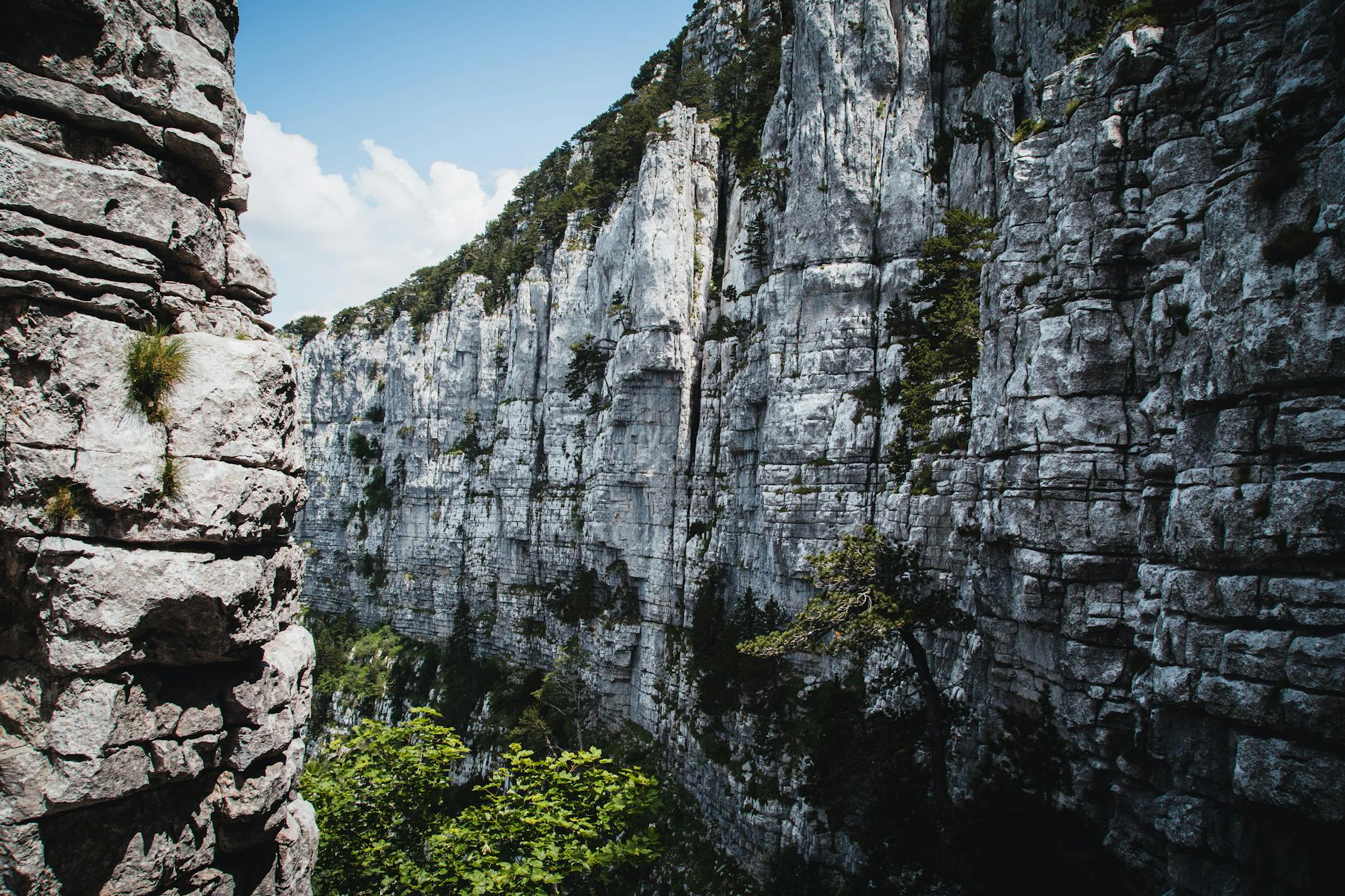
The rock in this region is mostly limestone. This creates interesting formations but can be slippery when wet. Good hiking boots with solid grip are essential. Trekking poles help on steep or rocky sections.
Water sources are limited on many trails. The limestone landscape means streams often flow underground. That’s why you should always carry plenty of water, especially in summer. A local guide knows where reliable water sources exist.
Flora and Fauna
The plant life on coastal mountain trails changes dramatically with elevation. Near the sea, you’ll find Mediterranean vegetation. Olive trees, rosemary, and lavender grow wild. Pine forests cover the middle elevations. Above the tree line, alpine flowers bloom in spring and summer.
Wildlife is abundant but often shy. Wild boar live in the forests. You might see their tracks or hear them moving through the brush. Golden eagles soar over the peaks. And smaller birds like hoopoes and bee-eaters add color to the landscape.
Snakes exist in this region but are rarely dangerous. Most are harmless species that avoid humans. The few venomous species are not aggressive. Still, watch where you step and don’t reach into areas you can’t see clearly.
Insects can be bothersome in summer. Mosquitoes are worst near water sources. Also, ticks exist in grassy areas. Insect repellent and long pants help protect against bites. Check for ticks after hiking through tall grass or brush.
Cultural Sites Along the Trails
Many coastal mountain trails pass historical and cultural sites. Ancient trade routes connected the coast to inland areas. Stone paths and bridges from these routes still exist. Some trails follow Roman roads that are over 2,000 years old.
Orthodox monasteries sit in remote mountain locations. These were built for protection and spiritual isolation. Many welcome respectful visitors. The monks often maintain gardens and keep traditional crafts alive.
Old shepherd settlements dot the high pastures. These stone houses were used seasonally when families moved livestock to summer grazing areas. Some are still active. Others stand empty but show how people lived in the mountains for centuries.
Fortress ruins mark strategic points along many ridges. These were built to control trade routes and defend against invaders. The views from these sites show why they were chosen. You can see for miles in all directions.
Planning Your Coastal Mountain Trip
Choosing the Right Trails
The best trails for your group depend on fitness level, experience, and interests. Families with young children need shorter, easier paths. Meanwhile, experienced hikers might want multi-day trips. Luxury travelers often prefer trails with cultural sites and comfortable places to stay nearby.
For first-time visitors, the 15 best hikes in Montenegro provides a good overview. This helps you understand the range of options available. But a local specialist can customize recommendations based on your specific needs.
Consider what you want to see most. Some trails focus on sea views. Others emphasize mountain landscapes. Many combine both. Historical sites, wildlife viewing, and photography opportunities vary by trail as well.
Weather and season affect trail choice. Some high-elevation paths are only accessible in summer. Others are better in cooler months. That’s why a travel specialist understands these seasonal patterns and can plan accordingly.
Essential Gear and Preparation
Good hiking boots are the most important gear for coastal mountain trails. The rocky limestone terrain demands solid ankle support and grip. Lightweight hiking boots work for most trails. For technical approaches, you might require more substantial footwear.
Layered clothing handles the temperature changes between sea level and mountain peaks. Start with moisture-wicking base layers. Then add insulating layers for warmth. Top with a waterproof shell for wind and rain protection.
Sun protection is crucial on exposed mountain trails. The combination of altitude and reflection off rocks intensifies UV exposure. Sunscreen, hat, and sunglasses are essential. Long sleeves help prevent sunburn on all-day hikes.
Navigation tools help on less-marked trails. A GPS device or smartphone with offline maps provides backup navigation. But don’t rely entirely on technology. Paper maps and compass skills are valuable backups.
Working with Local Specialists
A local travel specialist makes coastal mountain hiking much better. They know which trails have the best views on any given day. Weather patterns, seasonal changes, and how many people are on the trails all matter for their suggestions.
Local knowledge extends beyond trail selection. Specialists understand cultural sites along the routes. They can arrange visits to monasteries or meetings with local shepherds. These interactions add depth to the hiking experience.
Safety is another key benefit of local expertise. Mountain weather can change quickly. Trail conditions vary with seasons. A specialist monitors these factors and adjusts plans as needed. This lets you focus on enjoying the hike rather than worrying about logistics.
For families, specialists can suggest family-friendly hiking options that keep children engaged. They know which trails have interesting features for kids. And they can arrange shorter alternatives if energy levels drop.
Luxury travelers benefit from specialists who understand what makes them comfortable. They can arrange private rides to trailheads. Or suggest trails that end near great restaurants or hotels. The goal is mixing adventure with comfort.
Frequently Asked Questions
What’s the best time of year for coastal mountain hiking in Montenegro?
Spring (April-May) and fall (September-October) offer the best conditions. Weather is mild, crowds are smaller, and visibility is often excellent. Summer works well for early morning or late afternoon hikes. Winter is possible on lower elevation coastal trails but requires careful planning for mountain routes.
How difficult are Montenegro’s coastal mountain trails?
Trail difficulty varies widely. Some coastal paths are suitable for families with young children. Others require good fitness and hiking experience. Most popular trails like the Ladder of Cattaro are moderately challenging. That’s why a local travel specialist can match trails to your group’s abilities and experience level.
Do I need special permits for hiking in Montenegro?
No special permits are required for most hiking trails in Montenegro. National parks like Lovćen charge small entrance fees. Also, some remote areas might have access restrictions during hunting seasons. A local specialist stays current on any temporary closures or requirements.
What should I pack for a coastal mountain hike?
Essential items include sturdy hiking boots, layered clothing, sun protection, plenty of water, and snacks. Weather can change quickly between sea level and mountain peaks. A waterproof jacket and warm layer are important even in summer. Don’t forget a camera for the incredible views.
Are the trails well-marked and safe?
Popular trails like those around Kotor and in Lovćen National Park are well-marked with signs and blazes. However, remote routes might have less obvious markings. Trail conditions are generally good but can be rocky and steep. That’s why weather awareness and proper preparation are key to safe hiking. A local guide provides additional safety and navigation support.
Travel conditions can change — we recommend confirming details with a local specialist before your trip.