
Published on February 19, 2026
The Ladder of Cattaro is one of the most historic and physically rewarding hiking routes on the Montenegrin coast. When you choose the Ladder of Cattaro hike, you follow an ancient mountain path that once connected the Bay of Kotor with the inland regions of Montenegro. This stone trail rises steeply above the medieval town of Kotor and reveals wide views across the bay with every switchback. You begin at sea level and gradually climb into rugged karst terrain shaped by centuries of movement and trade. The experience combines history, elevation gain, and coastal panoramas in a single continuous effort. With careful preparation and realistic pacing, you can turn the Ladder of Cattaro into a structured and meaningful day hike.
Understanding the History Behind the Ladder of Cattaro
The Ladder of Cattaro takes its name from the old Italian name for Kotor, Cattaro. During the period of Venetian and later Austro-Hungarian influence, this route served as a critical mountain connection. It linked the fortified coastal town of Kotor with inland settlements and trading networks. Before modern roads existed, people transported goods by foot or animal along these steep zigzag paths.
The trail functioned as a strategic and economic lifeline. Merchants, soldiers, and local residents relied on it to move between coast and hinterland. You still see the remains of old stone paving in certain sections. The tight switchbacks reflect deliberate engineering designed to make the climb manageable for loaded animals. Each curve reduces the gradient and allows steady progress.
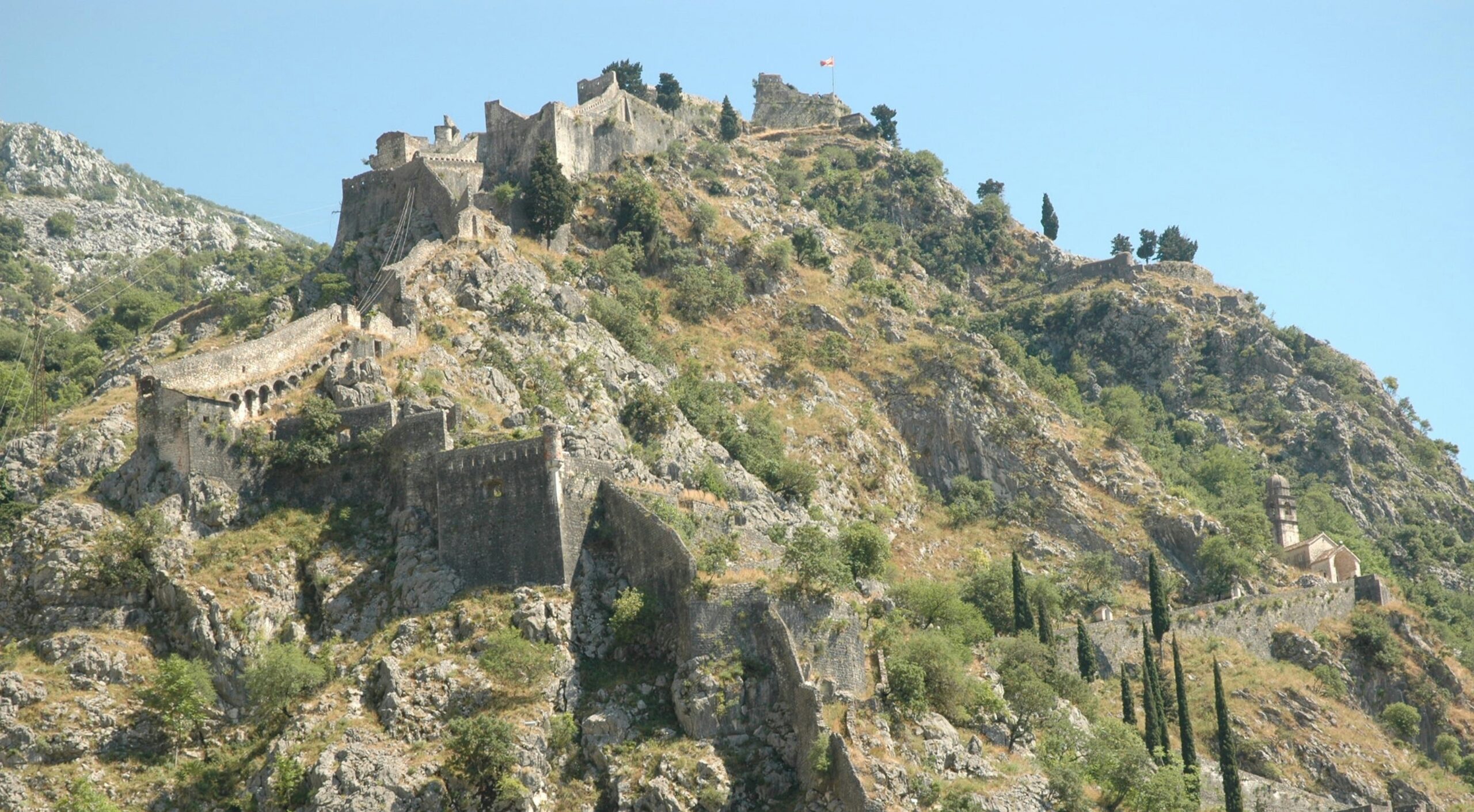
The defensive walls of Kotor extend high into the mountains above the old town. These fortifications once protected the city from inland attacks. The Ladder of Cattaro intersects with these structures, especially near the fortress of San Giovanni. As you climb, you pass through layers of history embedded in stone.
Understanding this historical context deepens your hike. You are not simply exercising on a mountain path. You are retracing a route shaped by trade, defense, and regional politics. The stone under your feet once carried goods such as salt, wool, and agricultural products. It also carried news and cultural exchange between coast and interior.
Over time, the route lost its primary transport function as modern roads replaced footpaths. However, its physical structure remained largely intact. Today, hikers and mountain bikers use it for recreation. Preservation efforts focus on maintaining access while respecting heritage value.
When you approach the Ladder of Cattaro with awareness of its past, the steep ascent feels purposeful. Each switchback becomes a reminder of the region’s resilience and adaptation. The climb connects you not only to elevation but also to centuries of movement across Montenegro’s rugged terrain.
Starting the Ascent from Kotor’s Old Town
Your hike typically begins within the medieval walls of Kotor. Narrow stone streets lead you toward the base of the fortress trail. Early departure is advisable, especially during summer months, to avoid heat and heavy visitor traffic. The first stage overlaps with the well-known fortress steps that climb toward San Giovanni.
The initial section consists of uneven stone steps rising sharply above the town. You gain elevation quickly, and your breathing becomes deeper within minutes. Good hiking shoes provide stability on worn stone surfaces. Carry sufficient water because shade remains limited on exposed sections.
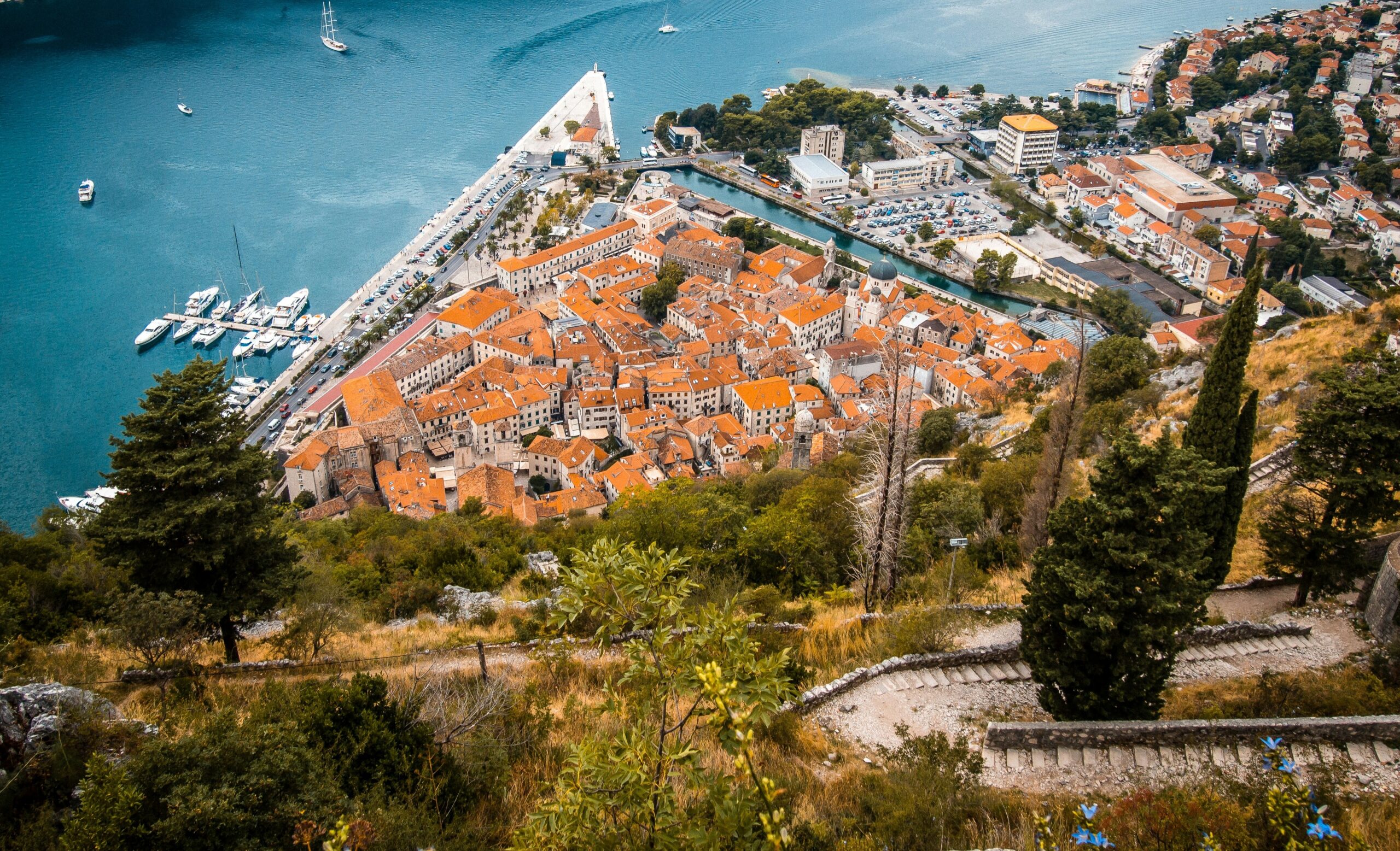
As you ascend, the view over the Bay of Kotor widens. The red rooftops of the old town shrink below you. Boats appear small against the calm surface of the bay. The fjord-like shape of the water becomes more defined with height. You can pause at designated viewpoints to regulate pace and enjoy the expanding panorama.
After passing the main fortress area, the atmosphere shifts. Many casual visitors turn back at the fortress. You continue upward toward quieter terrain. The stone steps gradually give way to gravel and earth paths. The urban noise fades, replaced by wind and distant bird calls.
Soon you encounter the beginning of the true Ladder of Cattaro switchbacks. The trail zigzags across open karst slopes above the defensive walls. The curves appear almost geometric from a distance. Each turn offers a slightly different angle of the bay and surrounding mountains.
Maintaining steady rhythm becomes important here. The incline remains consistent but manageable if you avoid rushing. Short pauses every few switchbacks help conserve energy. Trekking poles can reduce pressure on knees and improve balance.
This lower section sets the tone for the entire hike. You transition from historic townscape to exposed mountain slope within a relatively short distance. The Ladder of Cattaro reveals how abruptly Montenegro’s terrain rises from sea level. You feel the vertical scale in your legs and lungs.
Climbing the Switchbacks and Entering Karst Terrain
As you progress higher on the Ladder of Cattaro, the environment becomes more rugged. Vegetation thins, and rocky limestone dominates the landscape. The trail surface varies between compacted earth, loose gravel, and sections of old stone paving. Careful foot placement prevents slips, especially on dry, dusty days.
The switchbacks form the defining feature of this hike. From below, they resemble a ladder leaning against the mountain. From within the route, each bend provides psychological structure. You focus on reaching the next turn rather than the distant summit. This segmented approach makes the long climb more manageable.
Exposure to sun increases at higher elevations. There is little natural shade on open sections. Wearing a hat and applying sun protection helps prevent overheating. Even during cooler months, direct sunlight reflects strongly off pale limestone.
As elevation increases, wind exposure may also intensify. Breezes from the bay can cool your body quickly during rest stops. Carrying a lightweight windproof layer allows you to regulate temperature effectively.
The views expand continuously. You see deeper into the Bay of Kotor and toward surrounding peaks. The interplay between water and mountain becomes clearer. You recognize how tightly compressed Montenegro’s coastal geography is. Sea and summit exist within short horizontal distance but significant vertical separation.
Wildlife sightings are possible in quieter stretches. You may notice lizards warming themselves on rocks or birds gliding above thermal currents. Larger animals remain elusive, but signs of grazing goats sometimes appear near rural stone structures.
Occasionally, you pass small ruins or shepherd shelters built from local stone. These structures reflect seasonal agricultural use of higher slopes. They also provide brief wind shelter during breaks.
The physical demand of this section requires consistent hydration and pacing. Eating small snacks maintains stable energy. Avoid long stationary breaks that cool muscles excessively. Instead, take short, regular pauses while standing or sitting briefly.
The Ladder of Cattaro rewards patience. The climb feels steady rather than extreme. However, cumulative elevation gain can exceed 900 meters by the time you reach higher plateaus. Respecting this effort ensures that you maintain strength for the remainder of the route.
Reaching the Krstac Pass and Higher Mountain Routes
At the top of the main switchback section, you approach the area near Krstac Pass. This mountain pass historically connected coastal trade routes with inland Montenegro. The terrain here opens into broader landscapes with less dramatic incline. You feel the shift from steep ascent to rolling mountain environment.
From Krstac, you have several options depending on your fitness and available time. Some hikers choose to descend by road transport arranged in advance. Others continue deeper into the mountains toward Lovćen. If you extend your route, you move closer to Lovćen National Park, which protects the massif rising above the bay.
The air at this altitude feels cooler and cleaner than at sea level. Vegetation becomes more diverse again as you move into slightly forested sections. Pine and beech trees offer intermittent shade. The open karst landscape transitions into mixed mountain terrain.
Looking back toward Kotor, you appreciate the vertical distance covered. The town appears small and distant. The defensive walls, once towering above the harbor, now seem delicate against the slope. This perspective reinforces the physical achievement of climbing from sea level to mountain pass on foot.
If you continue toward Lovćen, the route may intersect with segments of the historic serpentine road. These paths once carried goods and travelers between Kotor and inland towns such as Cetinje. The connection between Ladder of Cattaro and broader regional routes becomes evident.
Weather conditions at Krstac can differ significantly from the coast. Clouds sometimes gather around higher peaks while the bay remains clear. Always check forecasts for both elevations before departure. Carrying a light jacket remains advisable even during summer.
Many hikers choose to conclude the Ladder of Cattaro at Krstac and arrange transport back to Kotor. Descending the entire switchback route can be demanding on knees and ankles. A pre-arranged pickup simplifies logistics and reduces strain.
Reaching this point completes the core experience of the Ladder of Cattaro. You have followed a historic mountain artery from medieval harbor to inland pass. The transition feels clear and measurable, both physically and geographically.
Practical Planning and Safety Considerations
The Ladder of Cattaro hike requires preparation due to elevation gain and exposure. You should allow at least four to six hours for ascent to Krstac, depending on pace and rest stops. Starting early in the morning reduces heat stress and crowd density on lower sections.
Water supply is critical. There are no reliable water sources along the route. Carry at least two liters per person in moderate weather. Increase this amount during peak summer temperatures. Dehydration can impair judgment and physical performance.
Footwear must provide good grip and ankle support. The combination of stone steps, gravel, and uneven surfaces increases risk of slips. Trail shoes with sturdy soles or light hiking boots are appropriate. Avoid smooth-soled footwear.
Sun protection is essential. The lower fortress section and upper switchbacks offer limited shade. Apply sunscreen before starting and reapply during breaks. Wearing lightweight, breathable clothing helps regulate body temperature.
Navigation remains relatively straightforward because the trail is visually obvious in many sections. However, carrying a GPS track or map prevents confusion at junctions near Krstac. Do not rely solely on memory or assumption.
If you prefer structured guidance, joining a guided Ladder of Cattaro tour provides added security. A local guide manages pacing, historical interpretation, and transport logistics. This option suits travelers who value insight and simplicity.
Physical preparation improves enjoyment. Regular uphill walking or stair training before your trip strengthens legs and cardiovascular endurance. You do not need technical climbing skills, but you should feel comfortable with sustained ascent.
Emergency planning should include informing someone of your intended route and expected return time. Mobile coverage is generally available but may weaken in certain sections. Carrying a fully charged phone enhances safety.
Responsible behavior protects the fragile karst environment. Stay on marked paths to prevent erosion. Carry out all waste. Avoid disturbing wildlife or removing stones from historic structures.
When you approach the Ladder of Cattaro with preparation and respect, the experience becomes structured rather than overwhelming. The climb challenges you physically but remains achievable with steady pacing and thoughtful logistics.
Integrating the Ladder of Cattaro into a Coastal Itinerary
You can integrate the Ladder of Cattaro into a broader Bay of Kotor travel plan. Spending a night in Kotor before the hike allows proper rest and early departure. Exploring the old town the evening before adds cultural context to the ascent.
After completing the hike, you may choose to stay inland near Cetinje or Lovćen. This transition from coast to mountain enriches your itinerary. You experience both maritime and highland environments within short distance.
Combining the Ladder of Cattaro with a boat trip on the Bay of Kotor offers contrasting perspectives. One day you observe the mountains from water level. The next day you look down on the same bay from above. This vertical interplay defines Montenegro’s coastal geography.
Active travelers often pair this hike with other regional routes. Lovćen National Park provides additional mountain trails. Further north, Durmitor offers alpine terrain of different character. Montenegro’s compact size allows efficient movement between landscapes.
The Ladder of Cattaro stands out because it connects history, elevation, and coastal scenery in one continuous route. You begin within fortified stone walls and end on a mountain pass shaped by centuries of trade. The physical effort mirrors the historical movement of goods and people across this terrain.
With realistic planning, proper equipment, and respect for conditions, you transform this ancient path into a meaningful modern hiking experience. The Ladder of Cattaro invites you to climb step by step through Montenegro’s layered past and dramatic geography.