
Published on February 19, 2026
Kotor to Lovćen is one of the most rewarding mountain routes you can experience in Montenegro in a single day. When you choose the Kotor to Lovćen hike, you move from sea level to high alpine terrain above the Bay of Kotor. The transition feels dramatic yet gradual, and each section reveals a new perspective. You begin within medieval stone walls and end on a mountain ridge with wide views across the Adriatic coast and inland peaks. This guide helps you understand the terrain, plan your timing, and prepare properly. You gain clarity on distances, elevation, safety, and logistics. With the right structure, the Kotor to Lovćen route becomes a balanced and achievable active experience.
Starting in Kotor’s Old Town and Climbing the Fortress Trail
Your journey begins in the historic center of Kotor. The town lies at the edge of the Bay of Kotor and sits almost at sea level. Stone buildings, narrow alleys, and quiet squares create a strong contrast with the mountain slopes rising behind them. You start early in the morning to avoid heat and crowds, especially in summer. The first stage of the Kotor to Lovćen hike follows the well-known fortress trail above the town.
This section leads toward the defensive walls and the fortress of San Giovanni. The stone steps climb steeply from the old town gates. You gain elevation quickly, and your heart rate increases within minutes. The ascent includes more than a thousand uneven stone steps. Good footwear and a steady pace are essential. You should carry enough water from the beginning because shade is limited.
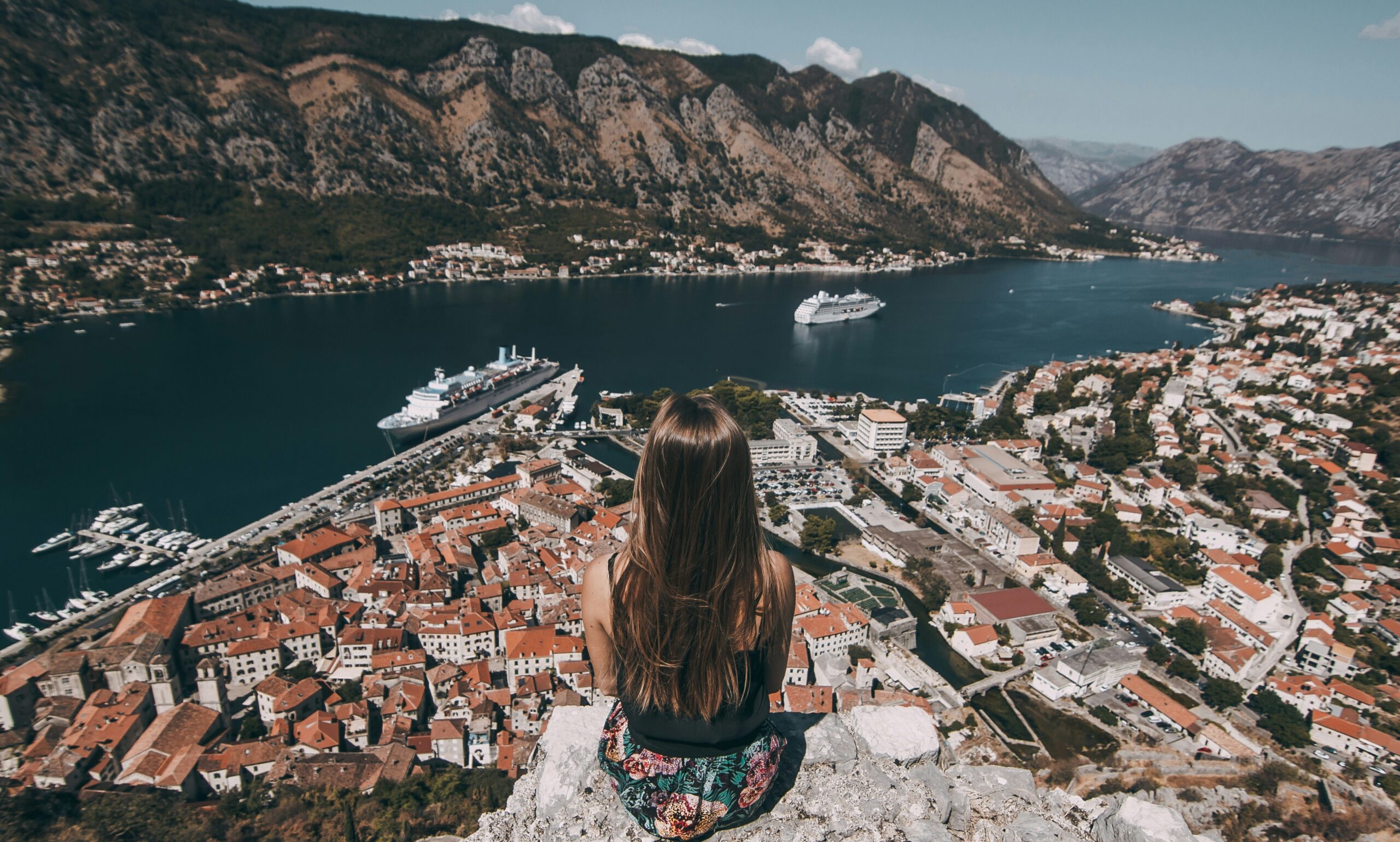
As you climb, the view over the Bay of Kotor widens gradually. Red-tiled roofs shrink below you. Cruise ships, if present, appear small against the calm water. The fjord-like shape of the bay becomes more defined with each turn. You pause at designated viewpoints to regulate your breathing and enjoy the scenery. Early light creates soft contrast across the mountains.
After passing the fortress area, you continue upward along an older zigzagging path. This section feels quieter than the main tourist route. The crowds thin out, and the atmosphere shifts from urban to rural. Stone ruins and abandoned houses appear along the trail. These remnants reflect past agricultural life on the mountain slopes.
The path transitions from stone steps to gravel and compacted earth. Vegetation changes gradually. Olive trees and low shrubs give way to more rugged karst terrain. The incline remains steady but manageable if you maintain rhythm. Trekking poles can reduce strain on your knees during sustained ascent.
This first stage demands effort but provides immediate reward. You look back at Kotor and see how far you have climbed in a short time. The contrast between medieval town and steep mountain defines the character of the Kotor to Lovćen hike. You leave the coast behind step by step and enter a more remote environment.
Following the Old Austro-Hungarian Serpentine Paths
Beyond the fortress area, the route intersects with historic serpentine paths built during the Austro-Hungarian period. These switchbacks once connected Kotor with the interior of Montenegro. Today, parts of these routes remain visible as hiking and cycling paths. You follow segments that run parallel to the modern road but feel quieter and more immersive.
The famous Kotor Serpentine Road winds up the mountain in tight curves. While vehicles use the paved version, hikers can access parallel tracks that avoid traffic. You move through dry karst landscapes with scattered shrubs and low trees. The terrain feels open and exposed. Sun protection becomes important, especially during midday hours.
Each bend reveals a slightly different angle of the bay. You see the narrow straits connecting different sections of water. Small settlements dot the coastline below. The perspective grows broader as elevation increases. You gain a sense of scale that is impossible from sea level.
As you climb higher, the air becomes cooler and fresher. Wind exposure increases on open sections. You may notice a shift in vegetation as altitude rises. Hardy mountain plants replace coastal species. The landscape feels more rugged and less cultivated.
You should pace yourself carefully during this middle section. The incline is less steep than the fortress steps but remains continuous. Taking short breaks every 20 to 30 minutes helps maintain stamina. Eating small snacks supports steady energy levels. Hydration remains critical because natural water sources are limited.
Navigation requires attention, especially where multiple paths intersect. Carrying a reliable GPS track or detailed map ensures you stay on course. Although the general direction is uphill toward Lovćen, specific trail junctions can cause confusion. Clear planning before departure prevents unnecessary detours.
This stage of the Kotor to Lovćen hike represents a transition zone. You are no longer in the coastal climate. At the same time, you have not yet reached high alpine terrain. The gradual change in environment keeps the experience dynamic and mentally engaging.
Entering Lovćen National Park and Reaching Higher Ground
As you continue upward, you approach the boundary of Lovćen National Park. The park protects the mountain massif that rises directly above the Bay of Kotor. Once inside the park, the landscape becomes more forested and structured. Pine and beech trees offer more shade than lower slopes.
The atmosphere shifts noticeably. Traffic noise disappears entirely. Birdsong and wind through trees replace urban sounds. The terrain becomes more varied, with alternating forest paths and open clearings. You walk on compacted soil mixed with stones. Some sections may feel rocky underfoot.
Elevation gain continues steadily. By this stage, you have already climbed significant vertical distance from sea level. Your legs may feel heavier, so maintaining a consistent rhythm becomes essential. Avoid rushing the final kilometers. Steady progress proves more sustainable than bursts of speed.
Weather conditions at this altitude can differ from the coast. Clouds may gather around the peaks even when the bay remains clear. You should carry a light jacket regardless of summer temperatures below. Sudden wind exposure can cool your body quickly during rest stops.
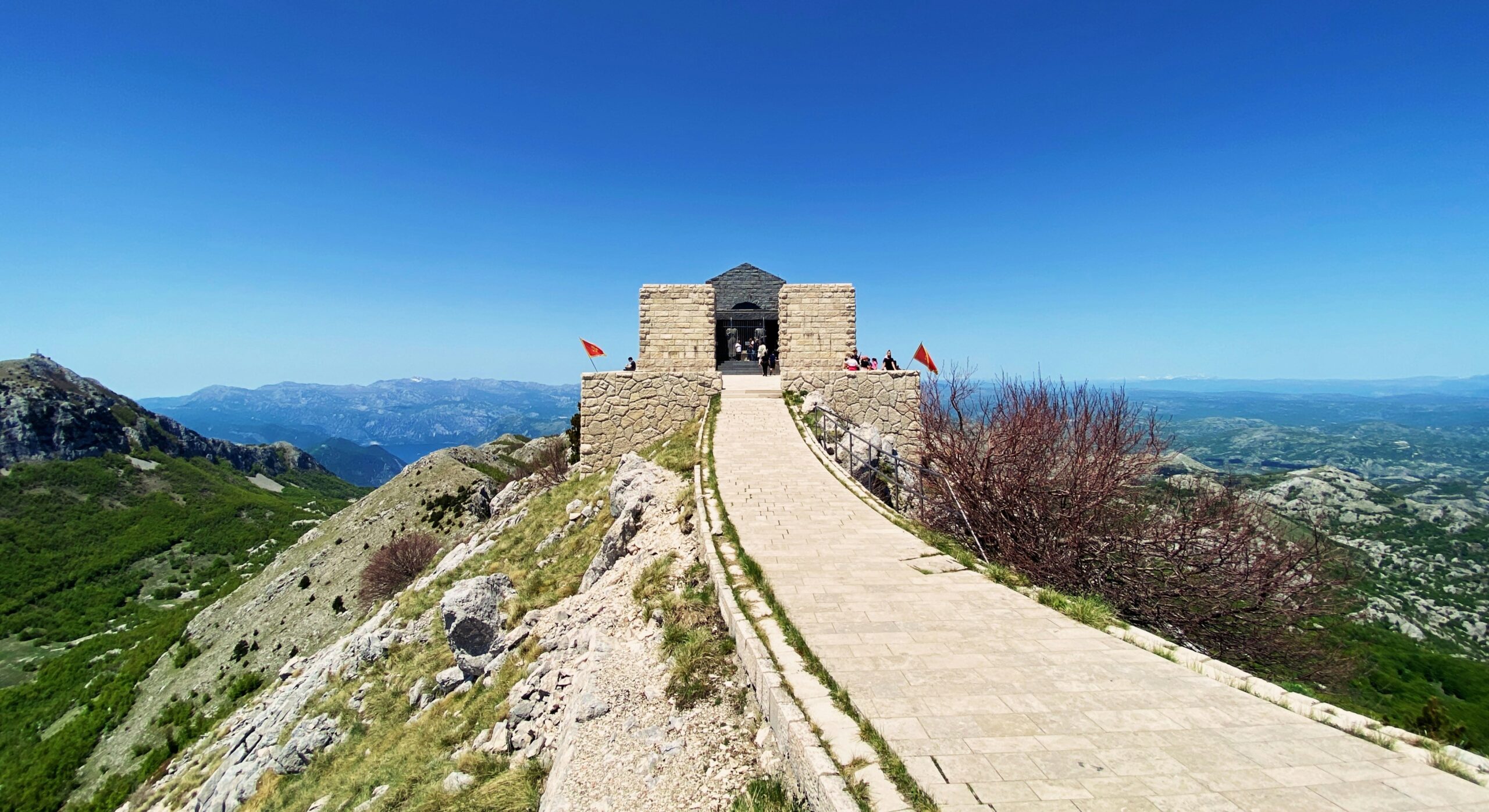
The ultimate highlight of Lovćen National Park is the mausoleum of Petar II Petrović-Njegoš, located on Jezerski vrh. The Njegoš Mausoleum stands at over 1,600 meters above sea level. To reach it, you climb an additional set of steps carved into the mountain. This final ascent feels symbolic after the long hike from Kotor.
From the mausoleum platform, you gain a 360-degree panorama. On clear days, you see the Bay of Kotor, the Adriatic Sea, and mountain ranges stretching inland. The scale of Montenegro becomes evident from this vantage point. You understand the vertical relationship between coast and mountains more clearly.
Reaching this point completes the Kotor to Lovćen journey. You have moved from medieval streets at sea level to a high-altitude national park in one continuous effort. The achievement feels tangible because you climbed every meter on foot.
Logistics, Distance, and Practical Planning
The full Kotor to Lovćen hike covers significant elevation gain, often exceeding 1,500 meters depending on your chosen route. Distance varies but generally ranges between 15 and 20 kilometers one way. This makes the hike demanding but feasible for well-prepared and fit hikers.
You should begin early in the morning, ideally at sunrise during summer. Heat on lower slopes intensifies quickly after mid-morning. Early departure also allows buffer time for rest and unexpected delays. Plan for a full-day commitment rather than a short excursion.
Transport logistics require advance thought. Most hikers arrange return transfer from Lovćen back to Kotor. Descending the entire route on foot in the same day doubles the effort. A pre-booked transfer or organized tour simplifies the return. Local operators can coordinate pickup times based on your hiking pace.
Carrying sufficient water remains one of the most important considerations. There are limited reliable water sources along the route. You should calculate at least two to three liters per person in warm conditions. Energy snacks such as nuts, dried fruit, or sandwiches support sustained effort.
Footwear must provide stability and grip. The route includes stone steps, gravel paths, and forest terrain. Lightweight trail shoes may suffice in dry conditions. However, sturdy hiking boots offer better ankle support during long descents.
Weather awareness improves safety. Check forecasts for both Kotor and Lovćen elevations. Mountain weather can change quickly, even if coastal conditions seem stable. Avoid starting the hike if thunderstorms are predicted.
If you prefer structured guidance, joining an organized Kotor to Lovćen hiking tour reduces planning stress. Professional guides manage pacing, safety, and transport. You gain insight into history and geography along the way. This option suits travelers who value interpretation and logistical simplicity.
Physical preparation matters. Regular cardio training before your trip helps your body adapt to sustained climbing. You do not need mountaineering skills, but you should feel comfortable walking uphill for several hours. Gradual training over weeks enhances enjoyment and reduces fatigue.
Structuring the Experience as Part of a Montenegro Itinerary
You can integrate the Kotor to Lovćen hike into a broader Montenegro travel plan. Spending at least one night in Kotor before the hike allows proper rest. Exploring the old town the evening before provides cultural context. You start the hike with a deeper understanding of the landscape below.
After completing the hike, consider staying in the Lovćen or Cetinje area. The town of Cetinje lies on the inland side of Lovćen. Cetinje offers museums, historic buildings, and a quieter atmosphere compared to the coast. Spending a night there allows recovery after the hike.
You may also combine the hike with visits to the Bay of Kotor villages. Towns such as Perast provide additional coastal perspective. Seeing the bay from water level before or after your hike deepens appreciation for the vertical distance you covered.
Active travelers often combine this route with other mountain hikes in Montenegro. Durmitor National Park offers contrasting alpine terrain. The shift from coastal karst to glacial landscapes highlights the country’s diversity within short distances.
When you plan your itinerary thoughtfully, the Kotor to Lovćen route becomes more than a single hike. It becomes a central highlight that connects coast, mountain, history, and culture. You experience Montenegro’s geography in a direct and physical way.
Kotor to Lovćen stands out because it compresses dramatic elevation change into one continuous effort. You begin at the Adriatic edge and finish high above it. The sense of progression feels clear and measurable. With preparation, realistic pacing, and logistical planning, you transform this demanding route into a structured and memorable day in Montenegro.