
Published on February 19, 2026
Hiking Tara Canyon gives you direct access to Europe’s deepest gorge and one of Montenegro’s most protected landscapes. When you choose hiking Tara Canyon as your next active holiday, you explore dramatic cliffs, dense forests, and clear turquoise water shaped over millions of years. The canyon follows the course of the Tara River and cuts deeply into the mountains of northern Montenegro. You walk along marked trails that reveal sweeping views and quiet forest sections. Each step places you inside a UNESCO-listed environment of high ecological value. This guide helps you plan your routes, understand the terrain, and prepare properly. You gain practical insight so your time in the canyon feels structured and rewarding. With the right approach, hiking Tara Canyon becomes a balanced experience of movement, nature, and perspective.
The Geography and Natural Structure of Tara Canyon
The canyon lies within Durmitor National Park in northern Montenegro. This protected area covers mountains, glacial lakes, forests, and the Tara River gorge. The canyon reaches a depth of more than 1,300 meters at its deepest point. That makes it the deepest gorge in Europe. Only the Grand Canyon in the United States exceeds it in overall depth.
You experience the canyon as a combination of vertical limestone walls and thick forest. The Tara River carved this landscape over a long geological period. Water gradually cut through carbonate rock, creating steep cliffs and narrow passages. The river still shapes the canyon today through erosion and seasonal water flow.
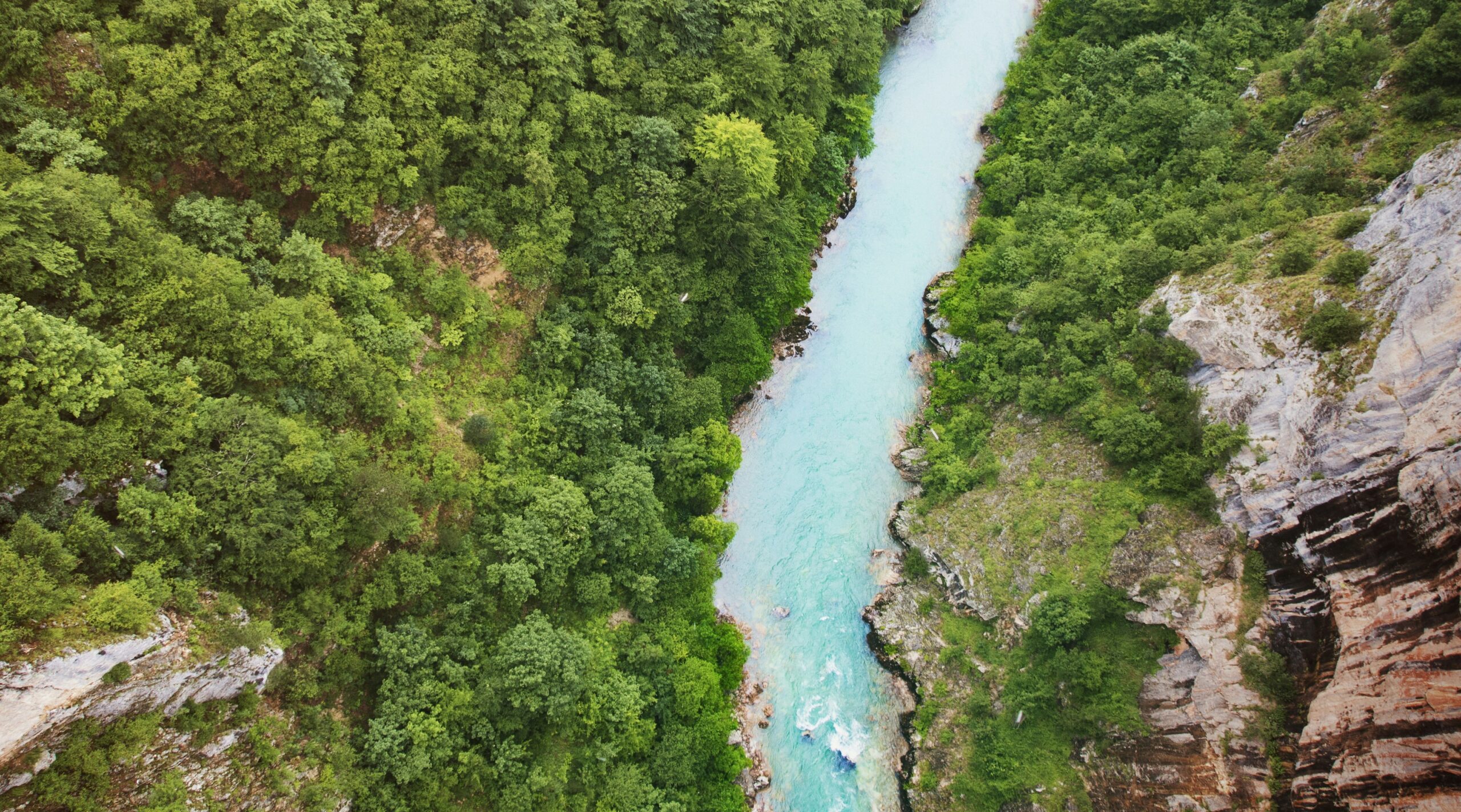
The Tara River runs for about 146 kilometers. Much of its most dramatic stretch lies inside the national park boundary. The water remains exceptionally clear due to minimal industrial activity and strict environmental protection. You often see the river shining in shades of turquoise and green from high viewpoints. Its color reflects both mineral content and light conditions.
Vegetation in the canyon changes with altitude and exposure. Lower sections support mixed forests of beech and pine. Higher slopes include black pine stands that are among the oldest in Europe. Some trees in the region are several centuries old. You walk through areas that feel remote and undisturbed.
Wildlife thrives in this protected ecosystem. Brown bears, wolves, and chamois inhabit the wider Durmitor region. You rarely encounter large mammals during daytime hikes. However, you may notice tracks or signs along less frequented paths. Birdlife is more visible. Golden eagles and other raptors use rising air currents above the gorge.
Climate conditions vary significantly by season. Summers are generally mild due to elevation. Temperatures remain comfortable for hiking during most daylight hours. Spring and autumn bring cooler air and stronger color contrast in the forest. Winter transforms the canyon into a snow-covered landscape, limiting trail access.
When you understand the geography and ecology, your hike gains context. You recognize that this is not only a scenic site. It is a dynamic natural system shaped by water, rock, and time. Hiking Tara Canyon allows you to observe this interaction directly. You move through a living environment that requires careful protection and responsible travel behavior.
Trail Options and Viewpoints Along the Canyon Rim
Hiking Tara Canyon offers several marked routes that differ in length and difficulty. Most hikes begin near the mountain town of Žabljak, which serves as the main access point to Durmitor National Park. From there, you reach trailheads by car or short transfers. The canyon rim provides the most accessible and panoramic hiking options.
One of the best-known viewpoints is Ćurevac. The trail to this location leads through forest before opening to a broad panorama. From the edge, you look directly into one of the deepest parts of the canyon. The Tara River appears far below, winding between vertical rock faces. The elevation gain is moderate, and the path is well defined. You need good footwear because sections include loose stones.
Longer rim trails connect multiple viewpoints in one continuous route. These paths allow you to experience changing perspectives of the gorge. Instead of a single dramatic overlook, you encounter a sequence of openings in the forest. Each one frames a slightly different curve of the canyon. This gradual reveal keeps the hike engaging.
Some routes descend partially toward the river. These trails require stronger physical condition and more time. The terrain can be steep and uneven. After rainfall, certain sections may feel slippery. If you choose a descending route, you must plan for the return ascent. That ascent often demands more effort than the descent.
Full-day hikes combine forest tracks, open ridges, and canyon views. You may pass through shaded sections before emerging onto exposed viewpoints. This variation keeps your body active and your attention focused. You adjust your pace depending on terrain and weather.
Trail markings in the park are generally reliable. However, you should not rely only on signage. Carrying a physical map or GPS track improves safety. Fog can reduce visibility quickly in mountainous terrain. Afternoon storms occasionally develop in summer. You benefit from starting early and allowing sufficient time.
Guided hiking tours provide additional structure. A local guide selects appropriate routes based on your fitness level. You gain insight into geology, flora, and regional history. You also reduce the risk of navigation errors. For many travelers, guided hiking Tara Canyon creates a more relaxed experience.
When you select a trail, consider your fitness, available time, and interest in viewpoints versus forest immersion. Each route offers a distinct balance of exposure and shelter. Careful planning ensures that your hike remains enjoyable and manageable from start to finish.
Experiencing the Canyon from Above and Below
Hiking Tara Canyon shows you the gorge from elevated perspectives. However, you can deepen your understanding by combining hiking with river-level experiences. The contrast between rim and river creates a fuller impression of scale and depth.
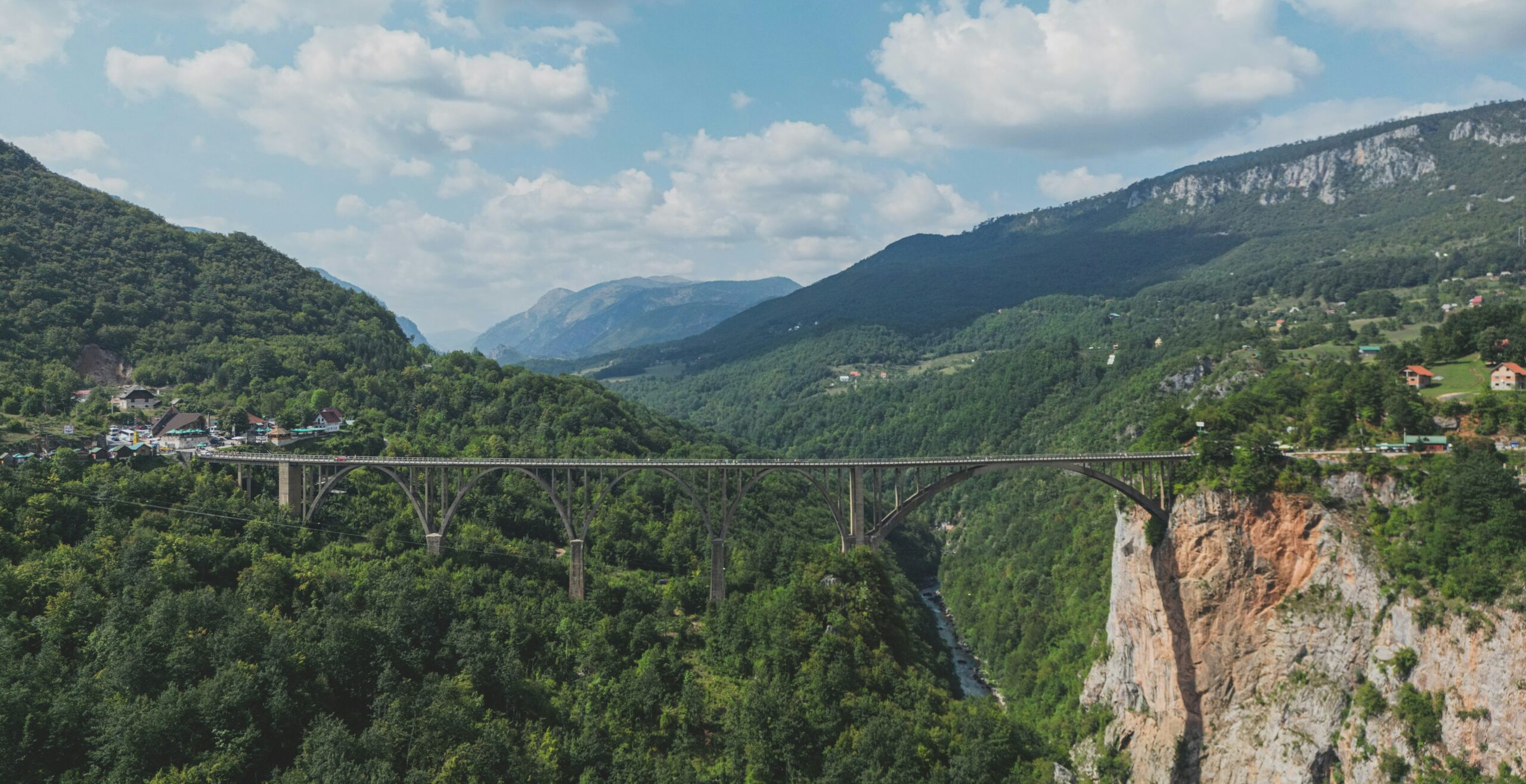
A key landmark in the region is the Đurđevića Tara Bridge. This concrete arch bridge spans the canyon at significant height. When you stand on the bridge, you look straight down toward the river. The structure itself reflects early twentieth-century engineering in Montenegro. It also provides easy access to both sides of the canyon.
From the bridge area, you can join rafting excursions on the Tara River. Rafting offers a completely different perspective. Instead of looking down from the rim, you move between towering cliffs. The rock walls rise steeply on either side. The sound of flowing water replaces the silence of the forest.
Rafting sections vary in intensity. Some stretches are suitable for beginners with basic physical fitness. Others include stronger rapids that require more coordination. Professional guides manage equipment and safety procedures. You receive instructions before entering the water.
Combining hiking and rafting in one itinerary creates a layered experience. You first observe the canyon from above. Later, you travel through its narrow interior. This combination allows you to appreciate the vertical dimension fully. You understand how deep and enclosed certain sections truly are.
Beyond outdoor activities, the surrounding villages add cultural context. Small settlements near the canyon maintain traditional architecture and agricultural practices. You may see wooden houses, livestock pastures, and family-run farms. Local cuisine often includes mountain cheeses, cured meats, and freshly baked bread. These meals reflect the climate and terrain of the region.
Photography benefits from careful timing. Early morning and late afternoon provide softer light. During these hours, the canyon walls display more texture. Midday sun can create strong contrast and deep shadows. Planning your hike around light conditions enhances visual results.
When you integrate hiking Tara Canyon with rafting and cultural visits, you shape a balanced journey. Physical effort blends with reflection and local interaction. The canyon becomes more than a viewpoint. It becomes a central thread connecting nature, activity, and regional heritage.
Seasonal Considerations and Physical Preparation
Hiking Tara Canyon requires thoughtful seasonal planning. Weather conditions in the mountains can change quickly. Late spring through early autumn generally offers the most stable conditions. Snow may remain on higher trails in early spring. Winter hiking is possible but demands specialized equipment and experience.
Summer temperatures are usually moderate due to altitude. You still need sun protection because exposed viewpoints offer limited shade. Carrying sufficient water remains essential. While the Tara River flows below, access from rim trails is limited. Dehydration can affect your performance even in mild weather.
Spring and autumn bring cooler air and vivid forest colors. These seasons often provide clear visibility and fewer visitors. However, daylight hours are shorter. You must plan your route carefully to avoid finishing in darkness. Starting early in the morning reduces time pressure.
Footwear plays a critical role in comfort and safety. Trails may include loose gravel, uneven roots, and rocky sections. Sturdy hiking boots with good grip reduce the risk of slipping. Lightweight shoes may not provide enough support on longer routes.
Layered clothing allows you to adapt to changing conditions. A light waterproof jacket protects you from sudden rain. Even in summer, wind at exposed viewpoints can feel cool. Adjusting layers helps maintain a steady body temperature.
Physical preparation enhances your overall experience. Many rim trails are accessible to moderately active travelers. However, elevation gain can accumulate over several hours. Regular walking or light cardio training before your trip prepares your muscles and joints. You do not need advanced mountaineering skills for standard routes.
Nutrition also influences performance. Eating balanced meals and carrying small snacks supports steady energy levels. You should avoid heavy meals immediately before long ascents. Light, frequent intake works better during active days.
If you prefer added security, guided tours simplify planning. A local guide monitors weather forecasts and trail conditions. You receive advice tailored to your fitness and preferences. This approach allows you to focus on the landscape rather than logistics.
Respecting environmental rules remains essential. You should stay on marked trails and carry out all waste. Durmitor National Park enforces conservation measures to protect fragile ecosystems. Responsible behavior ensures that hiking Tara Canyon remains sustainable for future visitors.
Structuring Your Itinerary for a Multi-Day Stay
You benefit most from hiking Tara Canyon when you allocate sufficient time. A single viewpoint visit offers a glimpse of the gorge. However, a multi-day stay allows deeper exploration. Basing yourself in Žabljak provides convenient access to trailheads and services.
On your first day, you might choose a moderate rim hike such as the trail toward Ćurevac. This introduction helps you adjust to altitude and terrain. You gain a clear impression of scale without overexertion. Afterward, you can explore the town and enjoy local cuisine.
The second day may include a longer hike connecting multiple viewpoints. You could combine forest sections with exposed ridges. This route allows you to see different shapes of the canyon. Allow enough time for rest stops and photography. Maintaining a steady pace prevents fatigue.
Another day could focus on rafting from the bridge area. This shift in perspective refreshes your experience. Your body engages different muscles compared to hiking. The rhythm of the river contrasts with the quiet of the forest.
If you have additional time, consider exploring other parts of Durmitor National Park. Glacial lakes and mountain peaks provide complementary landscapes. Short drives connect you to new trailheads. This variety enriches your overall impression of northern Montenegro.
Accommodation in Žabljak ranges from guesthouses to small hotels. Booking in advance during summer ensures availability. Many properties offer early breakfast options for hikers. You benefit from preparing gear the evening before each excursion.
Transport planning also matters. Having a car increases flexibility. You reach more remote trailheads and adjust plans according to weather. If you prefer not to drive, organized transfers and guided tours provide alternatives.
Throughout your stay, balance activity with recovery. Stretching after hikes reduces muscle stiffness. Hydration and proper sleep support endurance over consecutive days. A well-structured itinerary prevents overexertion.
Hiking Tara Canyon rewards patience and preparation. You do not need to rush between viewpoints. Allow the landscape to unfold gradually. With careful planning, you create an experience that feels coherent and manageable. The canyon reveals its depth step by step, offering perspective that stays with you long after the hike ends.