
Published on February 12, 2026
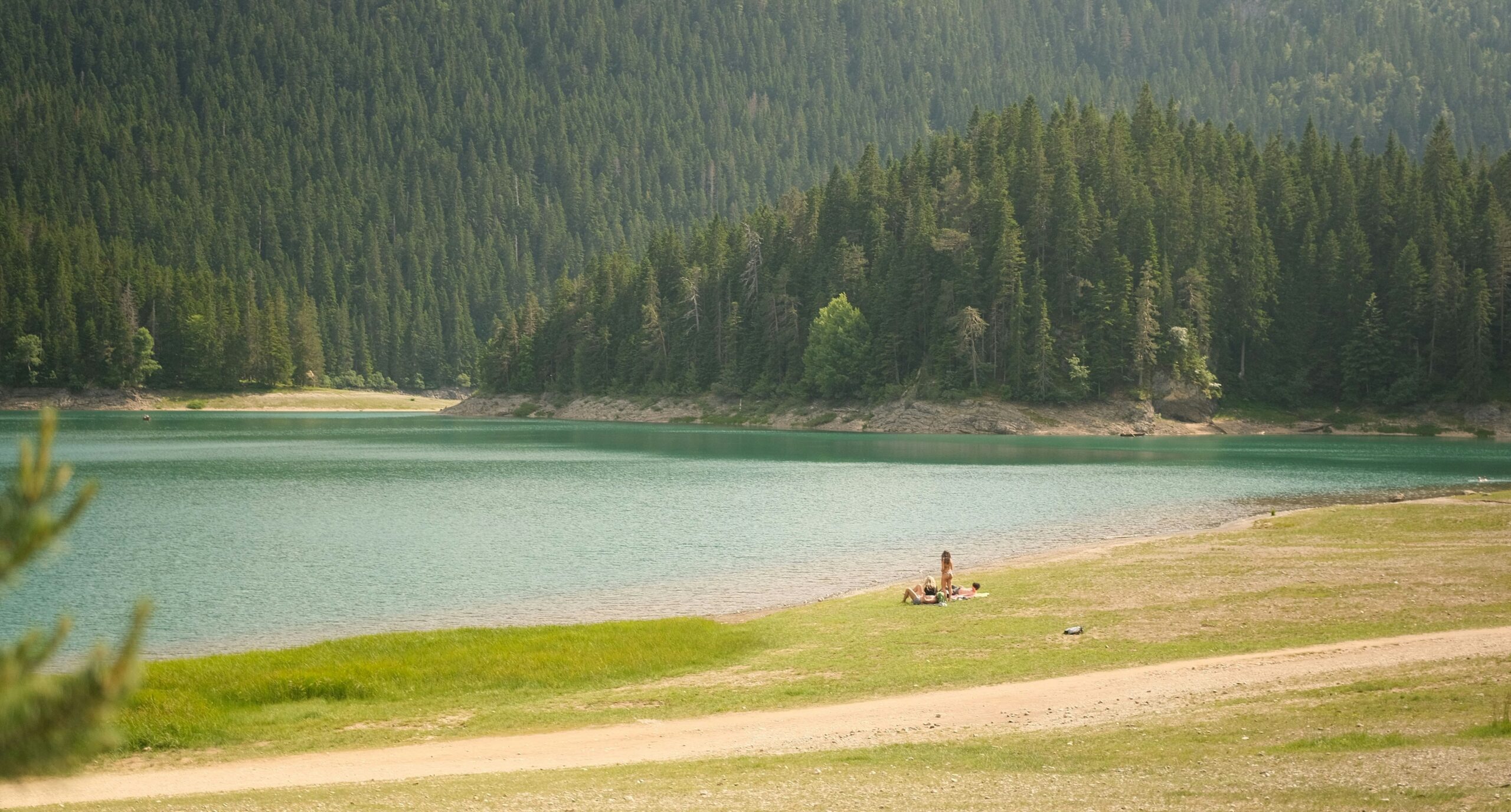
If you are looking for a quieter and more intimate mountain experience, Biogradska Gora: Hiking Through Europe’s Last Primeval Rainforest offers a distinctive perspective on Montenegro’s wilderness. This national park protects one of the last remaining primeval forests in Europe. You walk among trees that have grown undisturbed for centuries. You move through layered vegetation, deep moss, and reflective glacial waters.
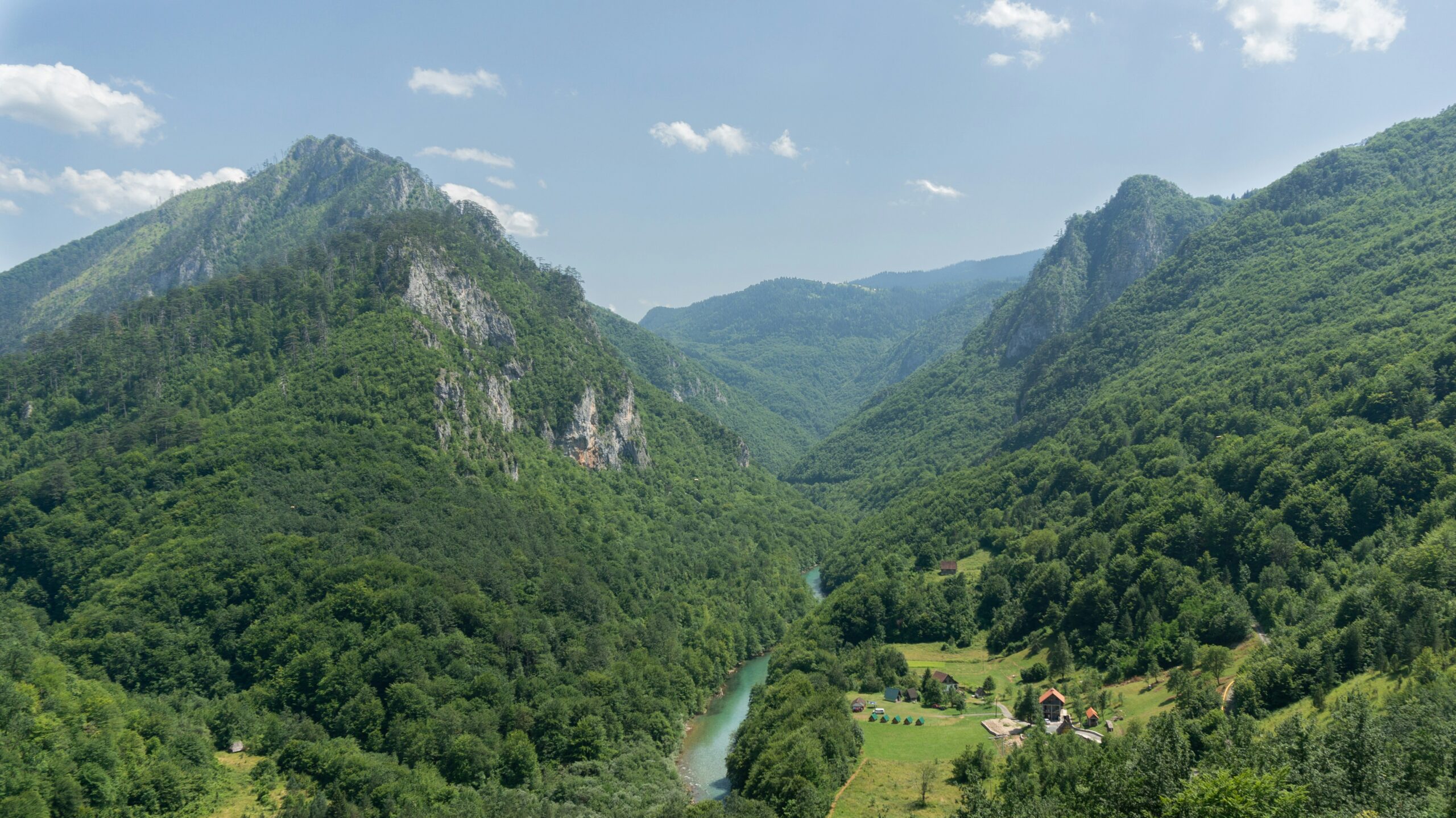
Located in central-northern Montenegro, Biogradska Gora National Park sits between the Tara and Lim rivers. The park covers a relatively compact area, yet it contains remarkable biodiversity. Within a short hiking distance, you pass from dense forest to open mountain ridges. You experience calm lakeside paths and panoramic highland views in the same day.
Biogradska Gora differs from Montenegro’s dramatic limestone peaks. Here, the forest defines the atmosphere. You hear birds and wind in the canopy rather than distant highway noise. Trails remain well marked in core areas, yet the environment feels ancient and layered.
This guide explains what makes the park unique, which hiking routes to choose, when to visit, and how to prepare. With realistic planning, you can experience one of Europe’s rare old-growth forests at your own pace.
Understanding the Primeval Forest Landscape
Biogradska Gora protects one of the last significant primeval forests on the continent. A primeval forest develops without large-scale human intervention. Trees fall, decay, and regenerate naturally. You will notice fallen trunks resting beside young saplings. This cycle creates complex layers of plant life.
The forest surrounds Biograd Lake at the park’s entrance. Tall beech, fir, and spruce trees dominate the canopy. Some trees exceed 500 years in age. You walk beneath dense foliage that filters sunlight into soft green tones. The ground often feels springy due to moss and organic matter.
Moisture defines the ecosystem. Frequent rainfall and mountain humidity support fungi, mosses, and diverse plant species. During early morning, mist sometimes rises above the lake. These conditions create a calm and immersive environment for hiking.
You should move slowly through this forest. The value lies in observation rather than speed. Notice textures of bark and shifting light between branches. Listen for woodpeckers or small mammals moving through undergrowth.
The primeval section remains strictly protected. Marked trails guide visitors to prevent damage to fragile habitats. By staying on designated paths, you help preserve the ecosystem.
Biogradska Gora offers a rare opportunity to experience a European forest in near-natural condition. The landscape encourages quiet attention rather than dramatic exertion.
The Biograd Lake Trail: Accessible and Immersive
The circular trail around Biograd Lake provides the most accessible hike in the park. This route measures approximately 3.5 kilometers and follows a mostly flat path. You can complete it comfortably within two hours at a relaxed pace.
The trail begins near the park entrance. Wooden walkways and compact earth paths guide you through forest and lakeside sections. Reflections of surrounding trees appear clearly on calm days. The lake itself formed during the last glacial period.
Although the path remains easy, the environment feels immersive. Dense vegetation grows close to the trail. You often walk within meters of ancient tree trunks. Informational boards explain aspects of the ecosystem along the way.
This hike suits travelers of varying fitness levels. Families, photographers, and older visitors can all navigate the route comfortably. You do not need technical equipment for this section. However, waterproof shoes remain helpful after rainfall.
Early morning visits provide quieter conditions. Midday can bring more visitors during peak summer months. Even then, the atmosphere remains calm compared to larger European parks.
The lake trail introduces you to the character of Biogradska Gora. It combines accessibility with ecological depth. If you have limited time, this route still delivers meaningful exposure to primeval forest.
Ridge Hikes and Mountain Pastures
Beyond the lake, Biogradska Gora expands into higher mountain terrain. Trails climb toward ridges and traditional summer pastures known as katuns. These routes require moderate fitness and longer time commitments.
One popular ascent leads toward Bendovac viewpoint. This route involves steady elevation gain through mixed forest. As you climb, vegetation gradually thins. You transition from dense canopy to open meadows.
From the ridge, you gain wide views across mountain ranges. On clear days, you can see distant peaks stretching toward northern Montenegro. The contrast between enclosed forest and open highland feels striking.
These hikes usually require four to six hours depending on pace. Carry sufficient water and layered clothing. Weather conditions shift more quickly at higher elevations. Afternoon clouds may form even on otherwise stable days.
Mountain pastures reflect traditional rural life. In summer, you may encounter shepherd huts and grazing livestock. Respect local property and close any gates behind you. These areas remain working landscapes as well as hiking routes.
Ridge trails offer stronger physical challenge compared to the lakeside walk. However, they reward you with broader perspective and fewer visitors. If you seek moderate mountain hiking without extreme alpine exposure, Biogradska Gora provides a balanced option.
Biodiversity and Wildlife Observation
Biogradska Gora holds exceptional biodiversity within a compact space. The forest ecosystem supports hundreds of plant species. You will encounter various ferns, lichens, and wildflowers depending on season.
Birdlife remains particularly notable. Woodpeckers, owls, and small forest birds inhabit the canopy. Early morning offers the best chance for observation. You should move quietly and avoid sudden movements.
Larger mammals live within the park as well. Brown bears, wolves, and deer inhabit remote sections. Sightings remain rare due to their cautious behavior. Nonetheless, their presence contributes to ecological balance.
Insects and fungi thrive in the moist environment. Autumn brings visible mushroom growth along forest floors. You should not collect plants or fungi inside the protected zone. Conservation regulations exist to preserve biodiversity.
The diversity results from minimal historical disturbance. Natural processes shape habitat complexity. Fallen trees create microhabitats for insects and seedlings. Standing dead wood supports bird nesting.
When hiking here, you participate in a living ecosystem. Maintain distance from wildlife and avoid loud behavior. Responsible travel ensures that future visitors experience the same richness.
Biogradska Gora rewards careful observation. Even short hikes reveal layered ecological interactions.
When to Visit Biogradska Gora
The hiking season typically runs from May to October. Spring introduces fresh greenery and increased water flow. Snow may linger on higher trails until late May.
Summer offers stable access and longer daylight hours. Forest shade keeps temperatures moderate even during warm months. However, afternoon rain showers remain possible.
September provides cooler air and calmer visitor numbers. Early autumn colors begin to appear in late September. This period suits hikers seeking quieter trails and stable weather.
October can still support hiking at lower elevations. Higher ridges may experience early snowfall. Daylight shortens significantly as autumn progresses.
Winter transforms the park into a snow-covered landscape. Access may become limited depending on road conditions. Only experienced winter hikers with appropriate equipment should consider visits during this season.
Before traveling, check local weather forecasts and park information. Mountain climates shift quickly. Flexible planning improves your experience.
Selecting the right season helps you align expectations with conditions. Each period offers a slightly different character.
Practical Preparation and Access
You can reach Biogradska Gora by car from central Montenegro within approximately one hour from Podgorica. The park entrance lies near the town of Kolašin. Parking is available near the lake area.
Public transportation options remain limited. Renting a vehicle provides greater flexibility. Roads generally stay accessible from late spring through autumn.
Entrance fees apply during the main season. Facilities near the entrance include basic services and rest areas. Deeper sections of the park remain undeveloped.
You should carry essential hiking supplies even for shorter routes. Water, snacks, and weather-appropriate clothing remain necessary. Mobile signal may weaken in forested areas.
Trail markings remain clear on primary routes. However, carrying an offline map improves navigation confidence on longer hikes. Guided tours provide additional interpretation of ecology and history.
Respect all park regulations. Avoid lighting fires and remain on designated trails. Carry out any waste you bring.
With proper preparation, hiking in Biogradska Gora remains accessible to most active travelers. The park balances gentle forest immersion with moderate mountain exploration.
Combining Biogradska Gora with Other Regions
Biogradska Gora fits well within a broader Montenegro itinerary. You can combine forest hiking with alpine routes in nearby mountain regions. The town of Kolašin often serves as a convenient base.
Within short driving distance, you reach more dramatic limestone landscapes and canyon viewpoints. This contrast enhances your overall experience. Forest calm complements exposed high peaks.
You might plan two to three days in the Biogradska Gora area. Allocate one day for the lake circuit and another for a ridge hike. Add an additional day for relaxation or cultural visits in surrounding villages.
Because distances remain short, you avoid long transfers. This efficiency allows you to focus on hiking rather than travel logistics.
Biogradska Gora provides balance within an active holiday. It offers ecological depth and moderate exertion before or after more demanding mountain hikes.
Final Reflections on Hiking Through Europe’s Last Primeval Rainforest
Biogradska Gora: Hiking Through Europe’s Last Primeval Rainforest introduces you to a different side of Montenegro. Instead of sharp limestone peaks, you encounter layered forest life and glacial waters. The atmosphere feels enclosed, calm, and immersive.
You do not need extreme fitness to appreciate this park. Accessible trails welcome a wide range of visitors. At the same time, ridge hikes offer moderate challenge and expansive views.
The value of Biogradska Gora lies in ecological authenticity. Primeval forest remains rare in Europe. Here, you observe natural processes unfolding without heavy intervention.
When you hike respectfully and prepare carefully, you contribute to preserving this environment. Choose appropriate seasons, follow marked paths, and move thoughtfully.
If you seek a hiking experience that emphasizes biodiversity and atmosphere rather than altitude records, Biogradska Gora offers a meaningful choice for 2025.