
Published on January 31, 2026
July is the warmest and most intense summer month in the country. Montenegro weather in July brings strong sun, high temperatures, and long dry days across all regions. This month defines the classic Mediterranean summer experience. Understanding July conditions helps you plan days realistically, manage heat, and choose activities that match the climate. July rewards good timing and thoughtful pacing. It is not a month for improvisation without structure.
Montenegro’s small size still allows regional variation, but July compresses those differences. Heat dominates everywhere, though elevation and proximity to the sea shape how it feels. Coastal areas experience sustained warmth with high solar exposure. Inland and northern regions offer some relief, especially at night and at altitude. Weather stability is high. Rainfall is minimal, and clear skies are the norm.
July is also the busiest tourism month. Weather conditions support that demand, but they also require adaptation. You plan mornings and evenings carefully. Midday hours often demand rest or shade. When managed well, July allows long days, reliable logistics, and full access to both land and sea activities. When managed poorly, heat can limit comfort and endurance.
This guide explains how Montenegro weather in July behaves across regions and what it means for your travel choices. It focuses on practical implications rather than general impressions. The goal is to help you move efficiently, stay comfortable, and use the climate to your advantage.
General Climate Characteristics of Montenegro in July
Montenegro weather in July is defined by heat, dryness, and consistency. July sits at the core of the Mediterranean summer cycle. Weather patterns stabilize, and variation between days becomes minimal. You can expect similar conditions throughout the month, with only small daily fluctuations.
Average daytime temperatures range from 28°C to 34°C. Coastal areas frequently reach the upper end of that range. Urban zones with stone surfaces retain heat well into the evening. Inland valleys can feel equally warm during the day but cool faster at night. Northern mountain regions remain cooler, especially above 1,000 meters.
Nighttime temperatures stay high along the coast. In many towns, evenings remain above 22°C. Inland and mountain areas cool to 15°C–18°C, which improves sleep quality. Air conditioning becomes essential in coastal accommodation. In the north, natural ventilation often remains sufficient.
Rainfall in July is very low. Some coastal areas experience weeks without measurable rain. Inland thunderstorms can occur, but they are rare and short. These storms usually develop late in the day and pass quickly. Weather disruptions to travel plans are uncommon.
Sun exposure is intense. UV levels peak during July, especially between 11:00 and 16:00. Shade planning becomes necessary. Protective clothing and sunscreen are not optional. Dehydration risk increases during physical activity.
Humidity varies by region. Coastal humidity can feel high during still afternoons. Sea breezes often develop later in the day and provide some relief. Inland areas feel drier, though temperatures remain high.
Wind conditions are generally mild. Afternoon breezes help on the coast. Strong winds are uncommon and rarely affect marine traffic. Sea conditions remain stable for most of the month.
Overall, July weather is predictable. This predictability allows precise planning. You rarely need contingency days for weather. Instead, you manage exposure and energy. July does not limit access. It requires discipline in timing and route selection.
Coastal Montenegro Weather in July
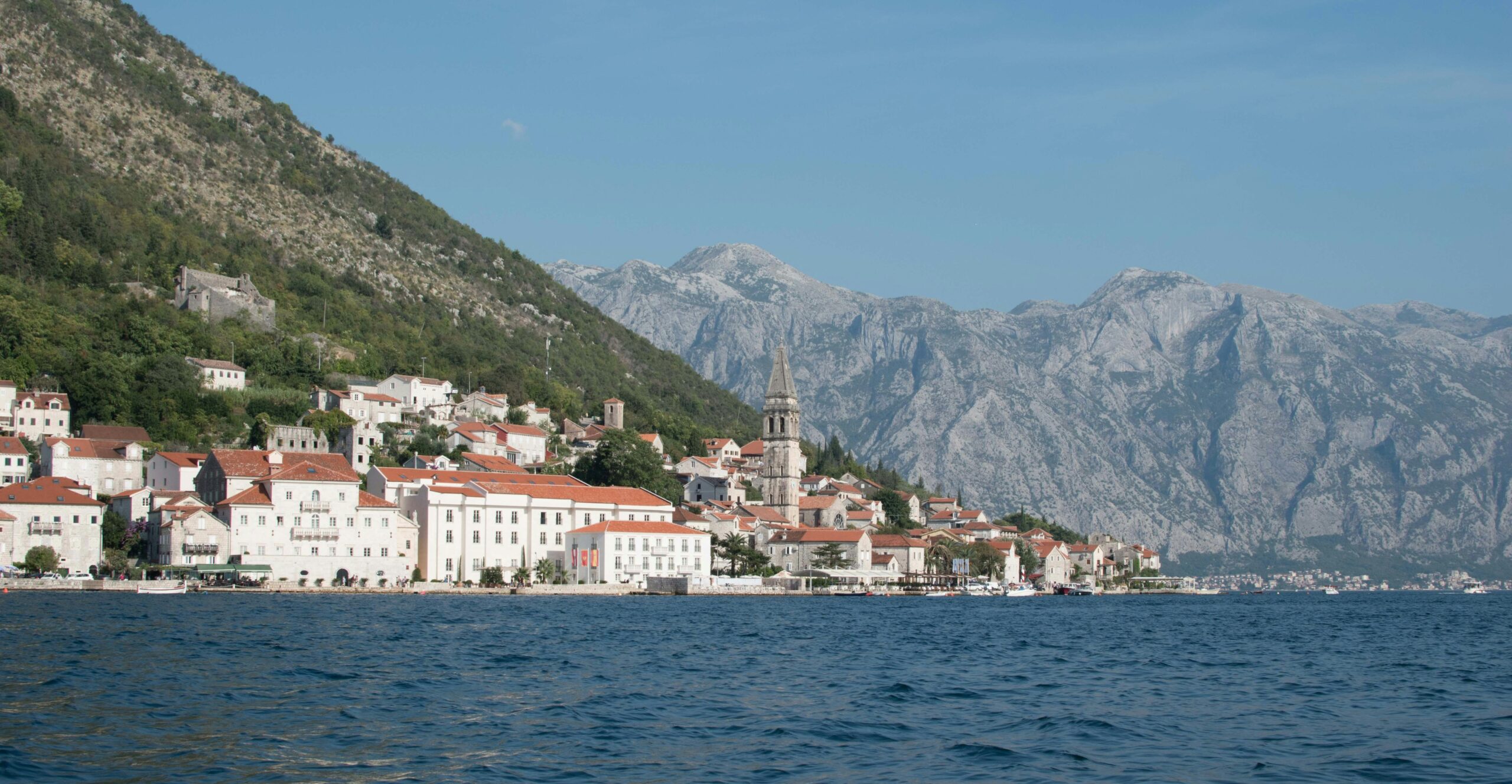
The Adriatic coast experiences full summer conditions in July. Montenegro weather in July along the coast means sustained heat, warm sea temperatures, and strong sunlight from early morning until evening. This is the most intense coastal month of the year.
Daytime temperatures in coastal towns such as Budva, Kotor, and Herceg Novi typically range from 30°C to 34°C. Heat builds quickly after sunrise. By late morning, shade becomes important. Stone streets and old town walls absorb and radiate heat.
Sea temperatures reach their most comfortable range in July. Water usually sits between 23°C and 25°C. Swimming feels effortless and refreshing. Long sessions in the water are possible without chill. Morning and late afternoon remain the most pleasant times for beach activity.
Rainfall is extremely rare along the coast in July. Clear skies dominate. Cloud cover appears occasionally but does not reduce heat significantly. You can expect uninterrupted sun for days at a time.
Evenings remain warm. Outdoor dining continues comfortably late into the night. Nighttime temperatures rarely drop below 22°C. Air movement becomes limited after sunset, especially in sheltered bays. Light clothing remains sufficient at all hours.
Crowds peak in July. Beaches, promenades, and old towns reach maximum density. Early mornings offer the calmest conditions. Planning beach visits before 10:00 or after 17:00 improves comfort. Boat trips often start early to avoid midday heat.
Coastal walking and sightseeing require adaptation. Short routes work better than long explorations. Shaded paths and waterfront promenades remain usable. Steep climbs during midday feel demanding.
July coastal weather supports marine activities strongly. Kayaking, sailing, and boat transfers operate reliably. Calm seas and clear visibility improve safety. Heat management remains the main concern rather than weather instability.
Mountain and Northern Montenegro Weather in July
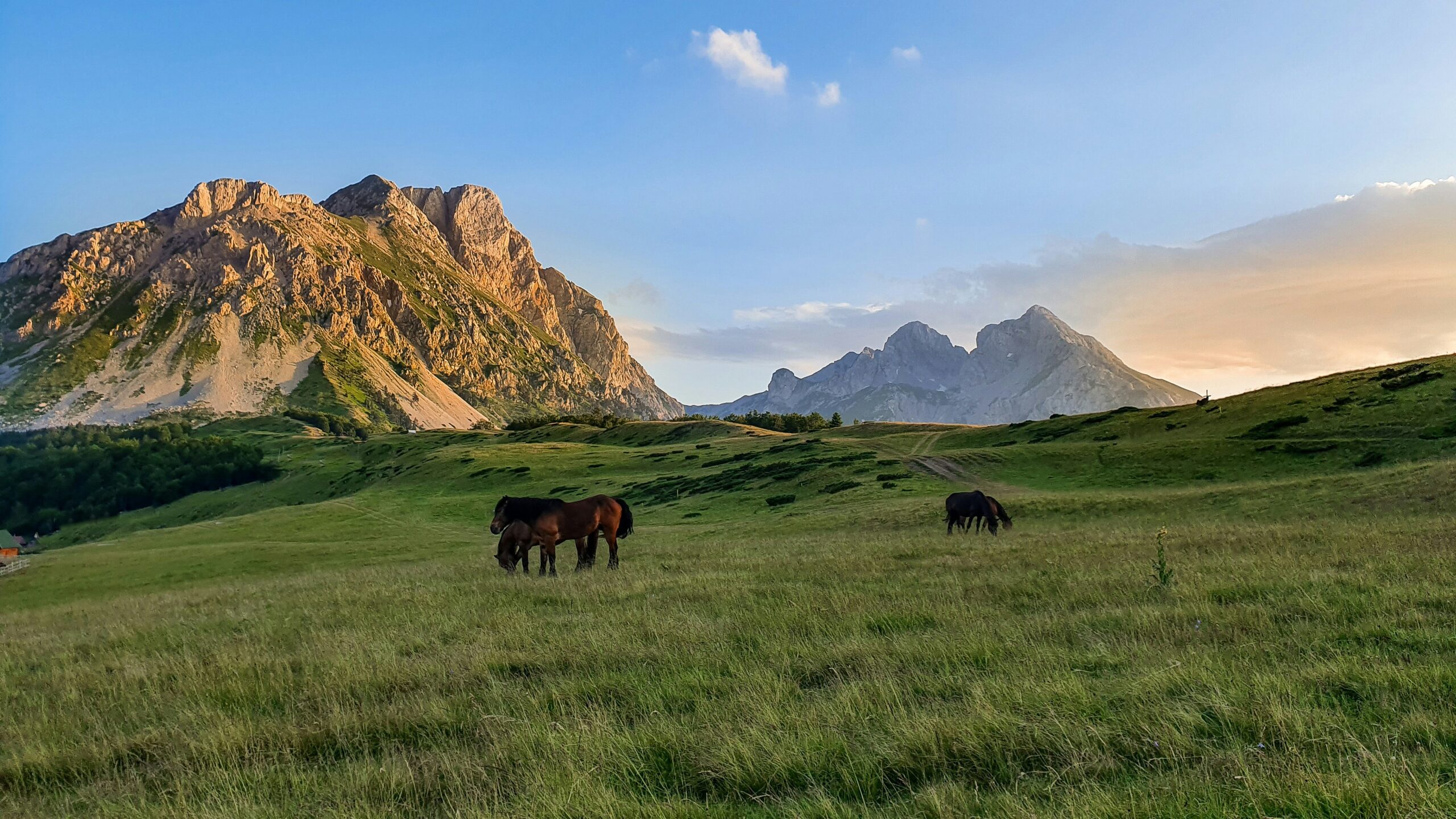
Northern Montenegro provides contrast during peak summer. Montenegro weather in July in the mountains offers cooler air, lower humidity, and more manageable conditions for physical activity. Elevation becomes a decisive advantage.
Daytime temperatures in mountain regions range from 22°C to 28°C, depending on altitude. Areas above 1,200 meters often stay below 25°C. Mornings feel fresh. Evenings cool quickly. Light layers become useful again after sunset.
In regions such as Durmitor National Park, July represents the height of the hiking season. Trails are fully accessible. Snow remains only on isolated north-facing slopes at high elevation. Alpine meadows dry out and become stable underfoot.
Rainfall in the north remains low but slightly higher than on the coast. Short afternoon thunderstorms can occur. These storms tend to be localized and brief. Clear mornings dominate most days. Early starts reduce exposure to weather changes.
Air quality remains excellent. Heat does not trap pollution in mountain basins. Breathing remains comfortable even during exertion. This advantage supports multi-day trekking, cycling, and climbing.
River conditions change in July. Snowmelt reduces compared to June. Water levels drop slightly. Rafting remains possible on major rivers, though intensity decreases. Water temperatures remain cold, offering relief during hot days.
Nighttime temperatures often fall below 15°C in higher villages. Sleep quality improves significantly compared to the coast. Many accommodations do not require air conditioning.
Road travel in the north remains reliable. Visibility stays high. Fog is rare in July. Mountain passes stay open and dry. Driving during midday heat remains comfortable due to lower temperatures.
For travelers sensitive to heat, northern Montenegro becomes a strategic base in July. You can structure trips with early coastal exposure and retreat inland for recovery days.
What July Weather Means for Activities and Daily Planning
Montenegro weather in July shapes how you structure each day. The climate does not limit access, but it defines optimal timing. Success in July depends on rhythm rather than speed.
Early mornings become the most productive hours. Physical activities such as hiking, cycling, and city walking work best before 10:00. Temperatures remain manageable. Light feels softer. Energy output stays efficient.
Midday hours demand adjustment. From 11:00 to 16:00, heat peaks. This window suits swimming, rest, shaded cafés, or short transfers. Long hikes and exposed routes become demanding. Planning rest during these hours preserves stamina.
Late afternoons offer a second activity window. After 17:00, temperatures gradually fall. Coastal breezes strengthen. Urban areas remain warm but tolerable. Evening walks and cultural visits become pleasant again.
Hydration becomes a constant priority. Dry conditions increase fluid loss. Even without visible sweat, dehydration risk rises. Carrying water is essential, especially inland.
Clothing choices matter more in July. Breathable fabrics and sun protection improve comfort. Footwear should manage heat buildup. Light layers remain useful in the mountains during evenings.
Logistics benefit from weather stability. Transport delays due to weather are rare. Boat schedules remain consistent. Outdoor excursions rarely face cancellation.
Crowd management becomes part of planning. Popular sites feel busiest during late morning and early afternoon. Visiting early or late improves experience quality. Less-known routes and inland areas remain quieter.
July also affects energy balance. Heat increases fatigue. Shorter activity blocks with recovery time work better than long continuous efforts. This approach allows sustained enjoyment over multiple days.
When planned with awareness, July supports full itineraries. The key is respecting the climate rather than resisting it.
Is July the Right Month for Your Montenegro Trip?
Choosing July depends on your tolerance for heat and crowds. Montenegro weather in July delivers guaranteed summer conditions. You trade comfort during midday for reliability and access.
If swimming, boating, and warm evenings matter most, July fits well. If you prefer long daytime hikes or urban exploration, other months may feel easier. Northern regions can balance this equation if you plan regionally.
Families often choose July for school holidays, but they benefit from structured days and rest periods. Active travelers adapt by shifting schedules earlier. Couples and solo travelers gain flexibility through location choice.
July pricing reflects demand. Accommodation and services reach seasonal peaks. Availability tightens. Advance planning becomes important. The reward is full service coverage and predictable operations.
From a landscape perspective, July shows Montenegro at its driest. Coastal vegetation appears pale. Mountain meadows remain green but begin to harden. Rivers run clearer but lower. This clarity supports photography and navigation.
July also represents cultural energy. Events, festivals, and evening life increase. Warm nights support outdoor gatherings. Towns feel active well past sunset.
If your goal is certainty, July delivers. Weather rarely surprises. You know what each day will bring. That predictability allows detailed planning.
Montenegro in July demands respect for climate, not avoidance. With realistic expectations and adaptive pacing, you can experience the country fully and efficiently.