
Published on January 23, 2026
Montenegro weather in March marks a clear seasonal shift that you feel day by day rather than all at once. You arrive during a month that still carries winter traits, yet steadily moves toward spring. This transition affects temperatures, landscapes, and daily travel rhythm. Understanding Montenegro weather in March helps you plan realistic activities and choose the regions that best match your expectations.
March does not deliver full spring warmth. Instead, it offers longer days, milder afternoons, and more frequent dry periods. Weather patterns remain variable, especially between the coast, inland areas, and mountains. You benefit most when you plan flexibly and focus on experiences that suit early spring conditions.
This guide explains what Montenegro weather in March actually feels like, how it differs by region, and how it connects with active and nature-based travel. The focus stays on concrete conditions, not promises of ideal weather. With the right expectations, March becomes a rewarding month for travelers who value movement, space, and seasonal change.
General Overview of Montenegro Weather in March
Montenegro weather in March represents the country’s move out of winter and toward spring. Average temperatures rise gradually throughout the month. Daylight increases noticeably, with evenings extending well beyond 6 p.m. by late March. You feel this change most during afternoons, when temperatures stabilize and outdoor activities become easier to plan.
Across the country, daytime temperatures usually range between 10°C and 18°C, depending on location and elevation. Nights remain cool, often dropping below 8°C, especially inland. Frost still appears in some regions during early mornings, though it becomes less frequent as the month progresses.
Rain remains part of the weather pattern, particularly along the coast. However, rainfall becomes more scattered compared to winter months. You experience more dry intervals and clearer skies between weather systems. Snowfall continues in the mountains, though lower elevations see it melt more quickly.
Wind still influences conditions, especially during weather transitions. Coastal winds can lower perceived temperatures, while inland breezes often clear clouds and fog. Humidity begins to decrease compared to winter, improving overall comfort during walking and sightseeing.
Tourism levels remain low in early March and increase slightly toward the end of the month. Services operate more regularly than in winter, though some seasonal businesses still prepare for spring. Montenegro weather in March favors travelers who want calm surroundings but more outdoor flexibility than winter allows.
Coastal Montenegro Weather in March
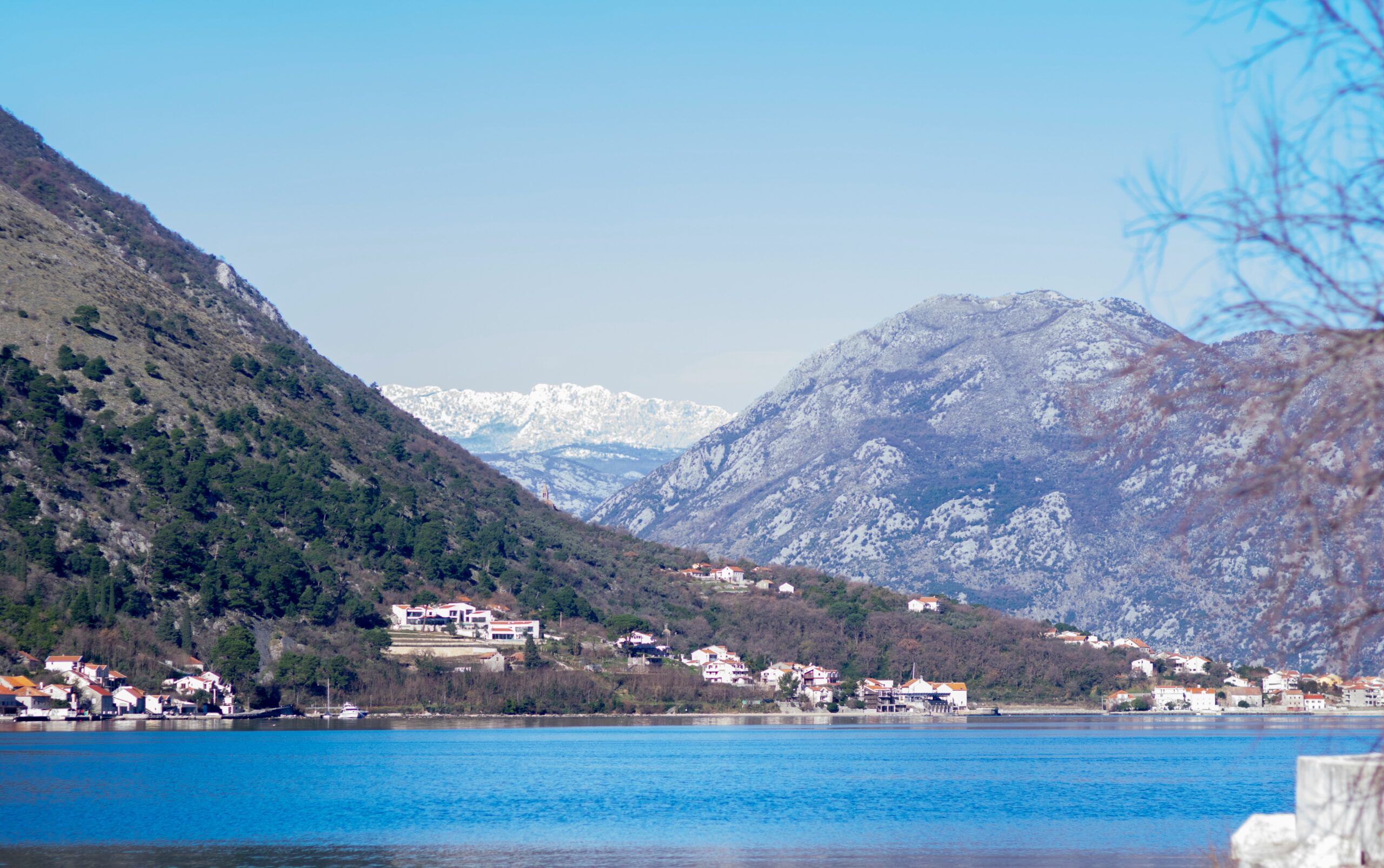
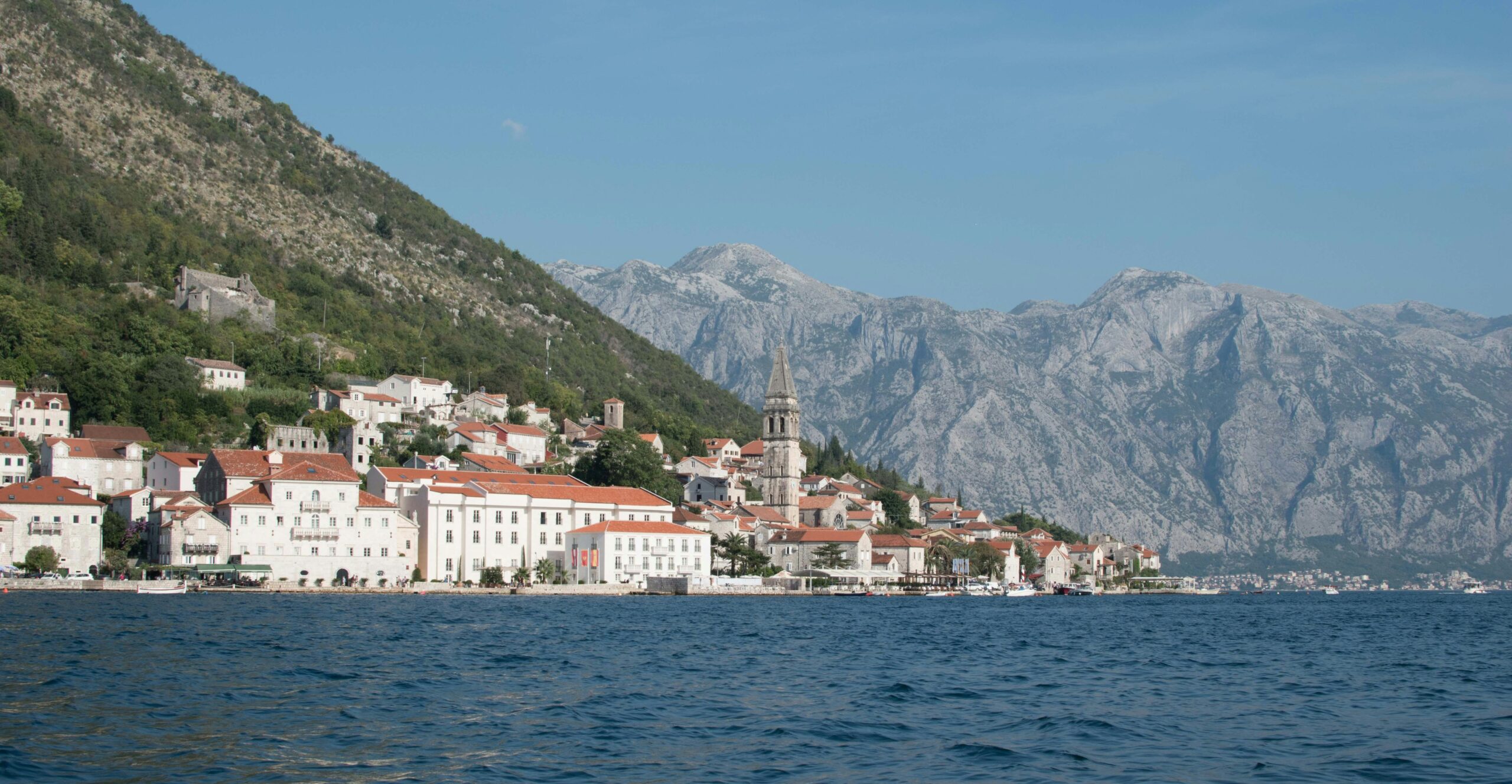
Along the Adriatic coast, Montenegro weather in March feels noticeably milder than in winter. Towns such as Kotor, Budva, and Herceg Novi begin to experience more spring-like days. Daytime temperatures often reach between 13°C and 18°C, especially in the second half of the month.
Nights remain cool, usually between 8°C and 10°C. Rain still occurs, though storms become shorter and less intense. You see more days with partial sunshine and longer dry periods. Coastal humidity decreases slightly, making temperatures feel more comfortable than earlier in the year.
The sea remains cold, with water temperatures around 14°C. Swimming remains unrealistic, but coastal walks become more appealing. Promenades and old towns feel livelier as locals spend more time outdoors. Cafes open terraces on warmer afternoons, though evenings still move indoors.
Wind conditions remain variable. Occasional bora winds can bring sudden cooling, especially after warm days. These episodes usually clear skies quickly, improving visibility across bays and mountain backdrops. Photographers often find March rewarding for its light and clarity.
Coastal towns function well in March. Museums, historical sites, and restaurants operate with regular hours. You explore without crowds, even in popular locations. Montenegro weather in March on the coast supports slow exploration, light walking, and cultural experiences rather than beach-focused travel.
Inland and Mountain Weather in March
Inland regions experience more contrast during Montenegro weather in March. Central areas around Podgorica warm faster than mountainous zones. Daytime temperatures often reach 15°C to 18°C, especially during sunny spells. Rain replaces snow in most lowland areas, though cold mornings still occur.
Fog appears less frequently than in winter but can still form in valleys during calm nights. Visibility improves quickly after sunrise. These conditions make inland travel easier and more predictable as the month advances.
Mountain regions remain in winter conditions for much of March. Areas near Žabljak and Durmitor National Park continue to hold snow at higher elevations. Daytime temperatures often stay near or below freezing in early March. By late March, melting begins at lower altitudes, while peaks remain snow-covered.
Snowfall still occurs in the mountains, though accumulation becomes less consistent. Winter sports continue when conditions allow, but schedules depend heavily on weather patterns. Spring thaw increases water flow in rivers and streams, changing trail conditions and access points.
Driving between regions requires attention. Mountain passes may remain cold and slippery in the mornings. Winter tires remain necessary in higher areas. Montenegro weather in March inland rewards regional planning rather than fast transitions between coast and mountains.
Nature and Landscape Changes in March
Montenegro weather in March triggers visible changes in landscapes across the country. Vegetation begins to respond to rising temperatures, especially in coastal and lowland areas. Early blossoms appear, and fields regain green tones after winter dormancy.
Rivers and waterfalls become more dynamic due to snowmelt and rainfall. Water levels rise, creating strong visual contrast and sound. This period suits travelers interested in observing natural transitions rather than peak-season scenery.
Lakes and wetlands attract increased bird activity. Migratory species begin returning, especially in lowland and lake regions. These changes make nature observation more engaging, even without long hikes.
Mountain landscapes remain winter-like, offering a visual blend of snow and exposed rock. This contrast defines March scenery. You witness seasonal overlap rather than a single dominant climate. Montenegro weather in March highlights this diversity clearly.
Activities That Fit Montenegro Weather in March
Montenegro weather in March supports a wider range of activities than winter months, though limits remain. Walking tours and light hiking become more realistic, especially at lower elevations. You plan routes based on daily weather rather than long-term assumptions.
Cultural exploration remains a strong option. Historic towns, monasteries, and museums provide consistent experiences regardless of weather. March allows deeper engagement without crowd pressure. You move at your own pace and adjust plans easily.
Nature-based activities begin to expand. Guided walks, canyon viewpoints, and lake visits work well during stable weather. You avoid high-altitude trails unless conditions are confirmed safe. March favors observation and moderate activity rather than demanding routes.
This period aligns well with active and small-group tours. Early spring conditions suit guided walking, cultural discovery, and regional exploration tours that adapt routes to weather. You benefit from local knowledge that adjusts daily plans based on real conditions.
Food and local life gain importance in March. Seasonal menus begin to change, reflecting early spring produce. You spend more time outdoors during lunch hours and return indoors in the evening. Montenegro weather in March supports this balanced daily rhythm.
What to Pack and How to Prepare for March Travel
Packing for Montenegro weather in March requires versatility. You prepare for both mild afternoons and cool mornings. Layering remains the most effective strategy.
You should bring a waterproof jacket with wind protection. Light insulation works better than heavy winter coats. A warm mid-layer supports early mornings and evenings. Comfortable walking shoes with good grip handle wet streets and uneven paths.
Accessories still matter. A scarf and light gloves help during cooler days, especially inland. Sunglasses become useful as sunlight increases. An umbrella works during light rain, though windproof clothing remains more reliable.
Travel preparation involves flexibility. You check forecasts daily and plan outdoor activities during the most stable hours. If you drive, remain cautious in mountain areas where winter conditions linger. Allow extra time for transitions between regions.
Montenegro weather in March becomes comfortable when you prepare for variation rather than extremes. Thoughtful packing reduces discomfort and allows you to enjoy seasonal changes.
Is March a Good Time to Visit Montenegro?
March suits travelers who enjoy early spring without peak-season crowds. You experience more freedom to move, explore, and adapt. Montenegro weather in March offers balance rather than guarantees.
You avoid summer heat and congestion. Prices remain moderate, and availability stays high. Local life feels authentic and unhurried. Weather still limits some activities, but it opens others.
If your priorities include swimming or high-altitude hiking, March may feel early. If you value cultural depth, nature transitions, and active travel with guidance, this month fits well. Montenegro weather in March supports thoughtful, experience-driven travel.