
Published on January 07, 2026
You arrive in a country where mountains meet the sea within a short drive. The landscape changes fast, yet it feels balanced and calm. When you search for things to do in Montenegro, you find experiences shaped by nature, history, and daily life. This guide helps you understand what you can do, how to plan your time, and why active travel works well here. You explore at your own pace, with space for movement and quiet moments. Montenegro rewards travelers who like variety without long distances.
Explore the Adriatic Coast and Its Old Towns
You begin along the coast, where the Adriatic shapes daily life and travel rhythms. The shoreline is compact, yet it offers clear differences between towns. You spend mornings walking stone streets and afternoons near the sea. Coastal travel feels easy because distances stay short and roads stay scenic.
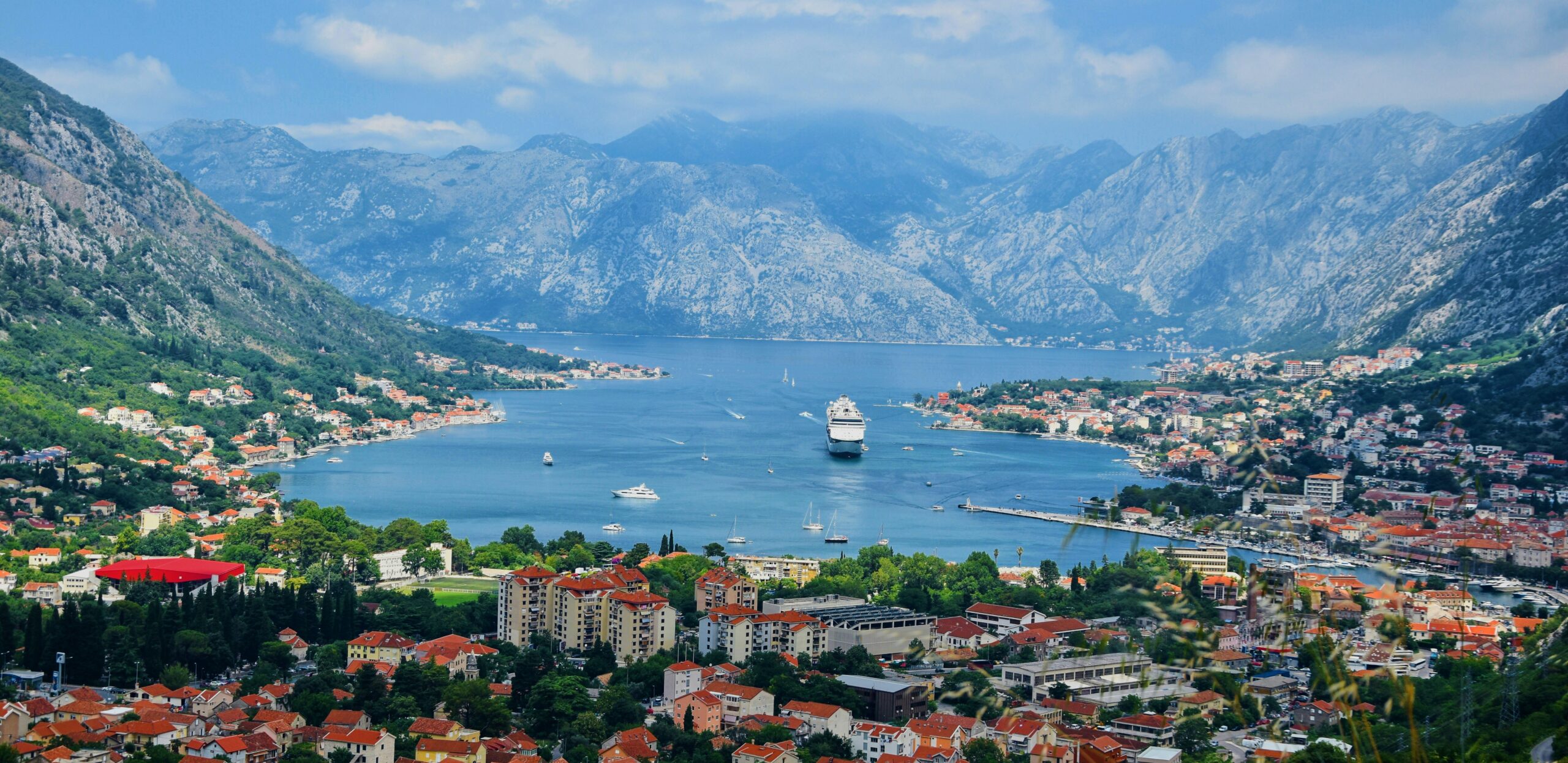
You start in Kotor, where medieval walls rise directly from the bay. You walk through narrow streets shaped by centuries of trade and defense. The old town feels lived-in, not staged. You notice laundry above alleyways and locals chatting near cafés. From here, you hike the stone path up to the fortress. The climb takes effort, yet the view over the bay feels earned and calm.
You continue to Perast, a small town with a quiet rhythm. You walk along the waterfront and visit the church islands by boat. The setting feels reflective, especially early or late in the day. Perast works well if you want fewer crowds and slower movement.
Further south, you reach Budva. Here, the old town sits beside modern beaches. You explore stone walls in the morning, then swim in the afternoon. Budva offers nightlife, yet you can step away by choosing smaller beaches nearby. Coastal paths connect coves, making short walks part of your routine.
Along the coast, swimming, kayaking, and paddleboarding fit easily into your days. You choose quiet beaches outside town centers for space and clear water. The sea stays calm most mornings, which suits relaxed exploration. Coastal Montenegro works best when you mix walking, swimming, and short drives.
Experience National Parks and Mountain Landscapes
You move inland and notice how quickly the scenery changes. Mountains replace the sea, and air temperatures drop. National parks form the backbone of active travel in the country. You plan routes that combine hiking, viewpoints, and local villages.
You visit Durmitor National Park in the north. Here, glacial lakes and high peaks define the landscape. You hike marked trails that range from easy walks to demanding ascents. Black Lake offers a gentle introduction, with a loop path suitable for most travelers. Longer hikes take you deeper into the park, where silence becomes part of the experience.
You drive through the Biogradska Gora National Park, one of Europe’s last primeval forests. Tall trees surround you, and walking trails stay shaded and cool. You move slowly, noticing moss, water, and bird sounds. This park suits travelers who prefer calm exploration rather than long climbs.
In the south, you explore Lovćen National Park. The road itself becomes part of the experience. Serpentine turns reveal views over the Bay of Kotor. You hike short trails and visit the mausoleum at the top. From here, you see how mountains and sea connect visually and culturally.
Mountain travel in Montenegro suits active travelers who want flexibility. You choose between short walks and full-day hikes. Weather changes quickly, so planning matters. You gain more by staying overnight near parks, rather than rushing through. The mountains offer space to slow down and focus on movement and scenery.
Discover Lakes, Rivers, and Canyons
Water shapes Montenegro beyond the sea. Lakes and rivers create different ways to explore the landscape. You plan days around gentle activity rather than speed. This approach helps you understand local environments.
You visit Skadar Lake, shared with Albania. The lake feels wide and open, with wetlands and birdlife. You explore by kayak or small boat, moving through water lilies and narrow channels. Villages sit along the shore, where fishing still shapes daily routines. You stop for simple meals made with local ingredients.
You travel north to the Tara River, known for its deep canyon. Rafting offers a way to experience the scale of the landscape. You move with the current, passing cliffs and forests. The experience stays accessible for beginners, depending on season and water level. Walking along canyon viewpoints adds perspective without physical strain.
You also explore smaller rivers and waterfalls near Podgorica. Short walks lead to swimming spots used by locals. These areas feel informal and relaxed. You share space with families and small groups, not tour buses. Water-focused travel helps balance hiking days and adds variety to your itinerary.
Lakes and rivers work best when you allow time. Rushing reduces the experience. You plan half-day activities and leave space for rest. Montenegro’s water landscapes support quiet movement and observation.
Engage With History, Culture, and Local Life
You understand Montenegro better when you step beyond scenery. History and daily life appear in monasteries, towns, and rural areas. You choose visits that feel connected to place, not isolated attractions.
You explore monasteries set into cliffs or valleys, such as Ostrog Monastery. You approach by road or on foot, depending on your plan. The setting encourages calm behavior and respect. You notice pilgrims alongside travelers, sharing the same space quietly.
In old towns, museums and churches help explain layers of influence. Venetian, Ottoman, and Slavic elements appear in architecture and customs. You learn by walking and observing rather than rushing through exhibits. Small museums work well because they stay focused and local.
You spend time in rural villages where tourism remains secondary. Hosts offer meals made from garden produce and regional recipes. You sit longer at the table and talk about daily routines. These moments help you understand how geography shapes life choices.
Cultural engagement in Montenegro does not require a strict schedule. You remain open to conversations and small detours. This approach adds depth without pressure. Active travel blends well with cultural discovery when you slow your pace.
Plan Outdoor Activities Across the Seasons
You consider timing when choosing things to do in Montenegro. Seasons affect access, weather, and activity options. Planning helps you match expectations with conditions.
Spring suits hiking and cultural travel. Temperatures stay moderate, and wildflowers appear in mountain areas. Trails remain quieter than in summer. You combine walking with town visits and short drives.
Summer focuses on the coast and higher altitudes. You swim in the morning and hike in cooler mountain areas later. Coastal towns become busier, so you choose early starts and less-known beaches. Lakes and rivers provide relief from heat.
Autumn offers stable weather and fewer visitors. You hike longer routes and explore national parks with more space. Harvest season brings local food experiences. Days remain warm, yet nights cool down.
Winter centers on the north, with snow in mountain regions. You choose snowshoeing, winter hiking, or quiet village stays. Coastal areas remain mild, suitable for walking and cultural visits.
Seasonal planning ensures comfort and safety. You adjust activity levels rather than forcing fixed plans. Montenegro supports flexible travel when you respect weather and terrain.
Why Active Travel Works Well in Montenegro
You notice that Montenegro’s size supports active travel, especially when choosing things to do in Montenegro that involve movement and time outdoors. Distances stay manageable, and landscapes change quickly. You avoid long transfers and focus on experience. This structure suits travelers who value movement and observation.
Roads connect sea, lakes, and mountains within hours. You combine different environments in one trip without feeling rushed. Accommodation options support this style, from guesthouses to small hotels near trails.
You benefit from local knowledge when planning activities. Guides help you choose routes that match ability and interests. This approach reduces risk and increases enjoyment. Active travel here focuses on balance, not extremes.
When you look for things to do in Montenegro, you find options that fit different energy levels. You walk, hike, paddle, and rest within the same journey. The country encourages thoughtful travel rather than constant motion.